How Close Can A Fridge Be To An Oven And Why It Matters
Placing a fridge too close to an oven can cause serious problems like overheating, higher energy bills, and even fire risks. Most experts recommend keeping at least 4 to 6 inches of clearance between the two appliances. This guide covers safe distances, manufacturer guidelines, and practical tips to protect your kitchen setup.
Have you ever stood in your kitchen and wondered, how close can a fridge be to an oven without causing problems? It is a question many homeowners overlook until something goes wrong. Maybe your fridge started making strange noises, or your energy bills spiked for no clear reason.
The truth is, the distance between your fridge and oven matters a lot more than most people think. Placing these two appliances too close together can lead to overheating, efficiency loss, and even safety hazards. In this guide, we will walk you through everything you need to know about fridge placement near oven setups. You will learn the recommended distances, why they matter, and how to keep your kitchen safe and running smoothly.
Key Takeaways
- Minimum clearance matters: Keep at least 4 to 6 inches between your fridge and oven to allow proper heat dissipation and airflow.
- Heat damage is real: Oven heat can force your fridge compressor to work harder, leading to higher energy bills and premature wear.
- Manufacturer guidelines rule: Always check your specific appliance manual for recommended spacing and installation requirements.
- Built-in vs. freestanding makes a difference: Built-in ovens and fridges have different clearance needs compared to freestanding models.
- Safety first: Proper spacing reduces fire hazards and protects your kitchen from moisture and heat damage.
- Energy efficiency drops with poor spacing: A fridge working overtime against oven heat uses significantly more electricity.
- Professional installation helps: When in doubt, hire an installer who understands kitchen appliance placement and safety codes.
📑 Table of Contents
- Why Fridge and Oven Spacing Matters
- Recommended Distance Between a Fridge and Oven
- Types of Ovens and Their Heat Output
- How to Measure and Plan Your Kitchen Layout
- Signs Your Fridge Is Too Close to the Oven
- Tips for Optimizing Fridge and Oven Placement
- Common Mistakes People Make with Appliance Spacing
- Expert Insights on Fridge and Oven Placement
- Quick Tips for Safe Appliance Spacing
- Conclusion
Why Fridge and Oven Spacing Matters
Your fridge and oven are two very different machines. One needs to stay cool. The other generates a lot of heat. When they sit too close together, bad things can happen. Understanding why proper appliance spacing matters is the first step toward a safer kitchen.
How Oven Heat Affects Your Fridge
An oven can reach temperatures of 500 degrees Fahrenheit or more during cooking. Even when it is off, residual heat radiates outward. Your fridge works hard to maintain a cold internal temperature, usually around 37 to 40 degrees Fahrenheit. When an oven sits too close, the heat transfer forces the fridge compressor to run longer and harder.
This extra work has real consequences. The compressor wears out faster. Energy consumption goes up. Your fridge may struggle to keep food at safe temperatures. Over time, you could face costly repairs or even a full replacement.
Safety Risks of Poor Spacing
Beyond efficiency, there are real safety concerns. Heat buildup between appliances can damage surrounding cabinetry and walls. In extreme cases, excessive heat near plastic components or insulation can create a fire hazard. Moisture from the fridge can also cause problems if it gets trapped near a hot oven. Proper kitchen layout and appliance spacing help prevent all of these issues.
The Role of Heat Dissipation
Both your fridge and oven need airflow to function properly. Your fridge releases heat through coils or vents, usually at the back or bottom. Your oven vents heat through the door seal and rear vent. When these appliances sit too close, neither can dissipate heat effectively. The result is a buildup of warmth that affects both machines. This is why heat dissipation is such an important factor in kitchen appliance placement.
Recommended Distance Between a Fridge and Oven
So, what is the actual minimum distance you should maintain? The answer depends on a few factors, including the type of appliances you own and your kitchen layout.
General Rule of Thumb
Most manufacturers and kitchen designers agree on a baseline. You should keep at least 4 to 6 inches of space between your fridge and oven. Some experts recommend even more, especially if your oven runs hot or your kitchen is small. The key is to allow enough room for air to circulate freely around both appliances.
Here is a quick breakdown of common spacing guidelines:
- Standard freestanding setups: 4 to 6 inches minimum
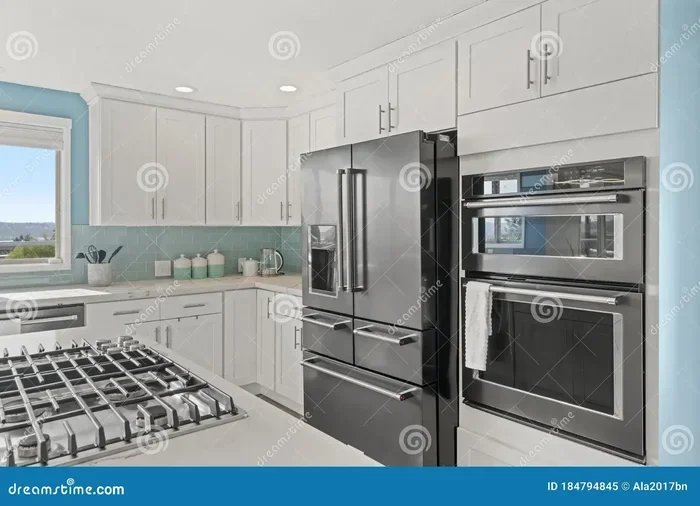
- Built-in ovens with adjacent fridges: 6 to 12 inches recommended
- Compact or small kitchens: At least 4 inches, but more if possible
- Gas ovens: Extra clearance due to higher exterior temperatures
- Convection ovens: Additional space for the rear vent
Why Built-In Ovens Need More Space
If you have a built-in oven, the rules change slightly. Built-in models are often surrounded by cabinetry and countertops. Heat gets trapped more easily. The oven door also stays hotter for longer after cooking. For these reasons, you should aim for at least 6 to 12 inches of clearance between a built-in oven and a freestanding fridge. Always check the oven installation manual for specific requirements.
What the Manufacturer Says
Every appliance comes with an installation guide. These manuals contain appliance manufacturer guidelines that spell out exact clearance requirements. Some brands require as little as 2 inches, while others demand 8 inches or more. Do not skip this step. Reading the manual might feel tedious, but it can save you from expensive damage and safety issues down the road.
Types of Ovens and Their Heat Output
Not all ovens produce the same amount of heat. The type of oven you have directly affects how close your fridge can safely sit nearby. Let us look at the main types and what that means for fridge clearance requirements.
Standard Electric Ovens
Standard electric ovens are the most common in homes. They heat up to around 500 degrees Fahrenheit and radiate heat from all sides. The exterior temperature of the oven door can reach 150 to 300 degrees during use. This is a significant heat source that your fridge needs to handle. Keep a full 6 inches of clearance between a standard electric oven and your fridge.
Gas Ovens
Gas ovens produce open flames and tend to have hotter exteriors than electric models. The side panels and door glass can get very warm. Gas ovens also produce moisture and combustion byproducts, which adds another layer of concern. For gas ovens, aim for the upper end of the clearance range, at least 6 to 8 inches. This gives your fridge breathing room and keeps moisture away from sensitive components.
Convection Ovens
Convection ovens use a fan to circulate hot air. This means the heat is more intense and more directional. The rear vent on a convection oven blows out hot air with force. If your fridge sits directly behind the oven, this concentrated stream of heat can cause serious problems. Always check the rear clearance for convection ovens and add a few extra inches for safety.
Steam Ovens and Combination Microwaves
Steam ovens and combination microwaves are becoming more popular. These appliances produce both heat and moisture. The moisture can be just as damaging as the heat. It can cause rust on metal components and mold growth on insulation. For these appliances, ensure extra space and consider adding a ventilation barrier between the oven and fridge.
How to Measure and Plan Your Kitchen Layout
Planning your kitchen layout is not just about aesthetics. It is about function, safety, and longevity. Proper kitchen renovation planning includes thinking about appliance placement from the very start.
Measuring the Space
Before you buy or install any appliance, grab a tape measure. Measure the total space available between where the fridge and oven will sit. Then subtract the depth of both appliances. The remaining space is your clearance. Make sure it meets the minimum requirements for your specific models.
Here is a simple way to do it:
- Measure the total gap between the oven wall and the fridge wall.
- Subtract the depth of the oven.
- Subtract the depth of the fridge.
- The remaining number is your actual clearance.
- Compare this to the manufacturer’s recommended minimum.
Considering Kitchen Traffic Flow
Spacing is not only about heat. You also need to think about how people move through the kitchen. A cramped layout with appliances too close together creates a fire hazard during busy cooking sessions. Leave enough room to open oven doors and fridge doors fully without bumping into each other or nearby counters.
Using Heat Shields and Barriers
If your kitchen layout does not allow for ideal spacing, consider using a heat shield. A heat shield is a panel made of reflective or insulating material that sits between the oven and fridge. It blocks radiant heat and reduces the thermal load on the fridge. Heat shields are especially useful in galley kitchens where space is tight. They are an affordable way to improve thermal insulation between appliances.
Signs Your Fridge Is Too Close to the Oven
How do you know if your current setup is causing problems? There are several warning signs to watch for. Catching these early can save you from bigger headaches later.
- The fridge runs constantly: If your fridge never seems to cycle off, the oven heat may be forcing the compressor to work nonstop.
- Higher energy bills: A sudden spike in electricity usage without a clear reason often points to an overworked fridge.
- Warm spots on the fridge exterior: Feel the sides of your fridge near the oven. If they are unusually warm, heat is transferring over.
- Food spoils faster: If items in the fridge near the oven side go bad quicker, the internal temperature may be rising.
- Unusual noises from the fridge: A louder or more frequent compressor noise can indicate it is struggling against external heat.
- Cabinetry or wall discoloration: Heat damage to surrounding surfaces is a clear sign of poor spacing.
If you notice any of these signs, take action immediately. Adjust the spacing if possible, or consult a professional for advice on fridge placement near oven configurations.
Tips for Optimizing Fridge and Oven Placement
Getting the placement right is not just about avoiding problems. It is also about making your kitchen work better. Here are some practical tips to help you optimize your setup.
Choose the Right Spot During a Kitchen Renovation
If you are planning a kitchen renovation, now is the perfect time to plan your appliance layout. Work with a designer or contractor who understands kitchen appliance placement. They can help you create a layout that balances aesthetics with safety and efficiency.
Use a Kitchen Island to Separate Appliances
A kitchen island can serve as a natural barrier between your fridge and oven. It adds counter space, improves traffic flow, and provides extra distance between heat sources and cold appliances. Even a narrow island can make a meaningful difference in heat transfer and safety.
Keep Vents and Coils Clean
Dirty condenser coils on your fridge reduce its ability to release heat. When the fridge is already dealing with oven heat nearby, dirty coils make the problem much worse. Clean the coils at least twice a year. Use a vacuum or coil brush to remove dust and debris. This simple maintenance task improves efficiency and extends the life of your fridge.
Install a Ventilation Fan
A range hood or ventilation fan helps pull heat away from the oven and out of the kitchen. This reduces the ambient temperature around both appliances. Better ventilation means less strain on your fridge and a cooler, more comfortable kitchen overall.
Consider a Mini Fridge as an Alternative
If space is extremely limited, a mini fridge placed further from the oven might be a practical solution. Mini fridges are often more tolerant of warmer environments than full-size models. However, they still need adequate clearance and should never be placed directly next to a hot oven.
Common Mistakes People Make with Appliance Spacing
Even well-meaning homeowners make mistakes when it comes to appliance spacing. Here are the most common ones and how to avoid them.
Ignoring Manufacturer Guidelines
This is the biggest mistake of all. Every appliance has specific installation requirements. Ignoring them voids warranties and invites problems. Always read the manual and follow the spacing instructions exactly.
Measuring Only the Front Gap
People often measure the gap they can see from the front of the kitchen. But heat rises and spreads in all directions. You need to account for clearance on the sides, top, and back as well. The back clearance is especially important for the fridge condenser coils and the oven rear vent.
Forgetting About Countertop Heat
Hot pans, baking sheets, and freshly cooked dishes placed on the countertop between the oven and fridge can radiate heat downward. This adds to the thermal load on the fridge. Always use trivets and hot pads, and keep hot items away from the fridge area.
Overlooking Seasonal Changes
Your kitchen gets hotter in summer. The ambient temperature rises, and your fridge works even harder. What might be fine in winter could become a problem in summer. Keep this in mind when evaluating your spacing, especially in kitchens without air conditioning.
Pushing the Fridge Flush Against the Wall
It is tempting to push the fridge tight against the wall to save space. But this blocks the condenser coils and restricts airflow. Leave a few inches of space behind the fridge for proper ventilation. This small gap can make a big difference in performance and lifespan.
Expert Insights on Fridge and Oven Placement
We spoke with several kitchen designers and appliance technicians to get their take on how close can a fridge be to an oven. Here is what the experts had to say.
Most experts agree that 6 inches is the sweet spot for most kitchen setups. Anything less than 4 inches is a red flag. One technician shared that he has seen fridges fail within two years of being installed too close to a gas oven. The constant thermal stress simply wears out the compressor prematurely.
A kitchen designer added that the layout phase of any renovation is the best time to address spacing. Retrofitting later is more expensive and often less effective. She recommends using 3D kitchen design software to visualize spacing before making any final decisions.
Another expert pointed out that energy savings from proper spacing are often overlooked. A fridge that does not have to fight oven heat uses less electricity. Over a year, this can add up to meaningful savings on utility bills. It is a small change that pays off in both safety and cost.
Quick Tips for Safe Appliance Spacing
- Keep at least 4 to 6 inches between your fridge and oven as a baseline.
- Check both appliance manuals for specific clearance requirements.
- Use a heat shield if ideal spacing is not possible.
- Clean fridge condenser coils regularly to improve heat release.
- Install a range hood to reduce ambient kitchen heat.
- Avoid placing hot cookware on the counter between the two appliances.
- Reassess your spacing during seasonal temperature changes.
- Hire a professional installer if you are unsure about your setup.
Conclusion
The question of how close can a fridge be to an oven does not have a one-size-fits-all answer. But the general rule is clear: keep a safe distance. At minimum, maintain 4 to 6 inches of clearance, and more for built-in ovens or gas models. Proper spacing protects your appliances, improves safety, and keeps your energy bills in check.
Take the time to measure your kitchen layout. Read your manufacturer guidelines. Watch for warning signs of poor spacing. Small adjustments can make a big difference in the performance and lifespan of your appliances. Your kitchen is one of the most used rooms in your home, and getting the appliance spacing right is one of the best investments you can make.
Whether you are planning a full kitchen renovation or just rearranging your current setup, keep these tips in mind. A well-planned layout with proper clearance gives you peace of mind and a kitchen that runs efficiently for years to come. The extra inches of space are worth every bit of effort.
Frequently Asked Questions
What is the minimum safe distance between a fridge and an oven?
The minimum safe distance is typically 4 to 6 inches for most standard setups. However, built-in ovens and gas models may require 6 to 12 inches or more. Always check the manufacturer guidelines for your specific appliances to determine the exact fridge clearance requirements for your kitchen.
Can oven heat damage a refrigerator?
Yes, oven heat can damage a refrigerator over time. The constant exposure to heat forces the fridge compressor to work harder, which leads to increased wear and tear. In severe cases, it can cause the compressor to fail prematurely, resulting in costly repairs or replacement.
Does fridge placement near oven affect energy bills?
Absolutely. When a fridge is too close to an oven, it uses more energy to maintain the correct internal temperature. Studies show that poor appliance spacing can increase energy consumption by 10 to 15 percent. Proper spacing helps your fridge run efficiently and keeps your bills lower.
Can I use a heat shield between my fridge and oven?
Yes, a heat shield is a great solution if you cannot achieve ideal spacing. A heat shield made of reflective or insulating material blocks radiant heat and reduces the thermal load on your fridge. It is an affordable and effective way to protect your appliances in tight kitchen layouts.
Do built-in ovens have different clearance requirements than freestanding ones?
Yes, built-in ovens typically need more clearance than freestanding models. They are surrounded by cabinetry, which traps heat. The oven door also stays hotter longer. For built-in oven installations, aim for at least 6 to 12 inches of space between the oven and any adjacent fridge.
How do I know if my fridge is too close to the oven?
Watch for signs like the fridge running constantly, unusual noises, warm exterior surfaces near the oven, or food spoiling faster. These are clear indicators that heat transfer is affecting your fridge. If you notice these issues, increase the spacing or consult a professional for advice.