How Long To Cook Eel In Oven A Simple Step By Step Guide
Cooking eel in the oven is easier than most people think. This guide shows you exactly how long to cook eel in oven at the right temperature for tender, flavorful results. You will learn preparation steps, seasoning tips, and common mistakes to avoid.
Have you ever wondered how long to cook eel in oven? It is a question many home cooks ask because eel can feel intimidating. This fish has a unique texture and flavor that sets it apart from other seafood. When cooked right, oven-baked eel turns out rich, buttery, and absolutely delicious.
Whether you are trying a eel recipe for the first time or looking to perfect your technique, this guide covers everything. You will learn the exact cooking time, the best oven temperature, and simple steps to follow. No fancy equipment or years of experience needed. Just clear, practical advice you can use right away.
Eel is a popular dish in many cuisines around the world. Japanese unagi is one of the most well-known preparations. Smoked eel is another favorite in European cooking. But baking eel in the oven is one of the easiest and most accessible methods. It gives you consistent results with minimal effort.
In this article, we break down every step of the process. From choosing the right eel to pulling it out of the oven perfectly done, you will find it all here. Let us get started with the basics of baking eel at home.
Key Takeaways
- Ideal Temperature: Bake eel at 375°F to 400°F for the best texture and flavor.
- Cooking Time: Most eel fillets take 20 to 30 minutes depending on thickness.
- Internal Temperature: Always check that eel reaches 145°F for food safety.
- Preparation Matters: Marinating and seasoning the eel before baking adds big flavor.
- Common Mistake: Overcooking eel makes it dry and rubbery, so watch it closely.
- Versatile Dish: You can bake eel with butter, sauce, or simple seasonings.
- Resting Time: Let the eel rest after baking for juicier results.
📑 Table of Contents
- Why Bake Eel In The Oven?
- Choosing The Right Eel For Baking
- Step By Step: How To Cook Eel In The Oven
- Common Mistakes When Baking Eel
- Temperature Guide For Different Eel Types
- Tips For Perfect Baked Eel Every Time
- How Long To Cook Eel In Oven: Quick Reference
- Serving Suggestions For Baked Eel
- Health Benefits Of Eel
- Storing And Reheating Leftover Baked Eel
- Conclusion
Why Bake Eel In The Oven?
Oven-baking is one of the simplest ways to prepare eel. You do not need a special smoker or a grill. Your regular kitchen oven handles the job beautifully. The dry heat wraps around the eel and creates a lovely crispy texture on the outside while keeping the inside moist.
Here are a few reasons why oven baking works so well for eel:
- Even cooking: The oven distributes heat uniformly, so no part of the eel gets overcooked or undercooked.
- Minimal effort: You prep the eel, pop it in the oven, and wait. That is really it.
- Versatile seasoning: You can add butter, garlic, soy sauce, or any eel marinade you like.
- Easy cleanup: Baking on a sheet pan with foil makes cleanup a breeze.
- Consistent results: Once you nail the time and temperature, every batch turns out great.
Compared to grilling or pan-frying, oven baking gives you more control. You can set the oven temperature and walk away. The cooking time is predictable once you know the thickness of your eel fillet. This makes it a great method for beginners and busy weeknight dinners alike.
Choosing The Right Eel For Baking
Before you worry about timing and temperature, you need the right piece of eel. Not all eel is the same, and choosing wisely makes a big difference in your final dish.
Fresh vs Frozen Eel
Fresh eel is ideal if you can find it at a fish market or specialty store. It has a cleaner taste and firmer texture. However, frozen eel works just as well for oven baking. Most eel sold in supermarkets is already frozen and thawed. As long as you thaw it properly in the refrigerator overnight, it will bake beautifully.
When buying eel fillet, look for these qualities:
- Bright, shiny skin with no dull spots
- A fresh, mild smell (not fishy or sour)
- Firm flesh that springs back when touched
- Consistent thickness for even cooking
Whole Eel vs Fillet
You can bake a whole eel or use individual fillets. Fillets are much easier to handle and cook more evenly. If you buy a whole eel, you will need to gut and cut it into portions first. For most home cooks, eel fillet is the way to go. It saves time and gives you more predictable cooking time results.
Eel Thickness Matters
The thickness of your eel piece directly affects the how long to cook eel in oven question. A thin fillet that is half an inch thick will cook much faster than a thick piece that is one and a half inches thick. Always measure the thickest part of the eel to estimate your baking time accurately.
Step By Step: How To Cook Eel In The Oven
Now let us get into the actual process. This section walks you through every step of baking eel in the oven. Follow these instructions and you will have amazing results.
Step 1: Preheat Your Oven
Start by preheating your oven to 375°F (190°C). This is the sweet spot for baking eel. It is hot enough to create a nice sear on the outside but gentle enough to cook the inside without drying it out. Some recipes call for 400°F, which works well too if you prefer a crispier eel skin.
Always give your oven at least 10 to 15 minutes to reach the target temperature. An oven thermometer can help you verify the heat is accurate. Many ovens run slightly hot or cold, so this small step makes a real difference.
Step 2: Prepare The Eel
Take your eel fillet out of the refrigerator about 15 to 20 minutes before cooking. Letting it come to room temperature helps it cook more evenly. Pat the eel dry with paper towels. This removes excess moisture and helps the skin crisp up in the oven.
If you are using a whole eel, cut it into portions about 3 to 4 inches long. Make sure each piece is roughly the same thickness. This ensures that every piece finishes cooking at the same time.
Step 3: Season And Marinate
Seasoning is where you can get creative. A simple eel seasoning of salt, pepper, and garlic powder works wonderfully. But you can also go bolder with a marinade.
Here are some popular eel marinade ideas:
- Butter and soy sauce: Mix melted butter with soy sauce and a touch of honey. Brush it over the eel for a rich, savory flavor.
- Lemon and herbs: Combine olive oil, lemon juice, garlic, and fresh herbs like thyme or dill. This gives a bright, light taste.
- Japanese style: Use a mix of mirin, soy sauce, and sake for an authentic unagi-like flavor.
- Smoky and spicy: Add smoked paprika, cayenne pepper, and brown sugar for a bold kick.
Let the eel marinate for at least 15 minutes. If you have more time, 30 minutes to an hour in the refrigerator deepens the flavor even more.
Step 4: Line The Baking Sheet
Line a baking sheet with aluminum foil or parchment paper. This prevents the eel from sticking and makes cleanup super easy. Place a wire rack on top of the sheet if you have one. The rack allows air to circulate around the eel, which helps the skin get crispy on both sides.
If you do not have a wire rack, you can place the eel directly on the lined sheet. Just flip it halfway through cooking to brown both sides evenly.
Step 5: Bake The Eel
Place the seasoned eel on the baking sheet and slide it into the preheated oven. Now comes the most important part: timing.
Here is a general guide for how long to cook eel in oven:
- Thin fillets (half an inch): 15 to 20 minutes at 375°F
- Medium fillets (three quarters of an inch): 20 to 25 minutes at 375°F
- Thick fillets (one inch or more): 25 to 30 minutes at 375°F
- Whole eel portions: 30 to 35 minutes at 375°F
These times are approximate. The actual cooking time depends on your specific oven, the thickness of the eel, and how crispy you like the skin. Always use a meat thermometer to check the internal temperature. The eel is done when it reaches 145°F in the thickest part.
Step 6: Check For Doneness
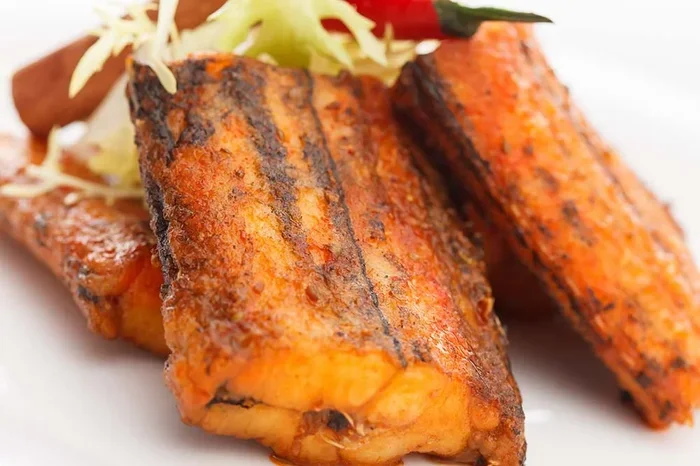
After about 20 minutes, start checking the eel. The flesh should be opaque and flake easily with a fork. The skin should be crispy and slightly bubbly. If the top is not browning fast enough, switch the broiler on for the last 2 to 3 minutes. Watch it closely during this time to prevent burning.
Undercooked eel can be unsafe to eat, so do not skip the temperature check. On the other hand, overcooked eel becomes dry and tough. The difference between perfectly done and overcooked can be just a few minutes, so stay near the oven.
Step 7: Rest And Serve
Once the eel is out of the oven, let it rest for 3 to 5 minutes. This allows the juices to redistribute throughout the flesh. Cutting into it right away can cause the moisture to escape, leaving the eel less juicy.
Serve the baked eel with rice, vegetables, or a fresh salad. A squeeze of lemon juice on top brightens the flavor. For a classic presentation, serve it the Japanese way with steamed rice and a drizzle of the cooking sauce.
Common Mistakes When Baking Eel
Even simple recipes can go wrong if you make common errors. Here are the mistakes most people make when baking eel and how to avoid them.
Overcooking The Eel
The biggest mistake is cooking the eel too long. Eel has a delicate, tender texture that dries out quickly once it passes the right point. If you leave it in the oven too long, the flesh becomes chalky and tough. Set a timer and check the eel a few minutes before the recommended cooking time ends.
Skipping The Preheat
Some people throw the eel into a cold oven and let it heat up. This leads to uneven cooking. The outside may burn while the inside stays raw. Always preheat your oven to the correct oven temperature before placing the eel inside.Not Drying The Eel Properly
Moisture is the enemy of crispy skin. If you skip the step of patting the eel dry, the skin will steam instead of crisp. Take the extra 30 seconds to blot the eel with paper towels. Your eel skin will thank you with a satisfying crunch.
Using Too Much Marinade
A little marinade goes a long way. Too much liquid on the surface creates steam, which prevents browning. Use just enough to coat the eel lightly. Save extra marinade to brush on during the last few minutes of baking for a glazed effect.
Temperature Guide For Different Eel Types
Different types of eel and different preparation methods may require slight adjustments. Here is a helpful reference table for baking eel at various temperatures.
Temperature And Time Reference
- 375°F (190°C): Best all-around temperature for most eel fillets. Produces tender flesh with a lightly crispy skin.
- 400°F (200°C): Great for thicker fillets or if you want extra crispy eel skin. Reduce cooking time by a few minutes.
- 350°F (175°C): A gentler option. Use this if you prefer a more slowly cooked, tender texture. Add a few extra minutes to the cooking time.
Always use a meat thermometer to confirm the internal temperature reaches 145°F. This is the safe serving temperature for all types of fish, including eel. The internal temperature matters more than the clock, so trust your thermometer over the timer.
Tips For Perfect Baked Eel Every Time
Want to take your oven-baked eel from good to great? Try these expert tips that make a noticeable difference.
Use Butter For Richness
Brushing the eel with a little melted butter before baking adds incredible richness. The butter browns in the oven and creates a beautiful golden glaze. You can mix the butter with a pinch of salt and a squeeze of lemon for a simple but impressive finish.
Score The Skin
If you are baking eel with the skin on, use a sharp knife to make shallow diagonal cuts across the surface. This helps the heat penetrate evenly and prevents the skin from curling up in the oven. It also gives the eel a beautiful presentation.
Let The Eel Come To Room Temperature
Cold eel going into a hot oven cooks unevenly. The outside may overcook while the center stays cold. Taking the eel out of the refrigerator 15 to 20 minutes before baking solves this problem completely.
Add A Glaze In The Last Five Minutes
For an extra layer of flavor, brush the eel with your favorite glaze during the last 5 minutes of baking. A mix of soy sauce, honey, and minced garlic creates a sticky, sweet-savory coating that caramelizes beautifully in the hot oven.
Experiment With Different Wood-Fired Flavors
If you want to mimic the flavor of grilled or smoked eel, add a few drops of liquid smoke to your marinade. This gives a subtle smokiness that pairs wonderfully with the natural richness of the eel. It is an easy trick that transforms the dish without any extra equipment.
How Long To Cook Eel In Oven: Quick Reference
Let us bring it all together with a quick summary of the key numbers you need to remember.
- Oven temperature: 375°F (190°C) is the standard. Adjust to 400°F for crispier skin or 350°F for a gentler cook.
- Thin fillets: 15 to 20 minutes
- Medium fillets: 20 to 25 minutes
- Thick fillets: 25 to 30 minutes
- Internal temperature: 145°F for safe eating
- Resting time: 3 to 5 minutes after removing from oven
These numbers give you a reliable starting point. Once you bake eel a few times, you will learn exactly how your oven behaves and can adjust the cooking time accordingly. The beauty of oven baking is that it is forgiving and consistent once you find your rhythm.
Serving Suggestions For Baked Eel
Baked eel pairs beautifully with many sides. Here are some ideas to round out your meal:
- Steamed rice: The classic pairing. The rice soaks up the flavorful juices from the eel.
- Roasted vegetables: Asparagus, broccoli, or carrots make a healthy, colorful side.
- Mashed potatoes: Creamy mashed potatoes complement the rich flavor of eel perfectly.
- Fresh salad: A light salad with a citrus vinaigrette balances the richness of the eel.
- Noodles: Soba or udon noodles with a dipping sauce create a satisfying meal.
For a more formal presentation, serve the eel on a bed of rice with pickled ginger and a drizzle of soy sauce. This Japanese-inspired plating makes the dish look restaurant-quality with minimal effort.
Health Benefits Of Eel
Beyond its delicious taste, eel offers some impressive nutritional benefits. Including eel in your diet a few times a month can contribute to a balanced and healthy eating plan.
- Rich in omega-3 fatty acids: These healthy fats support heart health, brain function, and reduce inflammation.
- Good source of protein: Eel provides high-quality protein that helps build and repair muscles.
- Contains vitamins A and E: These vitamins support skin health and boost your immune system.
- Low in carbohydrates: Eel is a great protein option for low-carb or keto diets.
- Contains minerals like calcium and magnesium: These minerals are important for bone health and energy production.
Keep in mind that eel can be high in cholesterol and sodium depending on how you prepare it. Baking with minimal added salt is one of the healthiest ways to enjoy this fish. Compared to deep-frying or heavy sauces, oven baking keeps the eel nutrition profile clean and wholesome.
Storing And Reheating Leftover Baked Eel
If you have leftover eel, store it properly to enjoy it later. Place the cooled eel in an airtight container and refrigerate within two hours. It will keep well in the fridge for up to two days.
To reheat, place the eel in the oven at 350°F for about 5 to 8 minutes. This warms it through without drying it out. Avoid microwaving if possible, as it can make the eel skin soggy and the flesh rubbery. The oven gently reheats the eel and keeps the texture close to fresh.
You can also freeze baked eel for up to three months. Wrap it tightly in plastic wrap and then in foil or a freezer bag. Thaw it overnight in the refrigerator before reheating in the oven.
Conclusion
Learning how long to cook eel in oven is simpler than you might think. With the right temperature of 375°F and a cooking time of 15 to 30 minutes depending on thickness, you can create a restaurant-quality dish at home. The key is to prepare the eel well, season it to your liking, and keep an eye on it as it bakes.
Remember to always check the internal temperature of 145°F before serving. Avoid the common mistakes of overcooking and skipping the preheat. Follow the tips in this guide, and your baking eel will turn out perfectly tender, flavorful, and satisfying every single time.
Whether you are new to cooking eel or a seasoned home cook looking for a reliable method, this step-by-step approach gives you everything you need. Grab some eel, preheat your oven, and enjoy the process of creating a truly memorable meal. Your kitchen will smell incredible, and your taste buds will thank you.
Frequently Asked Questions
Can you eat raw eel?
No, raw eel should not be eaten. Uncooked eel contains harmful bacteria and parasites that can cause serious illness. Always cook eel thoroughly to an internal temperature of 145°F before consuming it.
What is the best temperature to bake eel?
The best oven temperature for baking eel is 375°F (190°C). This temperature cooks the eel evenly and creates a nice crispy skin without drying out the flesh. You can increase to 400°F if you prefer extra crispiness.
How do you know when baked eel is done?
Use a meat thermometer to check that the internal temperature reaches 145°F. The eel flesh should be opaque and flake easily with a fork. The skin should be crispy and golden brown.
Can you bake eel with the skin on?
Yes, baking eel with the skin on is recommended. The skin crisps up nicely in the oven and helps hold the flesh together. Just make sure to pat the eel dry and score the skin before baking for the best results.
How long can you store leftover baked eel?
Leftover baked eel keeps in the refrigerator for up to two days when stored in an airtight container. Reheat it in the oven at 350°F for 5 to 8 minutes to maintain the best texture and flavor.
Is baked eel healthy?
Yes, baked eel is a healthy choice. It is rich in omega-3 fatty acids, high-quality protein, and essential vitamins like A and E. Baking is one of the healthiest preparation methods because it uses minimal added fat compared to frying.