How Long To Bake Bone Marrow In Oven For Crispy Goodness
Learning how long to bake bone marrow in oven is the key to achieving crispy, golden, and irresistibly rich results every single time. This guide walks you through everything from choosing the right bones to nailing the perfect oven temperature and timing. Whether you are a beginner or a seasoned home cook, you will find practical tips and clear steps to make oven-baked bone marrow a regular part of your cooking routine.
There is something truly special about bone marrow that turns a simple meal into a memorable experience. The rich, buttery texture and deep, savory flavor make it one of the most underrated cuts of meat out there. And the best part? You do not need a fancy restaurant to enjoy it. Your home oven can do wonders with the right approach.
If you have ever wondered how long to bake bone marrow in oven, you are in the right place. This guide covers everything from choosing the perfect bones to pulling them out of the oven at exactly the right moment. By the end, you will feel confident enough to make roasted bone marrow like a pro. Let us get into it.
Key Takeaways
- Optimal Baking Time: Most bone marrow cuts bake perfectly in 15 to 25 minutes at 400°F to 425°F.
- Bone Selection Matters: Thick, center-cut marrow bones give you the best results and even cooking.
- Preparation Is Simple: Soaking, seasoning, and placing bones upright are the only prep steps you need.
- Crispy Texture Comes From High Heat: A hot oven renders the fat and creates a golden, crunchy exterior.
- Serving Ideas Are Endless: Spread it on toast, pair with herbs, or use it as a base for rich sauces.
- Safety and Timing Go Hand in Hand: Always check internal temperature and avoid over-baking to keep it moist inside.
📑 Table of Contents
- What Is Bone Marrow and Why Is It So Popular?
- Choosing the Right Bones for Baking
- How to Prepare Bone Marrow for the Oven
- How Long to Bake Bone Marrow in the Oven
- Tips for Perfectly Crispy Bone Marrow Every Time
- Serving Suggestions and Pairing Ideas
- Health Benefits of Bone Marrow
- Common Mistakes to Avoid When Baking Bone Marrow
- Expert Tips for the Best Bone Marrow Experience
- Conclusion
What Is Bone Marrow and Why Is It So Popular?
Understanding the Basics of Bone Marrow
Bone marrow is the soft, spongy tissue found inside the center of large bones. It is most commonly taken from beef bones, though lamb and veal marrow bones are also popular. The marrow has a mild, buttery flavor and a creamy texture that melts in your mouth when cooked properly.
People have been eating bone marrow for thousands of years. It was a prized food source for early humans, and it remains a staple in many cuisines around the world today. In French cooking, roasted bone marrow is a classic delicacy served with crusty bread and coarse salt. In many Middle Eastern and Asian traditions, marrow bones are simmered into rich broths and soups.
The rise of nose-to-tail eating has brought bone marrow back into the spotlight. More home cooks are discovering that this affordable cut delivers incredible flavor and nutritional benefits. It is packed with healthy fats, vitamins A and K, and essential minerals like iron and zinc.
Why Baking Bone Marrow in the Oven Works So Well
Baking bone marrow in the oven is one of the easiest and most reliable methods. Unlike stovetop cooking, where heat can be uneven, an oven surrounds the bones with consistent warmth. This allows the fat inside to render slowly and evenly.
The dry heat of the oven also creates that beautiful crispy exterior everyone loves. When the outer layer of marrow turns golden and slightly caramelized, it adds a satisfying contrast to the soft, creamy center. This texture combination is what makes oven-baked bone marrow so irresistible.
Another big advantage is simplicity. You need very few ingredients and minimal equipment. A baking sheet, some bones, salt, and a hot oven are all it takes. This makes it a perfect dish for weeknight dinners or dinner parties alike.
Choosing the Right Bones for Baking
Types of Marrow Bones You Should Buy
Not all bones are created equal when it comes to baking bone marrow. The best bones are thick, straight, and cut from the center of the femur or shin. These cuts have a large cavity filled with plenty of soft marrow, which cooks evenly and looks impressive on the plate.
Here are the most common types of marrow bones you will find at your butcher or grocery store:
- Beef Femur Bones: These are the gold standard for oven-baked bone marrow. They are thick, long, and full of marrow.
- Shin Bones (Tibia): Slightly smaller than femur bones but still packed with rich marrow. Great for smaller portions.
- Veal Marrow Bones: More delicate and tender than beef. They cook faster and have a milder flavor.
- Lamb Marrow Bones: Smaller and with a slightly gamier taste. Wonderful for those who love bold flavors.
What to Look for When Buying
When shopping for marrow bones, look for bones that are at least three inches long and two inches wide. The ends should be capped with a thin layer of bone, not cut away. This cap holds the marrow inside during baking and makes for a beautiful presentation.
Ask your butcher to cut the bones into thick rounds, about one to one-and-a-half inches thick. These thick slices give you more marrow to enjoy and are easier to handle in the oven. Avoid bones that look dried out or discolored. Fresh bones should have a light pink or creamy color.
How to Prepare Bone Marrow for the Oven
Step-by-Step Preparation
Preparing bone marrow for baking is quick and straightforward. The less you do, the better the final result. Here is what you need to do:
- Soak the Bones: Place the marrow bones in a bowl of cold water and add a splash of apple cider vinegar. Let them soak for 12 to 24 hours in the refrigerator. This helps draw out any blood and impurities, resulting in a cleaner, milder flavor.
- Pat Dry: Remove the bones from the water and pat them completely dry with paper towels. Moisture is the enemy of crispy roasted bone marrow.
- Season Simply: Sprinkle the bones generously with kosher salt and freshly cracked black pepper. Some cooks also add a tiny pinch of garlic powder or smoked paprika for extra depth.
- Place Upright: Stand the bones upright on a baking sheet lined with parchment paper or a wire rack. This keeps the marrow from spilling out and allows heat to circulate evenly around each bone.
Seasoning Ideas to Elevate Your Bone Marrow
While simple salt and pepper works beautifully, you can get creative with your seasoning. Here are some popular options for flavorful bone marrow:
- Herb Butter: Mix softened butter with fresh thyme, rosemary, and a pinch of flaky sea salt. Spread a small amount on top of the marrow before baking.
- Citrus Zest: Add a little lemon or orange zest to your salt blend for a bright, fresh note.
- Smoked Paprika and Cumin: This combo adds a warm, earthy flavor that pairs wonderfully with beef marrow.
- Everything Bagel Seasoning: A trendy but delicious option that adds sesame, poppy seeds, garlic, and onion flavor in one sprinkle.
How Long to Bake Bone Marrow in the Oven
The Short Answer: Timing and Temperature
The most common question people ask is, how long to bake bone marrow in oven. The answer depends on the size of your bones and how crispy you like the outside. In general, bone marrow baking time ranges from 15 to 25 minutes at temperatures between 400°F and 425°F.
Here is a simple breakdown:
- Thin slices (1 inch): Bake at 425°F for 12 to 15 minutes.
- Standard cuts (1.5 inches): Bake at 400°F for 18 to 22 minutes.
- Thick cuts (2 inches or more): Bake at 400°F for 22 to 25 minutes.
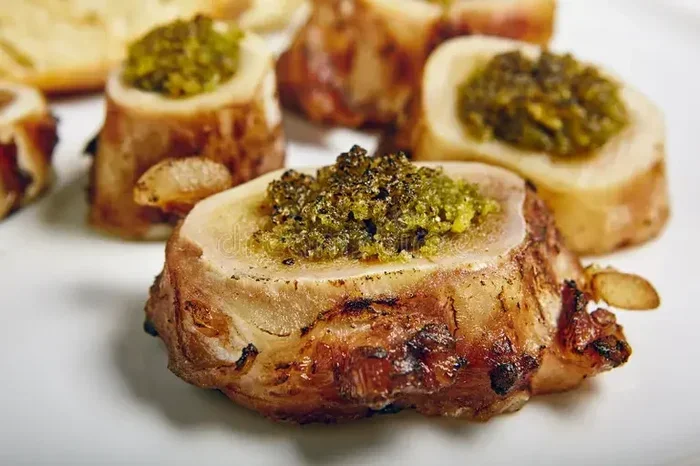
The goal is to have the marrow become soft and creamy inside while the edges turn golden brown and slightly crispy. You want to see the marrow gently puff up and separate from the bone wall. A small amount of bubbling fat around the edges is a great sign that you are on the right track.
What Happens If You Bake Too Long?
Overbaking is the most common mistake people make with oven-baked bone marrow. When you leave the bones in too long, the marrow shrinks, dries out, and turns grainy. The rich, creamy texture disappears, and you are left with something that tastes more like burnt fat than the silky delicacy you were hoping for.
To avoid this, set a timer and check the bones at the 15-minute mark. They cook quickly, and a few extra minutes can make a big difference. Remember that the bones will continue to cook slightly after you pull them out, so it is better to take them out a little early.
What If You Underbake?
Underbaking is less of a problem because you can always put the bones back in for a few more minutes. If the marrow is still too firm or cold in the center, simply return the bones to the oven for an additional 3 to 5 minutes. Check again and repeat if needed.
A Quick Reference Table for Baking Bone Marrow
- Bone Thickness: 1 inch | Temperature: 425°F | Time: 12-15 minutes
- Bone Thickness: 1.5 inches | Temperature: 400°F | Time: 18-22 minutes
- Bone Thickness: 2 inches | Temperature: 400°F | Time: 22-25 minutes
- Veal Bones: Any thickness | Temperature: 400°F | Time: 10-18 minutes (cooks faster due to delicacy)
Tips for Perfectly Crispy Bone Marrow Every Time
Start with a Hot Oven
Always preheat your oven before placing the bones inside. A hot oven from the start ensures that the fat begins rendering immediately, which leads to a crispy exterior and creamy interior. If you put the bones in a cold oven, they will steam instead of roast, and you will miss out on that satisfying crunch.
Use a Wire Rack for Even Cooking
Placing your marrow bones on a wire rack set over a baking sheet is a game changer. The rack allows hot air to flow underneath the bones, so they crisp up evenly on all sides. Without a rack, the bottom side can become soggy from sitting in its own rendered fat.
Do Not Skip the Soaking Step
Soaking the bones overnight in salted water with vinegar might seem like an extra step, but it makes a noticeable difference. It removes residual blood and gives you a cleaner, more pleasant flavor. The result is a purer taste that lets the natural richness of the marrow shine through.
Let the Bones Rest After Baking
Once your baked bone marrow comes out of the oven, let it rest for 2 to 3 minutes before serving. This brief rest allows the marrow to set slightly, making it easier to scoop out and spread. It also prevents you from burning your mouth on molten-hot marrow.
Add a Finishing Touch
A finishing touch takes crispy bone marrow from great to unforgettable. Try drizzling a tiny bit of good-quality olive oil over the hot bones right after they come out of the oven. Or sprinkle on some fresh chopped parsley, a squeeze of lemon juice, or a few flakes of flaky sea salt. These small additions add brightness and contrast to the rich, buttery marrow.
Serving Suggestions and Pairing Ideas
The Classic Toast and Salt
The most traditional way to serve roasted bone marrow is on top of thick slices of toasted sourdough or crusty French bread. Spread the warm, creamy marrow right onto the toast and finish with a sprinkle of coarse sea salt and a squeeze of lemon. This classic combination is simple, elegant, and absolutely delicious.
Pair with Fresh Herbs and Vegetables
Bone marrow pairs beautifully with fresh, bright flavors. A simple salad of arugula, shaved Parmesan, and lemon vinaigrette makes a wonderful side. Roasted vegetables like carrots, parsnips, or asparagus also complement the richness of the marrow without overwhelming it.
Use It as a Flavor Base
Do not throw away the bones after scooping out the marrow. They are packed with flavor and can be used to make a rich bone broth or added to gravies and sauces. Simmer the empty bones in water with onion, garlic, and bay leaves for a few hours, and you will have a deeply savory base for soups and stews.
Make Bone Marrow Butter
One of the most underrated uses for leftover baked bone marrow is mixing it into softened butter. Simply scoop the marrow, mash it with a fork, and blend it with softened butter and a pinch of salt. This bone marrow butter is incredible on steak, roasted vegetables, or even fresh bread. It adds a rich, umami depth that elevates any dish.
Health Benefits of Bone Marrow
Nutritional Profile of Bone Marrow
Bone marrow nutrition is impressive for such a simple, whole food. It is rich in healthy monounsaturated fats, which support heart health and brain function. It also contains collagen, which is great for joint health, skin elasticity, and gut integrity.
A serving of beef bone marrow provides significant amounts of vitamin A, vitamin K2, iron, and selenium. These nutrients play important roles in immune function, blood health, and bone strength. Eating roasted bone marrow is one of the most natural ways to get these nutrients in a highly bioavailable form.
Is Bone Marrow Good for You?
Yes, bone marrow is a nutrient-dense food that fits well into a balanced diet. The healthy fats it contains are easily absorbed by the body and provide sustained energy. The collagen and gelatin in marrow support digestive health and can help reduce inflammation. Of course, like any food, it is best enjoyed in moderation as part of a varied diet.
Common Mistakes to Avoid When Baking Bone Marrow
Using Bones That Are Too Thin
Thin bones overcook quickly and the marrow dries out before you get a chance to enjoy it. Always choose thick, center-cut bones for the best results. If you only find thin bones, reduce your baking time accordingly and keep a close eye on them.
Skipping the Preheat
Putting bones into a cold or lukewarm oven leads to uneven cooking. The outside stays pale and soft while the inside may not render properly. Always preheat to the full temperature before adding the bones. This is one of the simplest ways to improve your oven-baked bone marrow.
Overcrowding the Baking Sheet
Give your bones space. Overcrowding traps steam and prevents proper crisping. Arrange the bones with at least an inch of space between each one. If you need to bake a large batch, use multiple sheets or work in batches.
Forgetting to Dry the Bones
Moisture is the enemy of crispiness. If you skip the drying step after soaking, the bones will steam rather than roast. Always pat the bones thoroughly dry with paper towels before seasoning and placing them in the oven.
Expert Tips for the Best Bone Marrow Experience
Ask Your Butcher for Guidance
A good butcher can help you select the best marrow bones for baking. They can also cut them to the ideal thickness and even crack the ends slightly so the marrow is easier to scoop out after baking. Building a relationship with your local butcher is one of the best things you can do as a home cook.
Experiment with Different Temperatures
While 400°F to 425°F is the sweet spot for most bone marrow recipes, do not be afraid to experiment. A slightly lower temperature (375°F) gives you a slower, more gentle cook that can be nice for very thick bones. A higher temperature (450°F) creates an extra-crispy exterior but requires closer monitoring.
Serve Immediately for the Best Experience
Crispy bone marrow is at its best straight out of the oven. The contrast between the warm, creamy interior and the slightly crunchy exterior is fleeting. Serve it right away while it is hot and enjoy it with the people around you. That is what makes this dish so special.
Conclusion
How long to bake bone marrow in oven is a question with a wonderfully simple answer: 15 to 25 minutes at 400°F to 425°F, depending on the thickness of your bones. The beauty of this dish lies in its simplicity and the incredible results it delivers. With just a little prep and the right timing, you can create crispy, golden bone marrow that rivals anything served in a fine dining restaurant.
Whether you spread it on toast, use it to enrich a sauce, or simply enjoy it straight from the bone, oven-baked bone marrow is a dish that brings people together. It is rich, it is satisfying, and it is easier to make than you might think. Start with the tips and timing guide in this article, and you will be well on your way to mastering this classic delicacy at home.
So next time you are at the butcher, grab a few marrow bones, preheat your oven, and give this timeless recipe a try. Your taste buds will thank you.
Frequently Asked Questions
Can you bake bone marrow from frozen?
Yes, you can, but it is best to thaw the bones first. Place them in the refrigerator overnight to thaw slowly. Baking frozen bones leads to uneven cooking, with the outside overcooking before the center thaws. For the best oven-baked bone marrow, always use thawed bones.
What temperature should bone marrow be when done?
The internal temperature of baked bone marrow should reach around 140°F to 150°F for a creamy, perfectly cooked texture. Use an instant-read thermometer inserted into the center of the marrow cavity to check. If it feels soft and gives slightly under gentle pressure, it is ready.
Can you reheat leftover bone marrow?
Yes, you can reheat roasted bone marrow in the oven at 350°F for about 5 to 8 minutes. The microwave is not recommended because it heats unevenly and can turn the marrow rubbery. Reheating in the oven helps maintain the crispy exterior and creamy interior.
How do you know when bone marrow is done baking?
Look for a few clear signs. The marrow will puff up slightly and pull away from the bone walls. The edges will turn golden brown, and you may see small bubbles of rendered fat around the top. The marrow should feel soft and creamy when you press it gently with a fork.
Is bone marrow healthy to eat regularly?
In moderation, bone marrow is a nutritious food rich in healthy fats, vitamins, and minerals. It provides collagen, vitamin A, and iron in a highly bioavailable form. However, because it is calorie-dense and high in fat, it is best enjoyed as an occasional indulgence rather than a daily staple.
What is the best bread to serve with baked bone marrow?
Crusty sourdough, French baguette, and artisan ciabatta are all excellent choices. The bread should be sturdy enough to hold the creamy marrow without falling apart. Toasting the bread lightly adds a satisfying crunch that pairs perfectly with the soft, rich marrow.