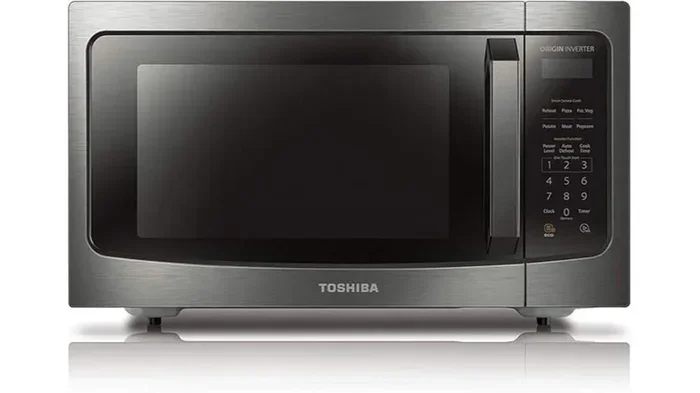
What Is Inverter Technology In Microwave Ovens Explained
Inverter technology in microwave ovens is a smart cooking system that delivers steady, consistent power instead of the on-and-off pulsing found in traditional microwaves. This innovation gives you precise control over cooking levels, making tasks like defrosting and reheating much more even and gentle. An inverter microwave oven uses a dedicated inverter board to adjust power continuously, which means better texture, less overcooking, and more energy savings. If you have ever wondered why some microwaves cook food more evenly than others, inverter technology is the answer.
You probably use your microwave almost every day. Maybe you reheat last night’s dinner, pop in some frozen veggies, or quickly defrost meat before cooking. But have you ever stopped to think about how your microwave actually works? Most people never do. That is, until they hear about inverter technology in microwave ovens and realize their old appliance has been shortchanging them for years.
Inverter technology is one of the most important advancements in microwave design over the past couple of decades. It changes how your microwave delivers energy to food, and the difference is surprisingly noticeable. Instead of blasting food with full power and then shutting off repeatedly, an inverter microwave provides a smooth, continuous stream of power at whatever level you set. This sounds like a small change, but it transforms the way your food cooks, heats, and defrosts.
In this article, we will break down exactly what inverter technology in microwave ovens means, how it works inside the machine, and why it matters for your everyday cooking. We will also compare inverter models to conventional microwaves, highlight the real-world benefits, and help you decide whether upgrading to an inverter microwave oven is worth it for your kitchen.
Key Takeaways
- Steady Power Delivery: Inverter technology provides continuous, adjustable power rather than pulsing on and off, which leads to more even cooking results.
- Better Defrosting: The microwave inverter system gently thaws food without partially cooking the edges, preserving texture and flavor.
- Energy Efficiency: Inverter microwaves use less electricity because they run at consistent, lower power levels instead of repeatedly cycling on and off.
- More Cooking Modes: With variable power control, you can simmer, poach, and steam with much greater precision than a conventional microwave allows.
- Longer Appliance Life: Because the magnetron runs more steadily and with less stress, inverter models tend to last longer than standard microwaves.
- Worth the Investment: While inverter microwaves cost more upfront, the cooking quality, energy savings, and durability make them a smart long-term choice.
📑 Table of Contents
- How Inverter Technology Works in Microwave Ovens
- Inverter Microwave vs Conventional Microwave
- Key Benefits of Inverter Technology In Microwave Ovens
- Common Uses and Cooking Applications
- What to Look for When Buying an Inverter Microwave
- Common Mistakes to Avoid with Inverter Microwaves
- Expert Insights on Inverter Microwave Technology
- Is an Inverter Microwave Worth It for You?
- Conclusion
How Inverter Technology Works in Microwave Ovens
The Basic Science Behind Microwave Cooking
Before we dive into inverter technology, it helps to understand how a standard microwave oven works. A microwave oven uses a component called a magnetron to generate microwave energy. These microwaves bounce around inside the cooking cavity and cause water molecules in your food to vibrate. That vibration creates heat, which warms up your food from the inside out.
In a traditional or conventional microwave, the magnetron operates in a simple on-and-off pattern. When you set your microwave to 50 percent power, the magnetron actually runs at full power and then shuts off, cycles on, shuts off, and so on. The microwave controls the average power level by varying the duty cycle, which is the ratio of time the magnetron is on versus off. So at 50 percent power, it might run for 30 seconds and then sit idle for 30 seconds.
This pulsing method works, but it creates problems. Food can overcook during the “on” bursts and then sit idle during the “off” periods. The result is uneven heating, hot spots, and cold zones. Inverter technology solves this problem entirely.
What the Inverter Board Does
At the heart of an inverter microwave is a small electronic circuit called the inverter board or inverter microwave board. This board takes the electrical power from your wall outlet and converts it into a continuous, adjustable flow of energy. Instead of pulsing the magnetron on and off, the inverter controls the magnetron so it delivers a steady stream of power at the exact level you have selected.
Think of it like the difference between a light switch and a dimmer switch. A regular microwave is like a light switch, either fully on or fully off. An inverter microwave is like a dimmer, smoothly adjusting the light to any brightness you want. This continuous control is what gives inverter technology its remarkable precision.
The Role of the Magnetron in Inverter Models
In a standard microwave, the magnetron is a fairly simple device. It either produces full microwave energy or it does not. In an inverter microwave oven, the magnetron works differently. The inverter microwave compressor and associated circuitry allow the magnetron to operate at a wide range of power levels. This means the magnetron can run at 30 percent, 50 percent, or any level in between, all without the annoying on-and-off cycling.
This steady operation has several practical benefits. The magnetron experiences less thermal stress because it is not constantly ramping up and cooling down. Over time, this can extend the overall lifespan of your appliance. It also means the microwave uses electricity more efficiently, since energy is not wasted in the start-stop cycles.
Inverter Microwave vs Conventional Microwave
Power Delivery Comparison
The most significant difference between an inverter microwave and a conventional microwave lies in how each delivers power to your food. Here is a closer look at how they compare across several key factors.
| Feature | Conventional Microwave | Inverter Microwave |
|---|---|---|
| Power Delivery | Pulsing on-off cycles | Continuous, adjustable power |
| Power Levels | Limited, stepped settings | Wide range of smooth settings |
| Defrosting Performance | Often partially cooks edges | Gentle, even thawing |
| Reheating Results | Can be uneven or soggy | More consistent texture |
| Energy Use | Higher due to cycling | Lower, more efficient |
| Cooking Precision | Basic on-off control | Fine-tuned power adjustment |
| Price Range | Generally lower | Moderately higher |
| Magnetron Stress | Higher due to cycling | Lower, gentler operation |
Real-World Cooking Differences
When you use a conventional microwave to reheat a bowl of soup, you have probably noticed that the edges get boiling hot while the center stays cold. You stir it, nuke it again, and hope for the best. With an inverter microwave, the power flows steadily, so the heat distributes more evenly throughout the bowl. You get a much more consistent result with less stirring and less waiting.
The same principle applies to microwave defrosting. A conventional microwave might start cooking the outer layers of a chicken breast while the center is still frozen solid. An inverter microwave applies lower, steadier power, which gives the heat time to penetrate to the center without cooking the outer layers. The result is food that thaws more naturally and retains its texture better.
Noise and Performance
One thing many people notice with inverter technology is that the microwave runs more quietly. Because the magnetron is not constantly turning on and off, there is less of the familiar loud humming and buzzing that comes with the pulsing cycle. The microwave also tends to run at a steadier, lower noise level overall, which is a nice bonus in a busy kitchen.
Key Benefits of Inverter Technology In Microwave Ovens
Even and Gentle Cooking
The single biggest advantage of inverter technology in microwave ovens is even cooking. Because the power flows continuously rather than in bursts, heat spreads through your food more uniformly. This is especially noticeable with thicker foods, dense items like casseroles, and anything with uneven thickness.
For example, if you microwave a baked potato in a conventional oven, you might find that the skin is scorching while the inside is still cold. An inverter microwave delivers gentler, more consistent energy, so the potato cooks through evenly from edge to center. The same goes for microwave reheating of leftovers, rice, and pasta dishes.
Superior Defrosting
Microwave defrosting is one area where inverter technology truly shines. Traditional microwaves use high-power bursts during the defrost cycle, which can create a frustrating mix of cooked edges and ice-cold centers. The inverter microwave solves this by maintaining a low, steady power output that slowly and gently melts ice crystals throughout the food.
This means you can take a block of frozen ground beef straight from the freezer and defrost it evenly, without any partial cooking. You also get better results with delicate items like fish fillets and thin slices of bread, which can easily overcook in a conventional microwave.
Energy Efficiency and Cost Savings
Because an inverter microwave runs more efficiently, it uses less electricity over time. The continuous power delivery means the magnetron does not waste energy cycling on and off. Over months and years of regular use, these savings can add up.
Additionally, because food cooks more evenly and quickly with inverter technology, you spend less time running the microwave overall. Faster cooking times mean less energy consumed per meal. If you are someone who uses your microwave daily for reheating, cooking, or defrosting, the energy savings can be meaningful.
More Cooking Possibilities
A conventional microwave is great for simple tasks like reheating coffee or warming up a plate of leftovers. But it struggles with more delicate cooking jobs like simmering sauces, steaming fish, or poaching eggs. Inverter technology opens up a wider range of cooking possibilities because you have much finer control over the power level.
Many inverter microwave ovens come with sensor cooking features that automatically adjust power and time based on the steam and moisture levels detected inside the cavity. This takes the guesswork out of cooking and helps you achieve better results with minimal effort. Smart microwave features often pair with inverter technology to create a truly versatile kitchen appliance.
Quieter Operation
As mentioned earlier, inverter microwaves tend to run more quietly than conventional models. The steady magnetron operation eliminates the loud on-off cycling noise. This is a small but appreciated detail, especially if your kitchen is open to living spaces or if you like to use the microwave early in the morning or late at night without disturbing others.
Longer Appliance Lifespan
The gentler, more consistent operation of an inverter microwave puts less strain on the internal components. The magnetron, the inverter board, and other parts experience less thermal shock because they are not constantly heating up and cooling down. Over time, this can translate into a longer-lasting appliance with fewer repair needs.
Common Uses and Cooking Applications
Reheating Leftovers
One of the most common uses for any microwave is reheating leftovers. With inverter technology, this everyday task becomes much more satisfying. Your pizza slices come out with a crispy edge instead of a soggy, rubbery texture. Your rice and noodles heat through evenly without turning into a sticky mess. Even a simple cup of coffee or bowl of oatmeal benefits from the steady, gentle power delivery.
Quick Tip: When reheating food in an inverter microwave, use a lower power setting and a slightly longer cooking time. This gives the heat more time to spread evenly and prevents hot spots from forming.
Defrosting Frozen Foods
Microwave defrosting is where inverter technology really proves its value. Whether you are thawing a pack of chicken thighs, a block of ground meat, or a bag of frozen berries, the steady low power keeps the food at a safe temperature while it thaws evenly. You avoid the common problem of partially cooked edges and ice-cold centers.
For best results, use the defrost setting on your inverter microwave and check the food periodically. Even with inverter technology, very large items may need to be flipped or separated to ensure complete thawing.
Cooking from Scratch
Many people do not realize that a microwave can be used for actual cooking, not just reheating. With inverter technology, you can steam vegetables, cook fish, make oatmeal, prepare scrambled eggs, and even bake small cakes. The fine power control lets you simmer and poach foods gently, which is nearly impossible with a conventional microwave.
If you are new to cooking with a microwave, start with simple recipes and use the inverter microwave‘s variable power settings to experiment. You will be surprised at how much you can prepare with this versatile appliance.
Steaming and Simmering
The ability to maintain a very low, steady power level makes inverter microwaves excellent for steaming vegetables and simmering sauces. You can set the power to a low percentage and let the food cook gently without boiling over or drying out. This is a game-changer for anyone who wants to prepare healthy meals quickly.
What to Look for When Buying an Inverter Microwave
Power Rating and Wattage
When shopping for an inverter microwave oven, pay attention to the wattage rating. Higher wattage generally means faster cooking and more even heating. Most quality inverter microwaves range from 800 to 1200 watts. Choose a wattage that matches your cooking needs and the size of your household.
Capacity and Size
Consider how much cooking space you need. If you frequently cook for a family or heat large plates, go for a model with a larger interior capacity. Compact inverter microwaves are great for small kitchens or dorm rooms, but they may not handle larger dishes as well.
Smart Features and Sensor Cooking
Many modern inverter microwaves come with sensor cooking technology that detects humidity and adjusts the cooking time and power automatically. This feature takes the guesswork out of reheating and cooking, and it pairs beautifully with inverter technology to deliver excellent results every time.
Build Quality and Brand Reputation
Look for reputable brands known for quality microwave technology. Read user reviews and check warranty terms. A well-built inverter microwave should last many years with proper care and maintenance.
Price vs. Value
Inverter microwaves typically cost more than conventional models, but the improved cooking quality, energy savings, and durability make them a strong value over time. Think of it as an investment in better meals and a more efficient kitchen.
Common Mistakes to Avoid with Inverter Microwaves
Even with the best inverter technology, you can still run into issues if you make a few common mistakes. Here are some pitfalls to watch out for.
- Using the wrong container: Not all containers are safe for microwave use. Always use microwave-safe glass, ceramic, or plastic. Metal containers and foil can cause arcing and damage the inverter board.
- Overcrowding the cavity: Placing too much food in the microwave at once blocks the even flow of microwave energy. This can lead to uneven cooking, even with inverter technology. Heat food in smaller portions when possible.
- Skipping the stir or rotate step: While inverter microwaves cook more evenly, it is still a good habit to stir or rotate food halfway through cooking. This helps eliminate any remaining cold spots.
- Ignoring the power level setting: One of the greatest advantages of an inverter microwave is the ability to use variable power levels. Many people default to full power for everything, which can overcook delicate items. Take advantage of the lower settings for gentle heating and defrosting.
- Neglecting regular cleaning: Food splatters inside the microwave can affect performance over time. Clean the interior regularly to keep your inverter microwave running at its best.
Expert Insights on Inverter Microwave Technology
What Chefs and Kitchen Experts Say
Many professional chefs and kitchen experts have praised inverter technology for its ability to bring a level of precision to microwave cooking that was previously impossible. According to several culinary professionals, the difference in microwave cooking performance between a conventional and an inverter model is dramatic, especially for tasks like reheating delicate foods and simmering sauces.
Chef and food writer Dana Cowin has noted that inverter microwaves allow home cooks to achieve restaurant-quality results with simple microwave techniques. The steady power delivery means you can melt chocolate, warm cream, and gently cook proteins without the risk of overheating or scorching.
How Inverter Technology Is Shaping the Future of Microwaves
The microwave technology explained by inverter systems points toward a future where microwaves are more versatile, efficient, and intelligent. As smart microwave features continue to evolve, the combination of inverter power control and sensor-based cooking will make microwave ovens even more capable. We are already seeing models that can recognize food types, adjust cooking parameters automatically, and connect to smartphone apps for remote control.
Industry experts predict that inverter technology will become a standard feature in most microwave ovens within the next few years. As consumers become more aware of the benefits, demand for inverter models will continue to grow, driving innovation and lower prices across the market.
Is an Inverter Microwave Worth It for You?
The answer depends on how much you use your microwave and what you expect from it. If you simply use your microwave to reheat a cup of coffee or warm up a frozen dinner occasionally, a conventional microwave might be sufficient. But if you rely on your microwave for daily cooking, microwave defrosting, reheating leftovers, and preparing healthy meals, an inverter microwave is a worthwhile upgrade.
The improved cooking quality alone justifies the investment for many users. Food tastes better, textures are preserved, and meals come out more consistently. Add in the energy efficiency, quieter operation, and longer lifespan, and the value proposition becomes even stronger.
If you are in the market for a new microwave and you want the best possible cooking performance, look for a model that features inverter technology in microwave ovens. Your kitchen and your meals will thank you.
Conclusion
Inverter technology in microwave ovens represents a significant leap forward in how we heat and cook food at home. By replacing the old on-off pulsing method with a smooth, continuous flow of power, inverter microwaves deliver more even heating, better defrosting, and superior cooking results. The benefits extend beyond just food quality to include energy savings, quieter operation, and a longer-lasting appliance.
Whether you are a busy parent reheating last night’s dinner, a home cook exploring new microwave recipes, or someone who simply wants better meals with less effort, understanding inverter technology helps you make smarter choices in the kitchen. The next time you shop for a microwave, keep inverter technology at the top of your checklist. Your taste buds and your wallet will both benefit from the upgrade.
Take the time to explore the range of inverter microwave ovens available today. Read reviews, compare features, and find the model that fits your cooking style and budget. Once you experience the difference that inverter technology makes, you will wonder how you ever cooked without it.
Frequently Asked Questions
What exactly does inverter technology do in a microwave?
Inverter technology in a microwave oven replaces the traditional on-off power cycling with a continuous, adjustable flow of energy. This allows the microwave to deliver steady power at whatever level you set, resulting in more even cooking, gentler defrosting, and better overall microwave cooking performance. Instead of blasting food with full power and then shutting off repeatedly, the inverter keeps the energy output smooth and consistent.
Is an inverter microwave better than a regular microwave?
Yes, for most users, an inverter microwave is better than a regular or conventional microwave. The steady power delivery means food heats more evenly, defrosting is gentler, and you get more control over cooking power levels. While inverter models cost a bit more upfront, the improved results, energy savings, and durability make them a smart choice for regular microwave users.
Can I use metal containers in an inverter microwave?
No, you should never use metal containers or foil in any microwave, including inverter models. Metal can cause arcing, sparking, and damage to the inverter board and other internal components. Always use microwave-safe glass, ceramic, or plastic containers when cooking or reheating food in an inverter microwave oven.
Do inverter microwaves use less electricity?
Yes, inverter microwaves tend to use less electricity than conventional models. Because the inverter delivers power continuously rather than cycling the magnetron on and off, less energy is wasted. The steady operation also means shorter cooking times in many cases, which further reduces overall energy consumption. Over time, these savings can offset the higher upfront cost of an inverter model.
What foods benefit most from inverter microwave cooking?
Foods that benefit most from inverter technology include delicate items like fish, eggs, and sauces, as well as thicker or denser foods like casseroles, baked potatoes, and frozen meats. Microwave defrosting of large or uneven items also sees a big improvement. Even everyday reheating of leftovers, rice, and soups comes out more consistent and appetizing with an inverter microwave.
How long do inverter microwaves typically last?
A well-maintained inverter microwave can last 10 years or more, which is comparable to or slightly longer than a conventional microwave. The gentler, more consistent operation reduces stress on the magnetron and inverter board, which can contribute to a longer lifespan. Regular cleaning and proper use will help ensure your inverter microwave oven serves you well for many years.