How Long To Heat Up Rolls In Oven For Perfect Warmth
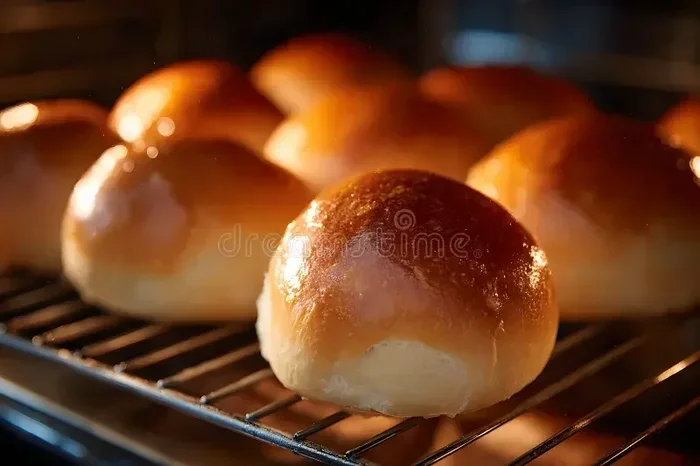
Knowing exactly how long to heat up rolls in oven makes all the difference between cold, hard bread and warm, pillowy perfection. Whether you are reheating store-bought rolls, frozen dinner rolls, or homemade cinnamon rolls, the right temperature and timing will give you bakery-quality results in minutes. This guide covers every roll type, oven setting, and pro trick so your rolls come out warm, soft, and delicious every time.
There is something deeply satisfying about warm rolls fresh from the oven. The soft texture, the gentle butter melt, and the comforting aroma that fills your kitchen can turn an ordinary meal into something memorable. But reheating leftover rolls or preparing frozen ones can feel tricky. Too much time and they turn hard and dry. Too little and they stay cold in the center. That is why understanding exactly how long to heat up rolls in oven matters so much. This guide gives you clear, reliable times, temperatures, and techniques for every type of roll you can imagine.
Whether you are warming up dinner rolls from last night, thawing frozen hamburger buns, or bringing refrigerated cinnamon rolls back to life, the oven is your best tool. Microwaves might be faster, but they sacrifice texture and flavor. The oven gently warms rolls from the outside in, keeping the inside soft and the outside lightly golden. In this article, we will walk through everything you need to know about how long to heat up rolls in oven, including step-by-step instructions, common mistakes, and expert tips that will transform your results.
Key Takeaways
- Standard reheating time: Most rolls need 8 to 12 minutes at 350°F for perfect warmth.
- Frozen rolls take longer: Plan for 15 to 20 minutes when heating frozen dinner rolls.
- Wrap them in foil: This keeps moisture locked in and prevents the crust from drying out.
- Brush with butter: A light coating of butter before warming adds richness and a golden finish.
- Avoid the microwave: The oven method produces far superior texture and flavor compared to microwaving.
- Check early and often: Oven temperatures vary, so start checking at the 8-minute mark.
- Let them rest: Giving rolls 2 to 3 minutes after warming helps the heat distribute evenly.
📑 Table of Contents
- Why Reheating Rolls in the Oven Works Best
- The Best Oven Temperature for Warming Rolls
- How Long to Heat Up Rolls In Oven: Step-by-Step Guide
- How Long to Heat Up Rolls In Oven Based on Type
- Common Mistakes People Make When Warming Rolls
- Pro Tips for Perfectly Warm Rolls Every Time
- Microwave vs. Oven: Which Is Better for Warming Rolls?
- Frequently Asked Questions
- Conclusion
Why Reheating Rolls in the Oven Works Best
Many people reach for the microwave when they want warm rolls quickly. And we get it. The microwave is fast and convenient. But when it comes to bread products, the oven wins every single time. Here is why the oven method is superior for heating bread rolls and keeping them tasting fresh.
Moisture Retention
When you warm rolls in the oven, the enclosed heat helps retain moisture inside the bread. The oven warms the roll slowly and evenly, which prevents the interior from drying out. A microwave, on the other hand, heats water molecules rapidly. This causes steam to escape quickly, leaving your rolls tough and chewy. The oven keeps the texture soft and pillowy, just like when they were first baked.
Better Crust Texture
One of the biggest differences between microwaved and oven-warmed rolls is the crust. The oven creates a light, slightly crispy exterior while keeping the inside tender. A microwave makes the crust rubbery and tough. If you love the contrast between a soft interior and a gentle crunch on the outside, the oven is the only way to go.
Even Heating
Ovens surround food with consistent heat from all sides. This means your dinner roll reheating happens uniformly. There are no cold spots in the center or overheated edges. The even warmth distribution makes every bite enjoyable, from the crust to the very center of the roll.
The Best Oven Temperature for Warming Rolls
Temperature is the single most important factor when it comes to warming rolls in oven. Too hot and you risk burning the outside while the inside stays cold. Too cool and the rolls take forever to warm through. The sweet spot for most rolls is 350 degrees Fahrenheit. This temperature is hot enough to warm the bread quickly but gentle enough to preserve moisture and texture.
Temperature Guide for Different Roll Types
Not all rolls are the same, and neither are their ideal warming temperatures. Here is a quick breakdown of the best oven settings for popular roll varieties.
- Standard dinner rolls: 350 degrees Fahrenheit
- Frozen dinner rolls: 350 degrees Fahrenheit (add extra time)
- Cinnamon rolls: 325 degrees Fahrenheit (to protect the icing)
- Butter rolls: 350 degrees Fahrenheit
- Hamburger buns: 350 degrees Fahrenheit
- Sweet dinner rolls: 325 degrees Fahrenheit
- Store-bought refrigerated rolls: 350 degrees Fahrenheit
For most home cooks, sticking with 350 degrees Fahrenheit covers about 90 percent of situations. If you are dealing with rolls that have frosting, glaze, or icing, drop the temperature to 325 degrees. The lower heat prevents the sugar from melting or burning while still warming the bread through.
Why 350 Degrees Is the Magic Number
The temperature of 350 degrees Fahrenheit has long been considered the standard for baking and reheating bread. It is hot enough to trigger the Maillard reaction, which gives bread that appealing golden-brown color and subtle toasty flavor. At the same time, it is not so hot that it dries out the interior in just a few minutes. This balance makes 350 degrees the ideal setting for oven-baked roll warming and ensures consistent, reliable results every time.
How Long to Heat Up Rolls In Oven: Step-by-Step Guide
Now that you know the right temperature, let us walk through the actual process. Following these steps will give you warm, soft, and perfectly textured rolls every single time.
Step 1: Preheat Your Oven
Always start by preheating your oven to the target temperature. For most rolls, this means setting the dial to 350 degrees Fahrenheit and letting the oven fully heat before placing the rolls inside. Preheating usually takes about 10 to 15 minutes. Do not skip this step. Putting cold rolls into a cold oven leads to uneven heating and longer cook times, which can dry out the bread.
Step 2: Prepare the Rolls
While the oven heats, take your rolls out of the refrigerator or freezer. If the rolls are frozen, you can warm them straight from frozen, but you will need to add extra time (more on that below). For refrigerated rolls, arrange them on a baking sheet lined with parchment paper or aluminum foil. Leave a small gap between each roll so the hot air can circulate freely around them.
Step 3: Wrap or Cover the Rolls
This is a crucial step that many people overlook. Wrapping your warm dinner rolls in aluminum foil helps trap moisture and prevents the crust from becoming hard. If you prefer a slightly crispier top, you can skip the foil for the last two minutes of heating. For frozen rolls, wrapping them in foil is especially important because it slows down moisture loss during the longer warming period.
Step 4: Place Rolls in the Oven
Put the baking sheet on the middle rack of your oven. The middle rack provides the most even heat distribution. Avoid placing rolls on the top or bottom rack, as these positions tend to expose the bread to too much direct heat from the heating elements.
Step 5: Set the Timer and Check Early
Set a timer for the recommended time and start checking a few minutes early. Ovens vary significantly in their actual internal temperature, so the times listed below are guidelines. Use your senses. When the rolls feel warm to the touch through the foil and smell wonderful, they are ready.
Step 6: Let Them Rest
Once the rolls are out of the oven, let them sit for 2 to 3 minutes before serving. This resting period allows the heat to distribute evenly throughout the bread. It also makes the rolls easier to handle without burning your fingers. After resting, unwrap the foil, brush with a little melted butter if desired, and serve immediately.
How Long to Heat Up Rolls In Oven Based on Type
The exact warming time depends on several factors, including the type of roll, whether it is frozen or refrigerated, and the size of the roll. Below you will find detailed timing guides for the most common situations.
Standard Refrigerated Dinner Rolls
For regular dinner rolls that have been stored in the refrigerator, how long to heat up rolls in oven is typically 8 to 12 minutes at 350 degrees Fahrenheit. These rolls are already at room temperature or slightly cool, so they warm through relatively quickly. The foil wrapping helps them stay soft during this short heating window.
- Small dinner rolls (2 to 3 inches): 8 to 10 minutes
- Medium dinner rolls (3 to 4 inches): 10 to 12 minutes
- Large dinner rolls (4+ inches): 12 to 15 minutes
Frozen Dinner Rolls
Frozen rolls need more time because the heat has to penetrate through ice crystals before warming the actual bread. The general rule for frozen roll heating time is 15 to 20 minutes at 350 degrees Fahrenheit. Wrapping them tightly in foil is essential to prevent the surface from drying out during this extended period.
- Small frozen rolls: 15 to 17 minutes
- Medium frozen rolls: 17 to 19 minutes
- Large frozen rolls: 19 to 22 minutes
If you are in a hurry, you can let frozen rolls thaw on the counter for 20 to 30 minutes before warming them in the oven. This reduces the oven time to about 8 to 10 minutes and produces more even results.
Reheating Leftover Baked Rolls
If you baked rolls fresh and saved some for later, reheating them is quick and easy. Leftover baked rolls are already fully cooked, so they just need to be warmed through. At 350 degrees Fahrenheit, 5 to 8 minutes is usually sufficient. Wrap them loosely in foil so they do not overheat and lose their soft texture.
Reheating Cinnamon Rolls
Cinnamon rolls deserve special attention because of their frosting and filling. The sugar in the icing can burn at high temperatures, so keep your oven at 325 degrees Fahrenheit. Warm cinnamon rolls for 10 to 14 minutes, checking at the 10-minute mark. If the frosting starts to look bubbly or too brown, remove them immediately. The goal is warm, gooey cinnamon filling with intact, creamy frosting on top.
Reheating Store-Bought Refrigerated Rolls
Store-bought refrigerated rolls like those from the bakery section of your grocery store are designed to be reheated. These rolls typically warm beautifully in 8 to 12 minutes at 350 degrees Fahrenheit. They often come with baking instructions on the package, and it is worth following those for the best results. However, the method described here works just as well and gives you more control over the final texture.
Common Mistakes People Make When Warming Rolls
Even with the best intentions, it is easy to make mistakes when reheating rolls. Here are the most common errors and how to avoid them.
Skipping the Preheat
One of the biggest mistakes is placing rolls into a cold oven and turning it on at the same time. This leads to uneven warming and can result in rolls that are warm on the outside but cold in the middle. Always preheat your oven fully before adding the rolls. The extra few minutes of waiting are well worth the perfectly warm result.
Using Too High a Temperature
Some people crank the oven up to 400 degrees or higher, thinking it will speed things up. This is a recipe for disaster. High temperatures dry out the outer layer of the roll while potentially leaving the center cold. Stick with 350 degrees Fahrenheit for standard rolls and 325 degrees for rolls with frosting or glaze.
Forgetting to Wrap in Foil
Skipping the foil wrapping might seem like a small thing, but it makes a huge difference. Without foil, the oven’s dry heat pulls moisture out of the roll’s crust, leaving it hard and stale-tasting. A simple layer of aluminum foil locks in that moisture and keeps your rolls soft and pillowy.
Overheating the Rolls
Leaving rolls in the oven too long is another common mistake. Overheated rolls become dry, tough, and crumbly. Set a timer, check early, and pull the rolls out as soon as they feel warm throughout. It is always better to underheat slightly and add a minute or two than to overheat and ruin the texture.
Not Letting Rolls Rest After Warming
Taking rolls out of the oven and immediately cutting into them or serving them can lead to a disappointing experience. The heat needs a moment to settle and distribute evenly. Letting rolls rest for 2 to 3 minutes after removing them from the oven ensures every bite is uniformly warm and enjoyable.
Pro Tips for Perfectly Warm Rolls Every Time
Once you master the basics of how long to heat up rolls in oven, you can elevate your results with a few pro-level techniques. These tips come from experienced bakers and home cooks who have refined their roll-warming game over years of practice.
Brush With Butter Before Warming
Lightly brushing your rolls with melted butter before wrapping them in foil adds a layer of richness and flavor. The butter melts slowly in the oven, soaking into the bread and creating a tender, golden exterior. This simple step transforms ordinary reheated rolls into something that tastes almost freshly baked.
Add a Pan of Water to the Oven
If your oven tends to run dry, placing a small pan of water on the bottom rack while warming rolls can help. The steam in the oven keeps the bread from drying out and contributes to a softer crust. This trick works especially well for crusty artisan-style rolls that tend to harden quickly when reheated.
Use an Oven Thermometer
Most home ovens are not perfectly accurate. The dial might say 350 degrees, but the actual temperature could be 330 or 370 degrees. Investing in a simple oven thermometer takes the guesswork out of the process and ensures your rolls warm at the correct temperature every time.
Warm Rolls in a Cast Iron Pan
For an extra touch of warmth and crust, you can warm rolls in a cast iron skillet covered with a lid. The cast iron retains heat beautifully and surrounds the rolls with gentle, even warmth. Add a small pat of butter to the skillet before placing the rolls in for a perfectly crispy bottom and soft top.
Reheat Rolls Alongside Your Meal
One of the easiest ways to warm rolls is to place them in the oven while your main dish is cooking. If you are baking a casserole or roasting a chicken, toss the rolls in during the last 10 to 15 minutes of cooking time. This saves oven time and ensures your rolls are served at the perfect temperature alongside the rest of the meal.
Store Rolls Properly Before Reheating
How you store your rolls before reheating affects the final result. Wrap leftover rolls in plastic wrap or place them in an airtight container before refrigerating. This prevents them from drying out in the fridge, which makes the reheating process much more effective. Properly stored rolls warm up faster and come out softer than rolls that have been left uncovered.
Microwave vs. Oven: Which Is Better for Warming Rolls?
The debate between using a microwave versus an oven for warming rolls is one that comes up frequently. Both methods have their place, but for the best results, the oven wins.
The microwave takes about 15 to 30 seconds per roll, which is undeniably fast. However, microwaves heat unevenly and quickly turn the bread’s texture rubbery. The crust becomes tough, the interior can become gummy, and the overall eating experience is far below what the oven delivers.
The oven takes 8 to 20 minutes depending on the roll type, but the results are dramatically better. The bread stays soft, the crust develops a gentle golden color, and the flavor improves. If you have the time, always choose the oven method. The difference in quality is immediately noticeable with the first bite.
For situations where speed is absolutely critical, the microwave can work in a pinch. To minimize damage, wrap the roll in a damp paper towel and heat in 10-second intervals. This adds a small amount of moisture back into the bread and reduces the rubbery texture. But for any occasion where quality matters, the oven is the clear winner.
Frequently Asked Questions
Can I heat up rolls in oven without foil?
Yes, you can heat rolls without foil, but the results will not be as good. Foil helps trap moisture and keeps the crust soft. Without it, the oven’s dry heat can make the outside of the roll hard and stale-tasting. If you prefer not to use foil, you can place the rolls in an oven-safe covered dish instead to achieve a similar moisture-trapping effect.
How do I know when the rolls are warm enough?
The best way to check is to unwrap the foil and touch the center of a roll. It should feel warm throughout with no cold spots. You can also smell the rolls. Freshly warmed bread has a distinct, inviting aroma. If the rolls smell warm and feel heat through the exterior, they are ready to serve.
Can I reheat rolls more than once?
Technically, you can reheat rolls multiple times, but the quality degrades with each reheating cycle. The bread loses moisture each time it is heated, becoming drier and tougher. For the best results, only reheat the number of rolls you plan to eat right away. Store any leftovers properly and consume them within a day or two.
What is the best way to warm frozen rolls?
The best method is to thaw frozen rolls on the counter for 20 to 30 minutes first, then warm them in a 350 degree Fahrenheit oven for 8 to 10 minutes. If you do not have time to thaw, wrap the frozen rolls tightly in foil and warm them at 350 degrees for 15 to 22 minutes depending on their size. The foil prevents the surface from drying out during the longer warming period.
Do I need to butter rolls before reheating them in the oven?
Butter is not required, but it is highly recommended. A light brush of melted butter before warming adds flavor, richness, and helps keep the bread moist. If you prefer not to use butter, the rolls will still warm up perfectly fine. The butter is an optional enhancement that takes the results to the next level.
Can I warm rolls on a pizza stone in the oven?
Absolutely. A pizza stone works wonderfully for warming rolls because it distributes heat evenly and absorbs excess moisture. Place the stone on the middle rack while preheating, then set the rolls directly on the hot stone. This method produces a slightly crispier bottom while keeping the inside soft and warm. Use the same timing guidelines as the standard method.
Conclusion
Mastering how long to heat up rolls in oven is one of those small kitchen skills that makes a big difference in your meals. Whether you are reheating leftover dinner rolls, thawing frozen bread rolls, or bringing refrigerated cinnamon rolls back to life, the principles remain the same. Preheat to 350 degrees Fahrenheit, wrap in foil, warm for 8 to 20 minutes depending on the roll type, and let them rest before serving.
The oven method consistently produces warmer, softer, and more flavorful rolls than any other reheating method. It takes a little more time than the microwave, but the results are worth every minute. With the timing guides, pro tips, and common mistake warnings in this article, you now have everything you need to warm rolls perfectly every single time.
So the next time you find yourself with a basket of rolls that need warming, skip the microwave and let the oven do its magic. Your family and guests will notice the difference in texture, flavor, and overall quality. Warm, soft, and perfectly golden rolls are just a few minutes away. Now go ahead and put this knowledge to good use in your kitchen.