Are Anchor Bowls Oven Safe Here Is What You Need to Know
Are Anchor Bowls oven safe? The answer depends on the specific line and material. Most Anchor bowls are made from durable stoneware and ceramic that can handle moderate oven temperatures. However, not all pieces are created equal, and understanding your bowls’ limits is essential for safe cooking.
Are Anchor Bowls oven safe? This is one of the most common questions home cooks ask when reaching for their favorite ceramic bowl to toss into a hot oven. The short answer is yes, but with some important caveats you need to know. Not every Anchor bowl is designed to handle high heat, and using the wrong piece can lead to cracks, breakage, or even safety hazards in your kitchen. In this guide, we will walk you through everything you need to know about Anchor bowls oven safety, including materials, temperature limits, and best practices for safe cooking.
If you love baking or cooking at home, you probably own a set of Anchor bowls. They are versatile, durable, and perfect for mixing, serving, and even baking. But when it comes time to preheat the oven, a question often comes up: can you safely put your Anchor bowls in the heat? Many people assume all ceramic bowls are oven safe, but that is not always the case. Understanding the difference between safe and unsafe uses can save you from a messy cleanup or a costly replacement.
Whether you are using Anchor Hocking bowls for mixing batter or warming up leftovers, knowing the heat limits of your dinnerware is crucial. This article covers everything from materials and temperature ratings to practical tips that will help you use your bowls with confidence. Let us dive in and explore what makes Anchor bowls oven safe and how to get the most out of them.
Key Takeaways
- Most Anchor Bowls Are Oven Safe: Anchor stoneware and ceramic bowls can generally handle oven temperatures up to 350°F to 450°F, but always check the specific product guidelines before use.
- Check for Oven-Safe Symbols: Look for the oven-safe marking on the bottom of each bowl before placing it in any hot oven to avoid damage or injury.
- Avoid Sudden Temperature Changes: Never move a cold Anchor bowl directly into a hot oven, as thermal shock can cause cracking or shattering.
- Not All Anchor Lines Are Equal: Some decorative or coated Anchor bowls may not be oven safe, so always verify before putting them in the heat.
- Proper Care Extends Lifespan: Hand washing and gradual cooling help maintain the integrity of your Anchor bowls for years of safe oven use.
- Anchor Hocking Is a Trusted Brand: Anchor Hocking has a long history of producing quality ceramic bakeware and dishware that meets strict safety standards.
📑 Table of Contents
- What Are Anchor Bowls Made Of?
- Are Anchor Bowls Oven Safe? The Short Answer
- Understanding Oven Temperature Limits for Anchor Bowls
- How to Safely Use Anchor Bowls in the Oven
- Anchor Bowls vs Other Ceramic Bowls for Oven Use
- Common Mistakes People Make with Anchor Bowls in the Oven
- How to Care for and Maintain Your Anchor Bowls
- Conclusion
What Are Anchor Bowls Made Of?
To understand whether are Anchor Bowls oven safe, you first need to know what they are made from. Anchor is a well-known brand that produces a wide range of Anchor dinnerware and bakeware. Their products use different materials, and each material behaves differently when exposed to heat.
Stoneware Bowls
The most common material used in Anchor bowls is stoneware. Stoneware bowls are made from a type of clay that is fired at very high temperatures. This process makes them dense, durable, and naturally heat resistant. Stoneware is the go-to material for oven proof bowls because it can absorb and distribute heat evenly. Anchor Hocking stoneware lines are especially popular among home cooks who want reliable ceramic bakeware for everyday use. These bowls are also dishwasher safe bowls, making cleanup a breeze after a hearty meal.
Ceramic and Porcelain Bowls
Some Anchor bowls are made from ceramic or porcelain. These materials are also fired at high temperatures, but they tend to be thinner and more delicate than stoneware. Ceramic bowl heat resistance varies depending on the glaze and manufacturing process. Porcelain bowls from Anchor may look elegant, but they are not always designed for oven use. Always check the bottom of the bowl for an oven-safe symbol before placing any porcelain piece in a hot oven.
Glass and Mixed Material Bowls
Anchor also offers some glass and mixed-material bowls. Glass bowls, like those made from tempered soda-lime glass, can handle oven heat up to a certain point. However, mixed-material bowls that have metal handles or decorative elements may not be safe for oven use. The metal components can heat up unevenly and cause burns or damage to the bowl. Always review the care instructions that come with your specific Anchor product to ensure you are using it correctly.
Are Anchor Bowls Oven Safe? The Short Answer
The short answer to are Anchor Bowls oven safe is: it depends on the specific line and material. Most Anchor stoneware bowls are designed to be oven safe, but not all of them. The brand produces dozens of bowl sets, dinnerware collections, and serving pieces, and each one has its own heat tolerance rating.
Here is what you need to keep in mind when deciding if your Anchor bowls can go in the oven:
- Stoneware lines from Anchor Hocking are generally oven safe up to 400°F or 450°F.
- Decorative or hand-painted bowls may not be oven safe because the paint or glaze can degrade under high heat.
- Bowls with plastic or wooden handles should never go in the oven, as these materials will melt or burn.
- Microwave safe bowls are not always oven safe, so do not assume one feature means the other.
When in doubt, look for the oven-safe symbol on the bottom of the bowl. This symbol usually looks like a small oven with wavy lines inside it. If you do not see this symbol, it is best to err on the side of caution and keep the bowl out of the oven. Using the wrong bowl in a hot oven can ruin both the bowl and your meal.
Anchor Bowl Materials and Heat Tolerance
Different Anchor bowl materials have different heat tolerances. Here is a quick breakdown of what to expect from each type of heat resistant bowls in the Anchor lineup:
- Stoneware: Typically oven safe up to 400°F to 450°F. Great for baking bowls used for casseroles, cobblers, and one-pot meals.
- Ceramic with glaze: Usually oven safe up to 350°F to 400°F, depending on the glaze type and quality.
- Porcelain: Often not recommended for oven use unless specifically labeled as oven safe by the manufacturer.
- Glass: Tempered glass bowls can handle up to 400°F to 450°F, but avoid sudden temperature changes at all costs.
These are general guidelines. Always refer to the specific product packaging or the Anchor website for exact temperature ratings for your particular bowl model. When in doubt, contact Anchor customer service for clarification.
Understanding Oven Temperature Limits for Anchor Bowls
Knowing the oven temperature limits for your Anchor bowls is essential for both safety and performance. Every bowl has a maximum temperature it can handle, and exceeding that limit can cause irreversible damage to the bowl and potentially release harmful substances into your food.
What Is Thermal Shock?
Thermal shock is one of the biggest enemies of ceramic and stoneware bowls. It happens when a bowl is exposed to a sudden and extreme change in temperature. For example, taking a cold bowl straight from the refrigerator and placing it into a preheated 400°F oven can cause the material to expand unevenly. This uneven expansion leads to cracks, chips, or even complete shattering of the bowl.
To avoid thermal shock with your Anchor Hocking stoneware, always let the bowl come to room temperature before placing it in the oven. This simple step can dramatically extend the life of your bowls and keep them looking beautiful for years. Think of it like warming up before exercise, your bowls need a gentle transition too.
Safe Oven Temperatures for Common Anchor Bowls
Most Anchor stoneware bowls are safe for oven temperatures between 350°F and 450°F. Here is a general guide to safe oven temperatures for different Anchor products:
- Below 350°F: Safe for virtually all Anchor bowl types, including decorative pieces and hand-painted designs.
- 350°F to 400°F: Safe for most stoneware and ceramic lines. This is the most common baking temperature for casseroles and baked desserts.
- 400°F to 450°F: Safe for most Anchor Hocking stoneware, but check the product label first to confirm.
- Above 450°F: Not recommended for any Anchor bowl. Use dedicated metal bakeware instead for high-heat cooking.
Remember that these are general guidelines. Always verify the specific temperature rating for your bowl model before use. Every product line may have slightly different tolerances based on the specific clay blend and firing process used.
Why Temperature Limits Matter for Your Safety
Exceeding the safe oven temperatures for your Anchor bowls does more than just risk breaking the bowl. It can also release harmful chemicals from glazes or coatings into your food. This is especially true for bowls with decorative finishes or non-certified glazes. Sticking to the recommended temperature limits keeps your food safe and your bowls in great condition for many cooking sessions to come.
How to Safely Use Anchor Bowls in the Oven
Using your Anchor bowls in the oven safely comes down to a few simple habits. Follow these steps to get the best results every time you bake or roast with ceramic baking bowls.
Step 1: Check the Bowl for Oven-Safe Markings
Before placing any bowl in the oven, flip it over and check the bottom. Look for the oven-safe symbol or text that says “oven safe.” If the bowl has no such marking, do not put it in the oven. This is the single most important rule for oven safe ceramics. Taking a few seconds to check can save you from a costly accident.
Step 2: Preheat the Oven Gradually
Do not place a room-temperature bowl into an already-hot oven. Instead, place the bowl in the oven before preheating, or let the oven reach the target temperature and then insert the bowl carefully. Gradual heating helps the material expand evenly and reduces the risk of cracking. This is especially important for baking with ceramic bowls where even heat distribution matters.
Step 3: Use Oven Mitts or Pot Holders
Anchor bowls will get hot when exposed to oven heat. Always use oven mitts or thick pot holders when removing them from the oven. The handles and rims can become extremely hot, and touching them with bare hands can cause painful burns. Keep a set of good quality oven mitts near your oven at all times.
Step 4: Place Bowls on Oven-Safe Surfaces
When baking with ceramic bowls, always place them on an oven-safe baking sheet or trivet. Putting a hot ceramic bowl directly on a cold or wet countertop can cause thermal shock. A baking sheet also provides stability and makes it easier to move the bowl in and out of the oven without wobbling or spilling.
Step 5: Let Bowls Cool Naturally
After removing your Anchor bowls from the oven, let them cool on a dry, heat-resistant surface. Do not place them on a cold surface or run them under cold water. Allowing them to cool gradually preserves the integrity of the material and prevents cracking. Patience here pays off in the long run.
Quick Tips for Oven-Safe Bowl Use
- Always place bowls on the middle oven rack for even heat distribution throughout the cooking process.
- Do not overcrowd the oven. Leave space around bowls for air to circulate freely around each piece.
- If a bowl has chips or cracks, do not use it in the oven, as existing damage can worsen rapidly with heat exposure.
- Avoid using bowls that have been in the freezer immediately before oven use. Let them thaw to room temperature first.
Anchor Bowls vs Other Ceramic Bowls for Oven Use
Not all ceramic bowls are created equal. When choosing oven proof bowls for your kitchen, it helps to understand how Anchor bowls compare to other popular brands and materials on the market today.
Anchor vs. Other Stoneware Brands
Anchor Hocking is one of the oldest and most trusted names in American stoneware. Their bowls are known for durability and consistent quality across every product line. Compared to many other stoneware brands, Anchor products are often more affordable while still meeting high safety standards. The ceramic dishware care requirements are similar across brands, but Anchor bowls tend to have thicker walls, which helps them resist thermal shock better than thinner alternatives from lesser-known manufacturers.
Anchor vs. Metal Bakeware
Metal pans and baking sheets heat up faster than ceramic bowls. They also cool down more quickly. The debate between ceramic vs stoneware and metal bakeware is common among home cooks. Ceramic bowls, including Anchor bowls, retain heat longer, which can be a real advantage for dishes that need to stay warm at the table. However, metal is better for recipes that require rapid and even heating, such as cookies or pastries that need a crisp finish.
Anchor vs. Glass Bowls
Glass bowls and stoneware bowls share some similarities when it comes to oven use. Both are non-reactive, meaning they will not leach chemicals into your food during cooking. However, glass is more prone to thermal shock than stoneware. Anchor stoneware bowls tend to be more forgiving when it comes to temperature changes, making them a safer and more versatile choice for oven-to-table serving and everyday cooking tasks.
| Feature | Anchor Stoneware | Other Ceramic | Glass | Metal |
|---|---|---|---|---|
| Oven Safe Max Temp | 400°F – 450°F | 350°F – 425°F | 350°F – 450°F | 450°F+ |
| Thermal Shock Resistance | High | Medium | Low | Very High |
| Heat Retention | Excellent | Good | Moderate | Low |
| Dishwasher Safe | Yes | Mostly Yes | Yes | Yes |
| Microwave Safe | Yes | Mostly Yes | Yes | No (metal) |
| Price Range | Mid-Range | Varies | Mid-Range | Varies |
This comparison table shows that Anchor stoneware holds its own against other popular oven-safe materials. The combination of high thermal shock resistance and excellent heat retention makes Anchor bowls a great choice for baking, roasting, and serving. Whether you are a casual cook or an enthusiastic baker, these bowls offer reliable performance.
Common Mistakes People Make with Anchor Bowls in the Oven
Even with the best intentions, many people make mistakes that can damage their Anchor bowls or create safety hazards in the kitchen. Here are the most common errors to avoid so you can enjoy your bowls for years to come.
Mistake 1: Assuming All Bowls Are Oven Safe
The biggest mistake is assuming that because a bowl is ceramic or stoneware, it is automatically oven safe. This is simply not true. Decorative bowls, bowls with metallic trim, and bowls with certain glazes may not withstand oven heat. Always verify before placing any piece in a hot oven, even if it is from a trusted brand like Anchor.
Mistake 2: Ignoring Temperature Limits
Some people crank the oven to 500°F and place their Anchor bowls inside without checking the temperature limit. This can cause the bowl to crack or even shatter mid-cooking. Always stay within the recommended oven temperature limits for your specific bowl. It is better to adjust your recipe temperature than to risk breaking your favorite bowl.
Mistake 3: Skipping the Preheating Step
Placing a cold bowl in a preheated oven is a recipe for disaster. The sudden heat causes uneven expansion, which leads to cracks and potential breakage. Either place the bowl in a cold oven and let it heat up together, or let the bowl warm to room temperature first before inserting it into the hot oven.
Mistake 4: Using Damaged Bowls
If an Anchor bowl has a chip, crack, or scratch, do not use it in the oven. Damage weakens the structure of the material, and heat can cause it to break apart completely during cooking. Inspect your bowls regularly and retire any that show signs of wear. Safety should always come first in the kitchen.
Mistake 5: Neglecting Proper Cleaning After Oven Use
After oven use, some people soak their ceramic bowls in cold water immediately. This rapid temperature change can cause cracking over time, even if it does not happen right away. Instead, let the bowl cool down first, then wash it with warm water and mild soap. Proper ceramic dishware care goes a long way in extending the life and performance of your Anchor bowls.
How to Care for and Maintain Your Anchor Bowls
Proper care keeps your Anchor bowls looking great and performing safely in the oven for years to come. These simple maintenance tips will help you get the most out of your investment.
Cleaning Best Practices for Longevity
Most Anchor stoneware bowls are dishwasher safe bowls, but hand washing is always gentler on the material. Use warm water, mild dish soap, and a soft sponge to clean them. Avoid abrasive scrubbers or harsh chemicals, as these can damage the glaze over time and reduce the bowl’s oven safety. For baked-on food, soak the bowl in warm water for 15 to 20 minutes before washing to loosen stubborn residue gently.
Storage Tips to Prevent Damage
When storing your Anchor Hocking stoneware, stack bowls with a soft cloth or paper towel between them. This prevents scratches and chips that can weaken the bowl structure over time. Store bowls in a cool, dry place away from direct sunlight, which can fade decorative finishes and affect the appearance of your pieces. A dedicated cabinet or shelf for your ceramic bakeware is a great investment.
When to Replace Your Bowls
No matter how well you care for them, bowls eventually show their age. Replace any Anchor bowl that has deep chips, cracks, or significant glaze wear. A damaged bowl is not safe for oven use and could break during cooking, potentially causing injury or a serious mess in your oven. Regular inspections help you catch problems early.
Expert Insights on Ceramic Bakeware Care
According to ceramic experts, the key to long-lasting oven-safe bowls is consistent and gentle care. Avoid exposing them to extreme temperature swings, and never use them on a stovetop unless specifically labeled for that purpose. With proper handling and regular maintenance, a good set of Anchor bowls can last a lifetime and serve as reliable baking bowls for every occasion. Treat them well and they will reward you with years of safe, even cooking performance.
Conclusion
So, are Anchor Bowls oven safe? The answer is a qualified yes. Most Anchor stoneware and ceramic bowls are designed to handle oven temperatures up to 400°F to 450°F, making them excellent choices for baking, roasting, and warming food. However, not every piece is created equal, and it is essential to check each bowl for oven-safe markings and temperature limits before use.
By following the tips in this guide, you can confidently use your Anchor bowls in the oven without worrying about damage or safety risks. Remember to avoid sudden temperature changes, use oven mitts when handling hot bowls, and always let your bowls cool naturally after cooking. These simple habits make all the difference in preserving your bowls and keeping your kitchen safe.
Investing in quality ceramic bakeware like Anchor bowls is a smart move for any home cook. With the right care and attention, these versatile pieces will serve you well for years to come. So go ahead, preheat that oven, and put your Anchor bowls to work for your next culinary creation!
Frequently Asked Questions
Can I Put Anchor Bowls in a Convection Oven?
Yes, most Anchor stoneware bowls are safe for use in convection ovens. The circulating hot air in a convection oven heats more evenly, which is actually beneficial for ceramic bowls. Just make sure the bowl is oven safe and follow the same temperature guidelines you would use for a conventional oven. Always check the manufacturer’s guidelines for your specific bowl model.
What Happens If I Put a Non-Oven-Safe Bowl in the Oven?
Putting a non-oven-safe bowl in the oven can cause it to crack, shatter, or even explode due to thermal shock. This can damage your oven and create a serious safety hazard in your kitchen. Always check for oven-safe markings before placing any bowl in a hot oven, and when in doubt, use a different container that you know is safe for high heat.
Are Anchor Bowls Microwave Safe?
Most Anchor stoneware bowls are microwave safe, but not all of them. Bowls with metallic trim, decorative elements, or certain glazes may not be suitable for microwave use. Always check the bottom of the bowl for microwave-safe symbols. Microwave-safe does not automatically mean oven safe, so verify both ratings separately before using any bowl for cooking or reheating.
How Can I Tell if My Anchor Bowl Is Oven Safe?
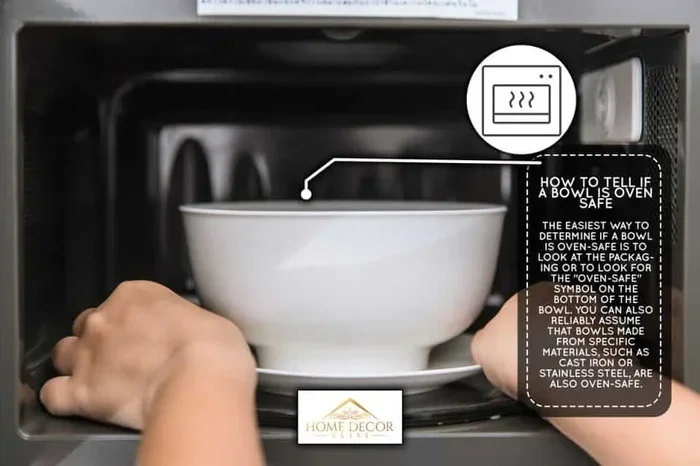
The easiest way to tell is to look for the oven-safe symbol on the bottom of the bowl. It usually looks like a small oven icon with wavy lines inside. You can also check the product packaging or the Anchor website for specific product details. If there is no oven-safe marking, do not assume the bowl can handle oven heat, as this could lead to breakage and potential injury.
Can Anchor Bowls Go From the Oven to the Table?
Yes, one of the great advantages of Anchor stoneware bowls is that they are oven-to-table safe. This means you can bake a dish in the bowl and serve it directly at the table without transferring it to another dish. Just be sure to use a trivet or oven mitt when placing the hot bowl on a table surface to protect your furniture from heat damage and keep your dining area safe.
Do Anchor Bowls Need to Be Seasoned Before Oven Use?
Unlike cast iron cookware, Anchor bowls do not need to be seasoned before oven use. They are ready to go straight out of the box for baking and cooking. However, for the best baking results, you can lightly grease the inside of the bowl with cooking spray or butter to prevent food from sticking. This simple step makes cleanup much easier after you have finished oven baking your favorite recipes.