Can You Cook Noodles In Oven With These Easy Methods
Can You Cook Noodles In Oven? Absolutely! This guide covers simple and proven methods for oven-baked pasta and baked noodle casserole dishes. You will learn step-by-step techniques, helpful oven noodle tips, and delicious recipes that make cooking pasta in oven a breeze. Whether you are avoiding the stove or just want a hands-off approach, these methods deliver perfect oven cooked noodles every time.
Can You Cook Noodles In Oven? The short answer is yes, and it is easier than you might think. Many home cooks are surprised to learn that you do not always need a stovetop to make delicious noodle dishes. Whether you are camping, short on time, or simply curious, the oven can become your best kitchen tool for cooking pasta. This guide walks you through every method, tip, and recipe you need to know. By the end, you will feel confident enough to try oven-baked pasta on your own. Let us dive in and explore how simple this process really is.
Cooking noodles in the oven has grown in popularity over the last few years. More people are looking for how to cook noodles without stove options that still taste amazing. Oven-baked noodle dishes offer a hands-off approach that frees up your burner for other tasks. They also allow for even cooking and beautiful browning on top. Baked noodle casserole recipes have become a staple for busy families and meal preppers alike. The beauty of this method lies in its simplicity and flexibility. You can use almost any type of noodle, sauce, or add-in you already have on hand.
So why should you consider baking noodles in oven instead of the traditional boiling method? For one, it reduces cleanup significantly. You assemble everything in one dish and let the oven work its magic. Two, oven-baked noodles tend to absorb flavors more deeply because they cook slowly in liquid and sauce. Three, it opens up a whole world of oven pasta bake recipes that are perfect for feeding a crowd. Now that you know the basics, let us look at exactly how noodles behave inside an oven.
Key Takeaways
- Yes, you can cook noodles in the oven: Both no-boil and pre-boiled methods work great for making delicious baked noodle dishes at home.
- The no-boil method saves time: You can skip the stovetop entirely and let the oven do all the work with the right liquid ratio.
- Pre-boiling gives better texture: If you prefer firm, evenly cooked noodles, a quick boil before baking is the way to go.
- Baked mac and cheese and oven lasagna are popular picks: These classic recipes shine when made in the oven with minimal effort.
- Common mistakes ruin oven noodles: Too little liquid, wrong temperature, or overcooking can lead to dry, crunchy results.
- Oven-baked pasta offers hands-off convenience: Once assembled, you can focus on other tasks while the oven does the cooking.
- Experiment with flavors and add-ins: Cheese, vegetables, and seasonings take your homemade baked noodles to the next level.
📑 Table of Contents
Understanding How Noodles Cook in an Oven
What Happens When You Put Noodles in the Oven?
When raw noodles go into a hot oven, they cook through a process very different from boiling. In boiling water, heat transfers quickly and evenly around each noodle. In an oven, the heat surrounds the dish from all sides, and the noodles cook through the liquid they sit in. The dry heat also causes the top layer to brown and form a slightly crispy crust. This is why many people love the golden finish on a baked mac and cheese or oven lasagna. The noodles absorb the surrounding liquid as they cook, which means the ratio of liquid to noodles matters a lot. Too little liquid and your noodles will come out dry and stiff. Too much and they might turn mushy. Understanding this balance is the key to great oven cooked pasta every single time.
Do You Need to Boil Noodles Before Baking?
This is one of the most common questions people ask about cooking pasta in oven. The answer depends on the method you choose. Some recipes call for fully boiling noodles first, while others let you go straight from dry to oven. The no-boil noodles oven method has become very popular because it saves time and reduces cleanup. However, pre-boiling gives you more control over the texture of your noodles. If you are a beginner, starting with the pre-boiled method is a smart choice. It helps you understand how much liquid your dish needs before you try the no-boil approach. Both methods produce wonderful results when done correctly.
Best Methods to Cook Noodles in the Oven
There are three main approaches to making oven-baked noodle dishes. Each method has its own advantages depending on your time, tools, and preferences. Let us break them down so you can pick the one that works best for you.
The No-Boil Method for Oven Noodles
The no-boil method is the simplest way to cook noodles in oven. You place dry noodles directly into a baking dish, add your sauce and liquid, and put the whole thing in the oven. The noodles absorb the liquid as they bake and cook through completely. This method works best with thin noodles like spaghetti, angel hair, or thin lasagna sheets. Thick noodles may not cook evenly without pre-boiling. When using this method, make sure you use enough liquid. A good rule of thumb is to use about one and a half cups of liquid for every serving of dry noodles. Cover the dish with foil for the first half of baking to trap moisture and help the noodles cook through. Then remove the foil for the last fifteen to twenty minutes to let the top brown and crisp up.
The Pre-Boiled Method
The pre-boiled method is the most traditional approach to oven cooked spaghetti and other noodle dishes. You boil the noodles on the stove until they are about eighty percent cooked, then transfer them to a baking dish with sauce. This gives you the most control over noodle texture. The noodles finish cooking in the oven while absorbing all the flavors of your sauce and cheese. This method works well with any noodle shape or thickness. It is especially great for baked ziti, oven baked pasta recipe dishes, and layered casseroles. The only downside is the extra step of boiling, which adds a few minutes to your prep time. But for many cooks, that extra step is worth the superior texture and flavor.
The One-Pot Oven Method
The one-pot oven method is a newer approach that has gained a lot of fans. You combine raw noodles, vegetables, protein, broth, and seasonings directly into a single baking dish. Everything cooks together in the oven, and you end up with a complete meal in one pan. This method is perfect for one-pot oven noodles and is a dream for cleanup. It works best with no-boil or thin noodles that can absorb a lot of liquid. Add-ins like chicken, mushrooms, spinach, and bell peppers work wonderfully in this style. The key is to make sure there is enough broth or sauce to cook the noodles fully. This method is ideal for weeknight dinners when you want something warm and satisfying with minimal effort.
| Method | Prep Time | Best For | Texture Control |
|---|---|---|---|
| No-Boil Method | Low | Quick weeknight meals | Moderate |
| Pre-Boiled Method | Medium | Superior texture and flavor | High |
| One-Pot Oven Method | Low | Complete meals with minimal cleanup | Moderate |
Step-by-Step Guide to Oven-Baked Noodles
What You Will Need
Before you start baking noodles in oven, gather your tools and ingredients. You will need a baking dish that is deep enough to hold your noodles and sauce comfortably. A 9×13 inch dish works for most recipes. You will also need aluminum foil to trap moisture during the first phase of baking. Here is a quick list of what you typically need:
- Noodles: Any type works, but thin noodles are best for the no-boil method.
- Sauce: Marinara, alfredo, cheese sauce, or even a simple broth base.
- Liquid: Water, broth, or extra sauce to help the noodles cook through.
- Cheese: Shredded mozzarella, parmesan, or cheddar for topping and filling.
- Seasonings: Salt, pepper, garlic, herbs, and any spices your recipe calls for.
- Add-ins: Vegetables, cooked meat, or legumes for extra flavor and nutrition.
The Process Step by Step
Now let us walk through the actual process of making homemade baked noodles. Follow these steps for consistently great results every time.
- Preheat your oven to 375°F (190°C). This is the sweet spot for most oven noodle recipes. It allows the noodles to cook evenly without drying out too quickly.
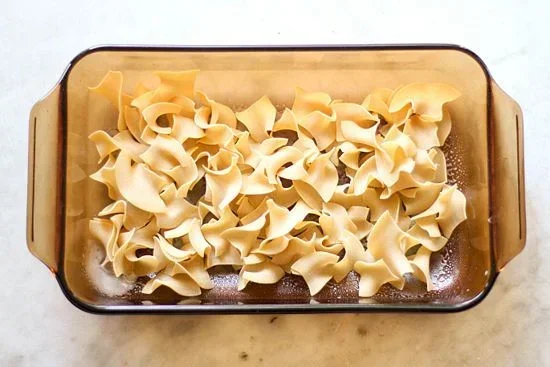
- Prepare your baking dish. Lightly grease it with oil or butter to prevent sticking. If you are using the no-boil method, spread your dry noodles flat in the bottom of the dish.
- Add your sauce and liquid. Pour the sauce over the noodles and add enough liquid to cover them by about a quarter inch. For the pre-boiled method, lay your partially cooked noodles in the dish first.
- Add your extras. Sprinkle in cheese, vegetables, or protein at this stage. Layer them evenly so every bite has a good mix of flavors.
- Cover with foil and place the dish in the oven. Bake for about twenty-five to thirty minutes. The foil traps steam and helps the noodles cook through gently.
- Remove the foil and bake for an additional fifteen to twenty minutes. This lets the top brown and the excess liquid evaporate.
- Check for doneness. The noodles should be tender and the top should be golden and bubbly. Let the dish rest for five minutes before serving.
Following these steps ensures your oven-baked noodle dish turns out perfectly every time. The resting period is important because it lets the noodles set and makes serving much easier. You can also refrigerate leftovers and reheat them in the oven for a quick meal the next day.
Popular Oven Noodle Recipes to Try
Once you understand the basics, the fun part begins: choosing what to make. There are countless oven noodle recipes out there, but some classics stand out. Here are three popular options that are perfect for beginners and experienced cooks alike.
Baked Mac and Cheese
Baked mac and cheese is perhaps the most beloved oven cooked noodle dish of all time. It is creamy, cheesy, and incredibly comforting. To make it, you start with a simple cheese sauce made from butter, flour, milk, and shredded cheese. You mix cooked or no-boil macaroni noodles into the sauce, pour everything into a baking dish, top with extra cheese and breadcrumbs, and bake until golden. The oven gives the top layer a crispy texture that stovetop mac and cheese simply cannot match. This dish is a hit at potlucks, family dinners, and weeknight meals. It is also very customizable. Add broccoli, bacon, or spicy peppers to make it your own.
Oven Lasagna
Oven lasagna is a showstopper that impresses everyone at the table. The beauty of making lasagna in the oven is that you can assemble it ahead of time and bake it when you are ready. Layer your lasagna noodles with meat sauce, ricotta, mozzarella, and parmesan. Add enough sauce between the layers so the noodles stay moist as they bake. Cover with foil for the first thirty minutes, then uncover for the last fifteen to get that perfect bubbly, golden top. Lasagna noodles in oven cook beautifully because the long baking time allows all the flavors to meld together. Make extra because this dish is perfect for leftovers throughout the week.
One-Pot Baked Noodle Casserole
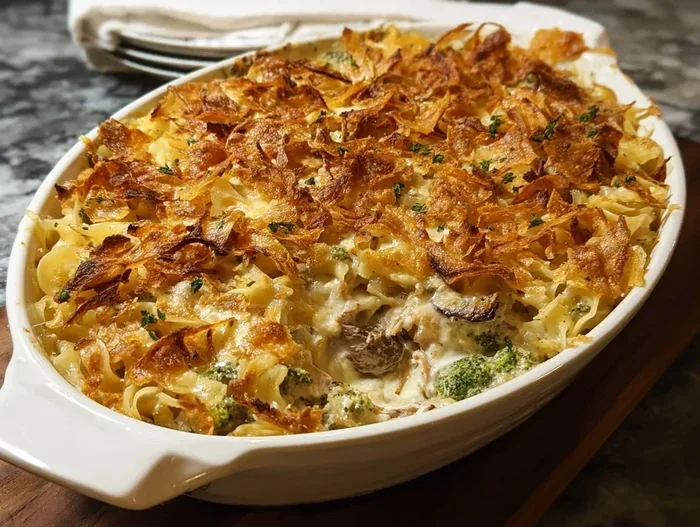
A one-pot baked noodle casserole is the ultimate convenience meal. You toss everything into a single baking dish and let the oven handle the rest. Start with raw noodles, add canned soup or broth, mix in frozen vegetables and cooked chicken, season generously, and top with cheese. Bake covered for thirty minutes, then uncover for another fifteen. The result is a complete, hearty meal with almost no cleanup. This method is perfect for busy evenings when you want something warm and filling without spending hours in the kitchen. Try using egg noodles for a richer flavor or whole wheat noodles for a healthier twist.
Tips and Tricks for Perfect Oven Noodles
Common Mistakes to Avoid
Even though cooking noodles in the oven is straightforward, a few common mistakes can ruin your results. Being aware of these pitfalls helps you avoid them and serves up perfect baked noodle casserole dishes every time.
- Not using enough liquid: This is the number one mistake. Oven noodles need more liquid than you think because the oven dries things out faster than a stovetop. Always err on the side of extra sauce or broth.
- Overcrowding the dish: A cramped baking dish leads to uneven cooking. Give your noodles room to expand and absorb liquid properly.
- Skipping the cover: Baking without foil for the first half means your noodles may dry out before they cook through. Always cover them initially.
- Using the wrong noodle type: Very thick or fresh noodles may not cook evenly in the oven without pre-boiling. Stick to thin or standard dried noodles for best results.
- Opening the oven too often: Every time you open the door, heat escapes and your cooking time increases. Trust the process and peek only when necessary.
Expert Tips for Better Results
Want to take your oven baked noodle dish from good to great? These expert tips make a noticeable difference.
- Use broth instead of water: It adds depth of flavor that plain water simply cannot match. Chicken or vegetable broth works wonderfully for most recipes.
- Season between layers: Do not just season the top. Sprinkle salt, pepper, and herbs between each layer for balanced flavor throughout.
- Let it rest before serving: Giving your oven pasta bake five to ten minutes to settle makes it easier to cut and serve clean portions.
- Add cheese at two stages: Mix some cheese into the filling and sprinkle extra on top. This creates a gooey interior and a deliciously crispy crust.
- Make extra for leftovers: Oven-baked noodles taste even better the next day as the flavors continue to develop. Store in airtight containers and reheat in the oven for best results.
Is Cooking Noodles in the Oven Worth It?
After exploring all the methods, recipes, and tips, the big question remains: is baking noodles in oven worth your time? The answer is a resounding yes. Oven-baked noodle dishes offer unmatched convenience, deeper flavors, and beautiful presentation. They free up your stovetop, reduce your cleanup, and deliver consistently great results. Whether you are making a quick baked mac and cheese on a Tuesday night or assembling a layered lasagna for a weekend gathering, the oven handles everything beautifully. The no-boil noodles oven method alone is a game-changer for anyone who wants homemade pasta without the extra step. Once you try these methods, you will likely find yourself reaching for the oven instead of the stove more often than you expect.
Can You Cook Noodles In Oven with these easy methods? Yes, and now you have all the knowledge to do it confidently. Start with a simple recipe, follow the steps, and experiment with your favorite flavors. Soon, oven cooked pasta will become a regular part of your cooking routine. The flexibility of oven-baked noodle dishes means there is always a new recipe to try and a new combination of flavors to explore. Gather your ingredients, preheat your oven, and enjoy the process of creating something warm, delicious, and entirely your own.
Frequently Asked Questions
Can you put raw noodles directly in the oven?
Yes, you can put raw noodles directly in the oven using the no-boil method. Just make sure you use enough liquid, such as sauce or broth, to fully cover the noodles. The noodles will absorb the liquid and cook through as they bake. Thin noodles work best for this method because they cook more evenly without pre-boiling.
What temperature should you bake noodles at?
The ideal temperature for baking noodles in the oven is 375°F (190°C). This temperature allows the noodles to cook evenly while the top layer browns and becomes slightly crispy. You can adjust the temperature slightly depending on your specific recipe, but 375°F is a reliable starting point for most oven noodle dishes.
How long does it take to cook noodles in the oven?
Most oven-baked noodle dishes take between 35 and 45 minutes total. The first half is usually covered with foil to trap moisture, and the second half is uncovered to allow the top to brown. Thicker dishes like lasagna may take closer to 45 minutes, while simpler casseroles can be done in about 30 minutes.
Do you need to boil noodles before putting them in the oven?
You do not need to boil noodles before putting them in the oven if you are using the no-boil method. However, pre-boiling noodles for a few minutes gives you more control over their texture and works better with thicker noodle varieties. For beginners, the pre-boiled method is recommended because it is more forgiving.
What is the best type of noodle for oven baking?
Thin dried noodles like spaghetti, angel hair, or standard lasagna sheets work best for oven baking. They absorb liquid evenly and cook through without falling apart. Egg noodles are also excellent for oven casseroles because they hold their shape well and have a rich flavor. Avoid very thick fresh noodles unless you pre-boil them first.
Can you make oven-baked noodles ahead of time?
Absolutely. Many oven-baked noodle dishes taste even better when made ahead of time. You can assemble the dish, cover it tightly, and refrigerate it for up to 24 hours before baking. If baking from cold, you may need to add a few extra minutes to the cooking time. Leftover baked noodles also reheat well in the oven at 350°F for about 15 minutes.
=== CONCLUSION ===
Can You Cook Noodles In Oven with confidence and ease? Yes, and now you have all the tools to do it successfully. From the simple no-boil method to the hands-on pre-boiled approach, there is an oven noodle technique for every lifestyle and skill level. Whether you are making a quick baked mac and cheese, a layered oven lasagna, or a hearty one-pot casserole, the oven delivers consistent and delicious results every time.
Remember to use enough liquid, cover your dish initially, and let it rest before serving. These small steps make a big difference in the final texture and flavor of your oven-baked pasta. Start with one of the recipes shared in this guide, and soon you will be creating your own homemade baked noodles with confidence. The oven is a powerful and underrated tool for cooking pasta, and now you know exactly how to use it to its full potential.