What Temp To Cook Beef Ribs In Oven For Perfect Results
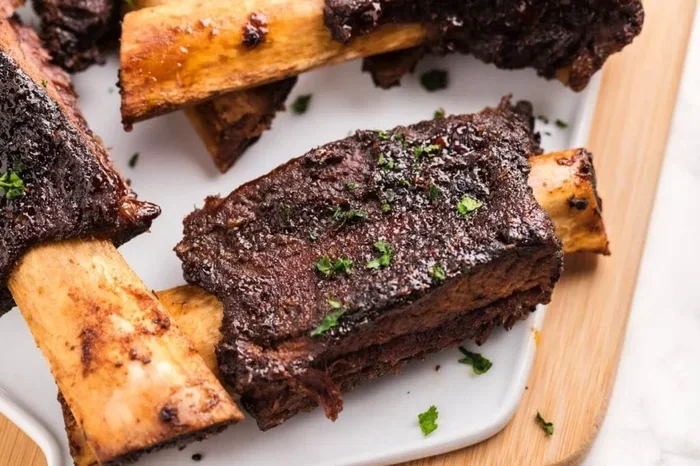
Learning what temp to cook beef ribs in oven is the key to achieving fall-off-the-bone tenderness and rich, deep flavor every single time. The ideal temperature range is between 275°F and 325°F, depending on the cut and your preferred texture. Whether you are cooking beef back ribs or short ribs, this guide covers everything you need to know for perfect oven-baked ribs that will impress your family and friends.
There is nothing quite like a rack of beef ribs coming out of the oven. The meat is tender, juicy, and packed with flavor. But getting those results consistently? That takes knowing the right temperature, timing, and technique. Many home cooks wonder about the best temp to cook beef ribs in oven, and the answer is simpler than you might think.
In this guide, we will walk you through everything you need to know. From choosing the right cut to setting your oven temperature, we have got you covered. Whether you are a beginner or a seasoned cook, these tips will help you make restaurant-quality beef ribs right in your own kitchen.
Key Takeaways
- Low and slow is the way to go: Cooking beef ribs at 275°F to 325°F delivers the best tenderness and flavor.
- Internal temperature matters most: Aim for 200°F to 205°F for perfectly tender beef ribs.
- Cooking time varies by cut: Beef back ribs take 3 to 4 hours, while short ribs may need 4 to 6 hours.
- Resting is essential: Let your ribs rest for at least 15 to 20 minutes before slicing.
- Use a meat thermometer: Never guess the doneness — a reliable thermometer removes all the guesswork.
- Wrapping in foil speeds things up: The foil wrap method helps retain moisture and accelerates cooking.
- Season generously: A good dry rub or marinade transforms ordinary beef ribs into something extraordinary.
📑 Table of Contents
- The Best Temperature To Cook Beef Ribs In Oven
- How Long To Cook Beef Ribs In The Oven
- Step-by-Step Guide To Cooking Beef Ribs In The Oven
- Choosing The Right Cut Of Beef Ribs
- Tips For Perfectly Tender Oven Beef Ribs
- Common Mistakes To Avoid When Cooking Beef Ribs
- Expert Insights On Oven-Baked Beef Ribs
- Frequently Asked Questions
- Conclusion
The Best Temperature To Cook Beef Ribs In Oven
The ideal oven temperature for beef ribs falls between 275°F and 325°F. This range is often called the “low and slow” method. It allows the collagen in the meat to break down slowly, which creates that melt-in-your-mouth texture we all love.
Most pitmasters and chefs agree that 300°F is the sweet spot. At this temperature, the ribs cook evenly, the fat renders properly, and the meat stays moist throughout the entire process. Going too high can dry out the ribs, while going too low can make the cook time unnecessarily long.
Why Low and Slow Works So Well
Beef ribs are different from pork ribs. They are thicker, have more connective tissue, and contain more collagen. This is why low and slow oven-baked ribs work so well. The gentle heat gives the collagen time to convert into gelatin. Gelatin is what gives ribs that silky, tender bite.
If you crank the oven up to 400°F or higher, the outside of the ribs will burn before the inside has a chance to tenderize. That is why patience is so important when you are making oven-braised ribs. The slow cook is not a drawback — it is the secret to incredible flavor.
Temperature Guide By Cut
Not all beef ribs are the same. The two most common types are beef back ribs and beef short ribs. Each one responds a little differently to heat, so let us break it down.
- Beef back ribs: These are the long, curved ribs from the cow’s upper back. They cook best at 300°F to 325°F and take about 3 to 4 hours.
- Beef short ribs: These are shorter, fattier, and more compact. They do wonderfully at 275°F to 300°F and need 4 to 6 hours.
- Boneless beef ribs: These cook faster, usually around 300°F for 2.5 to 3.5 hours.
No matter which cut you choose, always use a meat thermometer to check the internal temperature. The target is between 200°F and 205°F for fully tender ribs.
How Long To Cook Beef Ribs In The Oven
Time and temperature go hand in hand. Once you know your oven temp for beef ribs, the next question is always about cook time. The answer depends on several factors, including the cut, the thickness of the meat, and whether you are using a bone-in or boneless version.
General Time Guidelines
Here is a quick overview of expected cooking times at 300°F, which is the most commonly recommended temperature:
- Beef back ribs (bone-in): 3 to 4 hours
- Beef short ribs (bone-in): 4 to 6 hours
- Boneless beef ribs: 2.5 to 3.5 hours
- Thick-cut short ribs: 5 to 7 hours
These times are estimates. The real indicator of doneness is the internal temperature and how the meat feels. When the ribs are ready, the meat should pull back from the bone by about a quarter inch. You should be able to insert a fork and twist easily, and the meat should feel tender and almost falling apart.
The Foil Wrap Method
Many experienced cooks use the foil wrap method to speed up cooking and keep moisture locked in. After the ribs have been in the oven for about two hours, you wrap them tightly in heavy-duty aluminum foil. This creates a steamy environment that helps the meat cook faster and stay juicy.
Some people add a splash of beef broth, apple cider vinegar, or even a little barbecue sauce inside the foil before wrapping. This adds extra flavor and moisture. Once the ribs reach an internal temperature of about 190°F, you can unwrap them and let them finish cooking uncovered. This gives the outside a nice slightly caramelized texture.
Step-by-Step Guide To Cooking Beef Ribs In The Oven
Now that you know the temperature and timing, let us walk through the actual process step by step. Following these steps will help you achieve perfectly cooked oven beef ribs every time.
Step 1: Prep the Ribs
Start by removing the membrane from the back of the ribs. This thin, translucent layer can be tough and chewy. Use a butter knife to loosen it at one edge, then grab it with a paper towel and pull it off. It is a small step that makes a big difference.
Next, pat the ribs dry with paper towels. This helps the dry rub stick better and creates a better bark on the outside.
Step 2: Season Generously
A good beef rib seasoning is essential. You can use a store-bought rub or make your own. A simple blend of smoked paprika, garlic powder, onion powder, brown sugar, salt, black pepper, and a touch of cayenne works beautifully.
Rub the seasoning all over the ribs, pressing it into the meat. For the best results, let the seasoned ribs sit in the refrigerator for at least one hour or overnight. This gives the flavors time to penetrate the meat deeply.
Step 3: Preheat and Set Up
Preheat your oven to 300°F. Place a roasting pan or baking dish on the center rack. You can add a small amount of liquid to the bottom of the pan — beef broth, apple juice, or water all work well. This creates steam and keeps the oven environment moist.
Place the ribs in the pan with the meat side facing up. If you are using the foil wrap method, have a large sheet of heavy-duty foil ready.
Step 4: Cook and Monitor
Put the ribs in the oven and set a timer. After about two hours, check the internal temperature. If you are using the foil method, wrap the ribs tightly now. Continue cooking until the internal temperature reaches 200°F to 205°F.
Resist the urge to open the oven door too often. Every time you open the door, heat escapes, and your cooking time increases. Trust the process and let the oven do its work.
Step 5: Glaze and Finish
Once the ribs reach the target internal temperature, remove them from the oven. If you want a glazed finish, brush on a layer of barbecue sauce or a homemade glaze during the last 20 to 30 minutes of cooking. This adds a beautiful sticky, sweet exterior.
Remove the ribs from the oven and let them rest for at least 15 to 20 minutes before cutting. Resting allows the juices to redistribute throughout the meat, which makes every bite more flavorful.
Choosing The Right Cut Of Beef Ribs
Not all beef ribs are created equal, and choosing the right cut can make or break your dish. Understanding the differences helps you pick the best option for your oven-baked ribs recipe.
Beef Back Ribs
Beef back ribs come from the cow’s upper back, near the ribeye section. They are long, curved, and have a good amount of meat between the bones. These ribs are great for oven cooking because they respond well to low and slow heat. They are the most common type found in grocery stores.
Look for ribs with a good layer of fat and meat that is evenly distributed. Avoid ribs that look dry or have very little meat between the bones.
Beef Short Ribs
Beef short ribs come from the lower chest area. They are shorter, thicker, and fattier than back ribs. They are incredibly rich and flavorful, making them a favorite for braised beef ribs. You can cook them as a single piece or cut them into individual portions.
Short ribs are perfect for those who love super tender, almost pot-roast-like texture. They take longer to cook but are absolutely worth the wait.
Boneless vs. Bone-In
Both boneless and bone-in beef ribs work well in the oven. Bone-in ribs tend to have more flavor because the bone adds richness to the meat during cooking. Boneless ribs are easier to slice and serve, and they cook a bit faster.
Choose based on your preference and what is available at your local butcher or grocery store. Both options will deliver delicious results when cooked at the right beef rib oven temperature.
Tips For Perfectly Tender Oven Beef Ribs
Even when you know the right temperature, small details can make a big difference. Here are some expert tips to help you get the best results every time.
- Use a reliable meat thermometer: This is the single most important tool for cooking beef ribs. It takes the guesswork out of the process and ensures perfectly cooked meat every time.
- Do not skip the resting step: Resting the ribs for 15 to 20 minutes after cooking allows the juices to settle. Cutting too early releases all those juices onto the cutting board instead of keeping them in the meat.
- Add liquid to the pan: A small amount of beef broth, wine, or juice in the bottom of the pan keeps the oven environment moist and adds subtle flavor.
- Experiment with rubs: Try different seasoning blends to find your favorite. Coffee-based rubs, brown sugar rubs, and spicy chili rubs all pair wonderfully with beef ribs.
- Let the ribs come to room temperature: Taking the ribs out of the refrigerator about 30 minutes before cooking helps them cook more evenly.
- Keep the oven door closed: Opening the door frequently drops the oven temperature and extends cooking time. Trust your thermometer and let the ribs cook undisturbed.
Common Mistakes To Avoid When Cooking Beef Ribs
Even experienced cooks can make mistakes. Being aware of common pitfalls helps you avoid them and achieve better results with your beef rib cooking adventures.
Cooking at Too High a Temperature
This is the most common mistake. Some people set the oven to 375°F or 400°F thinking it will save time. The problem is that high heat dries out the ribs before the collagen has a chance to break down. The result is tough, chewy meat instead of tender, juicy ribs.
Stick to the 275°F to 325°F range and be patient. The extra time is what creates the incredible texture.
Not Using a Meat Thermometer
Guessing when ribs are done is a recipe for disappointment. Without a meat thermometer, you might either undercook or overcook the ribs. The target internal temperature of 200°F to 205°F is the gold standard for tender beef ribs.
Skipping the Resting Period
Cutting into ribs the moment they come out of the oven is tempting, but it is a mistake. The resting period is crucial for juicy, flavorful meat. Be patient and let the ribs rest for at least 15 minutes.
Using Too Much Sauce Too Early
Applying barbecue sauce too early in the cooking process can cause it to burn. Sugar in the sauce caramelizes and then scorches at high temperatures. Always add sauce in the last 20 to 30 minutes of cooking, or serve it on the side.
Expert Insights On Oven-Baked Beef Ribs
Professional chefs and competitive barbecue cooks share a common philosophy when it comes to beef ribs in the oven: patience and precision. The best ribs are not rushed. They are given the time and gentle heat needed to transform tough cuts into something extraordinary.
Many experts recommend the “3-2-1 method” for ribs, but that is more commonly used for pork ribs. For beef ribs, a simpler approach works best: low temperature, consistent heat, and a reliable thermometer. The beef rib oven temperature of 300°F with a cook time of 3 to 6 hours (depending on the cut) is the foundation of great results.
Chef insights also highlight the importance of the Maillard reaction — the browning that happens when proteins and sugars in the meat are exposed to heat. This is why letting the ribs cook uncovered for the last portion of the cooking time creates such a flavorful exterior. The combination of a well-seasoned crust and tender, juicy interior is what makes oven beef ribs truly special.
Another expert tip is to let the ribs finish on a warm holding setting or in a cooler with towels if you are cooking for a crowd. This keeps them warm and tender without overcooking them while you prepare sides and set the table.
Frequently Asked Questions
What is the best temperature to cook beef ribs in the oven?
The best temp to cook beef ribs in oven is between 275°F and 325°F, with 300°F being the most popular choice. This low and slow approach allows the collagen to break down properly, resulting in tender, juicy ribs with rich flavor. Avoid higher temperatures, as they can dry out the meat before it has a chance to become tender.
How long does it take to cook beef ribs in the oven at 300°F?
At 300°F, beef back ribs typically take 3 to 4 hours, while beef short ribs may need 4 to 6 hours. The exact time depends on the thickness of the meat, whether the ribs are bone-in or boneless, and your desired level of tenderness. Always use a meat thermometer and aim for an internal temperature of 200°F to 205°F.
Should I wrap beef ribs in foil while cooking?
Wrapping beef ribs in foil, often called the “Texas crutch,” is a popular technique that speeds up cooking and keeps the meat moist. After about two hours of uncovered cooking, wrap the ribs tightly in foil and continue cooking until they reach the target internal temperature. Unwrapping them for the last 30 minutes allows the exterior to develop a nice texture.
Can I cook beef ribs at 350°F in the oven?
You can cook beef ribs at 350°F, but it is not the ideal temperature. Higher temperatures cook the ribs faster but can result in drier, tougher meat. The low and slow method between 275°F and 325°F is recommended for the best texture and flavor. If you must cook at 350°F, reduce the cook time and monitor the internal temperature closely.
How do I know when beef ribs are done in the oven?
The best way to tell is by using a meat thermometer. When the internal temperature reaches 200°F to 205°F, the ribs are done. You can also check by inserting a fork into the thickest part of the meat. If it twists easily and the meat feels tender and starts to pull away from the bone, your ribs are ready. The meat should feel soft and almost falling apart.
What is the difference between beef back ribs and beef short ribs for oven cooking?
Beef back ribs come from the upper back and are longer with less meat between the bones. They cook faster, usually in 3 to 4 hours at 300°F. Beef short ribs come from the lower chest area and are shorter, thicker, and fattier. They take longer to cook, usually 4 to 6 hours, but become incredibly tender and rich. Both cuts are excellent for oven cooking when you use the right temperature and timing.
Conclusion
Cooking beef ribs in the oven is one of the most rewarding things you can do in the kitchen. The best temp to cook beef ribs in oven is between 275°F and 325°F, with 300°F being the gold standard. This low and slow approach transforms tough cuts into tender, juicy, flavor-packed ribs that everyone will love.
Remember to use a meat thermometer, be patient, and give your ribs the time they need. Whether you are cooking beef back ribs or short ribs, following the steps in this guide will help you achieve perfect results every single time. The key is to keep the heat low, the cook time steady, and the seasoning generous.
Now that you know exactly what temp to cook beef ribs in oven, it is time to put this knowledge to work. Fire up your oven, grab your favorite cut of beef ribs, and get ready to enjoy some of the most delicious ribs you have ever made. Your family and guests will be asking for seconds — and maybe even thirds.