How To Clean Gas Oven Bottom The Easy And Quick Way
Learning how to clean gas oven bottom is simpler than you think. This guide shows you the fastest and most effective methods using common household items like baking soda, vinegar, and dish soap. You will save money, avoid harsh chemicals, and get sparkling results in under an hour.
Your gas oven works hard every day. It bakes your favorite meals, roasts Sunday dinners, and keeps your family fed. But over time, the bottom of your oven collects grease, food spills, and burnt-on messes. Learning how to clean gas oven bottom the right way saves you from tough scrubbing later. This guide walks you through every step with simple, proven methods that really work.
You do not need expensive store-bought products to get the job done. Most people already have the tools in their kitchen pantry. Baking soda, white vinegar, warm water, and a soft cloth can transform a filthy oven into a clean one. We will show you exactly what to do, what to avoid, and how to keep your oven spotless going forward.
Whether your oven floor has light grime or thick layers of baked-on grease, this article covers it all. You will find practical tips, quick fixes, and long-term strategies. By the end, you will feel confident tackling any oven mess. Let us get started.
Key Takeaways
- Baking soda and vinegar are the most effective and affordable cleaning duo for oven grease.
- Regular maintenance prevents heavy build-up and makes future cleaning much easier.
- Never use steel wool or abrasive pads on porcelain or glass oven surfaces.
- Soak oven racks separately for the best cleaning results.
- Natural oven cleaners are safer for your family and the environment.
- Cleaning after every use takes only minutes and keeps your oven performing well.
📑 Table of Contents
- Why Your Gas Oven Bottom Gets So Dirty
- What You Need Before You Start
- Step-by-Step Guide To Clean Gas Oven Bottom
- Natural Cleaning Solutions That Actually Work
- How To Handle Stubborn Grease And Burnt-On Food
- Preventive Tips To Keep Your Oven Bottom Clean
- How Often Should You Deep Clean Your Gas Oven
- Common Mistakes People Make When Cleaning Their Oven
- Expert Insights: Professional Tips for a Spotless Oven
- Frequently Asked Questions
- Conclusion
Why Your Gas Oven Bottom Gets So Dirty
Understanding why your oven gets dirty helps you clean it better and prevent future messes. Gas ovens produce moisture as they cook. This moisture mixes with fats and food particles, creating a sticky residue on the oven floor. Over weeks and months, this residue hardens into tough, blackened spots.
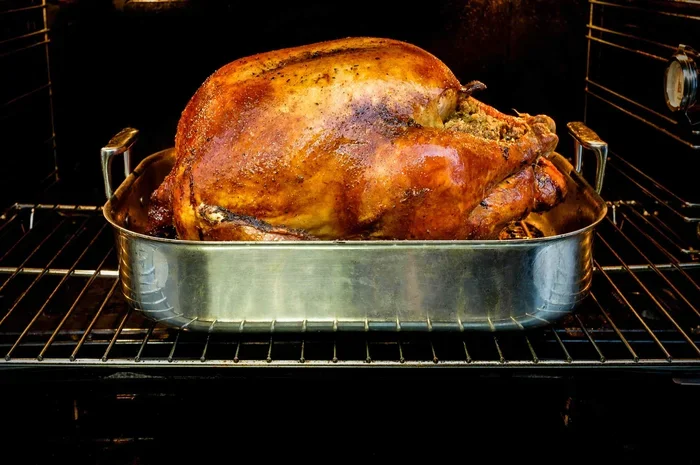
When you cook foods that drip grease, like chicken or burgers, the fat splashes onto the bottom. The heat then bakes it onto the surface. This is called baked-on grease, and it is the number one enemy of a clean oven. The longer you wait to address it, the harder it becomes to remove.
Another factor is the oven bottom tray or liner. Many ovens have a removable pan at the base. This pan catches drips, but it also fills up with grease over time. If you do not clean it regularly, the buildup can cause smoke and unpleasant odors while you cook.
The Role of Grease Build-Up
Grease build-up is not just a cosmetic problem. It affects how your oven performs. A thick layer of grime acts as insulation, which can make your oven heat unevenly. It may also create smoke that affects the taste of your food. Regular oven maintenance tips keep your appliance running efficiently and your food tasting great.
Common Mistakes That Make It Worse
Many people make simple mistakes that worsen oven dirt. Using the wrong cleaner can damage the interior surface. Scrubbing too hard with abrasive tools scratches porcelain and glass. And ignoring small spills lets them bake on over time. We will cover the right way to handle all of this below.
What You Need Before You Start
Gathering your supplies before you begin makes the entire process smoother. You do not want to stop halfway through to find a sponge or a towel. Here is your complete checklist for a successful gas oven cleaning session.
Essential Cleaning Supplies
- Baking soda — your best friend for cutting through grease naturally
- White vinegar — helps dissolve residue and lifts loosened dirt
- Dish soap — a small amount adds cutting power to your cleaning solution
- Warm water — for mixing solutions and wiping surfaces
- Soft cloths or microfiber towels — safe for all oven surfaces
- Plastic scraper or spatula — for removing hardened debris gently
- Spray bottle — for applying your cleaning solution evenly
- Rubber gloves — protects your hands from grease and cleaning agents
Optional But Helpful Tools
- Oven-safe bowl for steam cleaning
- Old toothbrush for getting into corners and crevices
- Porcelain oven liner to protect the oven floor from future spills
- Commercial oven degreaser for heavy-duty jobs (use with caution)
Safety First
Before you start any cleaning, make sure your oven is completely cool. Never clean a warm oven. The cleaning solutions can react with heat, and you risk burns. Turn off the gas supply if you plan to remove the oven bottom tray. Safety always comes first when working with gas appliances.
Step-by-Step Guide To Clean Gas Oven Bottom
Now for the part you have been waiting for. This step-by-step process works for most gas ovens. It uses gentle, effective methods that protect your oven while delivering real results. Follow each step carefully for the best outcome.
Step One: Remove the Oven Bottom Tray
Open your oven and locate the bottom tray or drip pan. Pull it out slowly. Most trays slide out without any tools. If yours is stuck, check for clips or screws holding it in place. Set the tray aside on a protected surface like an old towel or newspaper.
This is the perfect time to inspect the oven floor. Look for any large food debris or hardened grease patches. Use a plastic scraper to knock off any loose chunks. Do not use metal tools, as they can scratch the oven surface.
Step Two: Make Your Cleaning Paste
In a bowl, mix about half a cup of baking soda with a few tablespoons of warm water. Stir until it forms a thick paste. The consistency should be like toothpaste. This baking soda oven paste is your primary cleaning agent. It is natural, safe, and incredibly effective at breaking down grease.
For extra cleaning power, add a few drops of dish soap to the paste. This combination tackles stubborn grime without the harsh fumes of chemical cleaners. Many people prefer this natural oven cleaner approach because it is safe around food preparation areas.
Step Three: Apply the Paste Generously
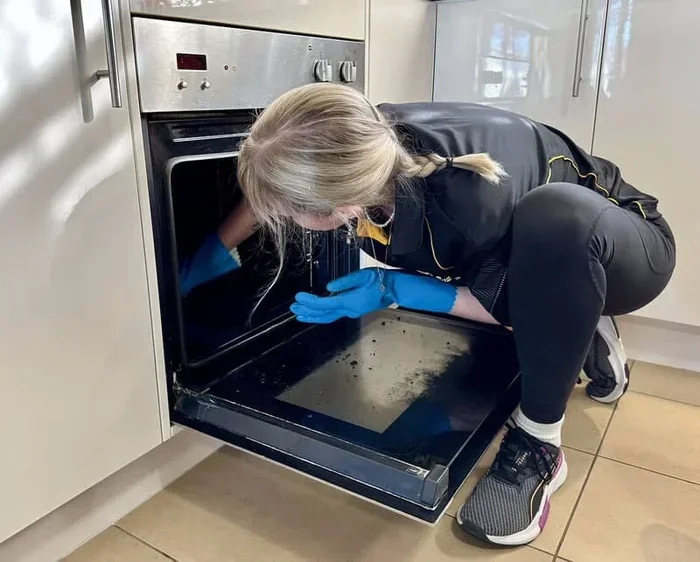
Put on your rubber gloves. Using your fingers or a spoon, spread the baking soda paste over the entire oven bottom. Focus on the areas with the most grease and burnt spots. Avoid the heating elements. Cover the surface evenly but do not make it too thin.
Let the paste sit for at least 30 minutes. For really tough messes, leave it on for a few hours or even overnight. The baking soda needs time to break down the baked-on residue. During this time, you can clean the oven racks or prepare your vinegar solution.
Step Four: Wipe Away the Paste
After the paste has had time to work, use a damp microfiber cloth to wipe it away. The grime should come off easily with the paste. For areas that are still sticky, apply more paste and let it sit a bit longer. Use an old toothbrush to reach tight corners and edges around the oven walls.
Rinse your cloth frequently and keep wiping until all the paste and loosened dirt are gone. You may need to rinse the cloth several times. This step alone can make a dramatic difference in how clean your oven looks.
Step Five: Use Vinegar for a Final Shine
Fill a spray bottle with white vinegar. Lightly mist the oven bottom where you still see baking soda residue. The vinegar will fizz and bubble, and this reaction helps lift any remaining dirt. The fizzing action is completely normal and shows you that the cleaning solution is working.
Wipe the entire surface with a clean, damp cloth. The oven bottom should now look significantly cleaner. For grease removal that is still incomplete, repeat the baking soda paste application once more. Most ovens respond well to two rounds of cleaning.
Step Six: Clean the Oven Bottom Tray Separately
Take the tray you removed earlier. Place it in a large sink or bathtub. Cover it with hot water and add a generous amount of dish soap. Let it soak for 20 to 30 minutes. The warm water softens the hardened grease, making it much easier to scrub away.
After soaking, use a non-abrasive sponge to scrub the tray. For really tough spots, apply a paste of baking soda and water directly to the problem areas. Let it sit for 10 minutes, then scrub again. Rinse the tray thoroughly and dry it completely before sliding it back into the oven.
Natural Cleaning Solutions That Actually Work
You do not have to rely on harsh chemical products to get a clean oven. Many natural oven cleaning solutions work just as well, if not better, than commercial options. They are safer for your home, your family, and the environment. Here are the most effective natural methods.
Baking Soda and Vinegar Method
This is the gold standard of natural oven cleaners. Baking soda is a gentle abrasive that cuts through grease. Vinegar is an acid that dissolves mineral deposits and loosens stuck-on food. Together, they create a powerful cleaning reaction without any toxic fumes. This method is perfect for routine oven interior cleaning and light to moderate grease.
Lemon and Steam Method
Cut two lemons in half and squeeze the juice into a bowl of water. Place the lemon halves in the bowl as well. Put the bowl on the lowest oven rack and heat the oven to 200 degrees Fahrenheit for 30 minutes. The steam loosens grime and leaves a fresh citrus scent. Afterward, wipe the oven interior with a damp cloth. This oven cleaning hack is perfect for light maintenance and deodorizing.
Dish Soap and Warm Water Solution
For everyday cleaning, a simple mixture of dish soap and warm water works wonders. Add a teaspoon of dish soap to a bowl of warm water. Dip a cloth in the solution and wipe down the oven bottom. This method works best when done frequently, before grease has a chance to build up. It is the easiest way to maintain a clean oven bottom between deeper cleanings.
When to Consider a Commercial Oven Cleaner
Sometimes, natural methods are not enough. If your oven has years of built-up grime, a commercial oven degreaser may be necessary. Choose a product that is safe for gas ovens and follow the manufacturer’s instructions carefully. Always ventilate your kitchen and wear gloves. Keep in mind that chemical cleaners should never come into contact with food surfaces, so rinse thoroughly after use.
How To Handle Stubborn Grease And Burnt-On Food
Some oven messes just refuse to budge with a basic cleaning. Thick layers of burnt grease and carbonized food need extra attention. Here is how to handle the toughest gas oven cleaning challenges without damaging your appliance.
The Steam Soak Technique
Bring a pot of water to a boil and place it on the lowest oven rack. Close the oven door and let the steam work for 20 to 30 minutes. The moisture softens even the hardest baked-on residue. Afterward, remove the pot carefully and use a plastic scraper to gently lift the loosened debris. Then apply your baking soda paste as described earlier. The steam pre-treatment makes the paste much more effective.
Using a Porcelain Oven Liner
If you find yourself cleaning the oven bottom frequently, consider investing in a porcelain oven liner. This thin, heat-resistant mat sits on the oven floor beneath your cooking trays. It catches drips and spills before they can bake onto the oven surface. Oven liners are inexpensive and make a huge difference in keeping your oven clean. They are one of the best oven maintenance tips for busy home cooks.
What Never To Do
There are certain things you should absolutely avoid when cleaning your oven. Never use steel wool, abrasive scrubbers, or harsh chemical scrapers. These tools scratch the oven’s protective coating and can cause permanent damage. Never spray oven cleaner while the oven is hot. And never mix different cleaning products, especially bleach and vinegar, as this can create dangerous fumes.
Preventive Tips To Keep Your Oven Bottom Clean
The best way to make cleaning your gas oven easy is to prevent heavy build-up in the first place. A few simple habits can save you hours of scrubbing. These preventive tips are quick, free, and require almost no effort.
Clean Spills Immediately
When food spills or grease splatters onto the oven floor, clean it up as soon as the oven cools down. Do not let spills sit and bake on. Even a quick wipe with a damp cloth after cooking can prevent the buildup that leads to tough, blackened spots. This single habit is the most effective oven maintenance tip you can adopt.
Use Foil or Oven Liners
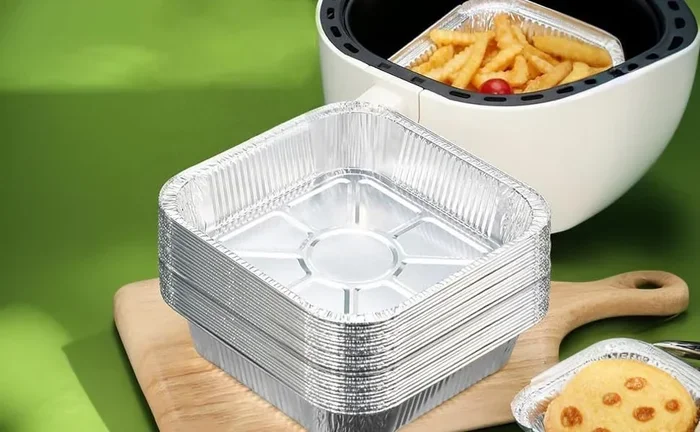
Place a sheet of aluminum foil or a silicone oven liner on the bottom rack when cooking messy foods like roasted vegetables or bacon. This catches drips and keeps the oven floor cleaner. Just make sure the foil does not touch the heating elements, as this can cause a fire hazard.
Schedule Regular Cleaning Sessions
Set a reminder to deep clean your oven every one to two months. Regular sessions take only 20 to 30 minutes and keep the oven in great shape. Waiting until the oven is visibly dirty makes the job much harder and longer. Consistent cleaning is the secret to a spotless oven that performs well for years.
Keep the Oven Bottom Tray Clean
Check and clean your oven bottom tray at least once a month. If you use a removable tray, empty and wipe it after heavy cooking sessions. A clean tray prevents grease from overflowing onto the oven floor and causing smoke or odors. This small routine goes a long way in maintaining a clean gas oven.
How Often Should You Deep Clean Your Gas Oven
The frequency of deep cleaning depends on how often you use your oven. For regular home cooks who use the oven several times a week, a deep clean every four to six weeks is ideal. Casual bakers can stretch this to every two to three months. The key is to stay consistent and not let grease accumulate beyond what a simple wipe-down can handle.
Pay attention to signs that your oven needs attention. If you notice smoke during cooking, unpleasant odors, or visible grease on the oven walls, it is time for a cleaning session. Addressing these issues promptly keeps your oven safe, efficient, and ready for your next meal.
Common Mistakes People Make When Cleaning Their Oven
Even well-meaning cleaners can make mistakes that damage their oven or reduce cleaning effectiveness. Avoid these common pitfalls to get the best results from your oven bottom cleaning routine.
- Using too much water — excess moisture can damage oven heating elements and electrical components
- Skipping the soak step — stubborn grime needs time to soften before it can be wiped away
- Using the wrong cloth — rough towels or paper towels can scratch surfaces; always use microfiber
- Forgetting to rinse — leftover cleaning residue can affect the taste of your food
- Rushing the process — letting the cleaning paste sit is essential for breaking down grease
- Ignoring the racks — clean your oven racks at the same time for complete results
By avoiding these mistakes, you protect your investment and keep your oven in top condition. A little patience and the right approach make all the difference.
Expert Insights: Professional Tips for a Spotless Oven
Professional cleaners and appliance experts share a few insider tips that take your oven cleaning to the next level. These oven cleaning hacks are simple but highly effective.
One pro tip is to clean your oven right after a self-cleaning cycle, if your oven has one. The intense heat during self-cleaning turns grease into ash, which wipes away easily. However, do not use the self-cleaning feature too often, as the high heat can wear out oven components over time.
Another expert recommendation is to keep a dedicated cleaning kit for your oven. Store baking soda, vinegar, a spray bottle, and microfiber cloths in a caddy near your oven. Having everything within reach means you will clean more often and with less effort. This is one of the best ways to maintain a clean gas oven without thinking twice.
Finally, experts recommend testing any cleaning solution on a small, hidden area first. This ensures the solution does not damage or discolor your oven’s interior. Taking this small precaution can save you from costly repairs or replacements.
Frequently Asked Questions
What is the best way to clean the bottom of a gas oven?
The best way is to use a baking soda paste and white vinegar. Apply the paste to the oven bottom, let it sit for at least 30 minutes, then wipe it away with a damp cloth. Spray vinegar on any remaining residue to create a fizzing reaction that lifts the last bits of grime. This method is safe, effective, and uses items you already have at home.
Can I use oven cleaner on a gas oven?
Yes, but you must choose a cleaner that is safe for gas ovens. Always read the label carefully and follow the manufacturer’s instructions. Ventilate your kitchen well and avoid using chemical cleaners too frequently, as they can leave residues that affect food taste. Natural methods like baking soda and vinegar are often just as effective for regular cleaning.
How do I remove baked-on grease from my oven floor?
Start with the steam soak method. Boil water in the oven for 20 to 30 minutes to soften the hardened grease. Then apply a thick layer of baking soda paste and let it sit for at least an hour. Use a plastic scraper to gently remove the softened residue, and wipe everything clean with a damp cloth. Repeat if necessary for the toughest spots.
How often should I clean the bottom of my gas oven?
For best results, do a quick wipe-down after every few uses and a deep clean every one to two months. If you cook frequently or prepare greasy foods, you may need to clean more often. Regular maintenance prevents heavy build-up and keeps your oven performing efficiently.
Is it safe to clean the oven while it is still warm?
No, always wait for the oven to cool completely before cleaning. Cleaning a warm oven can cause cleaning solutions to evaporate too quickly and reduce their effectiveness. It can also lead to burns or irritation from fumes. Patience is key to a safe and thorough cleaning session.
What household items can I use to clean my oven bottom?
Baking soda, white vinegar, dish soap, warm water, and lemon are all excellent household items for oven cleaning. Baking soda acts as a gentle abrasive, vinegar dissolves grease, and lemon deodorizes and adds a fresh scent. These items are affordable, non-toxic, and safe for use in food preparation areas.
Conclusion
How to clean gas oven bottom does not have to be a dreaded chore. With the right approach, the right tools, and a little regular maintenance, you can keep your oven clean and working at its best. The baking soda and vinegar method is simple, affordable, and incredibly effective for most oven messes. Steam soaks handle the toughest baked-on grease, and preventive habits keep future build-up to a minimum.
Remember to clean your oven bottom tray regularly, avoid abrasive tools, and never let spills sit for too long. These small efforts add up to a cleaner, safer, and more efficient oven. Your gas oven will reward you with better performance, fewer odors, and longer life.
Start today with the steps outlined in this guide. You will be surprised at how quick and satisfying the process can be. A clean oven is not just about looks — it is about cooking better, safer, and smarter. Happy cleaning!