Can You Put Ceramic In The Oven Heres What You Need To Know
Can You Put Ceramic In The Oven safely depends on the type of ceramic and how you heat it. Most oven-safe ceramic dishes can handle temperatures up to 450°F, but sudden temperature changes cause cracks. I’ll show you exactly which ceramics are safe, how to preheat properly, and simple tips to prevent thermal shock.
Have you ever wondered can you put ceramic in the oven? The answer is yes, but with a few important caveats. Most ceramic dishes are designed to handle oven heat, yet some will crack if you rush the process. In this guide, I’ll walk you through everything you need to know about using ceramic in the oven safely. You’ll learn which ceramics are safe, how to avoid thermal shock, and simple tips that keep your dishes intact for years.
Using ceramic cookware in the oven is a game-changer for home cooks. Ceramic distributes heat evenly and retains warmth beautifully. But not every ceramic piece can handle high temperatures. Before you pop your favorite bowl into the oven, you need to understand a few basics. Let’s dive into the details so you can cook with confidence.
Key Takeaways
- Yes, most ceramics are oven-safe: Glazed stoneware and ceramic bakeware can go in the oven if labeled oven-safe.
- Avoid thermal shock: Never place cold ceramic directly into a hot oven or onto a hot surface.
- Check the label: Look for oven-safe symbols or manufacturer guidelines before using.
- Temperature limits matter: Most ceramic cookware handles up to 450°F, but hand-painted or decorative pieces may not.
- Preheat with care: Place ceramic in a cold oven and let it heat up gradually.
- Use protective gear: Always use oven mitts; ceramic stays hot long after removal.
- Hand-wash when possible: Harsh dishwashers can weaken ceramic over time.
📑 Table of Contents
Can You Put Ceramic In The Oven? The Short Answer
The short answer is yes, most ceramic items are oven-safe. Glazed stoneware, ceramic bakeware, and oven-safe ceramic dishes can withstand high heat. However, decorative ceramics, hand-painted pieces, and certain mugs may not be designed for oven use. Always look for an oven-safe symbol on the bottom of the dish. When in doubt, check the manufacturer’s guidelines.
Not all ceramic in oven scenarios are safe. A beautiful ceramic plate might look oven-ready, but it could have a glaze that cannot handle high temperatures. The key is knowing what type of ceramic you have and how it was made. I’ll break this down in the next section.
Why Ceramic Works So Well in the Oven
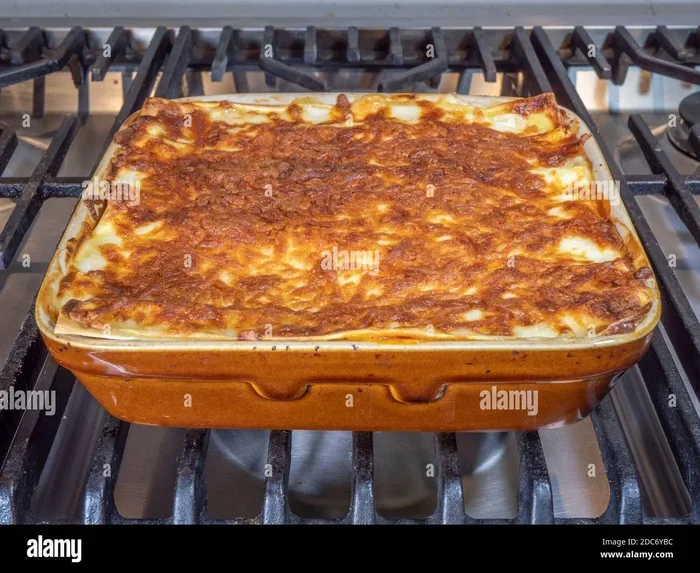
Ceramic is a popular choice for oven cooking. It heats up slowly and holds that heat for a long time. This makes it perfect for casseroles, baked dishes, and slow cooking. Let’s explore why ceramic behaves the way it does in the oven.
The Science Behind Ceramic Heat Retention
Ceramic is a dense material. It absorbs heat and releases it evenly. This is why a ceramic baking dish keeps food warm long after you take it out of the oven. Unlike metal, ceramic does not heat up instantly. It needs time to warm through, which reduces hot spots.
Another benefit is that ceramic is non-reactive. It won’t leach chemicals into your food, even at high temperatures. This makes it a healthy choice for baking and roasting. Many people prefer ceramic over metal for these reasons.
Types of Ceramic That Are Oven-Safe
Not all ceramics are created equal. Here are the types that can safely go in the oven:
- Glazed stoneware: The most common oven-safe ceramic. It handles temperatures up to 450°F.
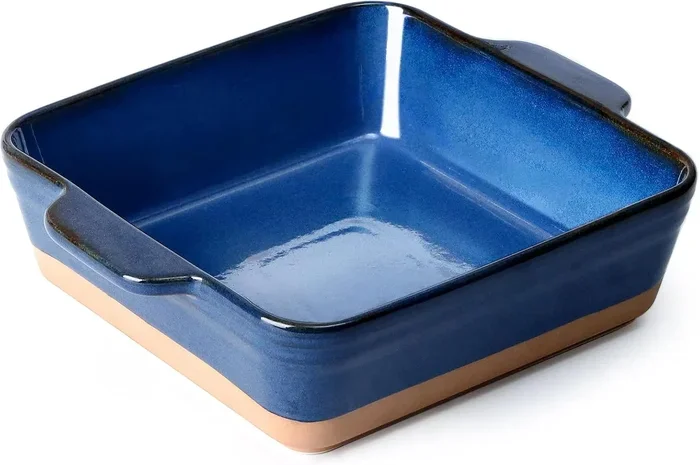
- Ceramic bakeware: Designed specifically for oven use. Often labeled as oven-safe.
- Unglazed ceramic: Can be oven-safe but heats more slowly. Great for bread baking.
- Ceramic stoneware cookware: Heavy pots and pans that retain heat well.
Avoid putting decorative ceramics in the oven. Pieces with metallic paint or hand-painted designs may have glazes that cannot handle heat. A ceramic mug or ceramic plate that is purely decorative should stay on the shelf.
Common Mistakes That Cause Ceramic to Crack
Cracked ceramic is frustrating and often avoidable. Most cracks happen because of simple mistakes. Let’s look at the most common errors and how to prevent them.
Thermal Shock: The Silent Killer
Thermal shock is the number one enemy of ceramic. It happens when a ceramic dish goes from a cold surface to a hot one too quickly. For example, taking a ceramic bowl out of the fridge and placing it in a hot oven. The sudden change in temperature causes the material to expand unevenly, leading to cracks.
Even placing a hot ceramic dish on a cold countertop can cause damage. Always use a wooden board or a dry towel when setting down hot ceramic. The same goes for adding liquid to a hot ceramic pan. Never pour cold water into a hot ceramic pot.
Ignoring Manufacturer Guidelines
Every ceramic piece comes with care instructions. Many people skip reading them. The manufacturer knows exactly what their ceramic can handle. If the label says “not oven-safe,” believe it. Even if it looks like it should be fine.
A ceramic lid might be oven-safe, but the handle could be made of a different material. Always check the entire piece, not just the base. A ceramic pan with a metal handle might have a heat limit for the handle, even if the body is oven-safe.
Overheating Beyond the Limit
Most oven-safe ceramics have a temperature limit, usually around 450°F. Pushing beyond that limit can cause the ceramic to crack or even shatter. Do not use ceramic under a broiler, where direct, intense heat is applied. Broilers can reach temperatures above 500°F, which is too much for most ceramics.
Quick Tip: If you need to sear or broil, use a metal pan instead. Save your ceramic dishes for roasting, baking, and slow cooking.
How to Safely Use Ceramic Dishes in the Oven
Using ceramic in the oven is easy once you follow a few simple rules. I’ll walk you through the best practices step by step. These tips will keep your ceramic dishes safe and looking great.
Step-by-Step Preheating Tips
The best way to heat ceramic in the oven is to put it in while the oven is cold. This allows the ceramic to heat up gradually. Here’s how to do it:
- Place your empty ceramic dish in the cold oven.
- Set the oven to the desired temperature.
- Let the oven and ceramic heat up together.
- Once the oven reaches the temperature, add your food.
- Cook as usual and remove the dish carefully.
This method prevents thermal shock and ensures even heating. It takes a little more time, but it’s worth it. A ceramic dish that heats slowly will cook food more evenly and last for years.
Best Practices for Baking and Roasting
When using ceramic in the oven, keep these tips in mind:
- Always use oven mitts. Ceramic stays hot long after the food is removed.
- Place the dish on a dry, heat-safe surface.
- Avoid sudden temperature changes. Let the dish cool before washing.
- Do not stack heavy items on top of hot ceramic.
- Use a silicone or cloth trivet when serving.
Common Mistake: Placing a hot ceramic dish directly on a cold granite countertop. The sudden temperature drop can cause a crack. Always use a wooden board, towel, or trivet.
Expert Insight: The 10-Minute Rule
Many ceramic experts follow the 10-minute rule. After removing a hot ceramic dish from the oven, let it sit for at least 10 minutes before adding liquid or moving it. This allows the ceramic to cool slightly and reduces the risk of cracking. It also makes handling safer.
Ceramic vs. Other Oven-Safe Materials
How does ceramic compare to other popular oven materials? Let’s look at the pros and cons of each. This table will help you choose the right cookware for your needs.
| Material | Oven-Safe Max Temp | Heat Retention | Risk of Cracking | Best For |
|---|---|---|---|---|
| Ceramic | 450°F (230°C) | Excellent | Moderate (thermal shock) | Baking, roasting, slow cooking |
| Glass | 450°F (230°C) | Good | Low (but can shatter with thermal shock) | Baking, casseroles |
| Metal (Stainless Steel) | 500°F+ (260°C+) | Moderate | Very low | Searing, broiling, high-heat roasting |
| Cast Iron | 500°F+ (260°C+) | Excellent | Very low | Baking, searing, stovetop-to-oven |
Ceramic stands out for its even heat distribution and non-reactive surface. It’s not the best for broiling or very high-heat cooking, but it excels at baking and slow roasting. If you want a dish that keeps food warm at the table, ceramic is hard to beat.
Final Verdict: Is Ceramic Worth Using in the Oven?
The answer is a clear yes. Ceramic is a versatile, safe, and healthy choice for oven cooking. As long as you follow the guidelines, your ceramic dishes will serve you well for years. Remember to check the oven-safe label, preheat gradually, and avoid thermal shock.
Whether you’re baking a casserole, roasting vegetables, or making a crusty bread, ceramic delivers beautiful results. It’s a favorite among home cooks for good reason. Now that you know the answer to can you put ceramic in the oven, you can use your ceramic cookware with confidence. Treat it well, and it will reward you with countless delicious meals.
Key Takeaway: Oven-safe ceramic is a kitchen hero. Use it wisely, avoid sudden temperature changes, and it will last a lifetime.
Frequently Asked Questions
Can all ceramic mugs go in the oven?
No, not all ceramic mugs are oven-safe. Decorative mugs or those with metallic paint should never go in the oven. Only mugs that are explicitly labeled as oven-safe can handle the heat. Always check the bottom of the mug for a symbol or text indicating oven use.
What temperature can ceramic handle in the oven?
Most oven-safe ceramics can handle temperatures up to 450°F (230°C). Some high-quality stoneware can go slightly higher, but 450°F is the general safe limit. Never exceed the manufacturer’s recommended temperature, and avoid using ceramic under a broiler.
How do I know if my ceramic dish is oven-safe?
Look for an oven-safe symbol on the bottom of the dish. It often looks like a small oven with wavy lines. You can also check the packaging or the manufacturer’s website. If there is no symbol or label, it’s best to avoid using it in the oven.
Can ceramic crack in the oven?
Yes, ceramic can crack if it experiences thermal shock. This happens when a cold dish is placed in a hot oven or vice versa. It can also crack if you place a hot dish on a cold surface. Always preheat with the ceramic in a cold oven and use protective surfaces.
Is it safe to put a ceramic lid in the oven?
Many ceramic lids are oven-safe, but you must check the entire lid. Some lids have metal or wooden knobs that can melt or burn at high temperatures. If the lid is fully ceramic and labeled oven-safe, it is safe to use up to the recommended temperature.
Can you put a ceramic baking dish in a preheated oven?
It’s best to place the ceramic dish in the oven while it’s still cold, then let both heat up together. Putting a ceramic dish into a preheated oven increases the risk of thermal shock. If you must place it in a hot oven, make sure the dish is at room temperature first, and do so slowly.