Can You Make Over Easy Eggs In The Oven The Easy Way
Yes, you can absolutely make over easy eggs in the oven. This hands-free method gives you perfect runny yolks and set whites every single time. You will learn the exact temperature, timing, and tools you need. No flipping required, and no stress involved.
Can you make over easy eggs in the oven? The short answer is yes, and the results might surprise you. Many breakfast lovers think this classic egg style needs a stovetop and a confident flip. But the oven method is simple, reliable, and perfect for busy mornings. If you have ever burned your over easy eggs or struggled with the flip, this guide is for you. We will walk you through everything you need to know about baked eggs in oven setups. You will learn the right tools, the best temperature, and the exact timing. By the end, you will never want to stand over a hot pan again.
Making over easy eggs in the oven is one of the easiest kitchen upgrades you can try. It frees up your time, removes the guesswork, and delivers consistent results. Whether you cook for one or feed a whole family, this method scales beautifully. Plus, it pairs perfectly with toast, bacon, and fresh fruit. Let us dive into why this approach works so well.
Key Takeaways
- Oven-baked over easy eggs are real: You can get the same runny yolk and set whites as stovetop cooking.
- Temperature matters most: 375°F is the sweet spot for even cooking without overdoing the yolk.
- Cast iron skillets work best: They distribute heat evenly and help you achieve that classic egg edge.
- No flipping is needed: The oven does all the work for you, making this a truly hands-free method.
- Timing is short: Most over easy eggs bake in just 10 to 15 minutes.
- Batch cooking is easy: You can cook multiple eggs at once on a sheet pan for breakfast for a crowd.
- Avoid common mistakes: Overcooking and wrong pan choice are the top reasons oven eggs fail.
📑 Table of Contents
- Can You Make Over Easy Eggs In The Oven?
- Why Baking Over Easy Eggs In The Oven Works So Well
- What You Need To Get Started
- Step-by-Step Guide To Oven Over Easy Eggs
- Tips For Perfect Over Easy Eggs Every Time
- Common Mistakes To Avoid And Expert Tips
- Expert Insights and Final Thoughts
- Frequently Asked Questions
Can You Make Over Easy Eggs In The Oven?
The idea of oven baked eggs might feel new, but the concept is simple. You crack eggs into a hot pan, place them in the oven, and let the heat do the work. The result is eggs with set whites and a beautifully runny yolk. This is exactly what makes over easy eggs so beloved. The oven method removes the need to flip, which is the part most people find tricky.
What Makes Over Easy Eggs So Appealing
Over easy eggs have a special place in breakfast culture. The runny yolk acts as a natural sauce for toast, biscuits, or hash browns. When you dip your toast into that golden yolk, it is pure comfort food. Many people love the contrast between the tender white and the flowing center. Oven over easy eggs preserve this exact texture without any flipping involved.
Another reason people love this style is the ease of prep. You do not need a skilled hand or quick reflexes. Just crack, season, and pop them in the oven. This makes over easy eggs recipe versions perfect for beginners and busy parents alike. You get restaurant-quality eggs with almost no effort.
Oven vs Stovetop: The Great Egg Debate
Both methods produce great eggs, but they serve different needs. Stovetop cooking gives you more control over the browning edges. It also lets you baste the yolk with hot butter if you want to. However, it requires attention and a steady hand for the flip.
Oven cooking, on the other hand, is hands-free and more forgiving. You set the timer and walk away. This is ideal when you are cooking breakfast for a crowd and need to feed multiple people at once. Below is a quick comparison to help you decide which method fits your routine.
| Feature | Stovetop Over Easy Eggs | Oven Over Easy Eggs |
|---|---|---|
| Flipping Required | Yes | No |
| Hands-Free Cooking | No | Yes |
| Batch Cooking | Difficult | Easy |
| Edge Browning | More control | Even and consistent |
| Learning Curve | Medium | Very easy |
| Best For | 1 to 2 eggs | Multiple eggs or busy mornings |
As you can see, both methods have their place. But if you want simplicity and consistency, making over easy eggs in the oven is the clear winner. It is especially great for no flip eggs lovers who want perfect results every time.
Why Baking Over Easy Eggs In The Oven Works So Well
The oven method is not just convenient. It actually produces excellent results when done right. Understanding why helps you trust the process and get better outcomes every time.
Even Heat Distribution
Ovens surround food with heat from all sides. This is very different from a stovetop burner, which heats from below only. In an oven, the heat wraps around each egg evenly. This means your whites set uniformly without hot spots. You get a smooth, tender texture throughout. Baked eggs in oven setups benefit greatly from this even heating.
The gentle, ambient heat also protects the yolk. It cooks slowly enough to keep the center runny while the outside sets. This is exactly the texture profile you want in over easy eggs. The oven essentially acts as a slow, steady cooking environment that is hard to replicate on the stove.
Hands-Free Convenience
One of the biggest advantages of oven eggs is that you do not need to watch them constantly. Once you place the pan in the oven, you can prepare the rest of your breakfast. You can toast bread, fry bacon, or chop vegetables. This multitasking ability makes morning routines much smoother.
For people who cook breakfast for a crowd, this is a game changer. You can bake a dozen eggs on a sheet pan at once. Everyone gets their own perfectly cooked egg with minimal effort. This is easy breakfast recipes at their finest.
What You Need To Get Started
Getting started with oven-baked eggs is simple. You need very few tools and basic ingredients. Here is what will set you up for success.
Essential Equipment
You do not need fancy gear to make great oven eggs. A few key items make a big difference:
- Cast iron skillet: This is the gold standard for oven eggs. Cast iron holds heat evenly and creates beautiful edges. It also goes from stovetop to oven seamlessly.
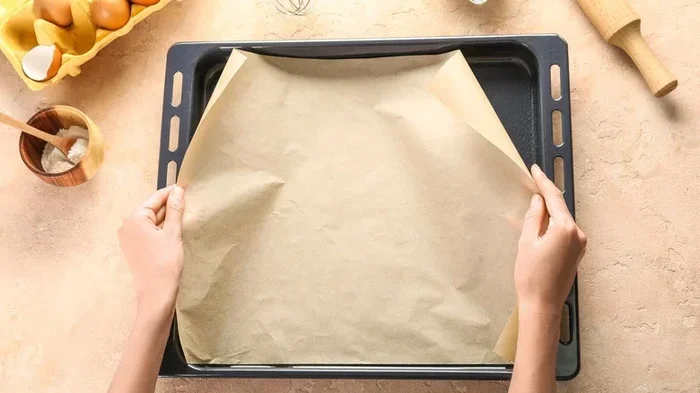
- Oven-safe baking pan: A sheet pan or baking dish works well for batch cooking. You can fit several eggs on one pan.
- Small oven-safe ramekins: These are great for individual servings. Each person gets their own perfectly portioned egg.
- Oven mitts: Always protect your hands when handling hot pans.
If you do not own a cast iron skillet, do not worry. Any oven-safe pan will work. Just avoid pans with plastic handles or non-stick coatings that are not oven-safe. Your oven fried eggs will turn out well with whatever heat-safe pan you have.
Ingredients and Prep
The ingredient list is refreshingly short. You need fresh eggs, a little fat, salt, and pepper. Here is a simple breakdown:
- Fresh eggs: Use the freshest eggs you can find. They hold their shape better when baked.
- Butter or oil: A small amount prevents sticking and adds flavor. Butter gives a rich taste, while oil works well for dairy-free options.
- Salt and pepper: Season to taste. Add these after the eggs come out for the best flavor.
- Optional add-ins: Fresh herbs, cheese, or a sprinkle of paprika can elevate your eggs.
Before you start, make sure your oven is clean and your racks are positioned in the center. This ensures even cooking. Proper prep is the foundation of great oven sunny side up style eggs.
Step-by-Step Guide To Oven Over Easy Eggs
Now that you have your tools and ingredients ready, let us walk through the process. This guide will show you exactly how to make over easy eggs in the oven that rival any stovetop version.
Preheat and Pan Preparation
Start by preheating your oven to 375°F. This is the ideal egg baking temperature for over easy eggs. It cooks the whites thoroughly while keeping the yolk soft and runny.
While the oven heats, place your cast iron skillet or oven-safe pan on the stovetop over medium heat. Add a small pat of butter or a drizzle of oil. Let it melt and coat the pan evenly. You want the fat to be hot but not smoking. A hot pan helps the whites set immediately when the eggs go in.
Cracking and Seasoning
Crack each egg gently into the hot pan. Try to keep the yolk intact. This is the key to achieving that classic over easy look. If you are cooking multiple eggs, leave a little space between each one so they cook evenly.
Season each egg lightly with salt and pepper. You can also add a tiny pinch of paprika or dried herbs at this stage. Keep it simple for the most authentic over easy experience.
Quick Tip: If you are worried about whites spreading too much, you can lightly grease a small ring mold and place it around each egg. This keeps the shape neat and tidy.
Baking Time and Temperature Guide
Once the eggs are in the pan, carefully transfer the skillet into the preheated oven. Set your timer for 10 minutes. This is the sweet spot for most ovens, but it can vary slightly based on your specific model.
Here is a quick timing reference:
- 8 minutes: Whites are mostly set, yolk is very runny. Closest to traditional over easy.
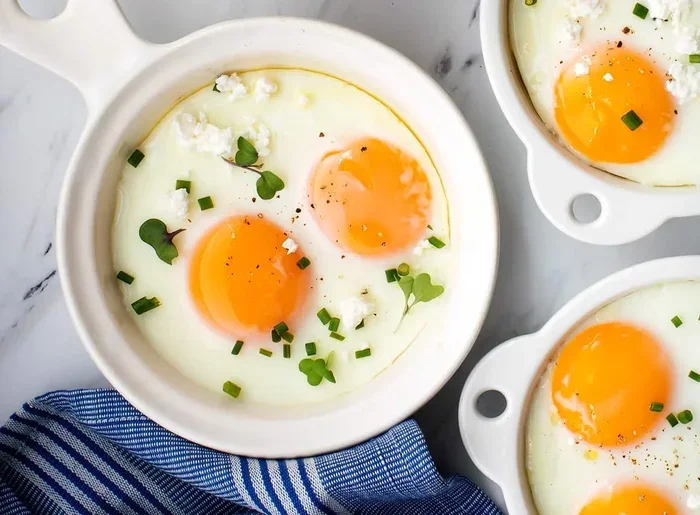
- 10 minutes: Whites are fully set, yolk is still soft and slightly jiggly. This is the ideal over easy texture.
- 12 minutes: Whites are firm, yolk is thicker but not fully hard. This is closer to over medium.
Start checking at the 8-minute mark. Every oven is slightly different, so visual cues matter more than the clock. You want the whites to be opaque and fully set, while the yolk remains soft and liquid.
How to Know When They Are Done
Checking for doneness is easy. The whites should look completely white and firm. There should be no translucent or runny parts left. The yolk should still wobble slightly when you gently shake the pan. This is the hallmark of a perfect over easy egg.
If you are unsure, you can use a food thermometer. The internal temperature of the white should reach about 144°F to 158°F. The yolk will stay below 150°F, keeping it beautifully runny. This approach to checking egg doneness takes the guesswork out entirely.
Tips For Perfect Over Easy Eggs Every Time
Even though the oven method is forgiving, a few pro tips can elevate your results from good to great. These small adjustments make a big difference in texture and flavor.
Temperature Control
Always preheat your oven fully before placing the eggs inside. A cold oven leads to uneven cooking and longer bake times. Use an oven thermometer if you are unsure about your oven’s accuracy. Many ovens run a few degrees hot or cold, and this affects your baked eggs in oven results.
If you find your eggs cooking too fast on the edges, try lowering the temperature to 350°F and adding a couple of minutes to the bake time. This gentler approach gives you more control over the final texture.
Timing Is Everything
Set a timer and resist the urge to open the oven door too often. Every time you open the door, heat escapes and the temperature drops. This can lead to uneven cooking. Trust the process and check only once or twice at most.
Another helpful habit is to note your oven’s quirks. After a few tries, you will know exactly how long it takes to get your preferred level of doneness. This personal calibration makes every batch better.
Pan Choice Matters
The pan you use has a direct impact on your results. Cast iron is the top choice for oven eggs. It retains heat well and creates those attractive lacy edges around the whites. Stainless steel and carbon steel pans also work well.
If you are cooking breakfast for one, a small cast iron skillet is perfect. For feeding a family, a large sheet pan with individual ramekins is the way to go. You can bake six or more eggs at once with minimal extra effort. This makes oven breakfast planning much more efficient.
Expert Insight: Professional chefs often recommend letting the pan heat up fully before adding the fat and eggs. This creates an immediate sear on the bottom of the white, which helps the egg hold its shape during baking. It is a small step that makes a noticeable difference in presentation and texture.
Common Mistakes To Avoid And Expert Tips
Even simple recipes have pitfalls. Knowing what to avoid saves you from disappointing results. Here are the most common mistakes and how to fix them.
Quick Tips for Perfect Results
- Do not skip the preheat: A properly heated pan and oven are essential for set whites and an intact yolk.
- Use fresh eggs: Fresher eggs have thicker whites that hold together better during baking.
- Do not overcrowd the pan: Give each egg space so the whites set evenly without merging.
- Add salt after baking: Salting before cooking can draw moisture out and make the whites weep. Season after for the best texture.
- Let the pan rest for a moment: When you pull the eggs out, let the pan cool for 30 seconds. This prevents carryover cooking from overdoing the yolk.
Common Mistakes to Avoid
The biggest mistake people make is overcooking. It is easy to leave eggs in the oven too long, especially if you get distracted. Once the whites are set, the eggs are done. Leaving them in longer turns the yolk from runny to firm, which defeats the purpose of over easy eggs.
Another common error is using the wrong pan. Non-stick pans with plastic handles should not go in the oven. Always check that your pan is fully oven-safe before baking. Using a pan that is too large can also spread the whites too thin, changing the texture entirely.
Some people also forget to account for oven hot spots. If your oven heats unevenly, rotate the pan halfway through baking. This simple step ensures all the eggs cook at the same rate. These oven fried eggs tips will save you from many common frustrations.
Expert Insights and Final Thoughts
Making over easy eggs in the oven is one of the simplest upgrades you can bring to your breakfast routine. It removes the stress of flipping, delivers consistent results, and frees up your time. Whether you are a beginner or a seasoned cook, this method deserves a place in your kitchen.
Once you try it a few times, you will develop your own rhythm. You will know exactly how your oven behaves and how long to bake for your preferred yolk consistency. The beauty of this method is its flexibility. You can make one egg for yourself or a dozen for the whole family with the same basic approach.
Pair your oven-baked eggs with crispy bacon, avocado toast, or a simple side of fruit. The runny yolk works as a natural sauce that ties the whole breakfast together. It is comfort food at its finest, made effortlessly. Can you make over easy eggs in the oven? Absolutely, and now you know exactly how to do it right.
Start with this method tomorrow morning. Once you taste the difference that even, gentle oven heat makes, you might never go back to the stovetop. Your mornings will be calmer, your eggs will be more consistent, and your kitchen will be less messy. That is a win-win situation for everyone.
The over easy eggs recipe we have shared here is flexible and forgiving. You can adjust the timing, seasonings, and even the pan type to suit your preferences. There is no single right way. The best way is the one that works for you and your household. So grab your pan, preheat the oven, and enjoy the process of making perfect eggs without the flip.
Frequently Asked Questions
Can you really get runny yolks from oven-baked eggs?
Yes, absolutely. By baking at 375°F for 8 to 10 minutes, the whites set while the yolk stays soft and runny. The key is not to overbake. Pull the eggs out as soon as the whites are fully opaque and the yolk still has a gentle jiggle. This gives you the classic over easy texture that everyone loves.
What is the best pan for making over easy eggs in the oven?
A cast iron skillet is the best choice because it distributes heat evenly and creates beautiful edges. However, any oven-safe pan works well. Stainless steel, carbon steel, and oven-safe ceramic pans all produce great results. Just make sure the pan has no plastic or wooden handles that could melt or burn in the oven.
How long do you bake over easy eggs in the oven?
Most over easy eggs bake perfectly in 10 minutes at 375°F. However, start checking at 8 minutes. The exact time depends on your oven, the size of your eggs, and how many you are cooking. For a softer yolk, go closer to 8 minutes. For a slightly thicker yolk, extend to 12 minutes.
Can you bake multiple eggs at once on a sheet pan?
Yes, this is one of the biggest advantages of the oven method. You can crack eggs into a greased sheet pan or muffin tin and bake them all at once. This is perfect for breakfast for a crowd or meal prep. Just make sure each egg has enough space so the whites set properly without merging together.
Do oven-baked eggs taste different from stovetop eggs?
The flavor is very similar, but the texture differs slightly. Oven eggs tend to have more evenly set whites and softer edges. The yolk is equally runny when done correctly. Some people actually prefer the oven method because it is more consistent and easier to get right every time.
Can you add cheese or other toppings before baking?
Absolutely. Adding shredded cheese, diced vegetables, or fresh herbs before baking is a great way to customize your eggs. Just add them in the last 2 to 3 minutes of baking so the cheese melts gently without overcooking the eggs. This turns simple oven baked eggs into a hearty, protein-packed breakfast.