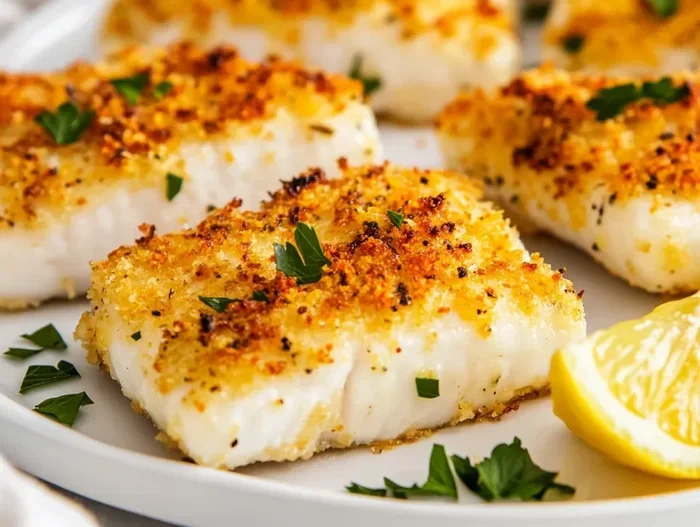
Easy How To Make Halibut In The Oven With Crispy Skin
Learn how to make halibut in the oven with crispy skin using this simple, foolproof method. You’ll discover the best oven-baked halibut recipe for perfectly flaky fish every time. This guide covers temperature, timing, and tips for golden, crunchy skin.
Key Takeaways
- Dry the skin thoroughly: Patting the fillet dry is the single most important step for crispy skin.
- Use high heat: A hot oven (425°F to 450°F) ensures the skin crisps while the flesh stays moist.
- Season simply but effectively: Salt, pepper, and a touch of oil bring out the natural flavor of halibut.
- Don’t overcook: Baking for 10–15 minutes keeps the fish flaky and tender.
- Try flavor variations: Butter garlic, lemon herb, or spicy Cajun styles add exciting twists.
- Serve with light sides: Roasted vegetables, rice, or a fresh salad complement baked halibut perfectly.
📑 Table of Contents
Why Oven-Baked Halibut Is a Game-Changer
Baking halibut in the oven is one of the easiest ways to cook fish at home. You get a crispy skin without needing a hot skillet. The oven does the work for you, and cleanup is a breeze. This method works whether you are a beginner or a seasoned cook.
The oven-baked halibut technique delivers consistently moist, flaky flesh. You control the temperature, so the fish never dries out. Crispy skin halibut feels like a restaurant dish, but it takes just minutes to prep. Once you master this, you will make it every week.
How to make halibut in the oven is a skill that opens up a world of healthy, quick dinners. Halibut is a firm white fish that holds its shape beautifully. It absorbs flavors well and pairs with almost any seasoning. If you have been looking for a simple halibut recipe, the oven is your best friend.
The Beauty of Crispy Skin
Crispy skin adds texture and flavor that steamed or boiled fish cannot match. When you bake halibut with the skin on, it acts as a natural barrier. The skin crisps up while the flesh gently steams inside. This creates a satisfying contrast in every bite.
Many people fear cooking fish with skin because they think it will stick. The secret is a hot pan or oven and a dry surface. With the right technique, the skin releases easily and turns golden brown. You will wonder why you ever cooked baked fish without skin.
Health Benefits of Baked Halibut
Halibut is a lean protein packed with omega-3 fatty acids. Baking it in the oven requires little to no added fat. This makes it a heart-healthy choice for everyday meals. Unlike frying, oven-baking preserves the fish’s natural nutrients.
A serving of oven-baked fish provides essential vitamins and minerals. It is also low in calories, making it ideal for weight management. Eating baked fish regularly supports brain and eye health. It is a delicious way to boost your overall nutrition.
How To Prep Halibut for Crispy Skin
Proper preparation is the foundation of perfect how to make halibut in the oven results. Skipping steps here leads to soggy skin or dry fish. Take a few extra minutes to prep, and the outcome will impress everyone at the table.
Choosing the Right Fillet
Start with fresh or thawed halibut fillets. Look for fillets that are uniformly thick. A consistent thickness ensures even cooking from edge to center. If the fillet tapers at one end, the thin part will overcook while the thick part stays raw.
Buy skin-on halibut whenever possible. The skin is essential for achieving that crispy finish. Check that the flesh is translucent and moist. Avoid fillets with any fishy odor or dull color. Fresh halibut has a clean, ocean-like smell.
Drying the Skin Is Key
This is the most important step for crispy skin. Remove the fillet from its packaging and pat it completely dry with paper towels. Moisture is the enemy of crispiness. Any water left on the surface will steam the skin instead of crisping it.
Let the fillet rest on a wire rack for 10–15 minutes. This allows air to circulate and dry the skin further. You can also place it in the refrigerator uncovered for a short time. A dry surface ensures the skin renders and crisps in the hot oven.
Seasoning Your Halibut
Keep seasoning simple to let the fish shine. Sprinkle both sides with salt and freshly ground black pepper. A light drizzle of olive oil helps the seasoning adhere and promotes browning. Too much oil will make the skin greasy rather than crispy.
For extra flavor, add minced garlic or a squeeze of lemon juice to the oil. Mix these together and brush lightly onto the flesh side. The skin side only needs salt and oil. This basic approach works for any halibut oven recipe.
Quick Tip: The Paper Towel Trick
For extra-crispy skin, rub a thin layer of oil on the skin side first. Then sprinkle salt directly onto the oil. The salt adheres better and draws out residual moisture. This small step makes a huge difference in texture.
The Perfect Oven Temperature and Timing
Getting the temperature right is crucial for how to make halibut in the oven with crispy skin. Too low and the skin will not crisp. Too high and the flesh dries out before the skin renders. The sweet spot lies between 425°F and 450°F.
What Temperature to Bake Halibut
Preheat your oven to 425°F for a standard bake. This temperature allows the skin to crisp slowly while the inside cooks gently. If you are in a hurry, you can increase to 450°F, but watch the fish closely.
Place the fillet skin-side down on a lined baking sheet. The skin directly contacts the hot pan, which is essential for crisping. Use parchment paper or a lightly oiled sheet pan to prevent sticking. A wire rack set over the pan also works well for air circulation.
How Long to Bake Halibut
Bake thin fillets (less than 1 inch thick) for 10–12 minutes. Thicker fillets may need 12–15 minutes. The fish is done when it flakes easily with a fork and reaches an internal temperature of 145°F.
Avoid opening the oven door too often. Each time you open it, the temperature drops, which can prevent the skin from crisping. Set a timer and trust the process. The halibut cooking time depends on thickness, so adjust accordingly.
Comparison: Oven-Baked vs. Pan-Seared Halibut
Both methods produce delicious results, but they differ in effort and outcome. Here is a quick comparison to help you decide.
| Aspect | Oven-Baked | Pan-Seared |
|---|---|---|
| Crispy Skin | Evenly crispy all over | Crispy on the bottom, softer on top |
| Effort | Minimal; just prep and wait | Requires flipping and monitoring |
| Consistency | Very consistent results | Risk of overcooking the top |
| Best For | Bone-in or skin-on fillets | Thin, even fillets |
| Cleanup | Easy; sheet pan only | More pans and splatter |
Common Mistakes and How To Avoid Them
Even simple recipes have pitfalls. Knowing what to avoid saves you from a disappointing meal.
- Not drying the skin: This is the number one cause of soggy skin. Always pat the fillet dry.
- Using a cold pan: Placing halibut on a cold sheet pan prevents the skin from crisping. Preheat the oven fully.
- Overcrowding the pan: Leave space between fillets so air circulates. Crowding creates steam.
- Seasoning too early: Salt draws out moisture. Season just before baking for the best results.
- Overcooking: Halibut dries out quickly past 15 minutes. Use a thermometer to check doneness.
Expert Insight: Don’t Overcook the Fish
Professional chefs always recommend pulling halibut when it is just done. The flesh will continue to cook slightly from residual heat. Overcooked halibut becomes chalky and loses its delicate flavor. A quick visual check is best: the fish should be opaque and flake gently.
Flavor Variations for Baked Halibut
The beauty of how to make halibut in the oven is that you can customize the flavor easily. Basic seasoning works, but a little extra effort takes it to the next level. Try these variations for a different dinner every time.
Butter Garlic Halibut
Melt two tablespoons of butter with minced garlic and a pinch of paprika. Brush the mixture over the flesh side before baking. The garlic infuses the fish with rich, savory notes. This style pairs beautifully with steamed asparagus or roasted potatoes.
Lemon Herb Halibut
Combine chopped fresh dill, parsley, and thyme with lemon zest. Mix with olive oil and a squeeze of lemon juice. Spread this herb blend over the fillet. The bright, citrusy flavor cuts through the richness of the fish. This is a light, refreshing option for summer meals.
Spicy Cajun-Style Halibut
For a bold twist, coat the flesh with Cajun seasoning or a mix of smoked paprika, cayenne, garlic powder, and oregano. The spice adds a kick that complements the mild halibut. Serve with a cool yogurt sauce or coleslaw to balance the heat.
Mediterranean-Style Baked Halibut
Top the fillet with sliced tomatoes, olives, capers, and a drizzle of olive oil. Add a few fresh basil leaves. The oven roasts the vegetables alongside the fish, creating a complete one-pan meal. This variation is colorful, flavorful, and incredibly healthy.
Serving Suggestions and Pairings
The right side dish elevates your oven-baked halibut from simple to spectacular. You want flavors and textures that complement the fish without overwhelming it. Here are some winning combinations.
Best Side Dishes for Oven-Baked Halibut
- Roasted vegetables: Broccoli, zucchini, and cherry tomatoes caramelize in the oven alongside the fish.
- Rice or quinoa: A light grain absorbs the fish’s juices and balances the meal.
- Mashed potatoes: Creamy potatoes pair perfectly with crispy skin halibut.
- Fresh salad: A simple green salad with lemon vinaigrette adds brightness.
- Crusty bread: Use it to soak up any remaining sauce or juices.
Sauces That Complement Baked Halibut
A light sauce adds moisture and flavor without masking the fish. A lemon butter sauce is a classic choice. Mix melted butter with lemon juice, a pinch of salt, and fresh dill. Hollandaise or aioli also work well for those who enjoy a richer option.
For a lighter touch, try a yogurt-based sauce. Mix Greek yogurt with cucumber, dill, and a squeeze of lemon. This cool sauce contrasts nicely with the warm, crispy fish. A simple drizzle of good olive oil and a sprinkle of flaky sea salt is often all you need.
Conclusion
How to make halibut in the oven with crispy skin is a skill anyone can master. The method is straightforward, forgiving, and delivers restaurant-quality results at home. By drying the skin, using the right temperature, and avoiding overcooking, you get perfectly flaky fish every time.
This oven-baked halibut recipe is versatile, healthy, and quick to prepare. You can customize the flavors to suit any craving or season. Once you try it, you will rely on this method for your weekly easy halibut dinner rotation. The crispy skin will have everyone asking for the recipe. Enjoy the process and the delicious results.
Frequently Asked Questions
Can I use frozen halibut for this recipe?
Yes, but thaw it completely first. Place the fillet in the refrigerator overnight or use the cold water method. Always pat the skin dry thoroughly after thawing. Frozen and thawed halibut can still achieve crispy skin if you follow the drying step carefully.
What temperature should I bake halibut at?
Preheat your oven to 425°F for the best results. This temperature crisps the skin while keeping the flesh moist. If you prefer a slightly faster cook, 450°F works too, but check the fish a few minutes earlier to prevent drying out.
How do I get crispy skin on baked halibut?
The key is a dry skin surface and direct contact with a hot pan. Pat the fillet dry with paper towels and let it rest for 10–15 minutes. Place the skin side down on a preheated, lined baking sheet. Avoid overcrowding the pan and do not open the oven too often.
How long does halibut take to bake?
Thin fillets bake in 10–12 minutes at 425°F. Thicker fillets need 12–15 minutes. The fish is done when it flakes easily with a fork and reaches 145°F internally. Always use a thermometer for the most accurate result.
Can I bake halibut without skin?
Yes, you can bake skinless halibut, but you will miss the crispy texture. Skinless fillets cook faster, so reduce the baking time by a couple of minutes. Brush the flesh lightly with oil to prevent drying out. You can still achieve a flavorful, moist result.
What sides go well with oven-baked halibut?
Roasted vegetables, rice, quinoa, mashed potatoes, and fresh salads all pair beautifully. A light lemon butter sauce or yogurt-based dressing adds extra flavor. Choose sides that complement the fish without overpowering its delicate taste.