How Long To Cook Deer Ribs In Oven For Tender Results
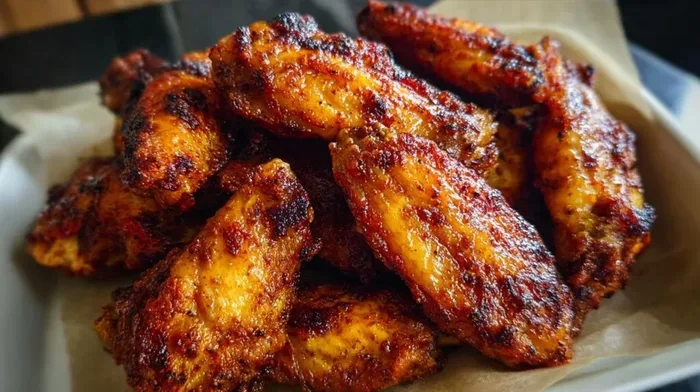
Cooking deer ribs in the oven takes about 3 to 4 hours at 275°F for tender, fall-off-the-bone results. The key to perfect oven-baked deer ribs is low and slow heat, a great seasoning blend, and patience. Whether you are using a rack of venison ribs or bone-in cuts, this guide covers everything you need to know about cooking deer ribs in the oven like a pro.
There is nothing quite like pulling a rack of deer ribs out of the oven and watching the meat glide right off the bone. Whether you harvested your own venison or picked up a beautiful rack from a local butcher, cooking deer ribs in the oven is one of the best ways to enjoy this lean, flavorful meat.
But here is the thing about deer ribs. They are different from pork ribs. They have less fat, less connective tissue in some areas, and they can dry out fast if you are not careful. That is exactly why knowing the right oven temperature and cooking time matters so much. In this guide, we will walk you through everything step by step. You will learn the ideal cook time, the best oven temperature for deer ribs, how to prep them, and all the little tricks that turn good ribs into great ribs.
By the time you finish reading, you will feel confident enough to fire up your oven and make tender deer ribs that will have everyone at the table asking for seconds. Let us get into it.
Key Takeaways
- Low and slow is the way: Cooking deer ribs at 275°F for 3-4 hours delivers the most tender results.
- Internal temperature matters: Aim for 200-205°F for perfectly done deer ribs that pull apart easily.
- Seasoning makes the difference: A good dry rub applied the night before deepens flavor significantly.
- Wrapping in foil helps: The Texas crutch method keeps moisture locked in during the cook.
- Resting is essential: Letting deer ribs rest for 15-20 minutes after cooking redistributes juices.
- Bone-in vs boneless changes timing: Bone-in deer ribs may need slightly longer cooking times than boneless cuts.
- Wood chips add smoke flavor: Soaking wood chips and adding them to the oven creates a smoky BBQ profile.
📑 Table of Contents
- Understanding Deer Ribs and Why They Need Special Care
- How Long To Cook Deer Ribs In Oven: The Complete Guide
- Preparing Deer Ribs for the Oven
- The Smoking Method: Adding Flavor in the Oven
- Step-by-Step Cooking Process for Oven Deer Ribs
- Common Mistakes to Avoid When Cooking Deer Ribs
- Serving and Storing Your Oven Deer Ribs
- Expert Tips for Perfect Deer Ribs Every Time
- Conclusion
Understanding Deer Ribs and Why They Need Special Care
What Makes Deer Ribs Different from Pork Ribs
Before we dive into timing and temperature, it helps to understand what you are working with. Deer ribs, also known as venison ribs, come from the elk or deer animal. They are naturally leaner than pork ribs. This means less marbling and less fat to keep the meat moist during a long cook.
Pork ribs have a lot of intramuscular fat that melts over time and keeps the meat juicy. Venison ribs do not have that same luxury. So if you treat them the same way you would treat a rack of baby back pork ribs, you risk ending up with dry, tough meat.
The good news is that with the right approach, deer ribs oven recipes can be just as delicious, if not more so. The leaner meat also means a cleaner, more natural flavor that lets your seasoning shine through.
Types of Deer Ribs You Might Encounter
Not all deer ribs are the same. Here are the common types you may come across:
- Backstrap ribs: These come from the upper back area. They are tender and relatively lean. They cook faster than other cuts.
- Short ribs from the chuck: These are tougher and have more connective tissue. They need longer cooking times but reward you with incredible flavor.
- Plate ribs: Flatter and wider, these are similar to beef short ribs in texture and cooking behavior.
- Boneless deer rib cuts: These cook faster and are easier to slice but can dry out more quickly without careful monitoring.
Knowing which type of venison ribs you have helps you adjust your cooking time and method. This is a big part of getting consistent, great results every single time.
How Long To Cook Deer Ribs In Oven: The Complete Guide
So, how long does it actually take to cook deer ribs in the oven? The short answer is between 3 and 4 hours at a low temperature. But the full answer depends on several factors that we will break down below.
The Ideal Oven Temperature for Deer Ribs
For the best results, set your oven to 275°F. This is the sweet spot for low and slow cooking venison ribs. At this temperature, the collagen in the connective tissues breaks down slowly and evenly. This is what gives you that fall-off-the-bone tenderness without drying out the meat.
Some cooks prefer to start at a slightly higher temperature of 300°F for the first 30 minutes to get a better bark formation. Then they drop it down to 275°F for the remainder of the cook. Both approaches work well. The key is to avoid going above 325°F, as the lean venison meat can dry out quickly at higher temperatures.
Cooking Time Based on Rib Type
Here is a general breakdown of deer rib cooking times based on the cut you are using:
- Backstrap ribs: 2.5 to 3 hours at 275°F
- Chuck short ribs: 3.5 to 4.5 hours at 275°F
- Plate ribs: 3 to 4 hours at 275°F
- Boneless deer ribs: 2.5 to 3.5 hours at 275°F
These times are guidelines. The real indicator of doneness is the internal temperature and how the meat feels when you probe it. More on that in the next section.
The Importance of Internal Temperature
Time is just one piece of the puzzle. The internal temperature of your deer ribs tells you whether they are truly done. Here is what you should aim for:
- 190°F: The meat is done but still has some pull-back. It will be tender but not fully broken down.
- 200°F to 205°F: This is the target zone for perfectly tender deer ribs. The collagen has fully dissolved, and the meat will pull apart with gentle pressure.
- Above 210°F: You risk overcooking. The meat can become mushy and lose its texture.
Invest in a good instant-read meat thermometer. It removes all the guesswork and takes the stress out of oven-baked ribs. Check the temperature in the thickest part of the meat, avoiding the bone, as the bone conducts heat differently.
Preparing Deer Ribs for the Oven
Trimming and Prepping the Ribs
Proper preparation sets the stage for a great cook. Start by removing the membrane from the back of the rib rack. This thin, papery layer can block seasoning from penetrating the meat and can become chewy when cooked. Use a butter knife to loosen one edge, then pull it off with a paper towel for grip.
Next, pat the ribs dry with paper towels. Moisture on the surface prevents your dry rub from sticking properly. A dry surface also helps create a better bark during the cook.
If your deer ribs have a thick fat cap, you can trim it down to about a quarter-inch thickness. Too much fat can cause flare-ups and greasy results. But leave a thin layer to keep the meat from drying out during the long cook.
The Best Seasoning and Rub for Deer Ribs
Deer ribs seasoning is where you can really get creative. Because venison has a naturally rich, slightly sweet flavor, you want a rub that complements it without overpowering it. Here is a simple and effective dry rub recipe:
- 2 tablespoons brown sugar
- 1 tablespoon smoked paprika
- 1 teaspoon garlic powder
- 1 teaspoon onion powder
- 1 teaspoon black pepper
- 1 teaspoon salt
- 1 teaspoon cumin
- 1 teaspoon chili powder
Massage the rub generously into all sides of the ribs. For the best flavor penetration, apply the rub the night before and refrigerate the ribs uncovered. This also helps form a tacky surface called “pellicle,” which helps the smoke and seasoning adhere during cooking.
Should You Use a Marinade Instead?
Some people prefer a marinade over a dry rub. A simple marinade of olive oil, apple cider vinegar, Worcestershire sauce, and a splash of bourbon can add moisture and depth of flavor. Marinate for at least 4 hours or overnight in the refrigerator. The acid in the vinegar helps tenderize the lean venison meat.
However, if you are going for a classic BBQ style with a firm bark, a dry rub is the better choice. Both methods produce excellent results, so it really comes down to personal preference.
The Smoking Method: Adding Flavor in the Oven
You do not need a smoker to get that delicious smoky flavor on your deer ribs. Your oven can do an amazing job with a little trick. This method is sometimes called the oven smoking technique.
How to Smoke Deer Ribs in the Oven
Here is how to add a smoky dimension to your oven-baked ribs:
- Soak wood chips in water for at least 30 minutes. Hickory, applewood, and cherry wood all work beautifully with venison.
- Wrap the soaked chips in aluminum foil. Poke several holes in the top to let smoke escape.
- Place the foil packet on the bottom rack of the oven, below where the ribs will sit.
- Preheat the oven to 275°F with the chip packet inside.
- Place the seasoned ribs on the middle rack, bone side down.
- Close the oven door and let the smoke infuse the meat as it cooks.
This method adds a subtle, authentic smoky flavor that elevates your venison oven recipe to the next level. The smoke flavor is more delicate than what you get from an actual smoker, but it is still delicious and much more convenient.
Best Wood Chips for Venison Ribs
Not all wood chips are created equal. Here are the best options for smoking deer ribs in the oven:
- Applewood: Mild and sweet. Perfect for lean venison without overpowering the natural flavor.
- Cherry: Similar to apple but with a slightly deeper, fruity flavor. Creates a beautiful dark bark.
- Hickory: Strong and bold. Use sparingly with deer ribs, as it can overpower the delicate meat.
- Pecan: A middle-ground option. Nutty and rich without being too intense.
Avoid using mesquite with deer ribs. It is too strong and can make the meat taste bitter. Stick with fruitwoods or mild nut woods for the best results.
Step-by-Step Cooking Process for Oven Deer Ribs
Now that you understand the principles, here is the full process for cooking deer ribs in the oven from start to finish.
Step 1: Prep and Season
Remove the membrane, pat dry, and apply your rub generously. Place the ribs on a large sheet of aluminum foil or a wire rack set over a baking sheet. If you are using the foil method, wrap the ribs tightly in foil at this stage.
Step 2: Cook Low and Slow
Place the ribs in the oven at 275°F. Cook for 2.5 to 4 hours depending on the cut. Check the internal temperature after the 2.5-hour mark. Continue cooking until you hit the 200°F to 205°F range.
Step 3: The Wrap (Optional But Recommended)
After about 2 hours of cooking, many pitmasters use what is called the Texas crutch. This involves unwrapping the ribs, brushing them with a liquid (apple juice, broth, or your favorite BBQ sauce), and re-wrapping them tightly in fresh foil. This step adds moisture and speeds up the cooking process slightly.
Step 4: Unwrap and Sauce (Optional)
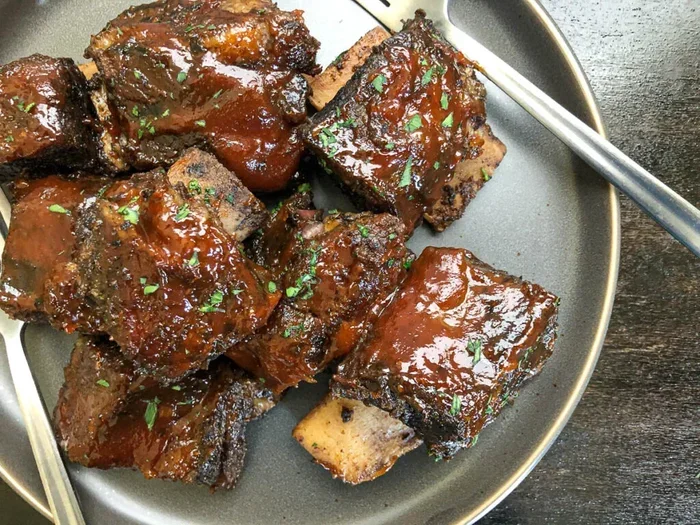
For the last 30 minutes of cooking, unwrap the ribs and apply your favorite BBQ sauce. Brush it on in thin layers, allowing each layer to caramelize. This creates a beautiful glaze and a sticky, sweet exterior that pairs perfectly with the rich venison flavor.
Step 5: Rest Before Serving
Remove the ribs from the oven and let them rest for 15 to 20 minutes. This is one of the most overlooked steps in cooking deer ribs. During resting, the juices redistribute throughout the meat, making every bite moist and flavorful. Skip this step, and you risk losing precious juices when you cut into the ribs.
Common Mistakes to Avoid When Cooking Deer Ribs
Cooking at Too High a Temperature
This is the number one mistake people make with venison ribs. Because deer meat is lean, high heat dries it out before the connective tissues have time to break down. Resist the urge to crank up the oven to speed things up. The low and slow approach is non-negotiable for tender results.
Skipping the Resting Period
It can be tempting to cut into those beautiful ribs the moment they come out of the oven. But patience pays off. That 15 to 20-minute rest makes a noticeable difference in juiciness and texture.
Over-Saucing Too Early
Sugar-based BBQ sauces can burn if applied too early in the cook. Always add sauce in the last 20 to 30 minutes. This gives it time to caramelize without scorching.
Not Using a Meat Thermometer
Relying on time alone is a recipe for inconsistency. Every oven is different, and the thickness of your ribs varies. A meat thermometer takes the guesswork out and ensures perfectly done meat every time.
Ignoring the Lean Nature of Venison
Deer ribs need more care than pork ribs because of their leanness. Always use a wrapping method, consider marinating, and keep an eye on internal temperatures. Treating venison ribs the same way you treat pork ribs will lead to disappointing results.
Serving and Storing Your Oven Deer Ribs
How to Serve Deer Ribs
Deer ribs pair wonderfully with classic BBQ sides. Consider serving them with coleslaw, cornbread, baked beans, or roasted vegetables. A tangy vinegar-based slaw cuts through the richness of the meat beautifully.
For extra flavor, serve with a side of homemade BBQ sauce or a drizzle of honey-mustard sauce. The sweet and tangy complement the savory venison perfectly.
Storing Leftover Deer Ribs
Store leftover oven-cooked deer ribs in an airtight container in the refrigerator for up to 4 days. Reheat gently in the oven at 275°F wrapped in foil to keep them moist. Microwaving can dry them out quickly, so the oven method is always better for reheating.
You can also freeze cooked deer ribs for up to 3 months. Wrap them tightly in plastic wrap and foil, then place them in a freezer bag. Thaw overnight in the refrigerator before reheating.
Expert Tips for Perfect Deer Ribs Every Time
- Bring the ribs to room temperature before cooking. This ensures even cooking throughout the rack.
- Use a wire rack instead of placing ribs directly on a baking sheet. Air circulates better around the meat for more even cooking.
- Spritz with apple cider vinegar every hour during the cook. This adds moisture and builds layers of flavor.
- Double-wrap in foil if you are worried about drying out. The double layer creates a tighter seal and traps more steam.
- Let the rub sit overnight in the refrigerator for maximum flavor penetration into the lean venison meat.
- Keep a spray bottle of apple juice handy. A quick spritz every 45 minutes keeps the surface moist and helps the bark form evenly.
These small adjustments may seem minor, but they add up to a huge difference in the final product. Once you incorporate them into your routine, you will notice a marked improvement in the texture and flavor of your deer ribs every single time.
Conclusion
How long to cook deer ribs in the oven really comes down to patience and the right technique. With a low temperature of 275°F and a cook time of 3 to 4 hours, you can achieve tender, juicy, fall-off-the-bone results that rival any barbecue restaurant. The key is respecting the lean nature of venison, using a good seasoning, monitoring internal temperature, and giving the meat the time it needs to break down properly.
Whether you are a seasoned hunter looking to make the most of your venison or a home cook exploring new flavors, oven-baked deer ribs are a rewarding and delicious dish. The process is simple, the results are impressive, and the aroma filling your kitchen is worth every minute of the wait.
Now that you have all the knowledge and techniques, it is time to put them into practice. Grab a rack of deer ribs, fire up your oven, and enjoy the process of creating something truly special. Your family and guests will thank you for it.
Frequently Asked Questions
Can I cook deer ribs at a higher temperature to save time?
You can, but it is not recommended. Higher temperatures dry out the lean venison meat before the connective tissues break down properly. If you must cook faster, try 300°F and reduce the time by about 30 minutes, but check frequently to avoid overcooking.
What is the best way to tell if deer ribs are done?
The best way is to use a meat thermometer. When the internal temperature reaches 200°F to 205°F and the meat pulls back from the bone by about a quarter inch, your deer ribs are done. You should also be able to bend the rack slightly and see cracks forming in the bark.
Should I use foil when cooking deer ribs in the oven?
Yes, wrapping deer ribs in foil during cooking helps retain moisture and speeds up the tenderizing process. This is especially important with lean venison ribs that have less fat to keep them juicy. Many cooks unwrap the ribs for the last 30 minutes to crisp up the bark.
Can I use frozen deer ribs in the oven?
It is best to thaw deer ribs before cooking them in the oven. Thaw them in the refrigerator overnight for the safest and most even results. Cooking frozen ribs in the oven leads to uneven cooking and can result in dry edges while the center remains undercooked.
What temperature should deer ribs reach internally?
Deer ribs should reach an internal temperature of 200°F to 205°F for optimal tenderness. At this temperature, the collagen in the connective tissues has fully broken down, and the meat will be tender and pull-apart easy. Always check multiple spots on the rack for even doneness.
How do I prevent deer ribs from drying out in the oven?
To prevent drying out, cook at 275°F or lower, wrap the ribs in foil during cooking, and consider marinating or using a liquid braising method. You can also spritz the ribs with apple juice or broth every 45 minutes to keep the surface moist throughout the long cook.