How To Tell If Bacon Is Done In Oven Without Guesswork
Knowing how to tell if bacon is done in oven is the secret to perfect breakfast every morning. This guide covers visual cues, texture checks, and temperature tips so you never overcook or undercook your strips again. Whether you like chewy, crispy, or perfectly golden bacon, these simple methods work every time.
There is nothing quite like the smell of bacon filling up your kitchen on a lazy weekend morning. But here is the thing many people get wrong. You can follow a recipe to the letter and still end up with bacon that is either burnt to a crisp or still flabby and undercooked. The real skill is not just throwing strips on a baking sheet and hoping for the best. It is learning how to tell if bacon is done in oven using simple cues that anyone can master.
Once you understand what perfectly cooked bacon looks like, feels like, and smells like, you will never go back to guessing again. This guide walks you through every step of the process. You will learn about visual signs, texture changes, and even temperature tricks that take the guesswork out of your morning routine. By the end, you will be cooking bacon like a pro who has been doing it for years.
Key Takeaways
- Color and texture are your best friends: Watch for golden-brown edges and firm yet flexible strips to know your bacon is done.
- Oven temperature matters a lot: Most recipes work best between 375°F and 400°F for even cooking and perfect crispness.
- Timing gives you a starting point: Most oven-baked bacon takes 15 to 25 minutes, but always check for doneness rather than relying on the clock alone.
- A wire rack makes all the difference: It lets grease drip away and helps bacon cook evenly on all sides.
- Bacon continues cooking after removal: Residual heat keeps crisping your strips, so pull them off the baking sheet slightly before they look fully done.
- Different styles need different approaches: Chewy, crispy, and thick-cut bacon all require slightly different timing and temperature adjustments.
📑 Table of Contents
- Why Oven-Baked Bacon Is Better Than Stovetop
- Understanding Bacon Doneness: What Perfectly Cooked Bacon Looks Like
- Oven Temperature and Timing: The Numbers That Matter
- The Wire Rack Method: Why It Elevates Your Bacon
- Common Mistakes That Lead to Overcooked or Undercooked Bacon
- How to Store and Reheat Cooked Bacon
- Health and Safety Tips for Cooking Bacon in the Oven
- Conclusion
Why Oven-Baked Bacon Is Better Than Stovetop
Before we dive into doneness, let us quickly talk about why the oven is the best way to cook bacon. When you cook bacon on the stovetop, you are dealing with hot grease splattering everywhere. Some strips cook faster than others. And flipping each strip becomes a messy chore. The oven solves all of these problems at once.
Oven-baked bacon cooks evenly because the heat surrounds every strip. You can lay out a full sheet pan of bacon and walk away. The rendered fat drips off through the rack or into the pan, leaving you with cleaner strips that have a consistent texture. Plus, cleanup is a breeze compared to scrubbing a greasy stovetop pan.
Consistency Is Key
One of the biggest advantages of using the oven for bacon is consistency. Every strip gets the same amount of heat. You do not have to worry about one piece burning while another is still floppy. This makes the oven method ideal for feeding a crowd or meal prepping for the week ahead.
Another benefit is control. You can set your oven to a precise temperature and adjust the cooking time based on how you like your bacon. Want it super crispy? Just add a few more minutes. Prefer it chewy? Pull it off the baking sheet a little earlier. The oven gives you that flexibility without any fuss.
Understanding Bacon Doneness: What Perfectly Cooked Bacon Looks Like
This is the heart of our guide. How to tell if bacon is done in oven comes down to a few clear visual and physical signs. Let us break them down so you can spot the perfect doneness every single time.
Color Changes to Watch For
Raw bacon starts out a pale pink or light red with creamy white fat. As it cooks in the oven, the color changes gradually. The fat begins to turn from white to a translucent golden yellow. The meat portion shifts from pink to a deeper brown.
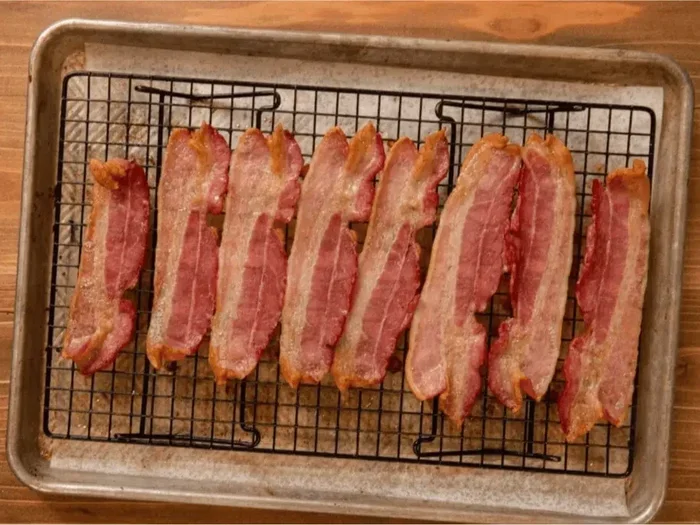
When your bacon is done, you will see a uniform golden-brown color across the entire strip. The edges should look slightly darker than the center. If the bacon still looks pale or pink in the middle, it needs more time. If it has turned dark brown or nearly black in spots, you have gone too far. Aim for that rich amber-brown tone that makes your mouth water just looking at it.
Texture and Flexibility
Texture is another reliable way to check doneness. When bacon is undercooked, it feels soft and floppy. You can bend it easily without much resistance. As it cooks, the fat renders out and the protein firms up. The strip becomes sturdier but still has some give.
Perfectly done bacon should feel firm yet slightly flexible. If you pick up a strip with tongs, it should bend gently without snapping in half. For crispy bacon, the strip will be more rigid and will break with a satisfying snap. For chewy bacon, there will be a slight bend and a softer feel. Both are perfectly fine as long as the fat has fully rendered and the color looks right.
The Smell Test
Do not underestimate your nose. Bacon that is done in the oven smells rich, smoky, and savory. The aroma fills your kitchen and tells you it is time to check the strips. If the smell is sharp or acrid, that is a warning sign that the bacon is burning. A pleasant, smoky fragrance means you are right on track.
Oven Temperature and Timing: The Numbers That Matter
Temperature plays a huge role in how your bacon turns out. Too low and the bacon will take forever to cook, becoming chewy and potentially soggy. Too high and the outside burns before the fat has a chance to render properly. Getting the temperature right is the first step in mastering how to tell if bacon is done in oven.
Recommended Oven Temperatures
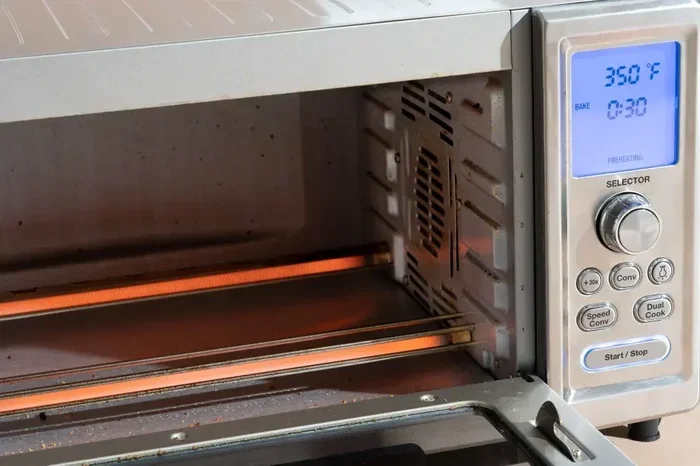
Most experts agree that 400°F is the sweet spot for oven-baked bacon. At this temperature, the fat renders quickly and the meat crisps up evenly. If you prefer a slower, more controlled cook, 375°F works well too. It gives you a bit more time to monitor the bacon and adjust as needed.
Here is a quick reference for common oven temperatures and what they do:
- 350°F: Slower cook, great for extra-thick-cut bacon. Results in a chewier texture.
- 375°F: A balanced temperature that works well for most bacon types. Good for both chewy and crispy results.
- 400°F: The most popular choice. Produces evenly crispy bacon with beautifully rendered fat.
- 425°F: Fast and aggressive. Best for thin bacon. Watch carefully to prevent burning.
Typical Cooking Times
Cooking time depends on your oven temperature, the thickness of the bacon, and how many strips you are cooking. Here is a general guideline to help you plan:
- Thin-cut bacon at 400°F: 12 to 18 minutes
- Regular-cut bacon at 400°F: 18 to 22 minutes
- Thick-cut bacon at 375°F: 22 to 28 minutes
- Extra-thick-cut bacon at 375°F: 25 to 35 minutes
These are starting points, not rules set in stone. Every oven behaves differently. Some ovens run hot, while others run cool. The first time you try a new batch, stay near the oven and check the bacon every few minutes. After a few attempts, you will know exactly when to pull it out.
The Wire Rack Method: Why It Elevates Your Bacon
If you want to know how to tell if bacon is done in oven more easily, try the wire rack method. Instead of laying bacon directly on a baking sheet, you place a wire cooling rack on top of a sheet pan lined with parchment paper or aluminum foil. Then you lay the bacon strips across the rack.
This setup allows hot air to circulate around the entire strip. The fat drips down through the rack and onto the pan below. The result is bacon that is crispy on the bottom and evenly cooked all the way through, without sitting in its own grease.
Step-by-Step Wire Rack Method
- Preheat your oven to 400°F.
- Line a baking sheet with parchment paper for easy cleanup.
- Place a wire cooling rack on top of the prepared sheet pan.
- Lay the bacon strips flat across the rack, leaving a small gap between each piece.
- Slide the pan into the oven on the middle rack.
- Check the bacon at the 12-minute mark and continue checking every 3 to 4 minutes.
- Remove when the bacon reaches your preferred color and texture.
- Transfer the strips to a plate lined with paper towels to drain excess grease.
The wire rack method also makes it easier to monitor doneness. You can see every strip clearly without having to move anything around. This reduces the chances of accidentally tearing or flipping a strip and losing its shape.
Common Mistakes That Lead to Overcooked or Undercooked Bacon
Even experienced cooks make mistakes when baking bacon. Knowing what to avoid will help you achieve better results every time you use the oven.
Overcrowding the Baking Sheet
One of the most common errors is cramming too many bacon strips onto one sheet pan. When strips overlap or sit too close together, the hot air cannot circulate properly. Some pieces steam instead of bake, and you end up with unevenly cooked bacon. Give each strip enough room to breathe.
Skipping the Parchment Paper
Some people skip lining their baking sheet to save time. This is a mistake. Bacon grease splatters and sticks to the pan, making cleanup a nightmare. Parchment paper or aluminum foil catches the grease and makes the entire process smoother. Plus, it prevents the bacon from sticking to the pan as it cooks.
Relying Only on the Timer
Your oven timer is a helpful tool, but it should not be your only guide. Ovens vary in temperature accuracy. The bacon in your neighbor’s oven might be done in 15 minutes, while yours needs 22 minutes. Always use visual and texture cues as your primary indicators of doneness.
Not Accounting for Carryover Cooking
Here is something many people overlook. Bacon continues to cook after you remove it from the oven. The residual heat in the strips and the hot pan keep the cooking process going for a minute or two. This is called carryover cooking. If you wait until the bacon looks exactly how you want it inside the oven, it will be overdone by the time it hits the plate.
To avoid this, pull the bacon off the baking sheet just before it reaches your ideal doneness. Let it rest on a plate or paper towels for a minute. It will firm up and reach the perfect level of crispness without burning.
How to Store and Reheat Cooked Bacon
Sometimes you cook more bacon than you can eat in one sitting. That is perfectly fine. Cooked bacon stores well and can be reheated without losing too much of its texture. Knowing how to handle leftovers is part of mastering the whole process of baking bacon in the oven.
Storage Tips
Let the bacon cool completely before storing it. Place the strips in an airtight container or a zip-lock bag. You can store cooked bacon in the refrigerator for up to five days. For longer storage, wrap the strips tightly and freeze them for up to three months.
Reheating for Crispness
Reheating bacon in the oven is the best way to bring back that crispy texture. Preheat the oven to 350°F, lay the bacon on a baking sheet, and warm it for 5 to 8 minutes. Check it at the 5-minute mark. The bacon should feel warm and regain some of its original crunch without becoming brittle or burnt.
Avoid reheating bacon in the microwave if you can. It tends to make the strips rubbery and unevenly heated. The oven gives you much better control over the final texture.
Health and Safety Tips for Cooking Bacon in the Oven
Cooking bacon in the oven is generally safe, but there are a few precautions worth keeping in mind. The hot grease can splatter when the bacon is cooking, especially at higher temperatures. To protect yourself and your kitchen, follow these simple safety tips.
- Use a deep baking sheet: A rimmed sheet pan catches grease splashes and prevents messes on your oven floor.
- Line the pan properly: Parchment paper or foil makes cleanup easier and reduces the risk of grease fires.
- Wear oven mitts: The bacon grease on the pan will be extremely hot. Always use thick oven mitts when handling the baking sheet.
- Keep a fire extinguisher nearby: In the rare event of a grease flare-up, having an extinguisher within reach is important for safety.
- Let grease cool before disposal: Never pour hot bacon grease down the drain. Let it solidify in a container, then dispose of it in the trash.
Following these tips keeps your kitchen safe and your bacon-cooking experience enjoyable. Once you build these habits into your routine, you will feel confident every time you bake a batch.
Conclusion
Learning how to tell if bacon is done in oven is a simple skill that transforms your breakfast game completely. You no longer have to stand over the stove flipping strips or wonder if that pink center means your bacon is still raw. With the right temperature, proper timing, and a few visual and texture cues, you can cook perfect bacon every single time.
Remember to watch the color, feel the texture, and trust your nose. Use a wire rack for even cooking, avoid the common mistakes we covered, and always account for carryover cooking. Whether you prefer your bacon thin and crispy or thick and chewy, these methods give you full control over the outcome.
The next time you line up a baking sheet of bacon, you will know exactly what to look for. No guesswork. No stress. Just perfectly cooked bacon that tastes incredible and makes your whole kitchen smell amazing. Put these tips into practice, and you will wonder how you ever cooked bacon any other way.
Frequently Asked Questions
Can I use a convection oven to bake bacon?
Yes, a convection oven works wonderfully for bacon. The fan circulates hot air around the strips, which helps them cook more evenly. You may need to reduce the temperature by about 25 degrees and check the bacon a few minutes earlier than you would in a conventional oven. The result is beautifully crispy bacon with minimal effort.
How do I know if bacon is undercooked?
Undercooked bacon will look pale pink or light brown with soft, floppy texture. The fat will still appear white or translucent rather than golden and rendered. If the bacon bends easily without any resistance and the center feels raw or rubbery, it needs more time in the oven. Always check for a uniform golden-brown color before serving.
Is it safe to eat slightly chewy bacon from the oven?
Yes, slightly chewy bacon is safe to eat as long as it has reached an internal temperature of at least 145°F. The fat should be fully rendered, and the color should be consistent throughout the strip. Chewy bacon is simply bacon that has been cooked for a shorter time at a moderate temperature. It is a matter of personal preference rather than a safety concern.
How long can I store cooked bacon?
Cooked bacon keeps in the refrigerator for up to five days when stored in an airtight container. For longer storage, you can freeze it for up to three months. Make sure the bacon is completely cool before storing it. When reheating, the oven method at 350°F for 5 to 8 minutes restores the best texture.
Why does my bacon burn even at the right temperature?
Several factors can cause bacon to burn even when you set the correct temperature. Your oven may run hotter than the dial indicates, which is very common in older models. Thin-cut bacon also burns faster than thick-cut because it loses moisture quickly. Overcrowding the pan and not checking the bacon frequently can also lead to burning. Always stay near the oven and check your bacon every few minutes.
Can I reuse bacon grease after baking?
Absolutely. Bacon grease is a flavorful cooking fat that can be reused for frying eggs, roasting vegetables, or making grilled sandwiches. After the bacon is done, let the grease cool slightly, then strain it through a fine mesh sieve into a heat-safe jar. Store it in the refrigerator for up to three months. Just make sure no bacon bits get into the stored grease, as they can cause it to spoil faster.