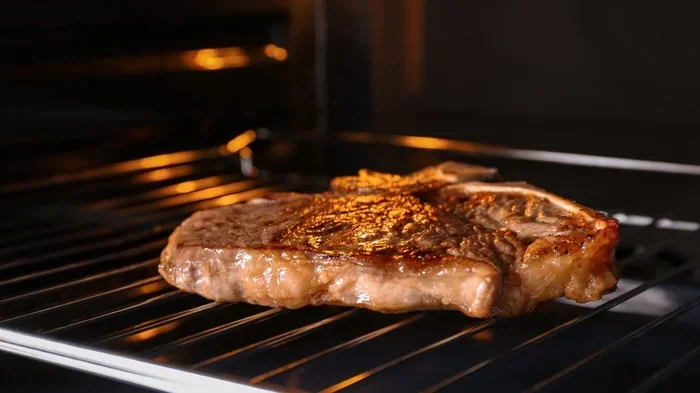
How Long To Heat Up Steak In Oven For Juicy Results
How long to heat up steak in oven depends on thickness and desired doneness, but most steaks take 10 to 25 minutes at 400°F to 450°F. Using the right oven temperature for steak and letting the meat rest afterward are two keys to juicy, flavorful results. This guide walks you through every step so you can cook steak in oven like a pro.
There is something deeply satisfying about a steak cooked in the oven. It is simple, hands-off, and delivers consistent results every single time. Whether you are cooking a thin sirloin or a thick ribeye, knowing how long to heat up steak in oven makes all the difference.
Many people avoid cooking steak in the oven because they think it is too complicated. But the truth is, oven-baked steak is one of the easiest and most reliable methods you can use. With the right oven temperature for steak and a basic understanding of timing, you will get restaurant-quality results at home.
This guide covers everything you need to know. From choosing the right cut to pulling the steak off the heat at the perfect moment, you will find practical advice here. We will also share quick tips and common mistakes to avoid. By the end, you will feel confident enough to cook steak in oven anytime you want.
Key Takeaways
- Thin steaks (under 1 inch): Cook for 10 to 15 minutes at 425°F for a juicy finish.
- Thick steaks (1.5 inches or more): Expect 18 to 25 minutes at 400°F to 425°F.
- Always preheat your oven: A properly heated oven ensures even cooking and a great sear.
- Use a meat thermometer: Internal steak temperature is the most reliable way to check doneness.
- Let steak rest for 5 to 10 minutes: This keeps juices locked in after cooking.
- The reverse sear method gives perfect edge-to-edge doneness with a beautiful crust.
- Season simply and well: Salt, pepper, garlic, and a touch of oil go a long way for oven-baked steak.
📑 Table of Contents
- The Basics Of How Long To Heat Up Steak In Oven
- Step-By-Step Guide To Cooking Steak In Oven
- The Reverse Sear Method For Perfect Steak
- Steak Doneness Levels And Internal Temperatures
- Common Mistakes When Heating Steak In Oven
- Quick Tips For Juicy Steak Every Time
- Comparison: Sear First vs Reverse Sear
- Conclusion
The Basics Of How Long To Heat Up Steak In Oven
Cooking time varies based on a few simple factors. The thickness of the steak matters most. A thin flank steak behaves very differently from a thick bone-in ribeye. Your oven temperature and the level of doneness you want also play big roles.
Here is a general idea of steak cooking time based on thickness:
- Thin steaks (under 1 inch): 10 to 15 minutes at 425°F
- Medium steaks (1 to 1.5 inches): 15 to 20 minutes at 400°F to 425°F
- Thick steaks (1.5 inches and above): 20 to 25 minutes at 400°F
These times are for reaching medium-rare. You can adjust them slightly depending on how done you like your steak. Always use a meat thermometer to check the internal steak temperature. This is far more reliable than guessing by time alone.
The oven temperature for steak usually falls between 400°F and 450°F. Higher temperatures give you a better crust. Lower temperatures work well for thicker cuts that need more gentle cooking. Let us look at temperature choices in more detail.
Why Temperature Matters For Oven-Baked Steak
Temperature is the single most important variable when you cook steak in oven. Too low and the steak dries out before it cooks through. Too high and the outside burns before the inside is done.
Most experts agree that 400°F to 425°F is the sweet spot for oven-baked steak. At this range, the steak gets a nice brown crust on the outside while staying juicy and pink inside. If you prefer a more well-done steak, you might lower the temperature slightly and extend the cooking time.
For the best results, always preheat oven for steak before placing the meat inside. A hot oven from the start helps seal in moisture and creates that beautiful sear you love.
Step-By-Step Guide To Cooking Steak In Oven
Follow these steps and you will never second-guess yourself again. Cooking steak in oven is simple once you know the process.
Step 1: Choose Your Steak
Start with a good-quality cut. Ribeye, New York strip, filet mignon, and sirloin all work wonderfully in the oven. Look for steaks that are at least 1 inch thick for the best results with this method. Thinner cuts can overcook quickly, so adjust your timing accordingly.
Step 2: Season The Steak
Keep it simple. Coarse salt and black pepper are all you really need. Some people add garlic powder, smoked paprika, or a drizzle of olive oil. Let the steak sit at room temperature for about 30 minutes before cooking. This helps it cook more evenly.
Step 3: Preheat The Oven
Set your oven to 400°F to 425°F. Give it at least 15 to 20 minutes to reach the right temperature. A fully preheated oven for steak is essential for even cooking and a great crust.
Step 4: Sear First (Optional But Recommended)
While the oven heats, heat a cast iron skillet on the stove with a little oil. Sear each side of the steak for about 1 to 2 minutes. This step adds flavor and color. After searing, transfer the skillet directly into the oven.
Step 5: Cook And Monitor
Place the skillet with the steak into the oven. Set a timer and check the internal steak temperature with a meat thermometer. For medium-rare, aim for 130°F to 135°F. For medium, target 140°F to 145°F.
Step 6: Rest The Steak
Once the steak reaches your desired temperature, take it out of the oven. Let it rest on a cutting board for 5 to 10 minutes. This step is crucial. Resting allows the juices to redistribute, so every bite is moist and full of flavor.
The Reverse Sear Method For Perfect Steak
The reverse sear steak method has become very popular among home cooks. It is especially great for thick cuts. Instead of searing first and finishing in the oven, you do it in reverse. You cook the steak low and slow in the oven first, then sear it at the end.
Here is how the reverse sear works:
- Preheat your oven to 250°F to 275°F.
- Place the seasoned steak on a wire rack over a baking sheet.
- Cook until the internal temperature reaches about 10 to 15 degrees below your target doneness.
- Remove the steak and sear it in a hot cast iron skillet for 1 to 2 minutes per side.
- Rest the steak for 5 to 10 minutes before serving.
This method gives you perfect edge-to-edge doneness. There is no gray band of overcooked meat. The outside gets a deep, caramelized crust while the inside stays evenly cooked. It takes a bit longer, usually 30 to 45 minutes total, but the results are worth it.
When To Use The Reverse Sear
The reverse sear works best for steaks that are 1.5 inches thick or more. Thin steaks do not need this method. For those, a traditional sear-and-oven approach is faster and just as effective. If you are cooking a thick ribeye or tomahawk steak, the reverse sear is your best friend.
Steak Doneness Levels And Internal Temperatures
Knowing your preferred level of doneness helps you set the right steak temperature and pull the meat at the right time. Here is a simple guide:
- Rare: 120°F to 125°F internal temperature. Very red and cool in the center.
- Medium-Rare: 130°F to 135°F. Warm red center. This is the most popular choice.
- Medium: 140°F to 145°F. Pink center with some warmth.
- Medium-Well: 150°F to 155°F. Slightly pink center.
- Well-Done: 160°F and above. Little to no pink remaining.
Remember that the internal steak temperature will rise by about 5 degrees after you remove the steak from the oven. This is called carryover cooking. Factor this in when you check the thermometer so you do not overshoot your target.
Common Mistakes When Heating Steak In Oven
Even experienced cooks make mistakes. Here are the most common ones and how to avoid them.
Skipping The Preheat
Never put steak into a cold oven. A preheated oven for steak ensures the meat starts cooking immediately at the right temperature. Cold ovens lead to uneven cooking and longer total time.
Not Using A Meat Thermometer
Timing is just a guide. Every oven is different, and every steak varies in thickness. A meat thermometer removes all guesswork. It is the single best tool for getting consistent results with oven-baked steak.
Cutting Into The Steak Too Soon
Resist the urge to cut into the steak right away. Doing so releases all the juices onto the cutting board. Let the steak rest for at least 5 minutes. Your juicy steak tips will thank you.
Using The Wrong Rack Position
Place the steak on the middle oven rack for the most even heat distribution. The top rack is better for broiling, not for slow roasting. The bottom rack can cause the bottom of the steak to overcook before the top catches up.
Overcooking Thin Steaks
Thin steaks cook very fast. They can go from perfect to overdone in just a few minutes. If you are cooking a steak under 1 inch thick, watch it closely and pull it early.
Quick Tips For Juicy Steak Every Time
Want to take your oven-baked steak to the next level? Try these quick tips:
- Brine the steak: Soak it in salted water for 30 minutes to an hour before cooking. This adds moisture and flavor.
- Use a wire rack: It allows air to circulate around the steak for more even cooking.
- Add butter and herbs: After searing, add a knob of butter, thyme, and garlic to the skillet before transferring to the oven.
- Let the steak come to room temperature: Take it out of the fridge 30 minutes before cooking for more even results.
- Rest the steak properly: 5 to 10 minutes on a warm plate keeps it juicy.
- Slice against the grain: This makes the steak more tender and easier to chew.
These small changes can make a big difference. Even experienced cooks use these tricks to get the best oven-baked steak possible. Try them the next time you cook steak in oven and you will notice the improvement right away.
Comparison: Sear First vs Reverse Sear
Both methods produce excellent results. Here is how they compare:
- Sear First Method: Faster (25 to 30 minutes total). Best for steaks under 1.5 inches. Gives a bold crust and a slightly pinker edge.
- Reverse Sear Method: Slower (35 to 50 minutes total). Best for steaks 1.5 inches or thicker. Gives uniform pinkness from edge to edge.
Choose the method that fits your steak thickness and your schedule. Both are valid and both produce delicious results. The key is to use a thermometer and not to rush the process.
Conclusion
Knowing how long to heat up steak in oven is the foundation of great home cooking. With the right oven temperature for steak, a little patience, and a meat thermometer, you can cook steak in oven that rivals any restaurant. Whether you prefer the traditional sear-and-oven method or the reverse sear, the principles are the same: preheat well, monitor temperature, and let the steak rest.
Start with a good cut of meat. Season it simply. Cook it at 400°F to 425°F for most steaks, and adjust time based on thickness. Pull the steak when it is a few degrees below your target temperature and let it rest. Follow these steps and you will enjoy juicy, flavorful steak every single time.
Now that you have all the tools and knowledge, it is time to put them to use. Pick your favorite cut, fire up the oven, and enjoy the process. Great steak starts with understanding the basics, and you now have everything you need to succeed.
Frequently Asked Questions
Can I cook steak in oven without searing it first?
Yes, you absolutely can. Many people skip the stovetop sear and simply place a seasoned steak directly into a preheated oven. The result will be slightly less crusty on the outside but still juicy and flavorful inside. If you want a deeper crust, searing first is recommended but not required.
What is the best oven temperature for a 1-inch steak?
For a 1-inch steak, set your oven to 425°F and cook for about 10 to 15 minutes. This works well for medium-rare if you check the internal steak temperature around 125°F to 130°F. Adjust the time based on how done you like your steak.
How do I know when my steak is done without a thermometer?
You can use the finger press test. Press the center of the steak with your finger. A rare steak feels soft, medium-rare feels slightly firm, and well-done feels very firm. However, a meat thermometer is much more accurate and takes the guesswork out of the process entirely.
Can I use a baking sheet instead of a cast iron skillet for oven-baked steak?
Yes, you can place the steak directly on a lined baking sheet. A cast iron skillet is better because it retains heat and gives a better sear if you choose to sear first. But for the reverse sear method, a wire rack on a baking sheet works perfectly.
How long should I let steak rest after cooking it in the oven?
Let the steak rest for at least 5 minutes, but 10 minutes is even better for thicker cuts. During this time, the juices redistribute throughout the meat. Cutting too soon causes those juices to run out, leaving you with a drier steak.
Is the reverse sear method better for thick or thin steaks?
The reverse sear steak method works best for thick steaks, 1.5 inches or more. Thin steaks cook too quickly for this low-and-slow approach to be practical. For thin cuts, the traditional sear-first method is faster and produces excellent results.