What Temp To Bake Baby Back Ribs In Oven Perfectly Tender
Baking baby back ribs in the oven at the right temperature is the secret to tender, juicy, and flavorful ribs every single time. The ideal temp to bake baby back ribs in oven is between 275°F and 325°F, depending on how much time you have and the texture you prefer. This guide covers everything from prep and seasoning to timing, wrapping techniques, and finishing with a delicious glaze.
There is nothing quite like a rack of baby back ribs pulled straight from the oven. The meat is tender, the bark is flavorful, and every bite melts in your mouth. But getting ribs to that perfect level of tenderness takes more than just tossing them in the oven and hoping for the best.
If you have ever wondered what temp to bake baby back ribs in oven, you are in the right place. This guide covers everything you need to know — from choosing the right temperature to timing, wrapping techniques, and finishing touches. Whether you are a beginner or a seasoned griller, these tips will help you bake ribs that impress everyone at the table.
The key to oven-baked ribs is patience and precision. Baking at too high a temperature dries out the meat, while too low a temperature can leave you waiting for hours. Finding that sweet spot makes all the difference. Let us dive into the details so you can bake ribs like a pro every single time.
Key Takeaways
- Low and slow is best: Baking ribs at 275°F to 325°F ensures tender, juicy meat that falls off the bone.
- Internal temperature matters: Aim for an internal rib temperature of 195°F to 203°F for perfect tenderness.
- The 3-2-1 method works well: This popular technique gives you smoke flavor, tenderness, and a sweet glaze.
- Wrapping in foil speeds things up: The Texas crutch method locks in moisture and reduces cooking time significantly.
- Resting your ribs is essential: Letting them rest for 10 to 15 minutes redistributes juices for a better bite.
- Seasoning early makes a difference: Applying your dry rub at least one hour before baking lets flavors penetrate deeply.
- A meat thermometer is non-negotiable: Guessing doneness leads to overcooked or undercooked ribs every time.
📑 Table of Contents
- Understanding Baby Back Ribs and Why Oven Baking Works
- What Temp to Bake Baby Back Ribs In Oven: The Ideal Temperature Range
- Step-by-Step Guide to Baking Baby Back Ribs
- The Internal Temperature: How to Know When Ribs Are Done
- Popular Baking Methods Compared
- Common Mistakes to Avoid When Baking Ribs
- Tips for Extra Flavor and Tenderness
- How to Store and Reheat Leftover Ribs
- Frequently Asked Questions
- Final Thoughts
Understanding Baby Back Ribs and Why Oven Baking Works
Baby back ribs come from the top of the pig’s rib cage, near the spine. They are smaller, leaner, and more tender than spare ribs. Because of their leaner meat profile, they cook faster and respond well to low-and-slow oven baking. This is why the oven is one of the best tools for cooking pork ribs at home.
Why Choose the Oven Over a Grill?
Grilling ribs outdoors is fantastic, but it comes with challenges. Wind, weather, and temperature fluctuations can all affect your cook. The oven gives you a controlled environment where heat surrounds the ribs evenly. This consistent heat is ideal for achieving that fall-off-the-bone texture without constantly monitoring the flame.
Another benefit of oven baking is convenience. You do not need a large backyard or expensive equipment. A standard oven, a baking sheet, and some aluminum foil are all you need to get started. This makes oven-baked ribs accessible to anyone, regardless of their setup.
Anatomy of a Rack of Ribs
Before you start baking, it helps to understand the cut you are working with. A full rack of baby back ribs typically has 10 to 13 bones. The meat sits between and on top of the bones, with a layer of fat on top. Removing the thin membrane on the bone side allows seasoning to penetrate deeper and helps the meat cook more evenly.
Knowing your cut also helps you estimate cooking time. A full rack usually weighs between 2 and 3 pounds. A half rack cooks faster and is perfect for smaller families or those who want to experiment with different recipes.
What Temp to Bake Baby Back Ribs In Oven: The Ideal Temperature Range
The most common and recommended temperature for baking baby back ribs is 275°F. This low temperature allows the collagen in the meat to break down slowly, resulting in incredibly tender ribs. If you are short on time, you can increase the oven temperature to 325°F, which cuts the cooking time by about 30 to 45 minutes.
Here is a quick breakdown of the most popular temperature options:
- 275°F: The gold standard for low-and-slow baking. Expect a cooking time of about 3 to 3.5 hours for a full rack.
- 300°F: A good middle ground. Ribs cook in roughly 2.5 to 3 hours and still turn out tender.
- 325°F: The fastest oven option. A full rack finishes in about 2 to 2.5 hours, though you need to watch them closely to avoid drying out.
Each temperature has its merits. The lower you go, the more time the heat has to dissolve the connective tissue in the ribs. This is why 275°F remains the favorite among barbecue enthusiasts. However, life gets busy, and sometimes you need ribs on the table faster. 325°F works well when time is tight, as long as you use the wrapping technique we will cover next.
Step-by-Step Guide to Baking Baby Back Ribs
Now that you know the ideal temperature, let us walk through the entire process. Follow these steps for ribs that are juicy, flavorful, and perfectly tender every time.
Step 1: Prep the Ribs
Start by removing the membrane from the back of the rack. Use a butter knife to loosen one corner, then grip it with a paper towel and peel it off. This step is easy to skip, but removing the membrane allows your seasoning to reach the meat directly and helps the ribs cook more evenly.
Next, pat the ribs dry with paper towels. Dry meat absorbs seasoning better and develops a nicer bark during baking. If you have time, place the ribs in the refrigerator uncovered for a few hours or overnight. This dries the surface further, which leads to a better texture after baking.
Step 2: Apply Your Dry Rub
A good rib rub recipe is the foundation of great oven-baked ribs. A basic rub includes brown sugar, paprika, garlic powder, onion powder, salt, black pepper, and a touch of cayenne for heat. Mix these together and apply generously to all sides of the ribs.
For the best flavor, apply your rub at least one hour before baking — or even the night before. Letting the rub sit on the meat allows the flavors to penetrate deep into the muscle fibers. If you are short on time, applying it right before baking still works, but the flavor will be less intense.
Step 3: Wrap and Place on the Rack
Wrap the ribs tightly in a large sheet of aluminum foil. This is called the Texas crutch, and it works wonders for tender ribs. The foil traps steam, which keeps the meat moist and speeds up the cooking process. Place the wrapped ribs meat-side down on a baking sheet or in a rib rack.
Using a rib rack is optional but helpful. It elevates the ribs, allowing hot air to circulate around them more evenly. It also saves space in your oven if you are baking multiple racks at once.
Step 4: Bake at the Right Temperature
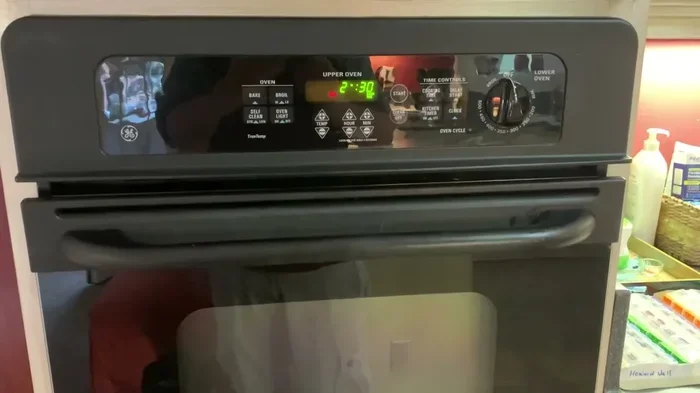
Place the ribs in the oven at your chosen temperature — 275°F for the best results, or 325°F if you are in a hurry. Bake for approximately 2.5 to 3.5 hours, depending on the temperature and the size of the rack.
After about 2 hours, check the ribs. The meat should have pulled back from the edges of the bones by about a quarter inch. This is a good sign that the ribs are progressing well. If the foil is leaking juices, simply re-wrap it more tightly.
Step 5: Unwrap and Glaze
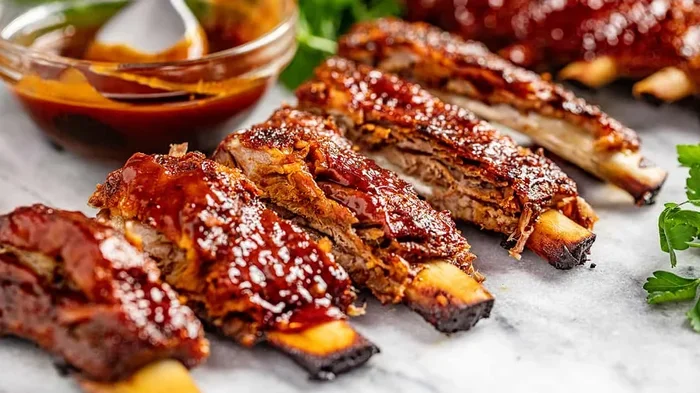
After the initial bake, remove the foil and brush your ribs with a sauce or glaze. You can use a store-bought barbecue sauce or make your own with ketchup, apple cider vinegar, brown sugar, and a splash of Worcestershire sauce. Return the ribs to the oven uncovered for an additional 30 to 45 minutes. This step caramelizes the sauce and builds a beautiful sticky glaze.
During this final phase, you can also increase the oven temperature to 400°F for the last 10 minutes. This gives the ribs a slightly crispier exterior without overcooking the interior meat.
Step 6: Rest and Serve
Once the ribs are done, remove them from the oven and let them rest for 10 to 15 minutes. Resting allows the juices to redistribute throughout the meat, making each bite more flavorful and juicy. Slice between the bones and serve with extra sauce on the side.
The Internal Temperature: How to Know When Ribs Are Done
Timing is important, but internal temperature is the real indicator of doneness. The ideal internal temperature for baked baby back ribs is between 195°F and 203°F. At this range, the collagen has fully broken down, and the meat is tender and juicy.
Invest in a good meat thermometer. Insert it into the thickest part of the meat, avoiding the bone, which conducts heat differently. If the ribs are below 190°F, they need more time. If they are above 205°F, they may be overcooked and drying out.
Another way to test for doneness is the bend test. Pick up the rack from one end with tongs. If the ribs bend and cracks form on the surface, they are ready. If they still feel stiff, they need more time in the oven.
Popular Baking Methods Compared
There are several approaches to baking ribs in the oven. Each method has its own advantages depending on your schedule and preferences. Let us compare the most popular techniques.
| Method | Temperature | Time (Full Rack) | Texture | Best For |
|---|---|---|---|---|
| Low and Slow (Foil-Wrapped) | 275°F | 3 to 3.5 hours | Very tender, fall-off-the-bone | Beginners, busy days |
| Moderate (Foil-Wrapped) | 300°F | 2.5 to 3 hours | Tender, slightly firmer | Balanced approach |
| Higher Heat (Unwrapped Finish) | 325°F | 2 to 2.5 hours | Firmer bark, juicy meat | Experienced bakers |
| 3-2-1 Method (Smoker-Style) | 275°F | 5 to 6 hours | Deep smoky flavor | Flavor enthusiasts |
The 3-2-1 method is a favorite among barbecue lovers. It involves smoking or baking ribs for 3 hours wrapped in foil, then 2 hours unwrapped with sauce, and finally 1 hour with additional glaze. This method works best in an oven or smoker and produces ribs with complex, layered flavors.
For most home cooks, the low and slow method at 275°F is the easiest and most reliable. It requires minimal attention and delivers consistent, delicious results. If you are new to baking ribs, start with this method and adjust from there based on your preferences.
Common Mistakes to Avoid When Baking Ribs
Even experienced cooks make mistakes when baking ribs. Here are the most common errors and how to avoid them:
- Skipping the membrane removal: This thin layer blocks seasoning and creates a chewy texture. Always remove it before baking.
- Baking at too high a temperature: High heat dries out the meat before the collagen has time to break down. Stick to 275°F to 325°F for the best results.
- Not using a meat thermometer: Guessing doneness is a recipe for disappointment. A thermometer takes the guesswork out entirely.
- Opening the oven too often: Every time you open the oven door, heat escapes. This extends cooking time and can lead to uneven results.
- Saucing too early: Adding sauce too soon causes it to burn and turn bitter. Wait until the last 30 to 45 minutes of baking.
- Cutting too soon after baking: Cutting into ribs right out of the oven releases all the juices. Let them rest first for a juicier result.
Tips for Extra Flavor and Tenderness
Want to take your oven-baked ribs to the next level? Try these expert tips that make a noticeable difference in flavor and texture.
- Add apple cider vinegar to your wrap: A splash of vinegar inside the foil adds moisture and a subtle tang that complements the sweetness of the meat.
- Use brown sugar in your rub: Brown sugar caramelizes during baking, creating a beautiful glaze and a slight crunch on the exterior.
- Brine overnight: Soaking ribs in a saltwater solution with brown sugar and spices for 8 to 12 hours before baking adds moisture and deepens flavor.
- Try a dry rub with coffee grounds: Coffee adds a rich, smoky depth to your rub that pairs beautifully with pork.
- Layer your sauce: Apply sauce in thin layers rather than one thick coat. This builds flavor gradually and prevents burning.
How to Store and Reheat Leftover Ribs
Leftover ribs are a treat, but they need proper storage to maintain their quality. Wrap cooled ribs tightly in aluminum foil or place them in an airtight container. Refrigerate within two hours of cooking, and they will keep for up to 3 to 4 days.
To reheat, wrap the ribs in foil with a splash of apple juice or broth. Bake at 275°F for 20 to 30 minutes until warmed through. Avoid microwaving, as it tends to dry out the meat and make it rubbery. Reheating low and slow preserves the tenderness you worked so hard to achieve.
You can also freeze baked ribs for up to 3 months. Wrap them tightly in plastic wrap and foil, label with the date, and thaw in the refrigerator overnight before reheating.
Frequently Asked Questions
What is the best temperature to bake baby back ribs in the oven?
The best temperature to bake baby back ribs in oven is 275°F. This low-and-slow approach breaks down the collagen in the meat, resulting in tender, juicy ribs. If you are short on time, 325°F works well too, though you will need to monitor them more closely to prevent drying out.
How long does it take to bake ribs at 275 degrees?
A full rack of baby back ribs typically takes 3 to 3.5 hours at 275°F. The exact time depends on the thickness of the meat and the size of the rack. Always use a meat thermometer to confirm doneness — aim for an internal temperature of 195°F to 203°F.
Should I wrap ribs in foil when baking?
Yes, wrapping ribs in foil — also known as the Texas crutch — is highly recommended. The foil traps steam, which keeps the meat moist and tender. It also speeds up the cooking process. Remove the foil during the final 30 to 45 minutes to allow the exterior to develop a nice glaze and bark.
Can I bake ribs at 350 degrees?
You can, but 350°F is on the higher side for baby back ribs. At this temperature, the cooking time drops to about 1.5 to 2 hours, but the risk of drying out increases. If you choose this method, wrap the ribs tightly in foil for the first portion of cooking to retain moisture, then unwrap for the final glaze.
How do I know when ribs are done without a thermometer?
Use the bend test as a secondary indicator. Lift the rack from one end with tongs. If the ribs bend noticeably and surface cracks appear, they are likely done. The meat should have pulled back from the bone ends by about a quarter inch. However, a meat thermometer remains the most reliable tool for checking doneness.
What is the 3-2-1 method for baking ribs?
The 3-2-1 method is a popular technique where ribs smoke or bake for 3 hours wrapped in foil, then 2 hours unwrapped with sauce, and finally 1 hour with additional glaze. This method builds layered flavors and creates a beautiful balance of tenderness and caramelization. It works best at 275°F and takes about 5 to 6 hours total.
Final Thoughts
Baking baby back ribs in the oven is one of the most satisfying things you can do in the kitchen. The low-and-slow approach transforms a tough cut of meat into something incredibly tender and flavorful. The key is to maintain a steady temperature — ideally between 275°F and 325°F — and to be patient throughout the process.
Now that you know what temp to bake baby back ribs in oven, you have everything you need to create restaurant-quality ribs at home. Use a meat thermometer, remove the membrane, apply your rub generously, and give the ribs the time they need to cook low and slow. The results will speak for themselves.
Whether you are cooking for a family dinner, a weekend gathering, or simply treating yourself, oven-baked ribs are a dish that never disappoints. Try different rubs, experiment with sauces, and find your perfect combination. Once you master the basics, you can get creative and make these ribs your own signature recipe. Happy baking!