What Temp To Bake Frittata In Oven For Best Results
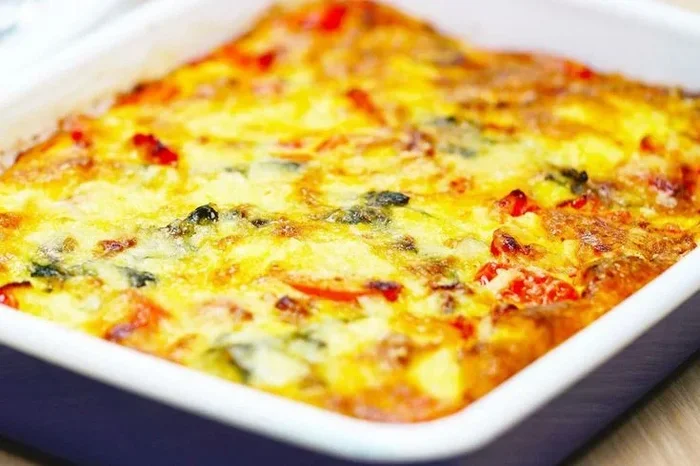
The ideal temp to bake frittata in oven is 350°F to 375°F for a perfectly set, fluffy center. Baking a frittata in the oven ensures even cooking and a beautiful golden top. This guide covers the exact temperature, timing, and tips for oven-baked frittata success.
A frittata is one of the easiest meals you can make. But to get it right, you need to know what temp to bake frittata in oven. The answer is simpler than you think.
Whether you’re feeding a crowd or prepping meals for the week, nailing the heat is key. Too hot and the edges burn before the center sets. Too low and you end up with a rubbery, pale disk. The right temperature gives you a fluffy interior and a gorgeous golden top. In this guide, I’ll walk you through everything you need to know. You’ll learn the exact degrees, the timing, and the little tricks that make all the difference.
This article covers the best oven temperature for frittata. It also dives into pan choices, timing, and common slip-ups. By the end, you’ll feel confident to pull a perfect oven-baked frittata from your oven every single time.
Key Takeaways
- 350°F to 375°F is the sweet spot: This range gives you a fluffy interior and a golden top without burning the edges.
- Always preheat your oven: A hot oven from the start helps the frittata set properly and rise evenly.
- Use an oven-safe skillet: Cast iron, stainless steel, or ceramic pans work best for a frittata oven-safe skillet that goes straight from stove to oven.
- Check doneness with a toothpick or thermometer: The center should be set but still slightly moist. An internal temperature of 160°F is perfect.
- Thin frittatas bake faster: A 1-inch frittata takes 20–25 minutes, while a thick 2-inch version needs 30–35 minutes at 350°F.
- Avoid common mistakes: Don’t skip the preheat, overfill the pan, or open the oven door too often, or your frittata may collapse.
📑 Table of Contents
- What Temp to Bake Frittata In Oven: The Ideal Range
- How Long to Bake a Frittata: Timing and Texture
- Choosing the Right Pan and Preheating Tips
- Step-by-Step Guide to Oven-Baked Frittata
- Tips for a Golden, Fluffy Finish
- Common Mistakes That Ruin Your Frittata
- Frittata Variations and Oven Adjustments
- Conclusion
What Temp to Bake Frittata In Oven: The Ideal Range
The frittata oven temperature you choose changes everything. Most recipes call for 350°F or 375°F. Both work beautifully, but they give slightly different results. Let’s break it down.
Why 350°F to 375°F Works So Well
Baking a frittata at 350°F is gentle and even. The eggs cook slowly, which creates a soft, custardy center. This temperature is perfect for a frittata recipe with lots of fillings. You get a fluffy texture without drying out the edges.
375°F gives you a bit more color. The top browns faster, and the edges turn slightly crispy. This egg bake temperature works well for thinner frittatas or when you want a golden, restaurant-style finish. I often use 375°F when I’m in a hurry.
Here’s a quick comparison of frittata oven temperatures and their effects:
| Oven Temperature | Best For | Texture | Approx. Baking Time (1-inch thick) |
|---|---|---|---|
| 325°F | Very gentle, custardy center | Soft, almost creamy | 30–35 minutes |
| 350°F | Balanced, fluffy frittata | Evenly cooked, tender | 25–30 minutes |
| 375°F | Golden, slightly crispy edges | Firm top, soft center | 20–25 minutes |
| 400°F | Quick bake, thin frittata | Crispy edges, risk of drying | 15–20 minutes |
For most home cooks, 350°F is the safest choice. It’s forgiving and gives you a beautiful frittata golden brown top without much guesswork. If you want a faster bake, 375°F is great, but keep an eye on it.
How Long to Bake a Frittata: Timing and Texture
The frittata cooking time depends on the thickness of your pan and the oven temperature. A thin frittata bakes fast. A thick one needs more patience. Here’s how to plan your timing.
Frittata Cooking Time by Thickness
- Thin frittata (1 inch): At 350°F, bake for 20–25 minutes. The edges will set first, and the center will puff up slightly.
- Medium frittata (1.5 inches): Bake for 25–30 minutes at 350°F. The top should look dry and the edges will pull away from the pan.
- Thick frittata (2 inches): You’ll need 30–35 minutes at 350°F. The center must reach frittata doneness without drying out.
Always use the toothpick test. Insert a toothpick into the center. If it comes out clean, the frittata center set is complete. Another method is to check the frittata internal temperature with a quick-read thermometer. 160°F is the target. The eggs will be fully cooked but still moist.
The Broiler Finish for Extra Color
If your frittata looks pale on top after baking, switch on the broiler. Place the pan on the top rack and broil for 1–2 minutes. Watch it closely. This trick gives you a frittata golden brown top without overcooking the bottom. It’s a restaurant secret that works every time.
Choosing the Right Pan and Preheating Tips
The pan you use affects how evenly your frittata bakes. Not all pans are created equal for oven use. Let’s find the best option.
Frittata Oven-Safe Skillet Options
The ideal frittata oven-safe skillet is one that can handle high heat. Here are the top choices:
- Cast iron skillet: Heats evenly and retains heat beautifully. It gives a slightly crispy bottom. Make sure it’s pre-seasoned or enameled for oven use.
- Stainless steel skillet: A great all-around option. It’s lightweight and conducts heat well. Look for an oven-safe handle rating.
- Ceramic or stoneware pan: Heats slowly but holds warmth. Perfect for a gentle frittata oven temperature like 350°F.
- Nonstick oven-safe skillet: Easy release is a bonus. Just ensure the handle is heat-resistant up to at least 400°F.
Avoid pans with plastic handles or non-oven-safe coatings. The best oven for frittata is any standard home oven. You don’t need a fancy convection setting, but if you have it, reduce the temperature by 25°F to prevent over-browning.
Why Preheating Matters
Never skip the preheat oven for frittata step. Putting your egg mixture into a cold pan and a cold oven leads to uneven cooking. The frittata will sink in the middle and take much longer to bake.
I always place the empty skillet in the oven as it preheats. This way, the pan is already hot when the eggs go in. The baking frittata process starts immediately, and you get a nice lift right from the edges. A hot pan also helps create those frittata edges crispy you love.
Step-by-Step Guide to Oven-Baked Frittata
Now that you know the frittata oven temperature and the right pan, let’s walk through the process. This frittata recipe is simple and foolproof.
- Preheat your oven to 350°F. Place your oven-safe skillet on the stove.
- Prepare the egg mixture. Whisk 8 large eggs with ¼ cup of milk or cream. Add salt, pepper, and a pinch of nutmeg if you like.
- Sauté your fillings. In the skillet, cook diced vegetables, cooked meats, or cheese over medium heat. Don’t brown them too much; they’ll finish in the oven.
- Pour the eggs over the fillings. Stir gently once with a spatula to distribute everything evenly. Let it cook on the stovetop for 1–2 minutes until the edges just set.
- Transfer to the oven. Place the skillet on the middle rack. Bake for 20–30 minutes depending on thickness.
- Check for doneness. The top should look dry and the center should jiggle only slightly. If you want a brown top, switch to the broiler for the last minute.
- Rest and serve. Let the frittata cool for 5 minutes. Run a spatula around the edges and slide it onto a plate. An oven-baked frittata is great warm, at room temperature, or even cold for a picnic.
You can also start the frittata entirely on the stovetop and finish it under the broiler. This method gives you more control over the bottom texture. It’s a great alternative if your oven runs hot.
Tips for a Golden, Fluffy Finish
Getting a perfect frittata golden brown top and a soft interior takes a few small tweaks. Here are my favorite tips.
Get the Edges Crispy and the Center Soft
For frittata edges crispy, brush the top of the frittata with a thin layer of cream or olive oil before baking. This creates a beautiful sheen and helps the surface set evenly. I also like to sprinkle a little grated cheese on top during the last 5 minutes of baking. The cheese melts into a golden crust without overcooking the eggs.
Don’t Overfill the Pan
It’s tempting to load up the skillet with vegetables and meat. But too many fillings weigh down the eggs and prevent them from rising. Keep your fillings to about one cup per 8 eggs. This ratio ensures a fluffy, frittata center set that holds together when sliced.
Use the Right Cheese
Soft cheeses like goat cheese or feta crumble and melt beautifully. Hard cheeses like Parmesan add sharpness and browning fast. A mix of both gives you the best flavor and texture. Add the cheese to the filling, not on top, unless you want a crispy cheese crust.
Common Mistakes That Ruin Your Frittata
Even experienced cooks make slip-ups with baking frittata. Here are the most common errors and how to fix them.
Skipping the Preheat
A cold oven means a cold start. The frittata sinks, the edges don’t set, and you end up with a flat, dense disk. Always preheat your oven to the target frittata oven temperature before you put the pan in.
Using Too High Heat
400°F or higher sounds fast, but it dries out the eggs before the center sets. The outside turns brown while the inside stays runny. Stick to 350°F or 375°F for the most reliable results. If you do use 400°F, choose a thin frittata and check it after 15 minutes.
Opening the Oven Door Too Often
Every time you open the door, the temperature drops by 25–50°F. This causes the frittata to collapse. The eggs need steady heat to rise and set. Resist the urge to peek. Use the oven light to check on the progress instead.
Overfilling the Pan
I mentioned this earlier, but it deserves its own warning. Too many fillings make the frittata heavy. It won’t puff up and the center stays gummy. Keep it simple: a handful of veggies, some cheese, and a splash of cream. That’s all you need for a perfect oven-baked frittata.
Frittata Variations and Oven Adjustments
The beauty of a frittata is that you can change the fillings and still use the same temp to bake frittata in oven. Here are a few ideas and how to adjust the bake.
Veggie-Loaded Frittata
Spinach, mushrooms, bell peppers, and onions are classic choices. Sauté them until they’re just soft. Moist vegetables release water, so pat them dry before adding to the eggs. A veggie-heavy frittata may need an extra 5 minutes at 350°F to set fully.
Meat Lover’s Frittata
Use cooked bacon, sausage, or ham. Pre-cook any raw meat before adding it to the egg mixture. This ensures the meat is safe and doesn’t release grease into the frittata. A meat-heavy frittata bakes best at 375°F for a slightly crispier top.
Spanish Tortilla Style
A Spanish tortilla is a thick, potato-based frittata. You’ll need to slice the potatoes thin and par-cook them in oil. The frittata oven temperature stays at 350°F, but the bake time extends to 40–45 minutes because of the dense potatoes. Flip the frittata onto a plate halfway through for an even golden crust.
Frittata vs Quiche in the Oven
People often confuse frittata and quiche. A quiche has a pastry crust and usually bakes at a lower temperature (325°F) for a creamy, custardy texture. A frittata vs quiche comparison shows that frittata is crustless and bakes hotter and faster. The egg bake temperature for frittata is higher to set the eggs quickly and create a firm yet fluffy structure.
Conclusion
Baking a frittata is one of the easiest ways to make a delicious meal. The secret is knowing what temp to bake frittata in oven. Stick to 350°F for a fluffy, even result, or bump it to 375°F for a golden, slightly crispy top. Always preheat your oven, use an oven-safe skillet, and avoid the common mistakes that cause a collapsed frittata.
With the right frittata oven temperature and a little practice, you’ll make frittatas that are perfectly set, golden, and full of flavor. Try different fillings, experiment with timing, and soon you’ll have a go-to frittata recipe that works every time. Your oven-baked frittata will become a weeknight favorite for the whole family.
Frequently Asked Questions
Can I bake a frittata at 400°F?
Yes, you can bake a frittata at 400°F, but it requires closer watching. This higher frittata oven temperature works best for thin frittatas and gives crispier edges. Reduce the baking time to 15–20 minutes and check early to prevent drying.
How do I know when frittata is done?
The center should be set but still slightly moist. Use a toothpick test or check the frittata internal temperature. A frittata is done when it reaches 160°F internally and the top looks dry with only a slight jiggle in the middle.
What pan is best for baking frittata in the oven?
An oven-safe skillet is ideal. Cast iron, stainless steel, or ceramic pans work great. A nonstick oven-safe skillet is also a good choice. Avoid pans with plastic handles or coatings not rated for high heat.
Can I make a frittata on the stovetop and finish in the oven?
Absolutely. This is a classic method. You sauté fillings on the stove, pour in the eggs, then transfer to the oven. Starting on the stovetop gives you control over the bottom texture before the frittata oven temperature finishes the cooking.
How long does a frittata take to bake?
It depends on the thickness. A thin frittata bakes in 20–25 minutes at 350°F. A thick one needs 30–35 minutes. Always check for doneness with a toothpick or thermometer rather than relying on time alone.
Why did my frittata collapse?
Usually from opening the oven door too often or underbaking. Keep the door closed and let the frittata set fully. Also, avoid too much filling, which weighs down the eggs and prevents them from rising properly.