When Was The Microwave Oven Made A Fascinating Journey
When Was The Microwave Oven Made? The answer traces back to 1945 when Percy Spencer accidentally discovered microwave cooking while working on radar technology. From bulky commercial units to sleek countertop models, the microwave oven has revolutionized how we prepare meals at home.
Key Takeaways
- The microwave oven was invented in 1945 by Percy Spencer, an engineer at Raytheon Corporation.
- The first commercial microwave oven hit the market in 1947 and weighed over 750 pounds.
- Home microwave ovens became widely available in the late 1960s and early 1970s.
- Microwave technology evolved from radar magnetrons to compact, energy-efficient kitchen appliances.
- Modern microwave ovens include smart features, inverter technology, and convection cooking.
- The microwave oven history shows how a wartime invention transformed everyday kitchen life.
- Knowing when the microwave oven was made helps appreciate the innovation behind this essential appliance.
📑 Table of Contents
- When Was The Microwave Oven Made? The Surprising Origin Story
- The Timeline of Microwave Oven Development
- How Microwave Ovens Changed Cooking Forever
- The Science Behind Microwave Cooking
- Common Mistakes People Make With Microwave Ovens
- Expert Insights on Microwave Oven Evolution
- Key Takeaways
- Comparison: Early Microwave Ovens vs. Modern Microwaves
- Why Knowing When The Microwave Oven Was Made Matters
- Conclusion
When Was The Microwave Oven Made? The Surprising Origin Story
If you have ever reheated last night’s dinner in seconds, you have a microwave oven to thank. But have you ever wondered when was the microwave oven made? The answer might surprise you. The journey from a wartime radar experiment to the compact kitchen appliance sitting on your counter is nothing short of remarkable.
The microwave oven invention happened by pure accident. In 1945, an engineer named Percy Spencer was working on radar magnetrons at Raytheon Corporation. He noticed that a chocolate bar in his pocket had melted. That single observation changed the way the world cooks food forever.
From that moment, microwave oven history took a wild turn. What started as a massive industrial machine eventually became the small, affordable home microwave found in kitchens around the globe. Let us walk through the full timeline of how this incredible appliance came to be.
The Accidental Discovery That Changed Everything
Percy Spencer was not a chef. He was not a food scientist. He was a self-taught engineer working on magnetron technology for the U.S. military during World War II. Magnetrons are the vacuum tubes that generate the microwave radiation used in radar systems.
One day in 1945, Spencer stood near an active magnetron. He felt a strange sensation in his pocket. When he reached in, he found that his chocolate bar had melted into a gooey mess. Most people would have just eaten the mess and moved on. But Spencer was curious. He wanted to understand what was happening.
He started experimenting. First, he held popcorn kernels near the magnetron. They popped almost instantly. Then he tried an egg. It exploded. These experiments proved that microwave energy could heat food rapidly. Spencer filed a patent for the microwave cooking process on October 8, 1945.
This discovery was born from electromagnetic wave technology that was originally designed for detecting enemy aircraft. No one could have predicted that a wartime invention would become one of the most used kitchen appliances in modern homes.
From Radar Tech to Kitchen Counter
The path from radar to cooking was not simple. Early microwave heating required large, expensive equipment. Raytheon Corporation invested heavily in turning Spencer’s discovery into a practical product. They called their first creation the Radarange.
The first microwave oven was nothing like the slim units we use today. It stood nearly six feet tall and weighed around 750 pounds. It needed a water cooling system and specialized electrical connections. The commercial microwave oven was designed for restaurants, ships, and military bases.
In 1947, Raytheon began selling the Radarange to commercial buyers. The price tag was around $5,000 — which is over $55,000 in today’s money. Clearly, the average household could not afford one. But the microwave development had officially begun.
The Timeline of Microwave Oven Development
Understanding when was the microwave oven made means looking at the full timeline. The appliance went through several major phases before becoming the countertop microwave we know today. Each phase brought new innovations and smaller designs.
1947: The First Commercial Model
The Radarange was the world’s first commercially available microwave oven. It used a water-cooled magnetron and was built into large spaces. Restaurants and food processing plants were the primary buyers. The machine could cook large quantities of food, but it was impractical for home use.
1952: Tappan Brings the Microwave Closer to Home
In 1952, Tappan Stove Company licensed the microwave oven technology from Raytheon. They introduced a smaller home model, but it still cost around $1,295 — equivalent to over $14,000 today. Sales were slow. Most families simply could not justify the expense.
1954: Raytheon Refines the Design
Raytheon continued improving the magnetron and microwave technology. They introduced the Model 45, a more compact version of the Radarange. The unit still weighed over 300 pounds but was slightly more practical. The microwave oven patent held by Spencer remained the foundation of all these developments.
1967: The Amana Radarange — A Turning Point
The real breakthrough came in 1967. Amana Corporation, a division of Raytheon, released the first countertop microwave oven designed for home kitchens. It was called the Amana Radarange. Priced at $495, it was still expensive but far more affordable than earlier models.
This was the moment when microwave cooking started becoming mainstream. Families could now own a microwave without needing a commercial kitchen. The compact design and reasonable price made the home microwave a realistic purchase for many households.
1970s: The Microwave Boom
The 1970s saw explosive growth in microwave oven sales. Prices dropped steadily as manufacturing improved. By the end of the decade, over one million microwave ovens were sold in the United States each year. The appliance shifted from a luxury item to a kitchen essential.
Manufacturers added features like variable power settings and timers. The microwave heating process became faster and more even. People started using microwaves for everything from reheating leftovers to cooking full meals.
1980s and Beyond: The Modern Microwave
By the 1980s, microwave ovens were present in over 25 percent of American homes. The microwave oven timeline shows how quickly adoption grew. By the 1990s, that number exceeded 90 percent.
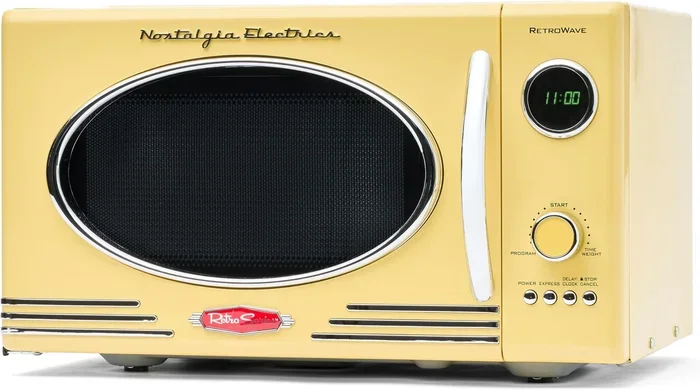
Modern microwave technology includes inverter power systems, sensor cooking, and convection microwave combinations. Today’s models are slim, energy-efficient, and packed with smart features. The journey from a 750-pound radar machine to a sleek countertop unit is truly incredible.
How Microwave Ovens Changed Cooking Forever
The impact of the microwave oven on home cooking cannot be overstated. Before microwaves, reheating food meant using a stove or oven. Cooking was slow and required constant attention. The microwave cooking method changed all of that.
Speed and Convenience
The biggest advantage of microwave heating is speed. A meal that takes 30 minutes in a conventional oven can be ready in five minutes in a microwave. This convenience transformed how families prepare and eat meals.
Working parents, students, and busy professionals all benefited from the quick heating capability. Leftovers that would have been thrown out could now be enjoyed the next day. Meal prep became faster and more efficient.
Energy Efficiency
Microwave ovens use significantly less energy than traditional ovens. They heat food directly rather than warming the air around it. This means lower electricity bills and a smaller carbon footprint.
For small meals and snacks, using a microwave is almost always more efficient than firing up a full-sized oven. This energy savings adds up over years of daily use.
Nutrient Retention
Many people do not realize that microwave cooking can actually preserve more nutrients than boiling or prolonged oven cooking. Because microwave cooking times are shorter, vitamins and minerals are less likely to break down.
Steaming vegetables in a microwave retains more vitamin C than boiling them on the stove. This is one of the health benefits that often goes overlooked.
The Science Behind Microwave Cooking
Understanding how does a microwave oven work helps you appreciate the technology even more. The process is fascinating and relies on basic physics principles.
Magnetrons and Electromagnetic Waves
At the heart of every microwave oven is a magnetron. This vacuum tube converts electrical energy into microwave radiation. The microwaves are directed into the cooking cavity through a waveguide.
These waves have a frequency of about 2.45 gigahertz. This specific frequency causes water molecules in food to vibrate rapidly. The vibration creates friction, which produces heat. This is why microwave heating works so quickly.
Why Microwaves Heat Food Evenly
Modern microwave ovens use turntables and stirrer fans to distribute waves evenly. Early models had hot and cold spots. Today’s microwave technology provides much more uniform heating.
Inverter technology is a major advancement. Traditional microwaves use pulsed power, which can overcook edges while leaving centers cold. Inverter microwaves deliver consistent power for gentler, more even cooking.
Common Mistakes People Make With Microwave Ovens
Even though microwave ovens are simple to use, many people make avoidable mistakes. Knowing these pitfalls helps you get the best results from your appliance.
Using the Wrong Containers
Never put metal containers or aluminum foil in a microwave oven. Metal reflects microwaves and can cause sparks or fires. Always use microwave-safe glass, ceramic, or plastic containers.
Overheating Liquids
Liquids heated in a microwave can become superheated — meaning they are hotter than their boiling point without actually bubbling. When disturbed, they can erupt violently. Always heat liquids in short intervals and stir before use.
Ignoring Standing Time
Many foods continue cooking after the microwave stops. This is called standing time. Letting food rest for a minute or two allows heat to distribute evenly. Skipping this step leads to unevenly heated meals.
Expert Insights on Microwave Oven Evolution
According to appliance historians, the microwave oven history is one of the most dramatic examples of technology transfer from military to consumer markets. What began as a defense technology became a household staple within just two decades.
Engineers at Raytheon never imagined that Spencer’s accidental discovery would lead to a multi-billion dollar appliance industry. The microwave oven development story shows how curiosity and persistence can transform an unexpected observation into world-changing innovation.
Today, manufacturers continue pushing boundaries. Smart microwave ovens can connect to apps, recognize food types, and adjust cooking settings automatically. The future of microwave technology looks even more exciting than its past.
Key Takeaways
- The microwave oven was invented in 1945 by Percy Spencer during radar research at Raytheon.
- The first commercial microwave oven was the Radarange, released in 1947 and weighing 750 pounds.
- Home microwave ovens became widely available in the late 1960s with the Amana Radarange.
- Microwave cooking revolutionized meal preparation by offering unmatched speed and convenience.
- Modern microwave ovens feature inverter technology, smart controls, and convection cooking.
- The microwave oven timeline shows a clear path from military tech to essential kitchen appliance.
- Knowing when the microwave oven was made gives you a deeper appreciation for this everyday device.
Comparison: Early Microwave Ovens vs. Modern Microwaves
| Feature | 1947 Radarange | Modern Countertop Microwave |
|---|---|---|
| Weight | 750 pounds | 25-35 pounds |
| Price (original) | $5,000 | $60-$300 |
| Size | 6 feet tall | Compact countertop |
| Cooling System | Water-cooled | Air-cooled |
| Power Control | On/Off only | Variable power levels |
| Smart Features | None | Sensors, apps, presets |
| Energy Use | Very high | Low to moderate |
| Home Use | Not designed for homes | Designed for homes |
Why Knowing When The Microwave Oven Was Made Matters
The question when was the microwave oven made is more than just a trivia fact. It tells the story of human ingenuity and how technology can reshape daily life. Every time you press start on your microwave, you are using a device that grew out of wartime radar research.
The microwave oven history reminds us that the best innovations often come from unexpected places. Percy Spencer did not set out to invent a cooking appliance. He was solving a completely different problem. But his curiosity led to one of the most important kitchen inventions of the 20th century.
Understanding the microwave oven invention story also helps us make better choices when buying a microwave today. Knowing what has come before helps us appreciate the features we now take for granted. From the first bulky commercial unit to the sleek smart microwave on your counter, the journey is a testament to innovation.
Conclusion
When was the microwave oven made? The microwave oven was invented in 1945 by Percy Spencer, and the first commercial model appeared in 1947. The home microwave became widely available in the late 1960s, and by the 1980s, it was a standard kitchen appliance in most households.
The microwave oven development story is one of the most fascinating technology journeys in modern history. From a melted chocolate bar to a sleek countertop cooker, the microwave oven has earned its place as one of the most essential tools in any kitchen.
Next time you reheat your coffee or defrost dinner, take a moment to appreciate the incredible journey behind that simple action. The microwave oven history is a story of curiosity, innovation, and transformation that continues to evolve today.
Frequently Asked Questions
Who invented the microwave oven?
Percy Spencer, an engineer at Raytheon Corporation, invented the microwave oven in 1945. He discovered microwave cooking by accident while working on radar magnetrons. His observation that a chocolate bar melted near an active magnetron led to the first microwave oven patent.
When did microwave ovens become available for home use?
The first home microwave oven became available in 1967 when Amana Corporation released the countertop Radarange. Before that, microwaves were only used commercially in restaurants and food processing plants. By the 1970s, home microwave sales grew rapidly as prices dropped.
How much did the first microwave oven cost?
The first commercial microwave oven, the Radarange, cost about $5,000 when it was introduced in 1947. Adjusted for inflation, that is over $55,000 today. The first home model from Amana in 1967 cost $495, which was much more affordable for average families.
What technology does a microwave oven use to heat food?
A microwave oven uses a magnetron to generate microwave radiation at a frequency of 2.45 gigahertz. These waves cause water molecules in food to vibrate, creating friction and heat. This microwave heating process cooks food quickly and efficiently from the inside out.
How has the microwave oven evolved since its invention?
The microwave oven evolution has been dramatic. Early models weighed hundreds of pounds and cost thousands of dollars. Modern microwave ovens are compact, affordable, and packed with features like inverter technology, sensor cooking, smart connectivity, and convection cooking. The appliance went from a massive industrial machine to a slim countertop unit.
Is microwave cooking safe and healthy?
Yes, microwave cooking is safe and can actually be healthier than some traditional cooking methods. Because microwave cooking times are shorter, more nutrients are preserved compared to boiling or prolonged oven cooking. The microwave oven uses non-ionizing radiation, which is completely different from harmful radiation types. Always follow manufacturer guidelines for safe use.