How To Cook Turkey Stuffing In Oven Perfectly Every Time
Learn how to cook turkey stuffing in oven for a golden, flavorful side dish that everyone will love. This step-by-step guide covers ingredients, baking times, and pro tips to avoid dry stuffing. You’ll master the perfect oven-baked stuffing for Thanksgiving or any holiday meal.
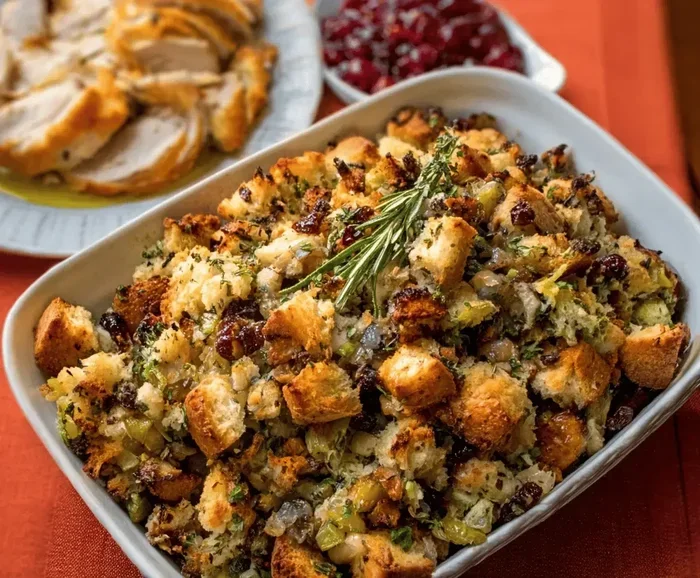
There is nothing quite like the smell of turkey stuffing baking in the oven. It fills the kitchen with sage, onion, and warm bread aromas that make everyone gather around the counter. If you have ever wondered how to make stuffing that turns out perfectly golden and moist, you are in the right place. How To Cook Turkey Stuffing In Oven is simpler than you think, and the results are worth every minute. This guide walks you through every step so your side dish steals the show.
Many people think stuffing is only for Thanksgiving, but it is a year-round favorite. Whether you call it stuffing or dressing, the oven-baked version delivers crispy edges and a tender center. You can customize it with your favorite herbs, vegetables, or even sausage. The key is knowing the right ratio of liquid to bread and keeping an eye on the stuffing temperature. Once you master this method, you will never go back to a boxed mix again.
Key Takeaways
- Use day-old bread: Stale bread absorbs broth better, giving you moist, fluffy stuffing every time.
- Bake at 350°F: This temperature ensures even cooking and crispy edges without drying out the center.
- Add broth gradually: Pour in stock slowly so the bread soaks it up without becoming soggy.
- Let it rest: A 10-minute rest after baking helps the stuffing set and hold its shape.
- Try cornbread or wild rice: Different bases add unique textures and flavors to your classic recipe.
- Check internal temperature: Stuffing should reach 165°F for food safety and perfect doneness.
- Store and reheat properly: Keep leftovers airtight and warm them in the oven to maintain crispness.
📑 Table of Contents
Why Oven-Baked Turkey Stuffing Is the Best Side Dish
Cooking stuffing in the oven gives you control over the texture and flavor. A stovetop stuffing can turn mushy if you do not watch it closely. The oven allows the top to crisp while the inside stays soft. This method also frees up stovetop space for your turkey gravy or roasted vegetables. Plus, you can bake a big batch in a single dish, making it easy to serve a crowd.
Even Cooking and Crispy Edges
When you bake stuffing in oven, the heat circulates around every piece of bread. This means no soggy spots or cold centers. The edges caramelize slightly, adding a delightful crunch that contrasts with the pillowy interior. You get a more uniform texture than you can achieve on the stove. It also means you can prep the stuffing ahead of time and just pop it in the oven when needed.
Customization Without the Stress
Oven baking lets you experiment freely. You can add chopped celery, mushrooms, or dried cranberries without worrying about them steaming too much. The dry heat toasts nuts and seeds beautifully. If you like a savory stuffing with a little kick, stir in some sausage or bacon. The oven handles all of it evenly, so every bite tastes balanced and delicious.
Gather Your Stuffing Ingredients
A great stuffing recipe starts with quality ingredients. You do not need anything fancy, but each component plays a role in the final flavor and texture. Here is what you will need for a classic bread stuffing that serves eight people.
The Bread Base
Use about 8 cups of cubed, day-old bread. White sandwich bread works well, but a cornbread stuffing base adds a sweet, southern twist. You can also use brioche or challah for a richer taste. The bread must be stale or dried out so it can absorb the broth without turning to mush. If your bread is fresh, spread it on a baking sheet and toast it for 10 minutes at 300°F.
Aromatics and Vegetables
Dice one large onion and two stalks of celery. Sauté them in butter until they are soft and fragrant. This step releases the sugars and deepens the flavor. Add minced garlic in the last minute of cooking. For a heartier stuffing, you can include diced carrots or mushrooms. These stuffing ingredients create a savory foundation that complements the turkey perfectly.
Herbs and Liquids
Fresh sage, thyme, and rosemary are the holy trinity of stuffing herbs. Use about one tablespoon of each, chopped finely. You will also need 2 to 3 cups of chicken or turkey broth. The broth brings everything together, so add it slowly and taste as you go. A splash of dry white wine or lemon juice can brighten the flavors if you like a little acidity.
How To Cook Turkey Stuffing In Oven: Step-by-Step
Now that your ingredients are ready, it is time to bake. Follow these simple steps for how to cook turkey stuffing in oven without any stress.
Step 1: Prepare the Stuffing Mix
Place the cubed bread in a large mixing bowl. Add the sautéed onion, celery, and herbs. Toss everything gently so the bread pieces are evenly coated. In a separate bowl, whisk together the broth and beaten eggs if you like a richer texture. Pour the liquid mixture over the bread slowly, tossing with a fork. The bread should feel moist but not dripping wet. Let the mixture sit for 10 minutes so the bread soaks up the liquid.
Step 2: Transfer to a Baking Dish
Grease a 9×13-inch baking dish with butter or cooking spray. Spread the stuffing mixture in evenly, pressing it down lightly. Do not pack it too tightly; you want air to circulate for even baking. If you prefer a crispy top, dot a few small pieces of butter over the surface. This helps the crust turn golden and crunchy.
Step 3: Bake at the Right Temperature
Preheat your oven to 350°F. This is the sweet spot for turkey stuffing in oven. Bake the uncovered dish for 30 to 40 minutes. The top should look set and slightly browned. If you like extra crispiness, you can broil it for the last 2 minutes, but watch it closely so it does not burn.
Step 4: Check the Internal Temperature
Insert a meat thermometer into the center of the stuffing. The stuffing temperature must reach 165°F to be safe to eat. If it is not there yet, bake for 5 more minutes and check again. Let the stuffing rest for 10 minutes before serving. This allows it to firm up and hold its shape when you scoop it onto plates.
Baking Time and Temperature Comparison
Different stuffing bases require slight adjustments. Here is a quick guide to help you decide the right time and temperature for your version.
| Stuffing Type | Baking Temperature | Baking Time | Best For |
|---|---|---|---|
| Classic bread stuffing | 350°F | 35–40 minutes | Thanksgiving, roast turkey |
| Cornbread stuffing | 350°F | 30–35 minutes | Southern-style meals |
| Wild rice stuffing | 375°F | 40–45 minutes | Nutty, textured side dish |
| Stuffed turkey (in cavity) | 325°F | Until turkey reaches 165°F | Whole bird roasting |
Expert Tips for Moist, Flavorful Stuffing
Even a simple recipe can go wrong if you overlook a few details. These quick tips and common mistakes will help you nail your oven-baked stuffing every single time.
Quick Tips for the Best Results
- Dry the bread overnight: Leave the cubed bread on a baking sheet uncovered. This dries it out faster and improves absorption.
- Use warm broth: Cold broth can slow down the soaking process. Warm it slightly before adding it to the bread.
- Do not over-salt: The broth and any added sausage or cheese already contain salt. Taste the mixture before it goes in the oven.
- Add nuts at the end: Toast walnuts or pecans separately and fold them in just before baking so they stay crunchy.
- Line the dish with parchment: This makes cleanup easier and prevents the bottom from sticking or burning.
Common Mistakes That Ruin Stuffing
- Using fresh bread: Fresh bread turns gummy when it absorbs liquid. Always use stale or dried bread for the right texture.
- Adding too much broth: Soggy stuffing is the number one complaint. Start with 2 cups and add more only if needed.
- Skipping the sauté: Raw onion and celery will taste sharp and hard. Cooking them softens their bite and deepens the flavor.
- Opening the oven too often: Every time you open the door, heat escapes and the stuffing may not crisp properly. Trust the timer.
- Forgetting to rest: Cutting into steaming stuffing right away releases too much steam and makes it loose. Give it a few minutes to set.
Serving, Storing, and Reheating Your Stuffing
Your turkey stuffing recipe is done, but the work does not stop there. Proper serving and storage keep it delicious for days.
How to Serve It
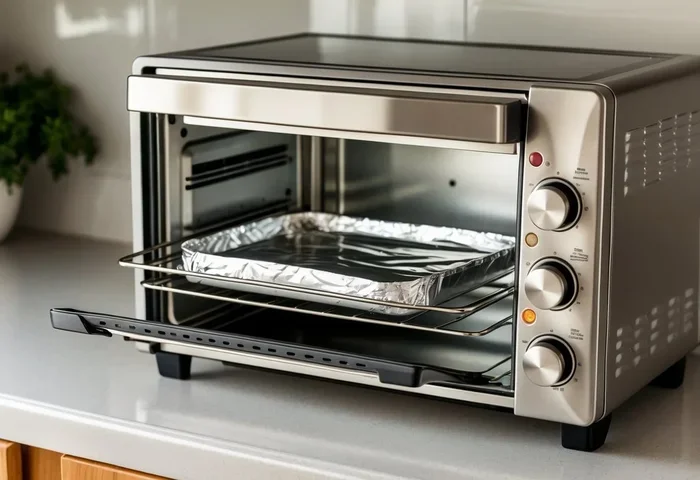
Scoop the stuffing into a warm serving bowl and garnish with a sprinkle of fresh chopped parsley or sage. It pairs beautifully with roasted turkey, mashed potatoes, and green beans. For a holiday buffet, you can keep it warm in the oven at 200°F for up to an hour. Cover it with foil to prevent the top from drying out.
Storing Leftovers
Let the stuffing cool completely before storing. Place it in an airtight container and refrigerate for up to 4 days. You can also freeze it for up to 3 months. Wrap it tightly in plastic wrap and then foil to prevent freezer burn. Label the container with the date so you keep track.
Reheating Without Drying It Out
The best way to reheat oven-baked stuffing is in the oven. Spread it in a baking dish, cover with foil, and warm at 325°F for 15 to 20 minutes. Remove the foil for the last 5 minutes to crisp the top. You can also reheat individual portions in the microwave, but add a splash of broth to keep it moist. Stir halfway through to heat evenly.
Conclusion: Your Perfect Stuffing Starts Here
Learning how to cook turkey stuffing in oven is a game-changer for any home cook. You get a crispy, golden top and a moist, flavorful interior that no boxed mix can match. The process is simple, the ingredients are affordable, and the results always impress. Whether you are preparing for Thanksgiving or a Sunday dinner, this stuffing recipe will become a family favorite. Try it once, and you will never go back to store-bought again.
Remember to use day-old bread, add broth slowly, and bake at 350°F. Check the internal temperature, let it rest, and serve it warm. With these tips, your turkey stuffing in oven will be the star of the table. Enjoy the process and the delicious results!
Frequently Asked Questions
Can I make stuffing ahead of time and bake it later?
Yes, you can prepare the stuffing mixture the night before and store it covered in the refrigerator. When you are ready to bake, transfer it to a greased dish, add a little extra broth if it looks dry, and bake as directed. This saves time on the day of your meal.
What is the difference between stuffing and dressing?
The terms are often used interchangeably, but traditionally stuffing is cooked inside the turkey cavity while dressing is baked in a separate dish. Both use the same ingredients and methods. Baking dressing in the oven gives you a crispy top that many people prefer.
How do I keep my stuffing from getting soggy?
Use stale or dried bread, add broth gradually, and do not cover the dish while baking. Soggy stuffing usually comes from too much liquid or fresh bread that absorbs too much moisture. Letting the stuffing sit for 10 minutes before baking also helps it absorb evenly.
Can I freeze uncooked stuffing?
Yes, you can freeze uncooked stuffing for up to 3 months. Assemble it in a freezer-safe dish, cover tightly, and freeze. When you are ready to bake, do not thaw it first. Add 10 to 15 minutes to the baking time and check the internal temperature to ensure it reaches 165°F.
What temperature should turkey stuffing be when done?
Turkey stuffing must reach an internal temperature of 165°F for food safety. Use a meat thermometer inserted into the center of the stuffing. If it is not there yet, continue baking and check every 5 minutes until it passes the safe temperature.
Can I add sausage or bacon to my stuffing?
Absolutely. Cooked sausage or crumbled bacon adds a rich, savory flavor to your stuffing. Brown the sausage or bacon first, then mix it into the bread mixture before baking. This works especially well with cornbread or wild rice stuffing bases.