Can Foil Be Used In A Toaster Oven Without Any Risk
Yes, you can use foil in a toaster oven, but only if you follow the right rules. Aluminum foil is toaster oven safe when placed correctly and used in moderation. This guide covers safe foil practices, common risks, and expert tips so you can cook with foil confidently and avoid any danger.
Have you ever stood in front of your toaster oven wondering if you can toss a piece of aluminum foil inside? Maybe you want to line the tray, wrap some food, or just make cleanup easier. The short answer is yes, foil can be used in a toaster oven — but there’s a lot more to it than a simple yes or no.
Using foil the wrong way can lead to fire hazards, uneven cooking, or even permanent damage to your appliance. On the other hand, using it the right way can make your cooking life much simpler. In this guide, we’ll walk through everything you need to know about cooking with foil in a toaster oven. By the end, you’ll feel confident and safe every time you reach for that shiny roll.
Toaster oven safety is not something most people think about until something goes wrong. A small mistake with foil can turn a quick meal into a scary situation. That’s why we put this guide together. We want you to have the facts, the tips, and the confidence to use foil without any second-guessing. Let’s dive right in.
Key Takeaways
- Foil is safe in toaster ovens: You can use aluminum foil, but placement matters a lot.
- Never cover the heating elements: Covering them can cause sparks or fire.
- Use foil on the rack or baking sheet: This is the safest way to line your toaster oven.
- Avoid touching foil to oven walls: Contact with walls can cause arcing and damage.
- Check your manual first: Some toaster oven brands have specific foil guidelines.
- Don’t wrap food tightly in foil: Leave space for heat to circulate properly.
- Dispose of foil after use: Reusing crinkled or torn foil increases risk.
📑 Table of Contents
- Is It Safe to Use Foil in a Toaster Oven?
- When and How to Use Foil Safely
- When You Should Never Use Foil in a Toaster Oven
- Common Mistakes People Make with Foil
- Expert Tips for Using Foil in a Toaster Oven
- Comparison: Foil vs. Alternatives for Toaster Ovens
- Final Verdict: Can You Use Foil in a Toaster Oven?
Is It Safe to Use Foil in a Toaster Oven?
The short answer is yes — foil is generally safe in a toaster oven when used correctly. But “correctly” is the key word here. Not all foil uses are created equal. Some methods are perfectly fine, while others can be downright dangerous. Understanding the difference is what keeps your kitchen safe.
Aluminum foil is a thin sheet of metal. It reflects heat, which makes it useful for cooking. When you place foil in a toaster oven, it can help distribute heat more evenly. It can also prevent food from burning on top while the inside finishes cooking. This is why many people love using foil for toaster oven cooking.
However, foil is a conductor of electricity and heat. If it touches the wrong surfaces or is shaped incorrectly, it can cause problems. The toaster oven heating elements get extremely hot. If foil touches them directly, it can melt, spark, or even start a fire. This is why knowing the rules matters so much.
How Foil Interacts With Heat
When heat meets foil, the metal reflects the heat waves. This is actually a great thing when you want to protect food. For example, wrapping the wings of a chicken in foil keeps the skin from burning while the meat stays juicy inside.
But foil also conducts electricity. In a toaster oven, the heating elements produce electrical heat. If foil comes into contact with the element or the metal walls of the oven, it can create an electrical arc. This is what people mean when they talk about foil arcing. It looks like tiny lightning bolts inside your oven. It’s dangerous and can damage your appliance.
The good news? As long as you follow a few simple rules, you can use foil without any risk. We’ll cover those rules in detail below.
When and How to Use Foil Safely
Now that we know foil can be safe, let’s talk about exactly how to use it. Safe foil use in a toaster oven comes down to three things: placement, shape, and amount.
Place Foil on the Rack or Baking Tray
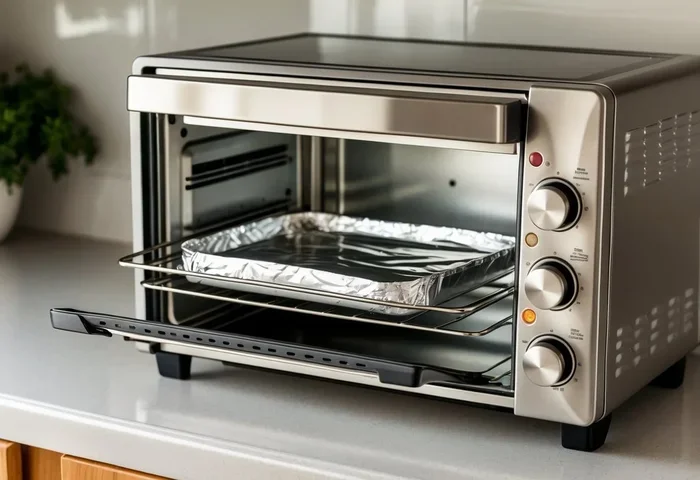
The safest way to use foil in a toaster oven is to lay it on the rack or on a baking sheet. This keeps the foil away from the heating elements and the walls. It also allows heat to flow around the food evenly.
Here are some safe placement tips:
- Line the baking tray with foil: This makes cleanup a breeze. Just throw the foil away when you’re done.
- Place foil on the rack: Use it to catch drips from meats or vegetables. Make sure it doesn’t touch the sides.
- Leave space between foil and walls: At least one inch of clearance on all sides is ideal.
- Keep foil flat: Crinkled foil can create hot spots or touch areas it shouldn’t.
Shape Foil Properly
The shape of your foil matters more than you might think. Flat, smooth foil works best. It allows heat to pass through evenly and reduces the risk of foil arcing.
Avoid folding foil into sharp creases or tight corners. Sharp edges can concentrate heat and increase the chance of sparking. If you’re wrapping food, leave some space between the foil and the food. This lets hot air circulate, which helps your food cook more evenly.
Use Only a Small Amount
You don’t need a lot of foil to get the job done. A single sheet that covers the tray or rack is usually enough. Using too much foil can block heat circulation, which leads to uneven cooking. It can also increase the risk of the foil touching hot surfaces it shouldn’t.
Quick Tip: If you’re lining your tray, use a sheet that’s slightly larger than the tray. Then fold the edges under so they stay flat and secure. This prevents loose foil from touching the heating elements.
When You Should Never Use Foil in a Toaster Oven
Knowing when not to use foil is just as important as knowing when to use it. There are several situations where foil in a toaster oven can be risky or even dangerous.
Never Cover the Heating Elements
This is the number one rule. The heating elements in a toaster oven are the source of all the heat. If you cover them with foil, you block the heat from reaching your food. Worse, the foil can overheat, melt, or catch fire.
Even a small piece of foil near the top element can cause electrical arcing. This is when electricity jumps from the element to the foil, creating sparks. Those sparks can burn your oven or start a fire. Always keep foil far away from the heating elements.
Don’t Let Foil Touch the Oven Walls
The walls of a toaster oven get very hot during use. If foil presses against the walls, it can stick, melt, or cause a short circuit. Always keep foil away from the sides, back, and top of the oven.
Even a tiny piece of foil touching the wall can cause damage over time. The heat can fuse the foil to the surface, making it hard to clean. In worse cases, it can damage the interior coating of your oven.
Avoid Using Foil with Certain Foods
Some foods react badly with foil. Acidic foods like tomatoes, citrus fruits, and vinegar-based sauces can eat through thin aluminum foil. This can leave tiny pieces of metal in your food, which isn’t great for your health or your meal.
If you’re cooking acidic foods, use a toaster oven safe glass or ceramic dish instead. These materials handle acid well and won’t react with your food.
Don’t Reuse Damaged Foil
Foil that is torn, crinkled, or has sharp edges should be thrown away. Damaged foil is more likely to touch heating elements or create hot spots. It also conducts heat unevenly, which can lead to uneven cooking or burning.
Always use fresh, smooth foil for the best results. It’s a small cost for a big safety payoff.
Common Mistakes People Make with Foil
Even experienced cooks make mistakes with foil. Let’s look at the most common ones and how to avoid them.
Wrapping Food Too Tightly
Wrapping food tightly in foil seals in all the moisture. This might sound good, but it actually steams the food instead of roasting it. The result is soggy food instead of crispy, golden perfection.
What to do instead: Leave some space between the foil and the food. Or use foil loosely as a tent. This lets hot air circulate while still protecting the food from burning.
Using Foil on the Bottom of the Oven
Some people put foil on the bottom of the toaster oven to catch crumbs and drips. This is a bad idea. The bottom of the oven is very close to the heating elements. Foil there can melt, spark, or block heat from reaching the food.
What to do instead: Use a toaster oven safe baking tray or a disposable pan. These are designed to handle the heat and make cleanup easy.
Ignoring the Manufacturer’s Manual
Every toaster oven is different. Some brands explicitly say not to use foil at all. Others give specific guidelines. Ignoring the manual is one of the biggest mistakes people make.
What to do instead: Read your manual before using foil. If it says don’t use foil, listen to the manufacturer. They know their product best.
Overloading the Oven with Foil
Using too much foil at once can block airflow inside the toaster oven. This leads to hot and cold spots. Your food might cook unevenly or take longer than it should.
What to do instead: Use the minimum amount of foil needed. One sheet on the tray is usually plenty.
Expert Tips for Using Foil in a Toaster Oven
Want to get the most out of your foil? Here are some expert tips that make a big difference.
Use Foil to Reflect Heat
One of the best uses for foil in a toaster oven is to reflect heat back toward the food. If you’re cooking something on the top rack, placing a sheet of foil on the rack below can bounce heat upward. This helps food cook faster and more evenly.
This technique works great for roasting vegetables or reheating pizza. The reflected heat crisps up the bottom of the food without burning the top.
Create a Foil Tent for Delicate Foods
A foil tent is when you loosely fold foil over food, leaving space for air to flow. This is perfect for delicate items like fish or thin chicken breasts. The tent protects the food from direct heat while still allowing it to cook through.
Here’s how to make a foil tent:
- Cut a sheet of foil that’s larger than your food.
- Gently place it over the food, creating a dome shape.
- Don’t let the foil touch the food directly.
- Leave gaps for steam to escape.
This simple trick keeps your food moist and prevents it from drying out.
Use Foil to Sharpen Your Roasting
If you love crispy roasted vegetables, try this trick. Roast your veggies on a foil-lined tray for the first half of the cooking time. Then remove the foil for the second half. The foil keeps the vegetables from drying out early, and removing it at the end lets them crisp up beautifully.
This two-step method works for potatoes, carrots, broccoli, and almost any vegetable. It’s a small change that makes a big difference in texture.
Keep a Foil-Free Zone
Always leave at least two inches of space between any foil and the heating elements. This is your foil-free zone. Keeping this distance prevents arcing, melting, and fire risks.
It’s also a good idea to keep foil away from the thermostat area. Covering the thermostat with foil can give false temperature readings, which leads to overcooking or undercooking.
Comparison: Foil vs. Alternatives for Toaster Ovens
Foil isn’t the only option for lining your toaster oven or wrapping food. Let’s compare foil with some popular alternatives.
| Option | Safe in Toaster Oven? | Pros | Cons |
|---|---|---|---|
| Aluminum Foil | Yes, with care | Reflects heat, easy cleanup, versatile | Can cause arcing if misused, not eco-friendly |
| Parchment Paper | Yes, fully safe | No arcing risk, eco-friendly, non-stick | Can brown or burn at high temps, not reusable |
| Silicone Baking Mat | Yes, fully safe | Reusable, heat-resistant, non-stick | Costs more upfront, needs cleaning |
| Glass or Ceramic Dish | Yes, fully safe | No chemical reactions, even heating | Heavier, can break, harder to clean |
| No Lining | Yes | Simplest option, no extra items | Harder cleanup, possible drips |
Each option has its place. Foil is great for quick jobs and heat reflection. Parchment paper is excellent for baking and non-stick needs. Silicone mats are the best for frequent use and eco-conscious cooks. Glass and ceramic dishes are ideal for cooking full meals. And sometimes, no lining at all is the simplest and safest choice.
Quick Tip: For most everyday toaster oven tasks, parchment paper is the safest and easiest option. Reserve foil for tasks where you specifically need heat reflection or easy cleanup.
Final Verdict: Can You Use Foil in a Toaster Oven?
So, can foil be used in a toaster oven without any risk? The honest answer is that it can be used safely — as long as you follow the rules. Toaster oven foil use is perfectly fine when you keep foil away from heating elements, avoid touching the walls, and use the right amount.
Remember these key points:
- Foil is toaster oven safe when placed correctly on the rack or baking tray.
- Never cover heating elements or let foil touch the oven walls.
- Use smooth, flat foil to prevent hot spots and arcing.
- Don’t wrap food too tightly — leave room for heat to circulate.
- Check your manual for brand-specific guidelines before using foil.
- Throw away damaged foil and always use fresh sheets when possible.
Cooking with foil in a toaster oven can make your life easier and your meals better. Just stay informed, stay careful, and you’ll get great results every time. The key is respect for the appliance and the material. Treat foil as a helpful tool, not a shortcut, and you’ll use it safely and effectively.
Now that you know the rules, go ahead and enjoy the convenience of foil in your toaster oven. Just keep these tips in mind, and you’ll never have to worry about a thing. Happy cooking!
Frequently Asked Questions
Can I line the bottom of my toaster oven with foil?
No, you should never line the bottom of a toaster oven with foil. The bottom is too close to the heating elements, and foil there can melt, spark, or block heat. Always place foil on the rack or on a baking tray instead.
What happens if foil touches the heating element in a toaster oven?
If foil touches the heating element, it can cause electrical arcing. This creates sparks that can damage your oven or start a fire. Always keep foil at least two inches away from all heating elements.
Is parchment paper safer than foil in a toaster oven?
Yes, parchment paper is generally safer than foil in a toaster oven. It doesn’t conduct electricity, so there’s no risk of arcing. Parchment paper is also non-stick and easy to clean up after cooking.
Can I reuse foil after using it in a toaster oven?
It’s best to use fresh foil each time. Reused foil can be torn, crinkled, or have sharp edges that increase the risk of touching heating elements. Fresh foil ensures safe and even cooking every time.
Does foil affect how food cooks in a toaster oven?
Yes, foil can change how food cooks. It reflects heat, which can make food cook faster or more evenly on some surfaces. But using too much foil can block airflow and lead to uneven cooking. Use foil sparingly for the best results.
Why does my toaster oven manual say not to use foil?
Some toaster oven manufacturers advise against foil use because of the risk of arcing, melting, or fire. Every model is different, so always check your manual first. If the manual says no foil, follow that guidance for safety.