How To Slow Roast Ribs In The Oven For Perfect Results
Slow roasting ribs in the oven is the easiest way to get restaurant-quality barbecue ribs at home. This guide walks you through every step, from choosing the right rack to nailing the perfect low-and-slow temperature. You will learn pro tips, common mistakes to avoid, and a simple method that delivers tender, smoky ribs every single time.
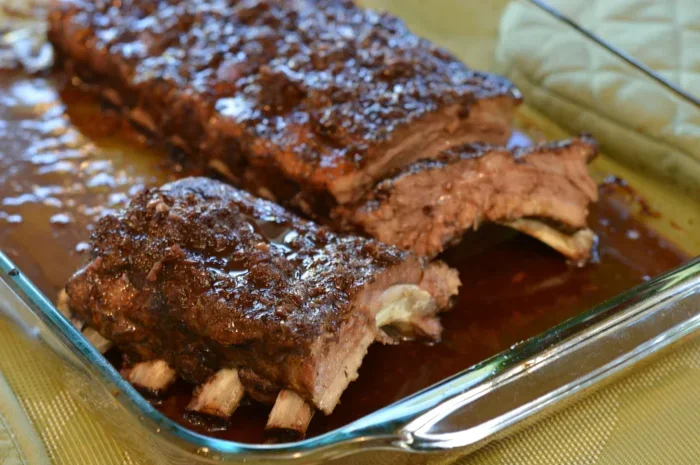
There is nothing quite like pulling a rack of ribs out of the oven and seeing that perfect bark forming on the outside. The meat pulls back from the bone just slightly, and you know it is going to be tender, juicy, and full of flavor. Slow roasting ribs in the oven is one of the most reliable ways to achieve barbecue-quality ribs without a smoker or grill.
Whether you are cooking for a weekend family dinner or hosting a backyard gathering, oven ribs are incredibly forgiving. You do not need expensive equipment. You do not need years of experience. All you need is a little patience, a good rib rub, and an oven set to the right temperature. This guide will show you exactly how to do it right.
We will cover everything from selecting the best pork ribs to choosing the perfect barbecue sauce for glazing. By the end, you will have all the knowledge you need to make fall-off-the-bone ribs that will impress everyone at the table. Let get started.
Key Takeaways
- Low and slow is the key: Cooking ribs at 275°F to 300°F breaks down collagen for tender, juicy meat.
- Choose the right ribs: Baby back ribs cook faster, while spare ribs offer more flavor and fat.
- Remove the membrane: This small step makes a huge difference in texture and seasoning absorption.
- Use the foil wrap method: Wrapping ribs in foil partway through keeps moisture locked in.
- Rest your ribs: Letting ribs rest for 15 to 30 minutes redistributes juices for maximum tenderness.
- Glaze at the end: Applying barbecue sauce in the last 20 minutes prevents burning and adds flavor.
- An oven thermometer helps: Accurate temperature control is essential for consistent results every time.
📑 Table of Contents
- Why Slow Roasting Ribs in the Oven Works So Well
- Choosing the Right Ribs for Oven Roasting
- Preparing Your Ribs for Slow Roasting
- Step-by-Step: How To Slow Roast Ribs In The Oven
- Common Mistakes to Avoid When Slow Roasting Ribs
- Comparing Rib Cuts: Cooking Times and Characteristics
- Expert Tips for the Best Slow-Roasted Ribs
- Serving Suggestions for Slow-Roasted Ribs
- Frequently Asked Questions
- Final Thoughts on Slow Roasting Ribs in the Oven
Why Slow Roasting Ribs in the Oven Works So Well
Slow roasting is a cooking method that uses low heat over a long period of time. This approach gently breaks down the tough connective tissues in pork ribs, specifically collagen. As collagen melts, it turns into gelatin, which gives ribs that silky, tender texture people love.
When you slow cook ribs in the oven, the heat surrounds the meat evenly. Unlike grilling, where flames can create hot spots, an oven provides consistent warmth on all sides. This means less flipping, less worrying, and more flavor. The low temperature also allows the rib rub to penetrate deep into the meat, creating a rich, complex taste profile.
Another big advantage is convenience. You can slow roast ribs in the oven while you prepare sides, set up the table, or relax with guests. There is no need to stand over a hot grill for hours. The oven does most of the work for you.
The Science Behind Low and Slow Cooking
Understanding a little bit of food science helps you become a better cook. When meat cooks slowly between 225°F and 325°F, something magical happens. The proteins in the muscle fibers relax and unwind. The fat renders slowly, basting the meat from the inside out. The bones release collagen into the surrounding tissue, adding richness and body to the sauce.
This is why low and slow cooking produces such different results compared to high-heat roasting. High heat dries out the outer layers before the inside has time to tenderize. Low heat gives the entire rack time to cook evenly, resulting in perfectly tender oven-baked ribs from edge to center.
Choosing the Right Ribs for Oven Roasting
Not all ribs are created equal. Different cuts offer different flavors, textures, and cooking times. Choosing the right type of rib is the first step toward perfect results. Here are the most popular options you will find at the butcher or grocery store.
Baby Back Ribs
Baby back ribs come from the top of the pig, near the backbone. They are smaller, leaner, and cook faster than other cuts. Most baby back ribs take about 2.5 to 3.5 hours to slow roast in the oven. They have a mild pork flavor that pairs well with sweet and tangy sauces.
These ribs are great for beginners because they are more forgiving. If you slightly overcook them, they still stay tender. They also have a nice curved shape that looks impressive on a plate.
Spare Ribs
Spare ribs come from the belly side of the pig. They are larger, fattier, and more flavorful than baby backs. Spare ribs take a bit longer to cook, usually around 3.5 to 4.5 hours at low temperatures. The extra fat keeps them moist during the long roasting process.
Many barbecue enthusiasts prefer spare ribs because they have a richer taste and a chewier bite. They also absorb more rub and sauce, making them ideal for bold flavors. If you want a hearty, full-flavored rack, spare ribs are an excellent choice.
St. Louis Style Ribs
St. Louis style ribs are spare ribs that have been trimmed to create a uniform, rectangular shape. The sternum bone, cartilage, and rib tips are removed. This gives you a clean rack that cooks evenly and looks professional.
St. Louis style ribs are becoming very popular for home cooks because they are easy to handle and present beautifully. They cook at a similar time to regular spare ribs and work well with both sweet and spicy sauces.
Preparing Your Ribs for Slow Roasting
Preparation is where the magic begins. Taking the time to properly prep your ribs before they go into the oven makes a huge difference in the final result. Do not skip these steps.
Remove the Membrane
The membrane, also called the silverskin, is a thin layer of tissue on the back of the rib rack. It does not soften during cooking and can create a chewy, unpleasant texture. Removing it allows your rub and smoke flavor to penetrate the meat directly.
To remove the membrane, flip the ribs bone-side up. Use a butter knife to gently lift one corner of the membrane near the end of the rack. Once you have a grip, use a paper towel for traction and pull it off in one smooth motion. It takes about 30 seconds and makes a world of difference.
Apply Your Rib Rub
A good rib rub is the foundation of great flavor. Most rubs combine brown sugar, paprika, garlic powder, onion powder, salt, black pepper, and a touch of cayenne for heat. You can buy pre-made rubs or make your own. Homemade rubs let you control the sweetness and spice levels.
Generously coat all sides of the ribs with the rub. Press it into the meat with your hands. For the best results, wrap the ribs in plastic wrap and refrigerate them for at least 2 hours or overnight. The longer the rub sits, the deeper the flavor penetrates.
Bring Ribs to Room Temperature
Before placing ribs in the oven, let them sit at room temperature for about 30 minutes. This helps the meat cook more evenly. Cold ribs going into a hot oven can result in uneven cooking, with the outside overcooking while the inside stays underdone.
While the ribs rest, preheat your oven to 275°F. Use an oven thermometer to verify the temperature. Many ovens run a few degrees off, and accuracy matters when you are slow roasting for hours.
Step-by-Step: How To Slow Roast Ribs In The Oven
Now comes the fun part. Here is the complete method for making perfect slow-roasted ribs in your oven. Follow these steps and you will get incredible results every time.
Step 1: Set Up Your Baking Pan
Line a large baking sheet with heavy-duty aluminum foil. Place a wire rack on top of the foil. The wire rack allows hot air to circulate around the ribs, cooking them evenly. It also keeps the ribs out of the grease that renders during cooking.
If you do not have a wire rack, you can create a foil sling. Fold strips of foil and lay them across the baking sheet to support the ribs. This works just as well and keeps cleanup easy.
Step 2: Place Ribs in the Oven
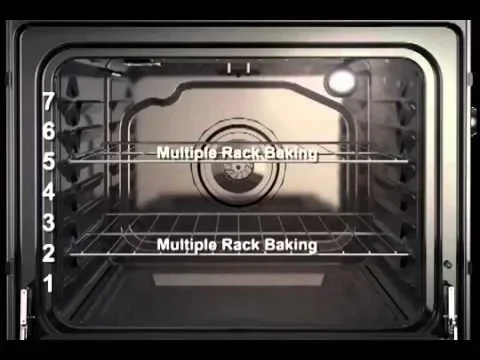
Put the ribs bone-side down on the rack. Place the baking sheet on the middle oven rack. Close the door and resist the urge to open it frequently. Every time you open the oven door, heat escapes and cooking time increases.
Slow roast the ribs at 275°F for about 2.5 to 3 hours for baby backs, or 3.5 to 4.5 hours for spare ribs. The meat is done when it pulls back from the bones by about a quarter inch and the rack bends slightly when you lift it with tongs.
Step 3: Wrap in Foil (The Texas Crutch)
After the first 2 to 2.5 hours, remove the ribs from the oven. They should have a nice golden-brown bark forming on the surface. Carefully lift the ribs and wrap them tightly in a double layer of heavy-duty foil. Add a splash of apple cider vinegar, apple juice, or broth to the foil for extra moisture.
Return the wrapped ribs to the oven and continue cooking for another hour. The foil traps steam, which speeds up the tenderizing process and keeps the ribs from drying out. This technique, often called the Texas crutch, is a favorite among barbecue pitmasters.
Step 4: Unwrap and Glaze
Remove the foil wrap during the last 20 to 30 minutes of cooking. This is when you apply your barbecue sauce. Brush a thin layer of sauce on all sides of the ribs. The heat will caramelize the sauce, creating a glossy, sticky glaze.
Be careful not to add the sauce too early. The sugar in barbecue sauce can burn at high temperatures over long cooking times. The last 20 to 30 minutes is the perfect window for glazing. You can apply 2 to 3 thin layers for a thicker coating.
Step 5: Rest the Ribs
Once the ribs are done, take them out of the oven and let them rest for 15 to 30 minutes. This is just as important as the cooking process itself. Resting allows the juices to redistribute throughout the meat. If you cut into ribs right away, the juices run out and the meat dries out.
Cover the ribs loosely with foil during resting. Do not wrap them tightly, or the steam will soften the bark. After resting, use a sharp knife or cleaver to cut between the bones and separate individual ribs.
Common Mistakes to Avoid When Slow Roasting Ribs
Even experienced cooks make mistakes when roasting ribs. Learning from common errors helps you avoid frustration and achieve better results. Here are the pitfalls to watch out for.
- Cooking at too high a temperature: Raising the heat to speed things up dries out the meat. Stick to 275°F and be patient.
- Skipping the membrane removal: This leads to a chewy texture that ruins an otherwise perfect rack.
- Adding sauce too early: Sugar burns during long cooks. Always glaze in the final stages.
- Not using a rack: Ribs sitting directly on a pan steam instead of roast, resulting in soggy meat.
- Opening the oven too often: Temperature fluctuations extend cooking time and dry out the ribs.
- Cutting too early: Skipping the rest period means losing precious juices and moisture.
- Using thin foil: Regular foil tears easily when wrapping ribs. Use heavy-duty foil for the wrap step.
Comparing Rib Cuts: Cooking Times and Characteristics
Choosing the right cut affects cooking time, flavor, and texture. Here is a quick comparison to help you decide which ribs to use for your next slow-roasting session.
| Rib Type | Cooking Time (275°F) | Fat Content | Best For | Difficulty Level |
|---|---|---|---|---|
| Baby Back Ribs | 2.5 – 3.5 hours | Low | Beginners, quick cooks | Easy |
| Spare Ribs | 3.5 – 4.5 hours | High | Rich flavor, BBQ lovers | Medium |
| St. Louis Style | 3.5 – 4.5 hours | Medium-High | Even cooking, presentation | Medium |
| Beef Back Ribs | 4 – 5 hours | Very High | Bold beef flavor | Advanced |
Each cut brings something unique to the table. Baby back ribs are perfect if you want a faster cook time. Spare ribs deliver more robust flavor and are ideal for hearty meals. St. Louis style ribs offer the best of both worlds with uniform shape and great taste. Beef back ribs are a bold choice for those who love rich, beefy flavor.
Expert Tips for the Best Slow-Roasted Ribs
Professional pitmasters and seasoned home cooks share a few secrets that take oven ribs from good to outstanding. Incorporate these tips into your next cook and notice the difference.
Use a Dry Rub 24 Hours Ahead
Applying your rub the night before gives the spices time to work their way deep into the meat. The salt in the rub draws out moisture, which then gets reabsorbed along with the seasoning. This process, called dry brining, makes the ribs more flavorful and juicier.
Add Wood Chips for Smoke Flavor
You can add a smoky flavor to oven ribs by soaking wood chips in water for 30 minutes and placing them in a foil pouch on the oven floor. Hickory, applewood, and cherry chips all work well. The chips will smolder and infuse a subtle smoke flavor into the ribs during the long cook.
Experiment with Different Sauces
Not all barbecue sauces are the same. Some are thick and sweet, while others are thin and tangy. Try different brands or make your own. A mustard-based sauce pairs well with pork, while a tomato-based sauce is a classic choice. Vinegar-based sauces add brightness and cut through the richness of the fat.
Let Ribs Rest at Room Temperature
After removing ribs from the oven, let them sit for 15 to 30 minutes before serving. This resting period allows the internal temperature to equalize and the juices to settle. The result is juicier, more flavorful meat in every bite.
Use an Oven Thermometer
Oven thermostats are not always accurate. A cheap oven thermometer placed inside the oven can reveal temperature discrepancies of 25 degrees or more. Since slow roasting relies on precise low temperatures, an oven thermometer is one of the most useful tools you can own.
Serving Suggestions for Slow-Roasted Ribs
Ribs shine on their own, but the right sides elevate the meal. Here are some classic pairings that complement slow-roasted pork ribs perfectly.
- Coleslaw: The crunch and acidity of coleslaw balance the rich, fatty meat beautifully.
- Cornbread: Sweet cornbread soaks up barbecue sauce and adds a comforting Southern touch.
- Baked beans: Smoky, sweet baked beans are a traditional barbecue side that pairs perfectly with ribs.
- Grilled corn on the cob: Charred corn with butter and chili powder adds a smoky, summery element.
- Mac and cheese: Creamy, cheesy mac and cheese is a crowd-pleasing side that complements any rib recipe.
- Pickles and onions: Quick pickles add a tangy crunch that cuts through the richness of the ribs.
Set up a rib bar where guests can build their own plates. Offer different sauces on the side, extra pickles, sliced onions, and hot sauce. This makes the meal interactive and fun for everyone.
Frequently Asked Questions
Can I slow roast ribs at 300°F instead of 275°F?
Yes, you absolutely can. Cooking at 300°F will reduce the total cooking time by about 30 minutes to an hour. The ribs will still come out tender and flavorful. Just keep a close eye on them during the last hour to prevent the sauce from burning. Many cooks find 300°F to be the sweet spot between speed and tenderness.
How do I know when my ribs are done in the oven?
The best way to check is the bend test. Lift one end of the rack with tongs. If the surface cracks slightly but the ribs do not fall apart, they are done. You can also use a meat thermometer. The internal temperature should reach 195°F to 203°F for fully tender ribs. The meat should pull back from the bone tips by about a quarter inch.
Can I slow roast ribs in the oven the day before a party?
Absolutely. In fact, ribs often taste better the next day after the flavors have had time to meld. Cook them the day before, let them cool, and store them in the refrigerator. Reheat them gently in the oven at 250°F for 20 to 30 minutes before serving. Add fresh sauce during reheating for the best flavor.
Do I need to use foil when slow roasting ribs in the oven?
Foil wrapping is not mandatory, but it is highly recommended. The foil traps steam and moisture, which keeps the ribs tender during the long cooking process. If you prefer a drier, chewier bark, you can skip the foil wrap. However, most people find that the foil method produces juicier, more flavorful results.
What is the best barbecue sauce for oven ribs?
The best sauce depends on your personal preference. Kansas City-style sauces are thick, sweet, and tomato-based, making them a popular choice for glazing. Carolina vinegar-based sauces add tang and brightness. Texas-style mop sauces are thin and peppery. You can also try a honey bourbon glaze or a spicy chipotle sauce for something different. Brush the sauce on during the last 20 minutes of cooking for the best results.
Can I use beef ribs instead of pork ribs for oven roasting?
Yes, beef back ribs work well for slow roasting in the oven. They take longer to cook, usually 4 to 5 hours at 275°F, because they are larger and have more connective tissue. The result is incredibly rich, beefy, and tender meat. Treat them the same way as pork ribs with a dry rub, foil wrap, and glaze at the end. Beef ribs are perfect for those who love bold, hearty flavors.
Final Thoughts on Slow Roasting Ribs in the Oven
Slow roasting ribs in the oven is one of the most satisfying things you can do in the kitchen. It is simple, reliable, and produces results that rival any barbecue joint. The key is patience. Low heat, good seasoning, and time are all you need to transform a rack of ribs into a show-stopping centerpiece.
Start with quality pork ribs. Remove the membrane. Apply a generous rub. Cook low and slow at 275°F. Wrap in foil partway through. Glaze with your favorite barbecue sauce in the final minutes. Rest before serving. Follow these steps and you will never go back to dry, overcooked ribs again.
The beauty of this method is its consistency. Once you master the basic technique, you can experiment with different rubs, sauces, and wood chip flavors to create your own signature style. Your family and friends will keep coming back for more. So fire up that oven, grab a rack of ribs, and enjoy the process. Slow-roasted oven ribs are worth every minute of the wait.