How To Choose The Best Oven For Baking Bread At Home
Choosing the right oven for baking bread at home can transform your baking game completely. Whether you prefer sourdough, sandwich loaves, or artisan pastries, the correct oven affects crust, crumb, and rise. This guide covers types, features, and practical tips to help you pick the perfect oven for baking bread at home with confidence.
There is something deeply satisfying about pulling a warm loaf of bread from your own oven. The aroma fills the kitchen. The crust crackles when you slice into it. The crumb is soft and pillowy. But here is the truth — none of that happens by accident. The oven for baking bread at home you choose plays a huge role in how your bread turns out. A good oven gives you control over heat, crust, and texture. A bad one leaves you with dense, flat loaves no matter how perfect your recipe is.
If you are serious about baking bread at home, picking the right oven should be your first step. This guide walks you through everything you need to know. We will cover types of ovens, key features to look for, common mistakes to avoid, and practical tips that actually work. By the end, you will know exactly what to look for when shopping for your next bread baking oven.
Key Takeaways
- Convection and Dutch ovens are top choices for home bread baking because they deliver even heat and great crust.
- Look for precise temperature control and good heat retention when selecting an oven for baking bread at home.
- Size matters — choose an oven that fits your loaf size and baking volume comfortably.
- Steam capability helps create artisan-style crusts that rival professional bakery results.
- Avoid common mistakes like ignoring preheating time or choosing the wrong rack position.
- Budget options work well too — you do not need an expensive oven to bake excellent bread at home.
📑 Table of Contents
Why The Right Oven Makes All The Difference
You might wonder why the oven matters so much for bread. After all, bread is just flour, water, salt, and yeast. But the baking process is where the magic happens. Heat transforms a soft blob of dough into a golden, crusty loaf with a beautiful interior. The wrong oven can ruin even the best recipe.
Here is what a great oven for baking bread at home does for you:
- Even heat distribution — no hot spots that burn one side of your loaf.
- Accurate temperature control — bread needs precise heat at every stage of baking.
- Good heat retention — the oven stays steady when you open the door or load cold dough.
- Steam management — steam in the early stages creates that crispy, glossy crust bakers love.
- Proper airflow — circulation helps the bread rise evenly and develop a consistent crumb.
When you understand these factors, it becomes clear that not all ovens are created equal for home bread baking. A standard toaster oven might work for reheating pizza, but it often struggles with larger loaves. A full-size range oven works well but may use more energy. And then there are specialty options like Dutch ovens and baking stones that take home baking to the next level.
What Happens When The Oven Is Wrong
Using the wrong oven leads to frustrating problems. Your bread might come out pale because the heat was not strong enough. The crust might be too thick because the oven ran too hot. Or the loaf might be dense and gummy because the temperature dropped too much when you loaded the dough. These are all signs that your bread baking equipment needs an upgrade.
The good news is that you do not need to spend a fortune. There are excellent options at every price point. The key is knowing what to look for. Let us explore the different types of ovens you can use for baking bread at home.
Types Of Ovens You Can Use For Baking Bread
Not sure which type of oven to buy for bread? You have several solid options. Each one has pros and cons. Let us break them down so you can find the best fit for your kitchen and your baking goals.
Convection Ovens
A convection oven for bread baking uses a fan to circulate hot air around the food. This creates very even heating. Most professional bakers prefer convection for bread because it promotes consistent crust formation and even rising. The fan helps the heat reach every part of the loaf.
Here is what makes convection ovens great for home bread baking:
- They preheat faster than standard ovens.
- They bake loaves more evenly on all sides.
- They work well at lower temperatures, which saves energy.
- They produce a beautifully crisp crust on artisan-style loaves.
The downside is that the fan can sometimes blow delicate dough around in the early stages. Some bakers cover the loaf with a lid or foil for the first part of baking to prevent this. Overall, a convection oven for bread is one of the best investments you can make.
Standard Thermal Ovens
A standard thermal oven — the kind built into most kitchen ranges — heats from elements at the top and bottom. These are the most common ovens found in homes. They work fine for bread, but they have some limitations.
Thermal ovens often have hot spots. The area near the heating element gets much hotter than the rest. This can cause uneven browning. However, if you use a baking stone or a baking steel, you can improve heat distribution significantly. Many home bakers swear by placing a stone on the lowest rack and baking directly on it.
Thermal ovens also tend to lose more heat when you open the door. This matters for bread because consistent temperature is key during the first 15 to 20 minutes of baking. If you can, avoid opening the door during this critical window.
Dutch Ovens For Bread Baking
A Dutch oven for baking bread is one of the most popular tools among home bakers. It is a heavy, lidded pot — usually made of cast iron — that traps heat and steam. You place your dough inside, cover it, and bake it in a regular oven. The result is a loaf with an incredible crust and a perfectly open crumb.
The Dutch oven works by creating a mini oven inside your actual oven. The thick walls hold heat steady. The lid traps moisture, which keeps the outside of the dough soft during the initial rise. As the bread bakes longer, the lid allows the crust to develop beautifully.
This method is perfect for baking sourdough at home. Many artisan bakers use this exact technique. A Dutch oven is affordable, versatile, and takes up very little space. If you are just starting with home bread baking, this is a fantastic option to consider.
Countertop Ovens And Toaster Ovens
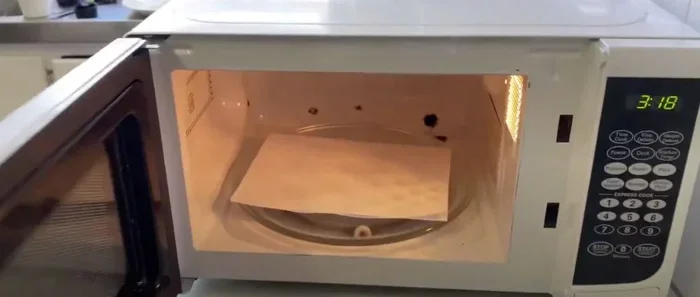
If you have a small kitchen or do not bake often, a countertop oven for bread might be your best bet. These compact ovens are convenient and energy-efficient. They preheat quickly and are great for small loaves or rolls.
However, countertop ovens have limitations. Their interior space is small, which means you can only bake smaller loaves. Temperature accuracy can also vary. Some models struggle to maintain steady heat over a long bake. If you are baking a large bread loaf or a thick sourdough boule, a countertop oven may not deliver the results you want.
That said, newer countertop models have improved significantly. Some now include steam injection features and precise temperature controls. These can work well for casual home bakers who want to bake bread a few times a week.
Key Features To Look For In A Bread Baking Oven
Now that you know the types of ovens available, let us talk about the specific features that matter most for baking bread at home. These are the details that separate a good baking experience from a frustrating one.
Temperature Range And Accuracy
Bread baking requires a wide temperature range. Most loaves bake best between 350°F and 500°F. Some sourdough recipes call for temperatures as high as 550°F. Your oven needs to reach and hold these temperatures accurately.
Temperature accuracy is critical. Many ovens run hotter or cooler than what the dial says. An oven thermometer is a cheap and essential tool for any home baker. Place it inside your oven and check it against the built-in display. If there is a big difference, you may need to adjust your recipes or consider a new oven.
Steam Capability
Steam is the secret ingredient behind professional-quality bread crust. In the first 15 to 20 minutes of baking, steam keeps the surface of the dough moist. This allows the bread to expand fully before the crust sets. The result is a lighter, airier loaf with a thin, crispy shell.
Some ovens with steam function add moisture automatically. Others require you to pour water into a tray or spritz the oven walls manually. Dutch ovens naturally trap steam from the dough itself. If your oven does not have a steam feature, a Dutch oven is an excellent workaround.
Oven Size And Capacity
The size of your oven matters more than you might think. You need enough space for your bread loaf pan or for a freestanding boule on a baking stone. A cramped oven restricts airflow and leads to uneven baking.
Measure the interior dimensions of any oven you are considering. Make sure it can fit your largest loaf with at least a few inches of clearance on all sides. If you plan to bake multiple loaves at once, you will need even more space.
Heat Retention And Recovery
Every time you open your oven door, heat escapes. A good oven recovers that lost heat quickly. Cheap ovens can take several minutes to bounce back to the target temperature. During that time, your bread is baking in a cooler environment, which affects rise and crust development.
Look for ovens with thick walls and good insulation. Cast iron and ceramic ovens retain heat exceptionally well. If you are using a standard range oven, minimize door openings and use the oven light to check on your loaf instead.
Rack Position And Adjustability
The position of your rack affects how your bread bakes. The bottom rack gets the most direct heat from the lower element, which is great for creating a strong bottom crust. The middle rack provides more even heating. The top rack browns the top faster.
For most bread baking at home, the middle rack is ideal. But having adjustable racks gives you flexibility. Some bakers start on the lower rack for the first 20 minutes and then move the loaf to the middle for the rest of the bake.
Comparing Different Oven Options For Home Bread Baking
Let us put all of this into perspective. Here is a comparison of the most popular options for a home oven for baking bread. Use this as a starting point for your decision.
| Oven Type | Best For | Price Range | Pros | Cons |
|---|---|---|---|---|
| Convection Oven | Even baking, crusty loaves | Mid to High | Even heat, fast preheat, great crust | Fan can disturb delicate dough |
| Standard Thermal Oven | General baking, large loaves | Varies | Familiar, spacious, reliable | Hot spots, heat loss on door opening |
| Dutch Oven | Sourdough, artisan loaves | Low to Mid | Traps steam, excellent crust, affordable | Limited to one loaf at a time |
| Countertop Oven | Small loaves, rolls, quick bakes | Low to Mid | Compact, energy-efficient, fast preheat | Small capacity, less temperature accuracy |
| Baking Stone / Steel | Improving any oven setup | Low | Boosts any oven, improves crust and rise | Heavy, takes time to preheat |
As you can see, there is no single “best” oven for everyone. The right choice depends on your budget, kitchen space, and how often you bake. A Dutch oven paired with a standard thermal oven is one of the most cost-effective setups for excellent bread. A convection oven is ideal if you bake frequently and want consistent results with less effort.
Budget-Friendly Setup For Beginners
If you are just starting out, you do not need to spend a lot. A basic thermal oven combined with a baking stone and a Dutch oven can produce bakery-quality bread. This setup costs under $100 for the accessories and uses equipment you probably already own. Focus on mastering the basics before investing in expensive upgrades.
Advanced Setup For Serious Bakers
If you bake several times a week and want professional results, consider investing in a dedicated convection oven for bread or a combo steam oven. These ovens offer precise control over temperature and moisture. They are more expensive but deliver outstanding results every time. A steam oven can produce loaves with paper-thin, shattering crusts that are hard to achieve with any other method.
Common Mistakes Home Bakers Make When Choosing An Oven
Even experienced bakers sometimes make poor choices when selecting an oven. Here are the most common mistakes to avoid.
Ignoring Preheat Time
Many home bakers do not preheat their oven long enough. Bread needs a fully heated oven from the moment it goes in. A cold start leads to poor rise and a dense crumb. Most bread baking experts recommend preheating for at least 30 to 45 minutes, especially when using a baking stone or baking steel.
Skipping The Oven Thermometer
Do not trust your oven’s built-in temperature display. Most ovens are off by 10 to 25 degrees. That difference can mean the difference between a perfect loaf and a disappointing one. A simple oven thermometer costs a few dollars and takes the guesswork out of baking temperature for bread.
Choosing Size Over Function
A bigger oven is not always better. What matters most is how well the oven maintains steady heat and distributes it evenly. A smaller convection oven with a fan will often outperform a large standard oven with hot spots. Focus on function, not just square inches.
Overlooking Steam Needs
Bread needs steam in the early stages of baking. If your oven has no way to add moisture, your crust will set too early. The loaf will be smaller and denser because it could not expand fully. Always plan for how you will introduce steam — whether through a Dutch oven, a spray bottle, or a tray of water.
Buying The Most Expensive Option
Price does not always equal performance for home bread baking. An expensive oven is not necessary to bake great bread. Many professional bakers use simple, affordable tools and focus on technique. Invest in what fits your needs and budget, and spend your energy on learning the craft instead.
Final Thoughts On Finding Your Perfect Bread Oven
Choosing the best oven for baking bread at home is a personal decision. There is no one-size-fits-all answer. Your perfect oven depends on your budget, your kitchen setup, and how seriously you take your bread baking.
If you are a casual baker who enjoys a weekend loaf, a Dutch oven and a standard oven will serve you beautifully. If you bake regularly and want consistent, professional results, invest in a convection oven with good temperature control. If space is limited, a quality countertop oven with steam capability is a great compromise.
Remember that the oven is only one piece of the puzzle. Your dough, your technique, and your patience matter just as much. But with the right bread baking equipment, you set yourself up for success. Start with what works, learn as you go, and upgrade as your skills grow.
The best oven for baking bread at home is the one that fits your life and helps you bake loaves you are proud of. Trust your instincts, use the tips in this guide, and most importantly — enjoy the process. Fresh bread from your own oven is one of life’s simple pleasures, and the right oven makes it even better.
Frequently Asked Questions
What is the best oven type for baking sourdough bread at home?
A Dutch oven is widely considered the best option for sourdough at home. It traps steam naturally and creates an even, intense heat environment that produces a crispy crust and open crumb. If you want a permanent setup, a convection oven with steam capability is the next best choice for consistent sourdough results.
Do I need a special oven to bake bread at home?
No, you do not need a special oven. A standard home oven works perfectly fine for most bread recipes. The key is to supplement it with the right tools like a baking stone, a Dutch oven, or an oven thermometer. These affordable additions make a huge difference in your bread quality.
What temperature should I use for baking bread at home?
Most bread bakes best between 375°F and 475°F. Sourdough often benefits from higher temperatures around 450°F to 500°F for the first 20 minutes to get maximum oven spring and crust development. Always check your specific recipe for the recommended baking temperature for bread.
Can a countertop oven be used for baking bread?
Yes, a countertop oven can work for baking bread, especially smaller loaves and rolls. However, it has less space and may not maintain as steady a temperature as a full-size oven. Look for countertop models with a wide temperature range and good heat retention if you plan to bake bread regularly.
How important is steam when baking bread?
Steam is very important, especially in the first 15 to 20 minutes of baking. It keeps the dough surface moist, allowing the bread to expand fully before the crust sets. This results in a lighter crumb and a crispier crust. You can add steam with a tray of water, a spray bottle, or by using a covered Dutch oven which traps natural moisture.
What is the difference between a baking stone and a baking steel for bread?
A baking stone is made from ceramic or cordierite and provides steady, even heat. A baking steel is made from steel and conducts heat faster, which can give you a crispier bottom crust. Both improve bread baking in any oven. Steel heats up faster but also cools faster, while stone holds heat longer and more evenly.
=== CONCLUSION ===
Finding the right oven for baking bread at home does not have to be overwhelming. Focus on the features that matter most — temperature accuracy, even heat, steam capability, and proper size. Whether you choose a convection oven, a Dutch oven setup, or a simple countertop model, what matters most is that it fits your baking style and your kitchen.
Use the tips and comparisons in this guide to make a confident decision. Start simple, bake often, and refine your setup as your skills grow. The goal is to enjoy fresh, homemade bread that you are proud to share. With the right home oven for baking, every loaf can be your best loaf yet.