What Temp Is Warm In The Oven For Perfect Cooking Results
So, what temp is warm in the oven? Most ovens consider warm to be between 170°F and 200°F (75°C to 93°C). This gentle heat range is perfect for slow cooking, keeping food warm, and baking delicate dishes like custards and casseroles. Understanding your oven’s warm setting helps you cook better and avoid burning your favorite meals.
Have you ever wondered what temp is warm in the oven? It is a simple question, but the answer can change the way you cook forever. Many home cooks guess at their oven settings, and that can lead to overcooked or undercooked meals. Understanding your oven’s warm range opens up a whole new world of cooking possibilities.
Whether you are reheating leftovers or slow-cooking a tender roast, knowing the right temperature matters. A warm oven is not just about convenience. It is about precision, flavor, and getting the best results every single time. In this guide, we will break down everything you need to know about warm oven temperatures. You will learn what counts as warm, when to use it, and how to avoid common pitfalls.
Let us be honest. Most of us do not read our oven manuals cover to cover. We just turn the dial and hope for the best. But taking a few minutes to understand your oven’s warm setting can seriously level up your cooking game. This article will walk you through it in plain, simple language. No jargon, no fluff, just useful information you can put to work right away.
Key Takeaways
- Warm oven range: 170°F to 200°F is the standard warm zone for most cooking tasks.
- Low and slow cooking: Gentle heat works wonders for tough cuts of meat and baked goods.
- Keeping food warm: A warm oven holds prepared dishes at safe serving temperatures.
- Know your oven: Not all ovens heat the same, so use an oven thermometer for accuracy.
- Avoid common mistakes: Don’t confuse warm with broil or high bake settings.
- Delicate dishes shine: Custards, sauces, and casseroles benefit greatly from low heat.
📑 Table of Contents
What Does “Warm” Mean in an Oven?
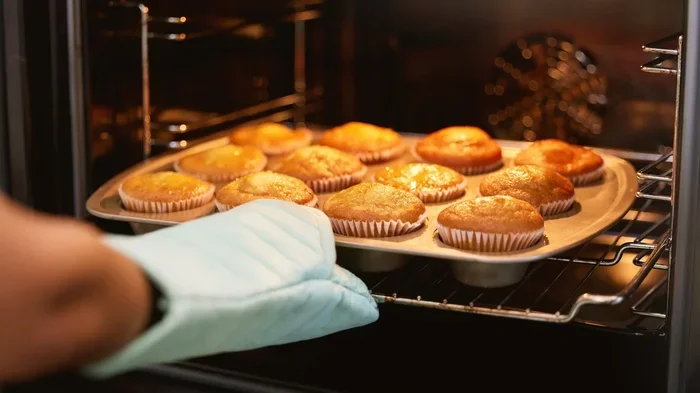
When we talk about what temp is warm in the oven, we are referring to a low heat range that sits below typical baking and roasting temperatures. Most ovens define warm as anywhere from 170°F to 200°F, which is roughly 75°C to 93°C. This is much lower than the 350°F to 450°F range most people associate with everyday baking.
The warm setting exists for a reason. It allows food to cook slowly and evenly without the risk of burning or drying out. Think of it as the gentle side of your oven. Instead of blasting food with high heat, a warm oven surrounds dishes with mild, consistent warmth. This is especially useful for foods that need time to develop flavor or set properly.
How Ovens Define Warm Temperatures
Not all ovens label their settings the same way. Some ovens have a dedicated “warm” button or dial position. Others simply let you set a custom temperature. Here is a quick look at how different oven types handle warm settings:
- Standard electric ovens: Often have a warm setting around 170°F to 200°F.
- Gas ovens: Typically warm at 170°F to 190°F on the lowest setting.
- Convection ovens: Use a fan to circulate warm air, so the effective warm temperature may feel slightly lower.
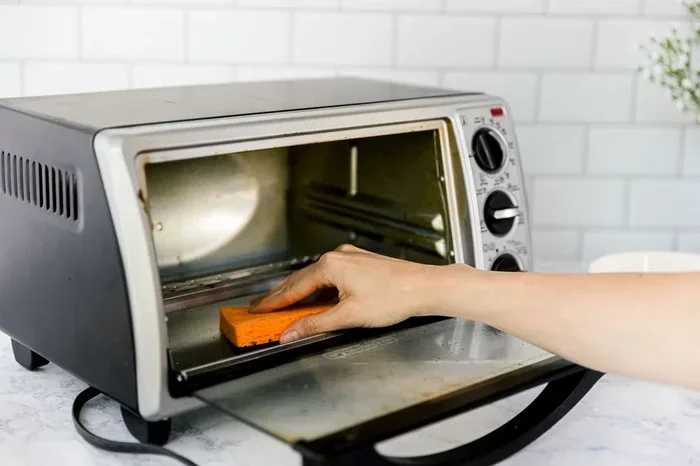
- Toaster ovens: Usually offer a warm setting between 150°F and 180°F.
These ranges can vary by model and manufacturer. That is why it is always a good idea to check your specific oven’s manual. But as a general rule, if your oven is somewhere in the 170°F to 200°F range, you are in the warm zone.
The Science Behind Low and Gentle Heat
Here is something interesting. Low heat cooking works because it gives proteins and starches time to transform slowly. When you cook at high temperatures, the outside of food can burn before the inside is done. A warm oven solves this problem. It cooks food from edge to center at a steady pace.
This slow process also helps flavors develop. Think about a slow-braised stew versus a quick sear. Both have their place, but the gentle approach creates depth and richness that high heat simply cannot match. This is exactly why understanding what temp is warm in the oven is so valuable for home cooks.
Common Warm Oven Temperatures
Now that you know what warm means, let us look at the specific temperatures you will encounter most often. These numbers will help you set your dial with confidence every time.
The 170°F Range
At 170°F, you are at the lower end of the warm spectrum. This temperature is ideal for keeping cooked food warm without continuing to cook it. Many people use this setting to hold casseroles, bread, and roasted vegetables for serving. It is also great for proofing bread dough in a very gentle way.
If you have ever wondered why your restaurant meals always come out perfectly warm, this is part of the reason. A 170°F oven holds food at a safe temperature without overcooking it. This is the go-to setting for meal prep and entertaining guests.
The 180°F to 190°F Sweet Spot
Most experts agree that 180°F to 190°F is the sweet spot for a warm oven. This range is warm enough to cook delicate dishes but gentle enough to avoid drying them out. It is the perfect temperature for custards, quiches, and delicate sauces that need steady, even heat.
This is also the temperature range where many slow-bake recipes call home. If a recipe says “bake at a low temperature,” there is a good chance it means somewhere in this range. It is the workhorse of warm oven cooking.
The 200°F Upper Limit
At 200°F, you are reaching the top of what most ovens consider warm. This temperature works well for dehydrating fruits, warming plates, and slow-roasting tomatoes. It is also useful for keeping a dish warm while you finish preparing the rest of your meal.
Going above 200°F starts to push into the low baking range. At that point, you are no longer in warm territory. You are entering the realm of baking and roasting, which requires different techniques and timing.
| Temperature | Best For | Cook Time |
|---|---|---|
| 170°F | Holding food warm, proofing dough | As needed |
| 180°F | Custards, quiches, delicate sauces | 30-60 minutes |
| 190°F | Slow-bake dishes, casseroles | 45-90 minutes |
| 200°F | Dehydrating, slow-roasting, warming plates | 1-3 hours |
When to Use a Warm Oven Setting
Knowing what temp is warm in the oven is only half the battle. The other half is knowing when to actually use it. A warm oven is not a one-trick pony. It has many practical uses that can make your time in the kitchen easier and more enjoyable.
Keeping Prepared Food Warm
This is the most common use for a warm oven. When you are cooking a big meal, not everything finishes at the same time. Your roast might be ready, but your vegetables need five more minutes. Instead of letting your main dish sit on the counter, tent it with foil and place it in a warm oven. It will stay hot and ready to serve without drying out.
This trick works especially well for holiday dinners and dinner parties. You can prepare dishes ahead of time and hold them in the warm oven until guests arrive. It takes the pressure off timing and lets you enjoy the evening too.
Slow Cooking and Low-and-Slow Recipes
Some recipes simply work better with gentle heat. Think about a rich, velvety chocolate pudding or a creamy baked pasta. These dishes need time to set and develop flavor. A warm oven gives them exactly that. The low temperature prevents the edges from curdling or burning while the center comes together.
Slow-cooking in the oven is also fantastic for tougher cuts of meat. A pork shoulder or beef chuck roast benefits from hours of gentle heat. The collagen breaks down slowly, resulting in tender, falling-apart meat. You cannot rush this process with high heat.
Proofing Bread Dough
Bread dough needs a warm, draft-free environment to rise properly. An oven set to 170°F or even lower provides the perfect conditions. Many bakers turn off the oven after preheating briefly and let the dough rise inside. The residual warmth encourages yeast activity without killing the delicate organisms.
This method works beautifully for sandwich loaves, dinner rolls, and artisan breads. Just make sure your oven is not too hot. If the dough sits in a temperature above 110°F for too long, the yeast can die off, and your bread will not rise properly.
Drying and Dehydrating Foods
Believe it or not, your oven can double as a food dehydrator. Setting it to 200°F works well for drying herbs, fruits, and even making your own beef jerky. The low heat removes moisture slowly, preserving flavor and nutrients.
This is a great trick for people who want to preserve garden harvests or make healthy snacks at home. Apples, tomatoes, and mushrooms all dry beautifully in a warm oven. Just remember to rotate your trays occasionally for even drying.
How to Set Your Oven to the Right Warm Temperature
Setting your oven correctly is easier than you might think, but there are a few things to keep in mind. Let us walk through the process step by step.
Using the Dial or Digital Controls
If your oven has a dedicated warm setting, simply press or turn to it. Most ovens will beep or show a light to confirm the setting is active. If your oven uses digital controls, look for a “warm” button or use the temperature dial to set a custom value between 170°F and 200°F.
For ovens without a warm preset, just dial in your desired temperature manually. Start at 175°F and adjust from there based on what you are cooking. Digital ovens tend to be more precise, which makes them great for warm cooking.
The Importance of an Oven Thermometer
Here is a pro tip that many people overlook. Most home ovens do not heat exactly to the temperature they display. A dial might say 180°F, but the actual internal temperature could be 10 to 25 degrees off. This is where an oven thermometer becomes your best friend.
Place a standalone oven thermometer on the middle rack and preheat your oven to the warm setting. Check the thermometer reading and adjust accordingly. This small investment of time and money will dramatically improve your cooking results. It takes the guesswork out of what temp is warm in the oven.
Preheating Tips for Warm Cooking
Do you need to preheat when using a warm setting? The answer is usually yes, but not for long. A quick preheat of 5 to 10 minutes is generally enough. The goal is to let the oven reach a stable temperature before you put your food inside.
However, if you are simply holding already-cooked food warm, you do not need to preheat at all. Just set the oven to warm, place the dish inside, and let it do its job. The key is understanding what you are trying to accomplish with each recipe.
Tips for Cooking with Low and Gentle Heat
Cooking with a warm oven is a bit different from baking at high temperatures. Here are some practical tips to help you get the best results.
Use Oven-Safe Dishes
Not all cookware is created equal. When using a warm oven, make sure your dishes are labeled oven-safe. Glass, ceramic, and cast iron all work well at low temperatures. Avoid plastic handles or non-stick coatings that are not rated for oven use.
Using the right dish also ensures even heat distribution. A thick ceramic baking dish holds warmth beautifully and is perfect for casseroles and gratins. Invest in a few good oven-safe pieces, and your warm-oven cooking will be much more successful.
Cover Dishes to Retain Moisture
Low heat can sometimes dry out food over long cooking times. The simplest fix is to cover your dish with aluminum foil or a tight-fitting lid. This traps steam and keeps moisture locked in.
This trick is especially helpful for baked pasta dishes, casseroles, and braised meats. You can remove the cover for the last 10 to 15 minutes if you want a golden, crispy top. The contrast between the moist interior and the crispy exterior is absolutely delicious.
Check Food Early and Often
Because warm cooking takes longer, it is easy to forget about your food. Set a timer and check on your dish periodically. Every oven is different, and cooking times can vary based on the dish size, oven model, and even altitude.
Use a food thermometer to check internal temperatures. For most casseroles and baked dishes, an internal temperature of 165°F means your food is safely heated through. For proofing dough, aim for an internal dough temperature of about 75°F to 80°F for the best yeast activity.
Let Residual Heat Do the Work
One of the best-kept secrets of warm oven cooking is the residual heat effect. When you turn off a warm oven and leave your dish inside, the remaining heat continues to gently cook the food. This is perfect for custards, cheesecakes, and delicate sauces that can crack or curdle with too much direct heat.
Simply turn off the oven when your dish is almost done and let it sit with the door closed for an extra 15 to 30 minutes. The gradual cooling process creates incredibly smooth, creamy results. This technique is a game-changer for anyone who loves baking.
Common Mistakes to Avoid When Using a Warm Oven
Even experienced cooks make mistakes with warm oven settings. Here are the most common ones and how to avoid them.
Confusing Warm with Broil
This is a big one. The broil setting uses direct, high heat from the top element. It is nothing like the gentle warmth of a low-temperature setting. If you accidentally put a delicate dish under the broiler when you meant to use warm, you will end up with burnt food and a very frustrated cook.
Always double-check your oven setting before walking away. Broil is for quick searing and browning. Warm is for gentle, slow cooking. They serve completely different purposes.
Setting the Temperature Too High
Some people think warm means 250°F or even higher. But once you go above 200°F, you are no longer in the warm zone. You are in the low baking range, which requires different timing and techniques.
Stick to the 170°F to 200°F range for true warm cooking. If your recipe calls for a warm oven, trust those numbers. They are there for a reason, and they will give you the best results.
Opening the Oven Door Too Often
Every time you open the oven door, you let out a significant amount of heat. With a warm oven, this is especially problematic because the temperature is already low. Opening the door can drop the internal temperature by 25°F or more.
Try to resist the urge to peek. Use the oven light to check on your food instead. If you need to rotate a dish, do it quickly and close the door right away. Your patience will be rewarded with more even cooking.
Skipping the Resting Period
Food continues to cook after you take it out of the oven. This is called carryover cooking, and it is more pronounced with low and slow methods. If you take your dish out the moment the timer goes off, it may be underdone in the center.
Let your food rest for 5 to 10 minutes after removing it from the warm oven. This allows the heat to distribute evenly throughout the dish. Your food will be more flavorful and have a better texture as a result.
Expert Insights on Warm Oven Cooking
We asked a few professional chefs and home cooking experts about their favorite warm oven techniques. Here is what they had to say.
Chef Maria Torres shared this tip: “I use my warm oven almost every day. It is my go-to for reheating leftovers without drying them out. I also love it for slow-baking eggs in tomato sauce. The gentle heat creates the most silky, restaurant-quality result at home.”
Food scientist Dr. James Chen added: “The science behind warm oven cooking is really about protein denaturation. At low temperatures, proteins unfold slowly, which creates a tender texture instead of a tough one. This is why custards and baked eggs taste so much better when cooked gently in a warm oven.”
These insights highlight why understanding what temp is warm in the oven is not just a trivia question. It is a fundamental cooking skill that separates good home cooks from great ones.
Key Takeaways
- Warm oven range: 170°F to 200°F is the standard warm zone for most cooking tasks.
- Low and slow cooking: Gentle heat works wonders for tough cuts of meat and baked goods.
- Keeping food warm: A warm oven holds prepared dishes at safe serving temperatures.
- Know your oven: Not all ovens heat the same, so use an oven thermometer for accuracy.
- Avoid common mistakes: Do not confuse warm with broil or high bake settings.
- Delicate dishes shine: Custards, sauces, and casseroles benefit greatly from low heat.
Conclusion
So, what temp is warm in the oven? The answer is clear: 170°F to 200°F. This gentle temperature range is one of the most versatile and underappreciated tools in any kitchen. From keeping dinner warm to slow-baking delicate custards, the warm setting does it all.
The beauty of understanding your oven’s warm range is that it makes you a better cook. You will waste less food, save time, and produce dishes with better flavor and texture every single time. It is a small change in knowledge that leads to big improvements in your cooking.
Start experimenting with your warm oven setting this week. Try reheating a leftover meal, slow-baking a custard, or proofing some dough. You will be amazed at how much better your food tastes when you cook with patience and the right temperature. Your oven is a powerful tool. Now you know how to use it at its warmest and most gentle setting to get perfect results every time.
Remember, cooking is all about learning and having fun. Do not be afraid to try new things and trust your instincts. With the knowledge you have gained from this guide, you are well on your way to mastering the warm oven and all the delicious meals it can create. Happy cooking!
Frequently Asked Questions
Is 200°F considered a warm oven temperature?
Yes, 200°F is widely considered the upper limit of a warm oven. Most ovens define the warm range as 170°F to 200°F. At 200°F, you are still in the gentle heat zone, which is perfect for slow-roasting, dehydrating, and keeping food warm. Going above 200°F starts to enter the low baking territory.
Can I use a warm oven to reheat food safely?
Absolutely. A warm oven is one of the best ways to reheat food without drying it out. Set your oven to 170°F to 180°F, place your food in an oven-safe dish, and cover it with foil. The gentle heat warms your food evenly and keeps it moist. Most reheated dishes are safe to eat when they reach an internal temperature of 165°F.
What is the difference between warm and low bake on an oven?
Warm typically refers to 170°F to 200°F and is designed for holding food or gentle cooking. Low bake usually starts around 200°F to 250°F and is intended for actual baking recipes. The main difference is the intended purpose and the temperature range. Warm is more about gentle heat, while low bake is for actual baking processes.
Do I need to preheat my oven when using the warm setting?
It depends on what you are cooking. If you are cooking a dish from scratch in a warm oven, a quick 5 to 10 minute preheat helps ensure even cooking. But if you are simply holding already-cooked food warm, you do not need to preheat. Just set the oven to warm and place the dish inside right away.
Why does my oven run hot or cold on the warm setting?
Most home ovens have an accuracy tolerance of plus or minus 10 to 25 degrees. This means your displayed temperature might not match the actual internal temperature. This is why an oven thermometer is so valuable. It gives you the real temperature and helps you adjust your settings for better results every time.
What types of dishes benefit most from warm oven cooking?
Custards, quiches, baked eggs, casseroles, and delicate sauces all benefit from warm oven cooking. Tough cuts of meat like pork shoulder and beef chuck also shine with low, gentle heat over long cooking times. Even bread dough benefits from the warm environment for proper rising and proofing.