How To Season Steak For Oven And Get Juicy Perfect Results
Learning how to season steak for oven is simpler than you think, and the results are incredible. This guide walks you through the best seasonings, techniques, and cooking times to get a juicy, flavorful steak every time. You will discover easy rubs, marinating tips, and oven-baking methods that rival any steakhouse. Whether you are a beginner or a seasoned cook, these steps will transform your oven steak game. Follow along and enjoy restaurant-quality steak from your own kitchen.
There is something deeply satisfying about pulling a perfectly cooked steak out of the oven. The aroma fills your kitchen, the crust looks golden and crackly, and you know that first bite is going to be incredible. But getting to that point starts with one crucial step: how to season steak for oven properly. Many people think seasoning is just about tossing salt and pepper on a piece of meat. But the truth is, a little more thought and effort can take your steak from ordinary to absolutely mouthwatering.
This guide covers everything you need to know about seasoning steak for the oven. You will learn which seasonings work best, how to build flavor layers, and the exact steps to follow every single time. We will also cover common mistakes, expert tips, and frequently asked questions. By the end, you will feel confident enough to whip up a juicy oven-baked steak that will impress anyone at the table.
Whether you prefer a simple garlic and herb rub or a bold spice blend, the principles remain the same. Great seasoning starts with quality meat, good salt, and a bit of patience. Let us dive into the details and help you master the art of seasoning steak for oven cooking like a pro.
Key Takeaways
- Choose the right cut: Thick-cut steaks like ribeye, strip, and filet mignon work best for oven cooking.
- Dry brine for juiciness: Salting your steak ahead of time draws out moisture, which gets reabsorbed for a tender result.
- Use a simple seasoning blend: Salt, pepper, garlic powder, and smoked paprika create a flavorful crust with minimal effort.
- Preheat and use a hot pan: Searing before the oven builds a beautiful crust that locks in juices.
- Rest your steak after cooking: Letting it sit for 5-10 minutes redistributes the juices for a more flavorful bite.
- Use a meat thermometer: Internal temperature is the most reliable way to know your steak is cooked to perfection.
- Experiment with flavors: Herb butter, chili flakes, and fresh rosemary can elevate your steak seasoning to the next level.
📑 Table of Contents
Why Oven-Baked Steak Is Worth Trying
Many steak lovers default to the grill or cast iron pan. And those methods are fantastic. But oven-baked steak offers some unique advantages that are worth exploring. First, the oven provides consistent, even heat. This means your steak cooks more uniformly from edge to center. There are no hot spots or flare-ups to worry about.
Second, oven cooking gives you more control over the final steak doneness. You can monitor the temperature closely and adjust as needed. This is especially helpful when cooking thicker cuts that need a slower, more gentle approach. Third, using the oven frees up your stovetop for other dishes. You can prepare a full meal without juggling multiple pans.
The reverse sear method is one of the most popular oven techniques. You cook the steak low and slow in the oven first, then finish it with a hot sear on the stovetop. This produces an even pink interior with a deeply caramelized crust. Seasoning steak for oven is the foundation of this method, and getting it right makes all the difference.
Best Cuts Of Steak For Oven Cooking
Not all steaks are created equal when it comes to oven cooking. Thicker cuts work best because they can handle the low-and-slow heat without drying out. Here are some top choices:
- Ribeye: Rich marbling means incredible flavor and a juicy texture even after oven cooking.
- New York Strip: A firm, beefy steak with a thick strip of fat that renders beautifully in the oven.
- Filet Mignon: Tender and lean, this cut benefits from a protective crust built through seasoning and searing.
- Bone-In Ribeye: The bone adds extra flavor and helps retain moisture during the cooking process.
- Porterhouse: A thick, impressive cut that combines the best of both the strip and tenderloin.
When choosing your steak, look for at least 1.5 inches thick. Thinner cuts tend to overcook quickly in the oven. A thicker cut gives you more room to work with and results in a more juicy steak overall.
The Best Seasonings For Oven Steak
The beauty of seasoning steak for oven is that you have so many options. You can keep it simple or get creative with complex flavor profiles. The key is understanding what each ingredient brings to the table and how they work together.
Salt And Pepper: The Classic Foundation
Never underestimate the power of good salt and freshly cracked black pepper. These two ingredients form the backbone of nearly every great steak seasoning recipe. Salt enhances the natural flavor of the beef and helps create that beautiful crust. Pepper adds a gentle heat and earthy depth. When you combine them properly, you get a clean, pure beef flavor that is hard to beat.
Use kosher salt for the best results. It dissolves evenly and gives you more control over how much you apply. Avoid table salt, which can make your steak taste overly salty in spots. For pepper, freshly ground black pepper has a much brighter flavor than pre-ground versions.
Garlic And Herb Combinations
Garlic is a natural companion to steak. It adds a savory depth that complements the rich beef flavor perfectly. You can use garlic powder for a more even distribution, or fresh minced garlic for a sharper, more pungent kick. Fresh herbs like rosemary, thyme, and oregano bring a wonderful aromatic quality to your oven steak.
Try combining garlic powder, dried rosemary, dried thyme, and a pinch of onion powder. This blend works beautifully on ribeye and strip steaks. The herbs create a fragrant crust that smells incredible when the steak comes out of the oven.
Smoked Paprika And Chili For Bold Flavor
If you like a little heat and smokiness, smoked paprika and chili flakes are your best friends. Smoked paprika adds a deep, warm flavor without overwhelming spice. Chili flakes bring the burn. Together, they create a steak rub that pairs wonderfully with grilled or oven-baked steak.
You can also add a touch of cumin or cayenne pepper for extra complexity. Just a pinch goes a long way. The goal is to enhance the steak, not mask its natural taste. A well-balanced seasoning blend should complement the beef, not overpower it.
Step-By-Step Guide To Seasoning Steak For The Oven
Now that you know which seasonings to use, let us walk through the actual process. Following these steps will help you build layers of flavor and achieve the best possible results every time.
Step 1: Choose And Prep Your Steak
Start by selecting a quality cut that is at least 1.5 inches thick. Remove the steak from the refrigerator about 30 minutes before cooking. Letting it come closer to room temperature helps it cook more evenly. Pat the steak dry with paper towels. A dry surface is essential for building a great crust.
Step 2: Apply The Salt Early
This is where many people go wrong. They season right before cooking, and the result is a less flavorful steak. Instead, try dry brining your steak. Sprinkle kosher salt generously on all sides and place it on a wire rack over a baking sheet. Leave it uncovered in the refrigerator for at least one hour, or up to 24 hours.
During this time, the salt draws moisture out of the steak. That moisture then gets reabsorbed, carrying the salt deep into the meat. The result is a juicier, more flavorful steak with a better texture. This step alone can transform your oven-baked steak from good to great.
Step 3: Add Your Seasoning Blend
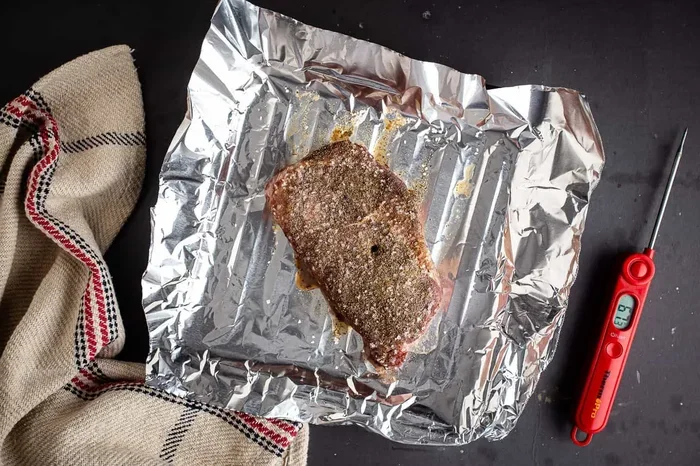
When you are ready to cook, remove the steak from the refrigerator. Pat it dry again if needed. Apply your chosen steak seasoning recipe evenly on all sides. Press the seasoning gently into the meat so it adheres well. Do not be shy with the amount. A well-seasoned steak should have a visible layer of spices on every surface.
For a simple blend, use equal parts salt, pepper, and garlic powder with a pinch of smoked paprika. For something more adventurous, mix in dried herbs, a touch of brown sugar for caramelization, or a dash of coffee grounds for depth. The possibilities are nearly endless when it comes to steak seasoning ideas.
Step 4: Let The Seasoning Work
After applying your seasoning, let the steak sit at room temperature for about 20-30 minutes. This allows the flavors to penetrate the surface and helps the steak cook more evenly. It also gives the seasoning time to adhere properly, which means less flaking off during cooking.
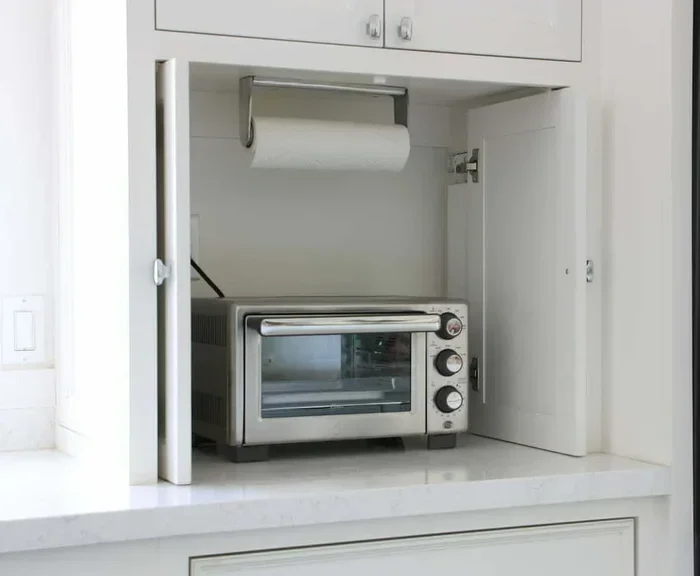
Use this time to preheat your oven. Most oven steak recipes call for a temperature between 250 and 400 degrees Fahrenheit, depending on your cooking method. Having everything ready before the steak goes in the oven makes the process smoother and more enjoyable.
How To Cook Seasoned Steak In The Oven
Seasoning is only half the battle. How you cook the steak matters just as much. Here are the two most effective methods for cooking a seasoned steak in the oven.
Method 1: The Reverse Sear
The reverse sear is a game-changer for thick-cut steaks. Start by preheating your oven to 250 degrees Fahrenheit. Place your seasoned steak on a wire rack set over a baking sheet. Insert a meat thermometer into the thickest part of the steak.
Cook the steak slowly until it reaches an internal temperature about 10 degrees below your desired doneness. For medium-rare, that is around 110 degrees. This low-temperature cooking gently brings the steak up to temperature evenly throughout. The steak crust forms later, during the searing step.
Once the steak is close to your target temperature, remove it from the oven. Heat a cast iron skillet over high heat with a high-smoke-point oil like avocado or grapeseed oil. Sear the steak for about 60 seconds on each side until a deep, golden-brown crust forms. Let the steak rest for at least 5 minutes before slicing.
Method 2: Direct High-Heat Baking
If you prefer a simpler approach, you can cook your seasoned steak directly in a hot oven. Preheat to 400 degrees Fahrenheit. Place your seasoned steak on a wire rack or a lightly oiled baking sheet. Cook for about 10-15 minutes for a 1.5-inch thick steak, flipping halfway through.
Use a meat thermometer to check the internal temperature. Remember that the temperature will rise a few degrees during the resting period. For medium-rare, aim for 130 degrees. For medium, pull the steak at 135 degrees. This method works best for steaks that are not paper-thin and have enough thickness to hold together during cooking.
How Long To Cook Steak In The Oven
Cooking time depends on the thickness of the steak and the oven temperature. Here is a general guide for a 1.5-inch thick steak at 400 degrees Fahrenheit:
- Rare: 8-10 minutes total
- Medium-Rare: 10-12 minutes total
- Medium: 12-14 minutes total
- Well-Done: 14-16 minutes total
These times are approximate. Always use a meat thermometer for the most accurate results. Every oven behaves differently, and the starting temperature of the steak also affects cooking time.
Common Mistakes To Avoid When Seasoning Steak For The Oven
Even experienced cooks make mistakes when it comes to seasoning steak for oven. Being aware of these pitfalls can save you from a disappointing meal.
Skipping The Dry Brine
Many home cooks season right before cooking and call it a day. But skipping the dry brine means you miss out on deeper flavor and a more tender texture. Salt needs time to work its magic. Even 30 minutes makes a noticeable difference, but overnight is ideal.
Using Too Much Seasoning
More is not always better. Heavy-handed seasoning can overwhelm the natural flavor of the beef. A moderate, even coating is all you need. You can always add more, but you cannot take it away. Start with less and adjust from there.
Not Letting The Steak Rest After Cooking
Cutting into your steak the moment it comes out of the oven is tempting. But doing so releases all those precious juices onto the cutting board instead of staying in the meat. Let your steak rest for at least 5-10 minutes. This simple step makes a huge difference in the final result and is one of the most overlooked oven steak tips.
Using The Wrong Pan Or Rack
Cooking your steak directly on a baking sheet can cause the bottom to steam instead of crisp. Always use a wire rack set over a baking sheet. This allows air to circulate around the steak, promoting even cooking and a better crust. If you are searing after the oven, a cast iron skillet is the best choice.
Expert Tips For Perfect Oven Steak Every Time
Take your seasoning steak for oven game to the next level with these professional tips and tricks.
Add A Herb Butter Finish
After your steak rests, top it with a small pat of herb butter. Mix softened butter with minced garlic, fresh parsley, and a pinch of flaky salt. As the butter melts over the hot steak, it adds richness and an extra layer of flavor that is simply irresistible. This is a restaurant trick that works beautifully at home.
Experiment With Different Spice Profiles
Do not be afraid to try new flavor combinations. A coffee-chili rub adds a rich, complex depth. A brown sugar and cayenne blend creates a sweet-heat crust. A Japanese-inspired blend with soy sauce powder and ginger brings an umami twist. Exploring different steak seasoning ideas keeps your meals exciting and helps you discover new favorites.
Invest In A Good Meat Thermometer
A meat thermometer is the single most important tool for cooking steak in the oven. It removes the guesswork entirely. You will know exactly when your steak has reached the perfect temperature, every single time. Digital instant-read thermometers are affordable and give you results in seconds.
Pair Your Steak With The Right Sides
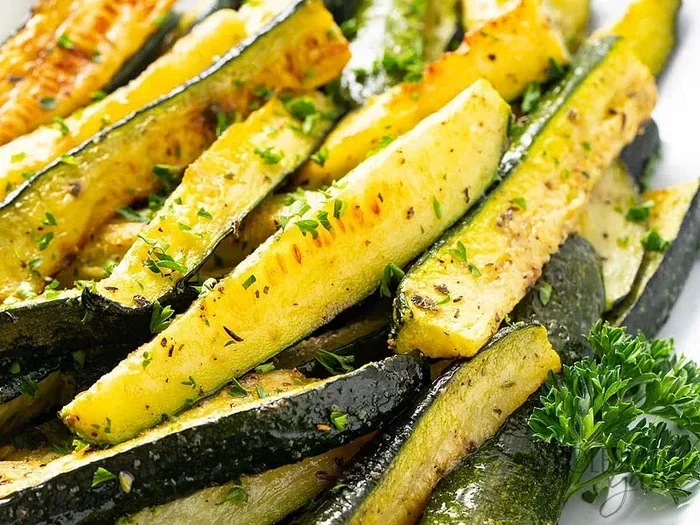
A perfectly seasoned oven-baked steak deserves equally thoughtful sides. Roasted vegetables, garlic mashed potatoes, a simple side salad, or grilled asparagus all complement steak beautifully. Planning your full meal ahead of time ensures everything comes together seamlessly.
Store And Reheat Leftovers Properly
If you have leftovers, store them in an airtight container in the refrigerator for up to three days. Reheat gently in the oven at 250 degrees Fahrenheit to avoid drying out the steak. A quick sear in a hot pan for 30 seconds can refresh the crust and bring back some of that initial flavor.
Conclusion
How to season steak for oven is a skill anyone can learn and master with a little practice. The process starts with choosing the right cut, building a flavorful seasoning blend, and following a few simple cooking techniques. Whether you prefer the reverse sear method or a direct high-heat approach, the results can be truly impressive.
Remember to take your time with the seasoning. Salt early, use quality ingredients, and let the flavors develop before cooking. Avoid common mistakes like skipping the rest period or using too much seasoning. And most importantly, enjoy the process. Cooking a great steak should be a rewarding and enjoyable experience.
The next time you crave a perfectly cooked steak, skip the takeout and head to your kitchen. With the right steak seasoning recipe and a little confidence, you can create juicy, flavorful oven steak that rivals any restaurant. Your taste buds will thank you.
Frequently Asked Questions
What Is The Best Seasoning Blend For Oven Steak?
A simple blend of kosher salt, freshly cracked black pepper, garlic powder, and smoked paprika works wonders for oven steak. You can also add dried herbs like rosemary and thyme for extra flavor. The best blend is one that complements the natural taste of the beef without overpowering it.
How Long Should I Season My Steak Before Cooking?
Ideally, you should dry brine your steak with salt at least one hour before cooking, or up to 24 hours in the refrigerator. For the seasoning blend itself, apply it 20-30 minutes before cooking to let the flavors settle into the surface. This extra time makes a noticeable difference in flavor and texture.
Can I Use A Marinade Instead Of A Dry Rub For Oven Steak?
Yes, you can use a marinade, but keep it thin and oil-based so it does not create excess moisture. A marinade with olive oil, garlic, soy sauce, and herbs can add great flavor. However, dry rubs tend to create a better crust in the oven, which is why they are more popular for oven-baked steak.
What Internal Temperature Should I Aim For When Cooking Steak In The Oven?
For medium-rare, aim for 130 degrees Fahrenheit. Medium is around 135 degrees. Rare is 120 degrees, and well-done is 160 degrees. Always pull the steak a few degrees below your target because the temperature will rise during the resting period. Using a meat thermometer is the most reliable way to hit the right doneness.
Do I Need To Sear My Steak After Taking It Out Of The Oven?
Searing is not strictly necessary, but it adds a beautiful crust and extra flavor. If you skip the sear, your steak will still be juicy and flavorful from the oven cooking alone. For the best results, a quick 60-second sear on each side in a hot cast iron skillet is highly recommended.
Can I Season Steak The Night Before And Cook It The Next Day?
Absolutely. In fact, seasoning the night before is one of the best things you can do for flavor. Apply your salt and seasoning blend, then store the steak uncovered in the refrigerator overnight. The salt will begin the dry brining process, and the flavors will penetrate deeper into the meat by the next day.
=== CONCLUSION ===
Learning how to season steak for oven is one of the most rewarding cooking skills you can develop. With the right seasonings, proper technique, and a little patience, you can achieve juicy, flavorful steak that turns any ordinary evening into a special occasion. Start with the basics, experiment with different flavor profiles, and trust your instincts. Every steak you cook will get better, and the process itself is something to enjoy. So fire up your oven, grab a quality cut of meat, and get ready to experience steak perfection at home.