How To Cook Beef Tenderloin Filet In Oven Like A Pro
Cooking beef tenderloin filet in the oven is easier than you think. This guide walks you through every step, from picking the right cut to pulling it off at the perfect temperature. You will learn how to cook beef tenderloin filet in oven like a seasoned chef with simple tips and clear instructions. Whether you are a beginner or a home cook looking to level up, this method guarantees tender, juicy results. Follow along and impress your family with a restaurant-quality meal tonight.
There is something truly special about a perfectly cooked beef tenderloin filet. It is tender, juicy, and full of flavor. Yet many people feel intimidated by cooking this cut at home. The truth is, learning how to cook beef tenderloin filet in oven is simpler than most recipes make it seem. You do not need fancy equipment or years of experience. With the right steps, anyone can pull off a stunning roast that rivals any steakhouse.
This guide breaks down the entire process into easy, manageable steps. You will learn how to pick the right cut, season it well, and roast it to perfection. We will also cover common mistakes to avoid and the best ways to serve your finished roast. By the end, you will feel confident enough to make this dish for a special dinner or a weeknight treat. Let us get started.
Key Takeaways
- Perfect Temperature: Roast at 425°F for a golden crust and juicy center every time.
- Season Simply: Salt, garlic, and fresh herbs bring out the best flavor in beef tenderloin.
- Rest The Meat: Always let your roast rest for 10-15 minutes before slicing to lock in juices.
- Use A Thermometer: Internal temperature is the only reliable way to know your beef is done right.
- Sear First: A quick sear in a hot pan before oven roasting adds incredible flavor and texture.
- Slice Against The Grain: This simple step makes every bite tender and easy to chew.
📑 Table of Contents
Why Oven-Baked Beef Tenderloin Is Worth Trying
Beef tenderloin is one of the most prized cuts of meat. It comes from the loin area, which does very little work. That means the muscle is naturally tender and soft. When you cook it in the oven, the even heat wraps around the roast gently. This creates a beautiful crust on the outside while keeping the inside perfectly pink.
Compared to grilling or pan-frying, oven roasting gives you more control. You can set the temperature and walk away. There is less risk of burning or overcooking. Many home cooks find that oven roasting brings out a deeper, more even flavor. It also frees up your stovetop for side dishes like garlic butter mushrooms or roasted vegetables.
The Flavor Benefits Of Oven Roasting
Oven roasting allows the fat to render slowly. This means the beef stays moist and flavorful. The dry heat also helps form a delicious crust, known as the Maillard reaction. This is the same process that gives grilled meat its savory, browned taste. But with an oven, you get a more consistent result across the entire surface of the roast.
Another benefit is the hands-off nature of the process. Once your beef tenderloin is in the oven, you can prep your sides, set the table, or simply relax. The oven does the heavy lifting for you.
How To Choose The Best Beef Tenderloin
Picking the right cut makes all the difference. Not all beef tenderloins are created equal. Here is what to look for when you shop.
Look For Good Marbling
Marbling refers to the thin white streaks of fat running through the meat. More marbling means more flavor and juiciness. Look for a roast with fine, even streaks of fat throughout. Avoid cuts that look dry or have large chunks of hard fat on the outside.
Check The Color And Smell
Fresh beef tenderloin should be a bright cherry-red color. If it looks brown or gray, it may have been sitting too long. The meat should smell clean and beefy, not sour or ammonia-like. Trust your senses. A good-looking, good-smelling roast is your best starting point.
Size Matters Too
A whole beef tenderloin can be quite large, often weighing 4 to 6 pounds. For most families, a 2 to 3-pound portion works perfectly. This size fits most standard ovens and feeds 4 to 6 people comfortably. You can also buy trimmed and tied tenderloin rolls, which are easier to handle.
| Cut Size | Feeds | Cook Time (At 425°F) | Best For |
|---|---|---|---|
| 1-2 lbs | 2-3 people | 20-25 minutes | Small gatherings |
| 2-3 lbs | 4-6 people | 25-35 minutes | Family dinners |
| 3-5 lbs | 6-10 people | 35-45 minutes | Holiday meals |
| 5+ lbs | 10+ people | 45-60 minutes | Large celebrations |
Essential Prep Work And Seasoning
Good prep work sets you up for success. Taking a few extra minutes before cooking makes a huge difference in the final result.
Bring The Meat To Room Temperature
Take your beef tenderloin out of the fridge about 30 to 45 minutes before cooking. This lets the meat warm up evenly. Cold meat placed in a hot oven cooks unevenly, which can lead to a pink center and overcooked edges. Room temperature meat roasts more consistently and stays juicier.
Season With Purpose
Beef tenderloin is naturally tender and mild in flavor. It does not need a heavy hand with seasoning. A simple blend works beautifully:
- Kosher salt – about 1 teaspoon per pound of meat
- Freshly ground black pepper – a generous amount
- Garlic powder – half a teaspoon
- Fresh rosemary or thyme – a few sprigs
- Olive oil – a light drizzle to help the seasonings stick
Rub the olive oil over the entire roast first. Then press the salt, pepper, and garlic powder into the surface. Place the herb sprigs on top or tuck them underneath. The oil creates a barrier that helps the seasonings bond with the meat during roasting.
Optional: Sear Before Roasting
Searing is not required, but it adds a wonderful layer of flavor. Heat a cast iron skillet over high heat with a bit of oil. Sear each side of the tenderloin for about 1 to 2 minutes until a deep brown crust forms. Then transfer the roast directly to your oven-safe pan. This step is a favorite among chefs who want the best of both worlds.
Step-By-Step Cooking Guide
Now that your beef tenderloin is prepped and seasoned, it is time to cook. This step-by-step method is straightforward and reliable.
Step 1: Preheat Your Oven
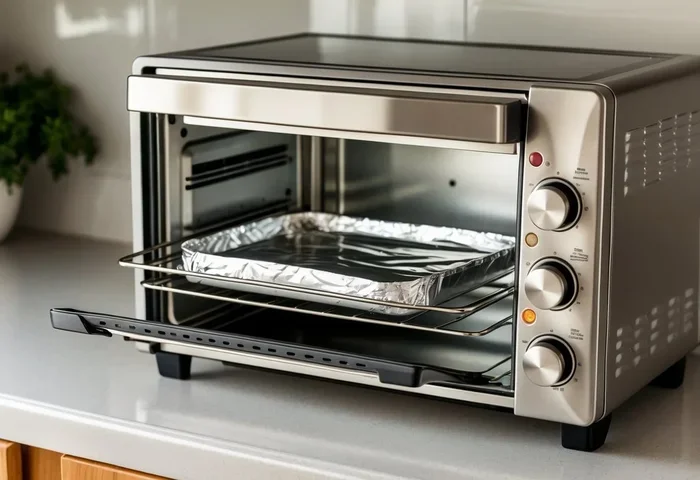
Set your oven to 425°F (220°C). This is the sweet spot for beef tenderloin. It is hot enough to create a beautiful crust but not so hot that the outside burns before the inside is done. Let the oven fully preheat before placing the meat inside. A properly heated oven ensures even cooking from the start.
Step 2: Place The Roast In A Pan
Use a roasting pan or a baking dish that fits the tenderloin comfortably. If you seared the meat first, transfer it directly to the pan. Place the roast on a rack if you have one, as this allows hot air to circulate around the entire piece of meat. If you do not have a rack, a shallow baking pan works fine too.
Step 3: Insert A Meat Thermometer
This is the most important tool for perfect results. Push a digital meat thermometer into the thickest part of the roast. Make sure the probe is in the center, not touching any bone or the pan. You will use this to check the temperature as the meat cooks.
Step 4: Roast Until Desired Doneness
Place the pan in the center of the oven. Set a timer, but do not rely on time alone. Use the thermometer to check the internal temperature. Here is a helpful guide:
- Rare: 120-125°F (bright red center)
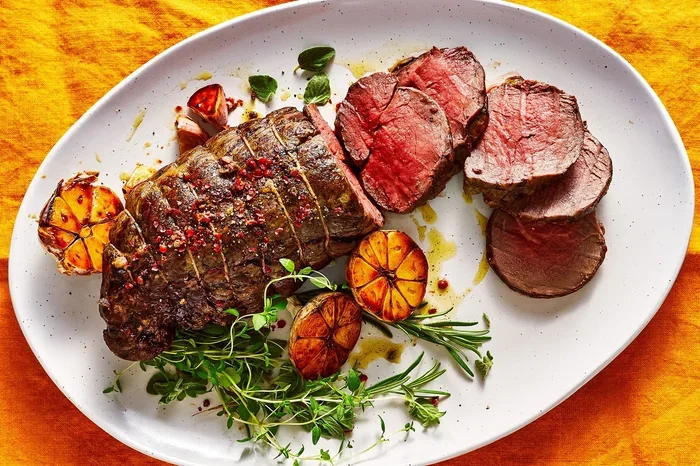
- Medium Rare: 130-135°F (warm red center)
- Medium: 135-145°F (pink center)
- Medium Well: 145-155°F (slight pink center)
- Well Done: 155°F and above (little to no pink)
For most people, medium rare is the ideal doneness for beef tenderloin. It keeps the meat juicy and tender while still being fully cooked. Pull the roast when the thermometer reads about 5 degrees below your target, as the temperature will rise during resting.
Step 5: Rest The Roast
This step is non-negotiable. Once the beef comes out of the oven, let it rest on a cutting board for at least 10 to 15 minutes. During cooking, the juices get pushed toward the center of the roast. Resting lets those juices redistribute evenly throughout the meat. If you skip this step and cut right away, the juices will run out and your roast will be dry.
Step 6: Slice And Serve
Use a sharp knife to slice the tenderloin against the grain. The grain is the direction of the muscle fibers. Cutting against them shortens the fibers, making each bite more tender. Slice pieces about half an inch thick for the best texture and presentation.
Common Mistakes To Avoid
Even experienced cooks make mistakes with beef tenderloin. Here are the most common ones and how to avoid them.
Skipping The Thermometer
Relying on time alone is the number one mistake people make. Ovens vary, and the size and shape of your roast affect cooking time. A meat thermometer removes all guesswork. It is an inexpensive tool that pays for itself in perfectly cooked meals every single time.
Not Letting The Meat Rest
We mentioned this earlier, but it deserves repeating. Cutting into a hot roast releases all the juices onto your cutting board instead of staying in the meat. Patience during the resting phase is the difference between a good roast and a great one.
Overcooking The Roast
Beef tenderloin is a lean cut. It does not have a lot of fat to keep it moist if it overcooks. Once the internal temperature goes past 155°F, the meat starts to dry out quickly. Pull it a little early and let the resting temperature do the rest of the work.
Seasoning Too Late
Salt needs time to penetrate the meat. If you season right before cooking, the salt sits on the surface. For the best flavor, season your tenderloin at least 30 minutes before cooking, or even the night before. This gives the salt time to work its way into the fibers and enhance the natural beef flavor.
Serving Suggestions And Best Pairings
A great beef tenderloin roast deserves equally great sides. Here are some pairing ideas that complement the rich flavor of the meat.
Best Side Dishes
- Creamy mashed potatoes – a classic pairing that soaks up the juices
- Roasted asparagus – adds a fresh, earthy contrast
- Garlic butter green beans – simple and delicious
- Crispy roasted potatoes – for a hearty, satisfying meal
- Wilted spinach with garlic – a light and healthy option
Wine Pairings
A good glass of wine elevates any beef tenderloin dinner. A bold red wine like a Cabernet Sauvignon or a Malbec pairs beautifully with the richness of the meat. If you prefer something lighter, a Pinot Noir also works well. The key is to choose a wine you enjoy drinking on its own, as it will complement the flavors of the roast.
Sauce Ideas
While beef tenderloin is delicious on its own, a simple sauce can take it to the next level. A classic red wine reduction, a creamy horseradish sauce, or a simple pan jus made from the roasting juices all work wonderfully. You can make a pan jus by deglazing the roasting pan with a splash of beef broth and scraping up the browned bits from the bottom.
Storing And Reheating Leftovers
If you have leftovers, store them properly to enjoy them the next day. Let the sliced beef cool to room temperature, then place it in an airtight container in the refrigerator. It will keep well for up to 3 days.
To reheat, use a low oven temperature of about 275°F. Wrap the slices loosely in foil with a splash of beef broth to keep them moist. Heat for about 10 to 15 minutes until warmed through. Avoid microwaving, as it can make the meat tough and rubbery. A gentle reheat in the oven preserves the tender texture you worked so hard to achieve.
Final Thoughts On Cooking Beef Tenderloin In The Oven
Learning how to cook beef tenderloin filet in oven is a skill that will serve you well for years to come. It is a cut that rewards simple preparation and patience. You do not need complicated techniques or expensive equipment. Just a good roast, basic seasonings, a hot oven, and a reliable thermometer.
The beauty of this dish is its versatility. Serve it for a romantic dinner for two, a holiday feast, or a Sunday family roast. Each time, you will get consistent, impressive results. Once you master the basic method, you can experiment with different herbs, spice rubs, and sauces to make the recipe your own.
Remember to bring the meat to room temperature before cooking, season it well, roast at 425°F, and always let it rest before slicing. These small habits make a big difference. With practice, you will be able to gauge the perfect doneness by sight and touch, but the thermometer will always be your best friend in the kitchen.
So go ahead and give it a try. Your kitchen will smell incredible, and your family and friends will be impressed. There is nothing quite like the satisfaction of serving a perfectly roasted beef tenderloin that you made yourself. Happy cooking!
Frequently Asked Questions
What Is The Best Temperature To Cook Beef Tenderloin In The Oven?
The best temperature is 425°F (220°C). This high heat creates a beautiful golden crust on the outside while cooking the inside evenly. It is the ideal balance between flavor and tenderness for a beef tenderloin roast.
How Long Should I Cook A 2-Pound Beef Tenderloin In The Oven?
A 2-pound tenderloin typically takes about 25 to 35 minutes at 425°F. However, time varies based on your oven and the starting temperature of the meat. Always use a meat thermometer to check for your desired internal temperature rather than relying on the clock.
Should I Sear Beef Tenderloin Before Putting It In The Oven?
Searing is optional but highly recommended. A quick sear in a hot skillet adds a rich, caramelized flavor and a beautiful brown crust. It only takes a few minutes and makes a noticeable difference in the final result.
How Do I Know When Beef Tenderloin Is Done?
The only reliable way to know is by using a meat thermometer. Pull the roast at 125-130°F for rare, 130-135°F for medium rare, or 135-145°F for medium. The temperature will rise a few degrees during resting, so pull it slightly below your target.
Can I Cook Beef Tenderloin From Frozen?
It is not recommended. Cooking from frozen leads to uneven cooking, with the outside overcooking before the inside thaws. Always thaw your beef tenderloin in the refrigerator for 24 to 48 hours before cooking for the best results.
What Is The Difference Between Beef Tenderloin And Filet Mignon?
Beef tenderloin is the whole long muscle, while filet mignon refers to the round, thick portions cut from the narrower end of the tenderloin. When you cook a whole tenderloin in the oven, you get more variety in each slice, while filet mignon steaks are typically cooked on the stovetop or grill.
=== CONCLUSION ===
Cooking beef tenderloin filet in oven is one of the most rewarding things you can do in the kitchen. With the right approach, you get a restaurant-quality meal that is tender, juicy, and full of flavor. Follow the steps in this guide, avoid the common mistakes, and trust your thermometer. You will be amazed at how easy it is to achieve perfect results every single time. Start with a simple recipe, build your confidence, and soon you will be cooking beef tenderloin like a pro.