How Long To Cook Cornish Hen In The Oven Perfectly
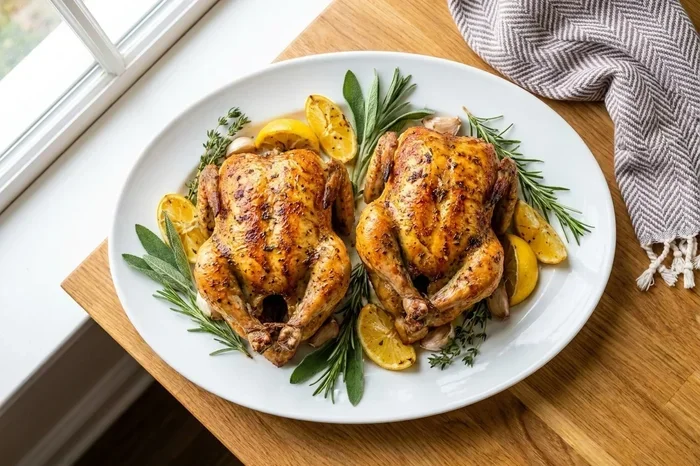
Cooking a Cornish hen in the oven takes about 45 to 60 minutes at 425°F to 450°F, depending on the size of the bird. This guide covers everything from prep and seasoning to the internal temperature that guarantees a safe, tender result. You will learn how long to cook Cornish hen in the oven perfectly every single time.
There is something special about placing a whole Cornish hen in the oven and watching it turn golden and crispy. Whether you are cooking for a romantic dinner for two or a small holiday gathering, this little bird delivers big flavor. The question most home cooks ask is simple: how long to cook Cornish hen in the oven?
The answer depends on a few factors, including the oven temperature, the size of the hen, and whether you stuff it or leave it empty. In this guide, we walk you through every detail so you can roast a Cornish hen with confidence. You will learn the exact times, temperatures, and techniques that produce juicy, tender meat every time.
Key Takeaways
- Standard Cook Time: A whole Cornish hen roasts in 45 to 60 minutes at 425°F to 450°F.
- Internal Temperature Matters: The safe target is 165°F in the thickest part of the thigh.
- Size Affects Timing: Larger hens need more time; smaller ones cook faster.
- Resting Is Essential: Let the hen rest for 5 to 10 minutes after removing it from the oven.
- Seasoning Boosts Flavor: Herb butter, citrus, and garlic elevate the taste significantly.
- Bone-In vs. Deboned: Bone-in hens retain more moisture and take slightly longer.
- Pair With Simple Sides: Roasted vegetables, mashed potatoes, or a fresh salad complement Cornish hen beautifully.
📑 Table of Contents
- What Is a Cornish Hen and Why Is It Worth Cooking?
- How Long To Cook Cornish Hen In The Oven: Time and Temperature Guide
- Step-by-Step Guide to Preparing Your Cornish Hen
- Best Seasonings and Flavor Combinations for Cornish Hen
- Common Mistakes to Avoid When Cooking Cornish Hen
- Serving Suggestions and Side Dishes for Cornish Hen
- Expert Tips for Perfect Cornish Hen Every Time
- How to Store and Reheat Leftover Cornish Hen
- Conclusion
What Is a Cornish Hen and Why Is It Worth Cooking?
A Cornish hen is a small young chicken, typically weighing between one and two pounds. Despite the name, it is not a true game bird. It is a breed of chicken that was developed in Cornwall, England, and later popularized in the United States. These birds are known for their tender, delicate meat and rich flavor.
Because of their small size, Cornish hens are perfect for individual servings. Each bird makes its own elegant plate, which makes them ideal for dinner parties or special occasions. They cook faster than a full-sized chicken, so you get a restaurant-quality meal in less than an hour.
Cornish Hen vs. Regular Chicken
The main difference comes down to size and cooking time. A regular whole chicken can weigh six to eight pounds and may take over an hour and a half to roast. A Cornish hen, on the other hand, is ready in under an hour. The meat is also more tender and less fatty than standard chicken. This makes Cornish hen a favorite for people who want a quick yet impressive main course.
If you have never cooked one before, do not worry. Cornish hens are forgiving and easy to prepare. Even beginner cooks can achieve excellent results with basic oven-roasting skills.
How Long To Cook Cornish Hen In The Oven: Time and Temperature Guide
Getting the time and temperature right is the most important part of roasting a Cornish hen. Too high a heat can burn the outside while leaving the inside raw. Too low a heat can dry out the bird. The sweet spot for most Cornish hens is between 425°F and 450°F.
Standard Cooking Time at Different Temperatures
Here is a quick breakdown of how long to cook Cornish hen in the oven at various temperatures:
- At 425°F: Roast for 50 to 60 minutes for a one-pound hen. Larger hens may need up to 70 minutes.
- At 450°F: Roast for 40 to 50 minutes. This higher heat creates a crispier skin.
- At 375°F: Roast for 65 to 75 minutes. Lower heat is gentler but takes longer.
Always use a meat thermometer to check the internal temperature. The thickest part of the thigh should read 165°F. This is the USDA-recommended safe temperature for poultry.
Factors That Affect Cooking Time
Several factors can change how long your Cornish hen takes to cook:
- Weight of the Bird: Heavier hens need more time. A two-pound bird may take 10 to 15 minutes longer than a one-pound bird.
- Bone-In vs. Deboned: Bone-in hens retain moisture better and take slightly longer. Deboned hens cook faster but can dry out more easily.
- Stuffed vs. Unstuffed: Stuffed Cornish hens need extra cooking time because the filling adds thermal mass.
- Oven Accuracy: Every oven is slightly different. Invest in an oven thermometer if you want precise results.
- Starting Temperature: A hen taken straight from the refrigerator will take longer than one brought to room temperature first.
Cornish Hen Internal Temperature: Why It Matters
The internal temperature is your best friend when roasting Cornish hen. The bird is done when the thickest part of the thigh reaches 165°F. The breast should also feel firm and the juices should run clear, not pink.
Insert the thermometer into the thickest part of the thigh without touching the bone. Bone conducts heat differently, and a reading near the bone can be inaccurate. Checking multiple spots ensures even cooking throughout the bird.
If you are unsure, it is better to check early and often. You can always put the hen back in the oven for a few more minutes. Overcooking is much harder to fix.
Quick Reference: Cornish Hen Cooking Chart
Use this chart as a general guide when planning your roast:
- One-pound Cornish hen at 425°F: 50 to 60 minutes
- One-and-a-half-pound Cornish hen at 425°F: 55 to 65 minutes
- Two-pound Cornish hen at 425°F: 60 to 70 minutes
- One-pound Cornish hen at 450°F: 40 to 50 minutes
- One-pound Cornish hen at 375°F: 65 to 75 minutes
These times are approximate. Always rely on the internal temperature for the most accurate result.
Step-by-Step Guide to Preparing Your Cornish Hen
Proper preparation makes a huge difference in the final result. Taking a few extra minutes before the hen hits the oven saves you from dry, bland meat later.
Step 1: Thaw the Hen Properly
If your Cornish hen is frozen, thaw it in the refrigerator for 24 hours before cooking. Never thaw poultry at room temperature. This creates a breeding ground for harmful bacteria. You can also thaw a frozen hen in cold water, changing the water every 30 minutes. This method takes about two to three hours.
Step 2: Pat Dry and Season
Remove the giblets and neck from the cavity if they are still inside. Pat the hen thoroughly dry with paper towels. Dry skin crisps up much better than wet skin in the oven.
Season the hen generously with salt and pepper both inside and outside. You can also rub the skin with a thin layer of olive oil or melted butter. This helps the skin brown and become beautifully crispy.
Step 3: Stuff or Leave Empty?
Stuffing a Cornish hen adds flavor but also adds cooking time. Popular stuffing options include lemon herb stuffing, wild rice pilaf, or a simple bread stuffing with onions and celery. If you stuff the hen, pack the cavity loosely. A tight packing can block heat from reaching the center of the bird.
For a simpler approach, leave the hen unstuffed and place lemon slices, garlic cloves, and fresh herbs inside the cavity. This infuses flavor without adding extra cooking time.
Step 4: Truss the Hen
Trussing means tying the legs together with kitchen twine. This helps the hen cook evenly and keeps the stuffing inside if you are using any. It also gives the bird a neat, attractive shape. If you do not have twine, you can also use toothpicks to close the cavity.
Step 5: Place in the Oven
Put the hen breast-side up on a rack inside a roasting pan. The rack allows hot air to circulate around the bird, which promotes even cooking. If you do not have a rack, you can place the hen on a bed of chopped onions and carrots. These vegetables also add flavor to any pan drippings.
Step 6: Rest Before Serving
Once the hen reaches 165°F internally, remove it from the oven. Let it rest for 5 to 10 minutes before carving. Resting allows the juices to redistribute throughout the meat. If you cut too soon, the juices will run out and the meat will be drier.
Best Seasonings and Flavor Combinations for Cornish Hen
The beauty of Cornish hen is that it pairs well with a wide range of flavors. Whether you prefer classic herbs or bold international spices, there is a seasoning blend that will elevate your roast.
Classic Herb Butter
Mix softened butter with minced garlic, fresh rosemary, thyme, and a squeeze of lemon. Rub this compound butter under the skin and over the outside of the hen. The butter keeps the meat moist while the herbs create a fragrant, savory crust.
Lemon and Garlic
This combination is simple but incredibly effective. Place sliced lemons and garlic cloves inside the cavity and rub the outside with olive oil, salt, and pepper. The lemon adds brightness while the garlic provides a deep, savory backbone.
Asian-Inspired Glaze
For something different, try a glaze made from soy sauce, honey, ginger, and sesame oil. Brush the hen with this mixture during the last 15 minutes of cooking. The result is a sweet, salty, and slightly sticky exterior that is absolutely delicious.
Mediterranean Style
Use olive oil, oregano, basil, sun-dried tomatoes, and kalamata olives. Stuff the cavity with these ingredients and roast as usual. This style pairs beautifully with a side of couscous or roasted potatoes.
Common Mistakes to Avoid When Cooking Cornish Hen
Even experienced cooks can make mistakes when roasting Cornish hen. Knowing what to avoid helps you get better results every time.
Overcooking the Bird
Cornish hens are small, which means they can go from perfectly done to dry very quickly. The most common mistake is leaving the bird in the oven too long. Always set a timer and check the temperature early. It is much easier to add a few more minutes than to rescue a dried-out hen.
Skipping the Resting Period
Cutting into the hen right after it comes out of the oven is a recipe for dry meat. The resting period is not optional. Those five to ten minutes make a real difference in juiciness and tenderness.
Not Bringing the Hen to Room Temperature
Cooking a cold hen straight from the refrigerator leads to uneven cooking. The outside may be overdone while the inside is still undercooked. Take the hen out of the fridge 20 to 30 minutes before roasting. This small step pays off in more even results.
Using the Wrong Pan
A deep, covered pan traps steam and prevents the skin from crisping. Use a shallow roasting pan or a baking sheet with a wire rack. Open air circulation is key to getting that golden, crispy skin you want.
Crowding the Oven
If you are cooking more than one hen, make sure they are spaced apart. Crowding the pan blocks airflow and creates uneven cooking. Each hen should have at least two inches of space around it.
Serving Suggestions and Side Dishes for Cornish Hen
A perfectly roasted Cornish hen deserves equally great sides. The good news is that this versatile bird pairs well with almost anything.
Best Side Dishes for Cornish Hen
- Roasted Vegetables: Carrots, parsnips, and Brussels sprouts roasted in the same oven absorb the drippings and become incredibly flavorful.
- Mashed Potatoes: A classic choice that complements the rich, tender meat of the hen.
- Wild Rice Pilaf: Nutty and earthy, wild rice adds a wonderful texture contrast.
- Fresh Green Salad: A light, acidic salad cuts through the richness of the roasted bird.
- Crusty Bread: Perfect for soaking up the pan juices.
- Steamed Asparagus: Simple, elegant, and quick to prepare while the hen rests.
How to Carve a Cornish Hen
Carving a Cornish hen is simple and makes a beautiful presentation. Start by removing the legs by cutting through the joint between the leg and the body. Then cut along the breastbone and slice the breast meat into portions. Serve each person a half or a whole hen depending on the size.
Expert Tips for Perfect Cornish Hen Every Time
Here are a few extra tips from experienced cooks that can take your Cornish hen from good to great:
- Brine for Extra Juiciness: Soak the hen in a saltwater solution for a few hours before cooking. This adds moisture and seasoning deep into the meat.
- Use a Wire Rack: Elevating the hen on a rack ensures the bottom cooks evenly and the skin crisps on all sides.
- Baste During Cooking: Spoon the pan juices over the hen every 15 minutes. This adds flavor and keeps the skin moist.
- Let the Skin Dry Overnight: Pat the hen dry and leave it uncovered in the refrigerator overnight. Dry skin crisps up much better.
- Add Aromatics to the Pan: Toss onion quarters, garlic cloves, and herb sprigs into the roasting pan. They create a flavorful base for any pan sauce.
How to Store and Reheat Leftover Cornish Hen
Cornish hen leftovers can be just as delicious the next day if stored properly. Let the cooked hen cool to room temperature within two hours of cooking. Store it in an airtight container in the refrigerator for up to three days.
To reheat, place the hen in a 325°F oven for 10 to 15 minutes. Cover it loosely with foil to prevent drying out. Alternatively, you can shred the leftover meat and use it in salads, sandwiches, or soups. Leftover Cornish hen is incredibly versatile.
Conclusion
Cooking a Cornish hen in the oven is easier than most people think. With the right time, temperature, and a little attention, you can serve a restaurant-quality meal at home. The key to success is knowing exactly how long to cook Cornish hen in the oven and using a meat thermometer to check doneness. Aim for 45 to 60 minutes at 425°F to 450°F, and always let the bird rest before serving.
Whether you keep it simple with salt, pepper, and lemon or go all out with a herb butter or Asian glaze, Cornish hen is a dish that impresses every time. It is elegant, delicious, and surprisingly easy to prepare. So the next time you want to cook something special, grab a Cornish hen and put these tips to work. You will not be disappointed.
Frequently Asked Questions
How long does it take to cook a Cornish hen at 400°F?
At 400°F, a one-pound Cornish hen typically takes 55 to 65 minutes to cook. The exact time depends on the weight of the bird and whether it is stuffed. Always check that the internal temperature reaches 165°F in the thickest part of the thigh before serving.
Should I cover the Cornish hen with foil while cooking?
No, it is best to cook Cornish hen uncovered. Leaving it uncovered allows the skin to crisp up and turn golden brown. Covering it traps steam and can make the skin soggy. If the top is browning too quickly, you can loosely tent it with foil for the last 10 minutes.
How many people does one Cornish hen serve?
One whole Cornish hen typically serves one to two people, depending on the size of the bird and the appetites of your guests. For a dinner party, plan on one hen per person for a generous serving. Smaller hens may only serve one person comfortably.
Can I cook Cornish hen from frozen?
Yes, you can cook Cornish hen from frozen, but it will take significantly longer. Add about 50 percent more cooking time to the standard recipe. Make sure the internal temperature reaches 165°F before serving. For best results, thaw the hen in the refrigerator overnight before cooking.
What is the best way to tell if a Cornish hen is done?
The best way is to use a meat thermometer. Insert it into the thickest part of the thigh, avoiding the bone. When the temperature reads 165°F, the hen is done. You can also check that the juices run clear when you pierce the thickest part of the thigh with a knife.
Can I use the pan drippings to make a sauce?
Absolutely. The pan drippings from a roasted Cornish hen are incredibly flavorful. Simply deglaze the roasting pan with a splash of chicken broth or white wine, scrape up the browned bits, and simmer until slightly thickened. Strain the sauce and serve it alongside the hen for a restaurant-quality finish.