How To Cook Burger Patties In The Oven Step By Step
Learning how to cook burger patties in the oven is one of the easiest ways to enjoy homemade burgers without standing over a hot grill. This guide walks you through every step, from shaping the perfect patty to baking it at the right temperature for a juicy finish. You will learn expert tips on seasoning, shaping, and timing that transform simple ground beef into restaurant-quality burgers. Whether you are cooking for a family dinner or meal prepping for the week, oven-baked patties save time and deliver consistent results every time.
There is something deeply satisfying about a homemade burger. The sizzle, the smell, and that first juicy bite make it worth every effort. But not everyone has a grill or wants to stand outside in the heat. Learning how to cook burger patties in the oven changes everything. It is simple, reliable, and gives you fantastic results without any fuss. Whether you are a beginner cook or someone looking for a easier way to make burgers, this method works beautifully.
Oven-baked burger patties have become a go-to for home cooks everywhere. They require less attention than stovetop cooking, and you can bake several patties at the same time. This means less time in the kitchen and more time enjoying your meal. Baking burgers in the oven also gives you more control over doneness, which is a huge plus. In this guide, we will walk you through every single step so you can make juicy oven burgers that rival any backyard cookout.
The beauty of oven-baked hamburger patties is that they are forgiving. You do not need fancy equipment or years of experience. With a few basic ingredients and a hot oven, you can create homemade burger patties that are juicy, flavorful, and cooked to perfection. Let us dive in and show you exactly how it is done.
Key Takeaways
- Oven-baked burgers are simple and hands-free: You can cook multiple patties at once without flipping or watching them closely.
- The right temperature matters: Baking at 400°F gives you a juicy interior with a nicely browned crust on your homemade hamburger patties.
- Seasoning and shaping are key steps: Properly seasoned and evenly shaped patties cook more evenly and taste far better.
- Resting the patties keeps them juicy: Letting burgers rest for a few minutes after baking locks in the juices and improves flavor.
- Oven-baked burgers are great for meal prep: You can bake a batch ahead of time and reheat them quickly for busy weeknights.
- You can customize toppings and buns: Oven-baked patties pair well with all your favorite burger toppings and styles.
📑 Table of Contents
- Why Oven-Baked Burgers Are Worth Trying
- What You Need to Make Perfect Burger Patties
- How To Shape Burger Patties Like a Pro
- Step-by-Step Guide to Cooking Burger Patties in the Oven
- Tips for Juicy, Flavorful Oven-Baked Burgers
- Serving and Storing Your Homemade Burgers
- Common Mistakes to Avoid When Baking Burgers
- Expert Insights on Oven-Baked Burgers
- Frequently Asked Questions
- Conclusion
Why Oven-Baked Burgers Are Worth Trying
The Benefits of Baking Burgers
More and more people are choosing to cook burgers without a grill, and for good reason. Oven baking offers a set of advantages that make it a favorite method for everyday cooking. First, it is incredibly convenient. You simply place your patties on a sheet pan, pop them in the oven, and let the heat do the work. There is no need to flip them or stand over a hot surface.
Here are some of the main benefits of baking burgers in the oven:
- Hands-free cooking: Once the patties are in the oven, you can prep toppings, buns, and sides while they bake.
- Even cooking: The oven surrounds the patties with heat, which means they cook more evenly than on a stovetop.
- Cook multiple patties at once: You can bake four, six, or even eight patties on one sheet pan.
- Less mess: There are no grease splatters or flare-ups to worry about.
- Easy to control temperature: You can adjust the heat precisely for the level of doneness you prefer.
Another great benefit is that oven-baked burger patties work well for meal prep. You can bake a large batch on Sunday and have ready-made patties for the whole week. They reheat wonderfully in the oven or on a skillet. This makes oven baking one of the smartest choices for busy families and meal planners.
Oven-Baked vs. Grilled Burgers
Grilled burgers have a special charm, but baked burgers in the oven hold their own in the flavor department. The main difference is the texture. Grilling gives you those classic char marks and a slightly smoky taste. Oven baking, on the other hand, produces a more even brown crust all around the patty. Both methods can yield incredibly juicy results when done right.
If you compare pan-fried vs. oven-baked burgers, the oven method wins on convenience every time. Pan-frying requires attention, oil, and flipping each patty individually. Baking is more relaxed and forgiving. You get consistent results without the guesswork.
| Feature | Oven-Baked | Grilled |
|---|---|---|
| Ease of Cooking | Very easy, hands-free | Requires flipping and monitoring |
| Batch Size | Multiple patties at once | Limited by grill space |
| Flavor Profile | Evenly browned, juicy | Smoky, charred exterior |
| Mess and Cleanup | Minimal | More grease and flare-ups |
| Weather Dependent | No | Yes |
| Meal Prep Friendly | Excellent | Poor |
As you can see, how to cook burger patties in the oven is not just a backup plan. It is a legitimate cooking method that delivers excellent results with far less effort.
What You Need to Make Perfect Burger Patties
Choosing the Right Ground Beef
The foundation of any great burger is the meat. For the best results, choose ground beef with 80/20 lean-to-fat ratio. The fat content is what makes your patties juicy and flavorful. Lean beef (90/10 or higher) can produce dry, tough burgers that lack that satisfying mouthfeel.
Here are some quick tips for selecting the right beef:
- Fresh ground chuck is the most popular choice for burger patties. It has a great balance of flavor and fat.
- Brisket blend adds extra richness and a deeper beef flavor.
- Avoid pre-packaged patties when possible. Freshly shaped patties taste noticeably better.
- Cold meat is easier to work with. Keep your ground beef chilled until you are ready to shape the patties.
The quality of your ground beef patties directly impacts the final result. If you can, buy beef from a local butcher or choose a reputable brand. The difference in taste and texture is real.
Essential Seasonings and Ingredients
Seasoning is what turns a plain patty into a memorable burger. The good news is that you do not need a long list of ingredients. A few simple additions make a huge difference.
Here is what you will need for basic seasoned burger patties:
- Kosher salt — the most important seasoning for bringing out the beef flavor
- Black pepper — adds a mild heat and depth
- Garlic powder — gives a savory, aromatic boost
- Onion powder — adds a subtle sweetness and richness
- A pinch of smoked paprika — for a hint of warmth and color
Keep it simple. The beef should be the star of the show. Too many seasonings can mask the natural flavor of the meat. A light hand with salt and pepper is all you need for a classic burger patty recipe that tastes amazing.
How To Shape Burger Patties Like a Pro
The Right Thickness and Width
Shaping your patties correctly is one of the most overlooked steps in making great burgers. The way you shape them affects how they cook, how juicy they stay, and how they fit on your bun.
For the best results, aim for patties that are about three-quarters of an inch thick and roughly the same diameter as your bun. This thickness allows the patty to cook through without drying out. It also gives you room to add cheese and toppings without the burger falling apart.
Here are some shaping tips to keep in mind:
- Make the patty slightly wider than the bun. The meat will shrink as it cooks, so a wider patty ends up bun-sized.
- Create a small dimple in the center. Press your thumb gently into the middle of each patty. This prevents the burger from puffing up and becoming round like a meatball.
- Handle the meat gently. Overworking the beef makes the patty dense and tough. Mix the seasoning in lightly and shape quickly.
- Keep all patties the same size. This ensures they cook at the same rate, so no patty is overcooked or undercooked.
Common Shaping Mistakes to Avoid
Even experienced cooks sometimes make mistakes when shaping burger patties. Here are a few to watch out for:
- Making patties too thick. Thick patties take longer to cook and often end up with a burnt exterior and a raw center.
- Pressing too hard. Packing the meat tightly creates a dense, hockey-puck-like texture. Keep things loose and gentle.
- Adding salt too early. Salt draws moisture out of the meat. For the juiciest results, salt your patties right before they go in the oven.
- Making the edges too thin. Uneven edges cause the patty to curl during cooking. Keep the edges an even thickness all around.
Avoiding these simple mistakes will elevate your homemade hamburger patties from average to outstanding. It only takes a few extra seconds to shape each patty correctly.
Step-by-Step Guide to Cooking Burger Patties in the Oven
Preheating and Preparation
Before you start how to cook burger patties in the oven, you need to set everything up properly. Preparation is the foundation of great results, and skipping this step can lead to unevenly cooked patties.
Start by preheating your oven to 400°F (200°C). This is the sweet spot for baking burger patties. At this temperature, the outside browns beautifully while the inside stays juicy and pink in the center (if you prefer medium). If you like your burgers well done, you can lower the temperature slightly to 375°F and bake a little longer.
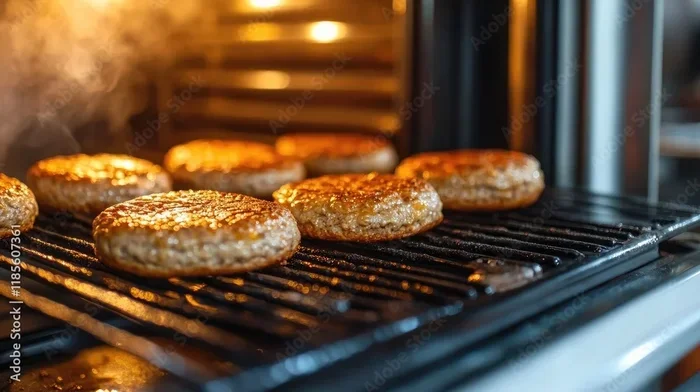
While the oven heats up, line a baking sheet with parchment paper or aluminum foil. This makes cleanup a breeze. Place a wire rack on top of the sheet if you have one. The rack allows air to circulate around the patties, which promotes even browning on both sides.
Baking Times and Temperatures
Once your oven is hot and your patties are shaped, it is time to bake. Place the patties on the prepared sheet pan or rack, leaving a small gap between each one so the heat can circulate freely.
Here is a simple timing guide for oven-baked beef patties:
- Medium-rare (130°F internal): 8 to 10 minutes
- Medium (140°F internal): 10 to 12 minutes
- Medium-well (150°F internal): 12 to 14 minutes
- Well-done (160°F internal): 14 to 16 minutes
These times are approximate and can vary based on the thickness of your patties and how hot your oven runs. The most reliable way to check doneness is with a meat thermometer. Insert it into the thickest part of the patty for an accurate reading. This small tool takes the guesswork out of cooking and ensures every patty is perfect.
Adding Cheese and Finishing Touches
If you like cheese on your burgers, now is the time to add it. During the last two minutes of baking, place a slice of cheese on top of each patty. You can cover the pan loosely with aluminum foil to help the cheese melt evenly. American cheese, cheddar, Swiss, and pepper jack all work wonderfully for oven-baked burgers.
While the cheese melts, you can warm up your buns. Place them cut-side down on a lower oven rack for the last minute or two. Toasted buns add a nice crunch and hold up better against juicy patties and sauces.
Once everything is ready, assemble your burgers with your favorite toppings. Classic combinations include lettuce, tomato, pickles, and ketchup. But do not be afraid to get creative. Caramelized onions, avocado, jalapeños, and special sauces can take your juicy baked burgers to the next level.
Tips for Juicy, Flavorful Oven-Baked Burgers
Don’t Press the Patties
One of the biggest mistakes people make when baking burgers is pressing down on the patties with a spatula. This squeezes out the juices and leaves you with a dry, flavorless burger. Resist the urge to press down, no matter how tempting it may be.
Instead, let the patty cook undisturbed. The natural fats will render and keep the inside moist. If you notice flare-ups or excess grease on the baking sheet, you can carefully tilt the pan to let the grease drain away, but do not press the meat itself.
Let Them Rest Before Serving
Just like grilled steaks, oven-baked burgers benefit from a short rest before serving. When you take the patties out of the oven, let them sit on the pan for about three to five minutes. During this time, the juices redistribute throughout the meat, which makes each bite more flavorful and moist.
If you skip the resting step, the juices will run out onto your plate instead of staying inside the burger. That is a wasted opportunity for flavor and juiciness. A short rest makes a noticeable difference in the final result.
Experiment with Different Seasoning Blends
Once you master the basic method, you can start experimenting with different burger cooking tips and seasoning blends. Here are a few fun variations to try:
- BBQ burger: Add a tablespoon of your favorite BBQ sauce to the meat mixture before shaping.
- Tex-Mex burger: Mix in some cumin, chili powder, and a diced jalapeño for a southwestern kick.
- Italian burger: Add dried oregano, basil, and a pinch of red pepper flakes.
- Smoky burger: Increase the smoked paprika and add a dash of liquid smoke for a deep, smoky flavor.
These small additions can transform a basic burger patty recipe into something exciting and new. Keep a notebook of your favorite combinations so you can recreate them anytime.
Serving and Storing Your Homemade Burgers
Best Buns and Toppings
The bun you choose can make or break your burger experience. For oven-baked patties, a sturdy brioche bun or a classic potato roll works best. These buns are soft on the inside and sturdy enough to hold all the toppings without falling apart.
When it comes to toppings, the options are endless. Here are some popular ideas:
- Classic: Lettuce, tomato, onion, pickles, ketchup, and mustard
- Gourmet: Caramelized onions, sautéed mushrooms, arugula, and truffle aioli
- Spicy: Pepper jack cheese, jalapeños, hot sauce, and crispy bacon
- Simple: Just cheese, salt, and pepper — sometimes less is more
The beauty of making homemade burger patties is that you control every ingredient. You can make them as simple or as elaborate as you like.
How to Store Leftover Patties
If you have leftover patties (which is rare, but it happens), storing them properly keeps them fresh and safe to eat. Let the patties cool completely, then place them in an airtight container or zip-lock bag. They will keep in the refrigerator for up to three days.
To reheat, place the patty on a baking sheet and warm it in the oven at 350°F for about 10 minutes. This method keeps the patty from drying out. Avoid microwaving if possible, as it can make the meat rubbery and tough. For longer storage, you can freeze cooked patties for up to three months. Just wrap them tightly in plastic wrap and foil before freezing.
Common Mistakes to Avoid When Baking Burgers
Even with a great recipe, small mistakes can affect the final result. Here are some common pitfalls to watch out for:
- Using meat that is too lean. Without enough fat, your burgers will be dry and bland. Stick with 80/20 ground beef for the best flavor.
- Overcrowding the baking sheet. Leave space between each patty so hot air can flow around them. Crowded patties steam instead of brown.
- Skipping the meat thermometer. Guessing doneness leads to overcooked or undercooked burgers. A thermometer is a small investment that pays off every time.
- Seasoning too early. Salt draws moisture out of the meat. Season your patties right before they go in the oven for the juiciest result.
- Baking at too low a temperature. A low oven temperature causes the patties to dry out before they brown. Stick with 400°F for the best balance of crust and juiciness.
Being aware of these mistakes helps you avoid them and consistently produce perfect oven-baked burgers every single time.
Expert Insights on Oven-Baked Burgers
Professional chefs and cooking instructors agree that oven baking is one of the most reliable methods for cooking burger patties at home. Chef Michael Ruhlman, a well-known food writer, has often emphasized that temperature control is the single most important factor in cooking any protein, and burgers are no exception.
Using a meat thermometer removes guesswork and takes the stress out of cooking. It is a tool that every home cook should have in their kitchen. Whether you are making thick burger patties or thin sliders, the thermometer ensures consistent results every time.
Another expert tip is to let the ground beef come to room temperature before shaping the patties. Cold meat cooks unevenly, which can lead to a well-done exterior and a cold center. Taking the beef out about 15 minutes before cooking helps it bake more evenly in the oven.
These burger cooking tips from professionals can elevate your home cooking and give you the confidence to experiment with new flavors and techniques. The oven method is forgiving, which makes it perfect for building your skills and finding your personal style.
Frequently Asked Questions
Can I use frozen patties to bake in the oven?
Yes, you can bake frozen burger patties in the oven, but you will need to increase the cooking time by about 5 to 7 minutes. It is best to preheat the oven to 400°F and place the frozen patties directly on the baking sheet. Use a meat thermometer to check that the internal temperature reaches 160°F for food safety. Thawed patties will always cook more evenly, so plan ahead when possible.
What is the best temperature to cook burger patties in the oven?
The recommended temperature for how to cook burger patties in the oven is 400°F (200°C). This temperature creates a nice brown crust while keeping the inside juicy. If you prefer well-done burgers, you can lower the temperature to 375°F and bake a little longer. Always use a meat thermometer to check the internal temperature for the best results.
How long does it take to bake burger patties in the oven?
Baking time depends on the thickness of the patty and your preferred level of doneness. For a standard three-quarter-inch patty at 400°F, expect to bake for 8 to 12 minutes. Medium-rare patties take about 8 to 10 minutes, while well-done patties may need 14 to 16 minutes. Always check with a meat thermometer to confirm doneness.
Do I need to flip burger patties when baking them in the oven?
No, you do not need to flip burger patties when baking them in the oven. The oven’s heat circulates around the patty, cooking it evenly on all sides. This is one of the biggest advantages of oven baking over stovetop cooking. Simply place the patties on the baking sheet and let the oven do the work for you.
Can I add cheese to oven-baked burgers?
Absolutely! Adding cheese is one of the best parts of making a burger. Place a slice of cheese on top of each patty during the last two minutes of baking. Cover the pan loosely with foil to help the cheese melt evenly. American, cheddar, Swiss, and pepper jack all melt beautifully in the oven.
Are oven-baked burgers as good as grilled burgers?
Oven-baked burgers can be just as juicy and flavorful as grilled burgers, though the texture and taste will differ slightly. Grilling adds a smoky char that some people love, while oven baking produces a more even brown crust. Both methods are excellent, and oven baking offers the advantage of convenience, consistency, and the ability to cook multiple patties at once.
Conclusion
How to cook burger patties in the oven is a simple, reliable, and incredibly rewarding method that anyone can master. From choosing the right ground beef to shaping the patties perfectly and baking them at the right temperature, every step is straightforward and satisfying. Oven-baked burgers give you juicy, flavorful patties with minimal effort and maximum convenience.
Whether you are cooking for a family dinner, meal prepping for the week, or simply craving a delicious homemade burger without the hassle of grilling, the oven method delivers every time. You now have all the tools, tips, and techniques to make homemade hamburger patties that are juicy, well-seasoned, and cooked exactly to your liking.
So preheat that oven, grab your ground beef, and give it a try. Once you taste the difference that proper oven baking makes, you may never go back to other methods. Happy cooking, and enjoy every bite of your perfect oven-baked burger patties!