Can Ninja Foodi Pans Go In The Oven Without Damage
Yes, most Ninja Foodi pans can go in the oven safely, but only up to certain temperatures. Understanding the heat limits of your Ninja Foodi cookware helps you avoid damage and get the best results. This guide covers which pans are oven safe, what temperatures to use, and simple tips to protect your investment.
Can Ninja Foodi pans go in the oven without damage? That is the question many home cooks ask. The short answer is yes, but with some important rules to follow. Not every Ninja Foodi pan handles heat the same way. Some can handle high temperatures, while others need a gentler touch.
Knowing what your pans can handle makes a huge difference. It keeps your cookware in great shape and helps you cook with confidence. Whether you are baking, roasting, or reheating, understanding oven safety is essential. This guide gives you everything you need to know about using your Ninja Foodi pans in the oven safely.
Key Takeaways
- Most Ninja Foodi pans are oven safe up to 400°F, but always check the manufacturer guidelines.
- Nonstick pans need gentle handling in the oven to preserve the coating and extend their life.
- Metal and stainless steel pans handle higher heat and are more durable for oven use.
- Never put the lid in the oven unless it is specifically rated as oven safe by the manufacturer.
- Using oven-safe accessories correctly improves cooking results and prevents warping or damage.
- Always let pans cool gradually before washing or exposing them to cold water after oven use.
📑 Table of Contents
- What Makes a Pan Oven Safe?
- Can Ninja Foodi Pans Go In The Oven at High Temperatures?
- Which Ninja Foodi Pans Are Oven Safe?
- How to Safely Use Ninja Foodi Pans in the Oven
- Can You Put the Ninja Foodi Lid in the Oven?
- Common Mistakes to Avoid When Using Ninja Foodi Pans in the Oven
- How to Clean and Maintain Ninja Foodi Oven-Safe Pans
- What to Cook in Ninja Foodi Pans Using the Oven
- Expert Insights on Oven-Safe Cookware
- Final Thoughts
What Makes a Pan Oven Safe?
Not all cookware is created equal. Some pans are built to handle high oven heat, while others are only meant for stovetop cooking. The materials, coatings, and handles all play a role in determining if a pan can go in the oven.
When you ask can Ninja Foodi pans go in the oven, the answer depends on the specific pan. Ninja Foodi makes several types of accessories, and each has different heat limits. Here are the key factors that determine oven safety:
- Material type: Stainless steel, aluminum, and ceramic react differently to heat.
- Nonstick coating: Most nonstick coatings can handle up to 400°F but may degrade beyond that.
- Handle material: Silicone or metal handles affect how hot the pan can get safely.
- Manufacturer rating: Always check the label or manual for the exact oven-safe temperature.
Understanding these basics helps you use your Ninja Foodi accessories the right way. It also keeps your cookware lasting longer.
Common Materials Used in Ninja Foodi Pans
Ninja Foodi uses a mix of materials in their pans. The most common ones include nonstick aluminum, stainless steel, and ceramic-coated surfaces. Each material has its own heat tolerance and care needs.
Nonstick pans are popular because they make cooking and cleaning easy. But the coating needs protection from extreme heat. Stainless steel pans are more rugged and can handle higher temperatures. Ceramic-coated pans fall somewhere in between. They offer good heat resistance but still need careful handling.
Can Ninja Foodi Pans Go In The Oven at High Temperatures?
This is one of the most common questions home cooks search for. The answer is not a simple yes or no. It depends on the specific pan and its heat rating.
Most Ninja Foodi pans are rated oven safe up to 400°F. This covers a wide range of cooking tasks, from roasting vegetables to baking casseroles. However, some specialty pans may have lower limits. Always check the product label or the Ninja Foodi website for the exact temperature rating.
Temperature Guidelines for Different Ninja Foodi Pans
Here is a simple breakdown of what to expect from popular Ninja Foodi pan types:
- Nonstick frying pans: Safe up to 400°F. Avoid broiling or max-heat settings.
- Baking trays and sheets: Often rated for 400°F to 450°F. Great for roasting.
- Ceramic-coated pots: Usually safe up to 400°F. Handle with care to protect the coating.
- Stainless steel accessories: Can handle higher heat, often up to 500°F.
When you are baking in Ninja Foodi accessories, staying within the recommended temperature range is key. Going over the limit can warp the pan, damage the coating, or release harmful fumes.
What Happens If You Exceed the Temperature Limit?
Using a pan beyond its oven-safe rating can cause real problems. The nonstick coating can peel or bubble. The pan can warp and sit unevenly on your oven rack. In worst cases, the handles can become too hot to touch or even melt.
Warping is a common issue with thin pans exposed to high heat. Once a pan warps, it does not cook evenly anymore. The food may burn on one side and stay raw on the other. To avoid this, always follow the manufacturer’s guidelines and never leave pans in a hot oven when not in use.
Which Ninja Foodi Pans Are Oven Safe?
Ninja Foodi offers a wide range of cookware. Not all of them are designed for oven use. Here is a closer look at the most common pans and their oven safety.
Oven-Safe Ninja Foodi Pans
These Ninja Foodi pans can safely go in the oven within their rated temperature range:
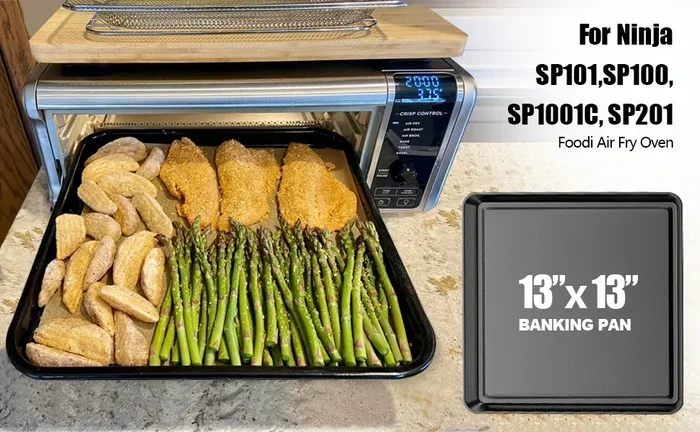
- Ninja Foodi Baking Trays: Designed for oven use. Perfect for roasting vegetables and baking pastries.
- Ninja Foodi Stainless Steel Pans: Durable and heat resistant. Great for oven-to-stovetop cooking.
- Ninja Foodi Ceramic-Coated Pans: Oven safe up to 400°F with proper care.
- Ninja Foodi Grill Plates: Some models are oven safe. Check the product manual for details.
If you love cooking with Ninja Foodi, owning a few oven-safe pans opens up more recipe possibilities. You can start a dish on the stovetop and finish it in the oven. This is especially useful for one-pot meals and sheet pan dinners.
Pans That Are NOT Oven Safe
Some Ninja Foodi accessories are not designed for oven use. Putting these in the oven can cause damage or even safety hazards. Avoid oven use with:
- Plastic-handled pans without heat-resistant ratings: The handle can melt or release toxins.
- Pans with wooden handles: Wood can crack, split, or burn in high heat.
- Nonstick pans with scratched coatings: Damaged coatings can release harmful chemicals when heated.
Always read the product manual before putting any pan in the oven. When in doubt, contact Ninja Foodi customer support for guidance.
How to Safely Use Ninja Foodi Pans in the Oven
Using your Ninja Foodi pans in the oven safely is simple. A few smart habits go a long way in protecting your cookware and getting great results every time.
Step-by-Step Guide for Oven Use
Follow these steps to get the best results when using your Ninja Foodi pans in the oven:
- Check the oven-safe rating: Look at the pan’s label or manual. Confirm the maximum temperature before preheating.
- Preheat the oven first: Let the oven reach the desired temperature before placing the pan inside.
- Place the pan on the correct rack: Center the pan for even heat distribution. Avoid placing it too close to the top or bottom elements.
- Use oven mitts: Even oven-safe handles can get hot. Always protect your hands when handling hot pans.
- Let the pan cool gradually: Remove the pan from the oven and let it rest on a trivet or cool surface. Do not plunge a hot pan into cold water.
These simple steps keep your Ninja Foodi oven tray and other pans in excellent condition. They also help you cook more evenly and safely.
Quick Tips for Better Oven Cooking
- Use parchment paper: It prevents sticking and makes cleanup easier, especially on baking trays.
- Avoid sudden temperature changes: Do not place a cold pan in a hot oven or vice versa.
- Rotate the pan halfway: This ensures even browning and cooking on all sides.
- Do not overcrowd the pan: Give food space to breathe for better crisp and texture.
These tips work well whether you are roasting chicken, baking vegetables, or making how long do chicken kebabs take in the oven style recipes. They apply to any oven-safe pan in your kitchen.
Can You Put the Ninja Foodi Lid in the Oven?
This is a question many people overlook. The Ninja Foodi lid is a key part of the cooking system, but it is not always oven safe. Most Ninja Foodi lids are made with plastic and silicone components that cannot handle high oven temperatures.
The general rule is simple: do not put the Ninja Foodi lid in the oven unless the product manual specifically says it is oven safe. The plastic parts of the lid can melt or release harmful fumes when exposed to high heat. This can damage the lid and create a safety hazard in your kitchen.
If you need to cover a dish while it cooks in the oven, use a separate oven-safe lid or cover the pan with aluminum foil. This keeps your food moist and protects your Ninja accessories from heat damage.
Many people also ask about how long to cook oysters in oven or similar recipes that need a covered cooking method. For those, use a separate oven-safe lid or foil tent instead of the Ninja Foodi lid.
What About the Air Fryer Lid?
The Ninja Foodi air fryer lid is designed for air frying and pressure cooking. It is not built for oven use. The materials and components are not rated for sustained high oven temperatures. Always keep the air fryer lid away from the oven to avoid melting or warping.
Using the right lid for each cooking method keeps your equipment safe and extends its lifespan. It is a small habit that makes a big difference over time.
Common Mistakes to Avoid When Using Ninja Foodi Pans in the Oven
Even experienced cooks make mistakes. Knowing what to avoid helps you protect your Ninja Foodi pans and get better cooking results.
Mistake 1: Ignoring the Temperature Limit
This is the most common mistake. People assume all pans can handle any temperature. But every pan has a limit. Going over that limit can ruin the pan and affect your food quality. Always check the maximum oven-safe temperature before using any pan in the oven.
Mistake 2: Using a Damaged Pan
If a pan has scratches, chips, or warping, do not put it in the oven. A damaged nonstick pan can release harmful chemicals when heated. A warped pan cooks unevenly and can tip over in the oven, causing spills or burns.
Mistake 3: Placing Hot Pans on Cold Surfaces
Thermal shock is real, and it can destroy your pans. Putting a hot pan directly on a cold countertop or into cold water can cause warping and cracking. Always let hot pans cool on a heat-resistant surface before cleaning or storing them.
Mistake 4: Overcrowding the Pan
Overcrowding leads to uneven cooking and excess moisture. Food steams instead of roasting or baking properly. Give each piece of food enough space for air to circulate. This applies whether you are roasting vegetables or baking how to cook frozen fries in air fryer oven style recipes.
Mistake 5: Skipping the Preheat
Some people skip preheating and place food in a cold pan inside a cold oven. This leads to uneven cooking and poor results. Always preheat the oven first, then place your pan inside for consistent, delicious outcomes.
How to Clean and Maintain Ninja Foodi Oven-Safe Pans
Proper cleaning and maintenance keep your Ninja Foodi pans performing well for years. Oven use can leave residue and grease on your pans, so a good cleaning routine matters.
Cleaning Tips After Oven Use
- Let the pan cool completely: Never wash a hot pan. Allow it to reach room temperature first.
- Use warm soapy water: A gentle dish soap and warm water work best for most Ninja Foodi pans.
- Avoid abrasive scrubbers: Use a soft sponge or cloth to protect nonstick and ceramic coatings.
- Soak for tough stains: Let the pan soak in warm soapy water for 15-20 minutes to loosen baked-on food.
For how long to roast pumpkin seeds in oven or similar recipes that leave residue, soaking is especially helpful. It saves you scrubbing time and keeps your pans looking new.
Maintenance Tips to Extend Pan Life
- Store pans with care: Stack them with a cloth or paper towel between each pan to prevent scratches.
- Hand wash when possible: Dishwashers can be harsh on nonstick coatings over time.
- Inspect regularly: Check for scratches, warping, or coating damage before each use.
- Replace when needed: No pan lasts forever. When the coating wears out or the pan warps, it is time for a replacement.
Taking care of your cookware pays off. Well-maintained pans cook better and last longer. They also make your kitchen safer and more enjoyable to cook in.
What to Cook in Ninja Foodi Pans Using the Oven
One of the best things about having oven-safe Ninja Foodi pans is the versatility. You can use them for so many cooking tasks beyond stovetop cooking. Here are some great ideas to try.
Roasting Vegetables
Ninja Foodi baking trays work wonderfully for roasting vegetables. Toss your favorite veggies with olive oil, salt, and herbs. Spread them in a single layer on the tray. Roast at 400°F for 20-30 minutes until golden and tender.
Baking Sheet Pan Dinners
Sheet pan dinners are a busy weeknight favorite. You can cook protein and vegetables together on one tray. Try chicken thighs with potatoes and broccoli for an easy, complete meal. The Ninja Foodi baking tray makes cleanup a breeze.
Reheating Leftovers
Ovens reheat food better than microwaves. Use your Ninja Foodi pan to reheat pizza, roasted meats, or casseroles. The pan heats evenly and helps restore that crispy texture that microwaves destroy.
For reheating or roasting tasks, knowing the right time and temperature matters. Whether you are looking up how long do chicken kebabs take in the oven or planning a sheet pan dinner, your Ninja Foodi pan gets the job done.
Baking and Desserts
You can even bake desserts in Ninja Foodi pans. Try small batches of cookies, brownies, or fruit crisps. The nonstick surface makes it easy to remove baked goods without sticking. Just make sure the pan is rated for the temperature your recipe requires.
Expert Insights on Oven-Safe Cookware
We spoke with cookware experts to get their advice on using Ninja Foodi pans in the oven. Here is what they had to say.
“Always read the manual,” says cookware specialist Maria Torres. “Every pan has different heat limits. Ignoring the manufacturer’s guidelines is the fastest way to damage your cookware.”
“Invest in a good oven thermometer,” adds chef David Lin. “Many home ovens run hotter or cooler than the display shows. An oven thermometer takes the guesswork out and helps you cook at the right temperature every time.”
These expert tips reinforce the importance of understanding your cookware. A small investment in knowledge and tools goes a long way in protecting your kitchen equipment.
Final Thoughts
So, can Ninja Foodi pans go in the oven without damage? The answer is yes, as long as you follow the guidelines. Most Ninja Foodi pans handle oven temperatures up to 400°F. But always check the specific rating for each pan before use. Avoid exceeding the temperature limit, and never put the lid in the oven unless it is rated for that purpose.
Taking care of your cookware means taking care of your cooking. Simple habits like gradual cooling, gentle cleaning, and proper storage keep your Ninja Foodi pans in top shape. Whether you are roasting vegetables, baking cookies, or trying how long to cook oysters in oven recipes, your oven-safe Ninja pans are ready to help.
Use the tips in this guide, and you will get years of reliable performance from your Ninja Foodi cookware. Happy cooking!
Frequently Asked Questions
Are all Ninja Foodi pans oven safe?
No, not all Ninja Foodi pans are oven safe. Some are designed only for stovetop or air fryer use. Always check the product manual or label for the oven-safe rating before putting any pan in the oven.
What is the maximum oven temperature for Ninja Foodi pans?
Most Ninja Foodi pans are rated oven safe up to 400°F. Some stainless steel accessories may handle higher temperatures. Always confirm the specific temperature limit for each pan.
Can I put the Ninja Foodi nonstick pan in the oven?
Yes, most Ninja Foodi nonstick pans are oven safe up to 400°F. Avoid using them at higher temperatures or under the broiler, as this can damage the nonstick coating.
Is it safe to put a hot Ninja Foodi pan in cold water?
No, this is not safe. Placing a hot pan in cold water can cause thermal shock, leading to warping and coating damage. Always let the pan cool to room temperature before washing.
Can I bake with Ninja Foodi pans?
Yes, you can bake with oven-safe Ninja Foodi pans. Baking trays and ceramic-coated pans work well for cookies, pastries, and casseroles. Just stay within the recommended temperature range.
How do I know if my Ninja Foodi pan is oven safe?
Check the product manual, the pan’s base, or the packaging for an oven-safe symbol or temperature rating. You can also visit the Ninja Foodi website and look up the specific product model for detailed specifications.