Can You Cook Meatballs In Oven A Step By Step Guide
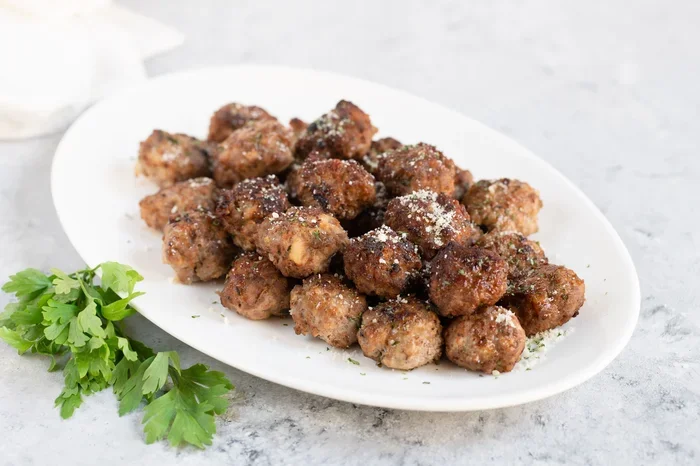
Yes, you can absolutely cook meatballs in oven, and it is one of the easiest ways to get perfectly baked results every time. This guide walks you through every step from mixing ingredients to pulling golden meatballs out of the oven. You will learn the right temperature, timing, and tips for juicy oven-baked meatballs that the whole family will love.
There is something truly satisfying about pulling a tray of golden, juicy meatballs out of the oven. Whether you are meal prepping for the week or cooking dinner for your family, cooking meatballs in oven is one of the simplest and most reliable methods you can use.
Unlike stovetop frying, oven baking gives you hands-free cooking. You mix the ingredients, shape the balls, place them on a tray, and let the heat do the work. The result is evenly cooked meatballs with a nice exterior and a tender inside. This step by step guide covers everything you need to know, from choosing the right ingredients to serving your finished dish.
By the end of this article, you will understand the exact temperature, timing, and techniques for perfect oven-baked meatballs every time. We will also cover common mistakes, serving ideas, and expert tips that take your meatballs from good to great.
Key Takeaways
- Oven-baked meatballs are hands-free and easy: You can set them in the oven and move on with your day while they cook evenly.
- 400°F is the ideal oven temperature: This heat creates a golden crust while keeping the inside juicy and tender.
- Baking time is 18 to 22 minutes: Use a meat thermometer to confirm the internal temperature reaches 165°F.
- Do not overmix the meatball mixture: Gentle handling keeps meatballs light, tender, and full of flavor.
- Let meatballs rest after baking: A short resting period allows juices to redistribute for the best texture.
- Oven-baked meatballs pair with many sides: Serve them with pasta, sandwiches, roasted vegetables, or crusty bread.
📑 Table of Contents
- Why Oven-Baked Meatballs Are a Great Choice
- Ingredients You Need for Perfect Meatballs
- Step By Step Guide to Cook Meatballs in Oven
- How to Know When Meatballs Are Done
- Serving Ideas and Sauce Options
- Common Mistakes to Avoid When Baking Meatballs
- Expert Tips for the Juiciest Oven-Baked Meatballs
- How to Store and Reheat Leftover Meatballs
- Conclusion
Why Oven-Baked Meatballs Are a Great Choice
Many people reach for the stovetop when making meatballs, but the oven offers several real advantages. Understanding these benefits helps you appreciate why so many home cooks prefer this method.
Hands-Free Cooking
When you bake meatballs in the oven, you do not need to stand over a hot pan flipping each one. You set the tray in, set a timer, and move on with your day. This frees you up to prepare sides, chop vegetables, or set the table while the meatballs cook.
Compare this to pan-frying, where you need to monitor the heat and turn each meatball carefully. The oven approach is much more relaxed and forgiving, especially for beginners who are still building their cooking confidence.
Even Cooking Every Time
One of the biggest challenges with stovetop cooking is hot spots. Some parts of the pan get hotter than others, which can lead to uneven browning. The oven surrounds the meatballs with consistent heat from all sides.
This means every meatball cooks at the same rate. You get a uniform golden-brown exterior and a perfectly cooked center throughout. The even heat also helps render fat properly, giving you meatballs that are juicy but not greasy.
Easy Scaling for Large Batches
Need to cook a big batch? The oven makes this simple. You can space meatballs out on multiple baking sheets and cook them all at once. This is especially helpful when you are meal prepping or feeding a crowd.
Some people worry that crowding the tray will affect cooking, but as long as you leave a little space between each meatball, air circulates freely and they all cook evenly. This is a big advantage over frying, where you are limited by pan size.
Ingredients You Need for Perfect Meatballs
The ingredients you choose make a huge difference in the final result. Good meatballs start with quality ingredients and the right balance of flavors. Here is what you need to get started.
The Meat Base
The foundation of any great meatball is the meat itself. A blend of ground beef and pork is the classic choice. The beef provides a rich, hearty flavor while the pork adds moisture and a slightly sweeter taste.
If you prefer a leaner option, ground turkey or chicken works well too. Just keep in mind that leaner meats can dry out more easily, so you may need to add a bit more binder to keep them tender.
For the best results, aim for meat that is about 80% lean and 20% fat. The fat content is what keeps meatballs juicy during baking. Very lean meat can produce dry, crumbly results that no one enjoys.
Binders and Fillers
Binders hold the meatball together during cooking. Without them, your meatballs may crumble or fall apart in the oven. The most common binders are breadcrumbs and eggs.
Breadcrumbs absorb moisture from the meat and create a structure that keeps everything together. Use plain or seasoned breadcrumbs depending on your flavor preference. One egg per pound of meat is a reliable ratio that works every time.
Some cooks also add a splash of milk or buttermilk to the breadcrumbs before mixing. This creates a softer, more tender texture. It is a small trick that makes a noticeable difference in the final product.
Seasonings That Make the Difference
Seasoning is what turns basic meatballs into something memorable. Salt and black pepper are the foundation, but you can build on that with a variety of herbs and spices.
Garlic and onion powder are popular additions that add depth of flavor. Fresh herbs like parsley, basil, and oregano bring a bright, aromatic quality. A pinch of red pepper flakes adds a subtle kick for those who like a little heat.
Do not be afraid to taste the raw mixture and adjust seasoning before cooking. This simple step ensures your meatballs come out exactly the way you want them. A well-seasoned meatball is the difference between ordinary and extraordinary.
Step By Step Guide to Cook Meatballs in Oven
Now that you have your ingredients ready, it is time to start cooking. This section walks you through the entire process from mixing to serving. Follow these steps and you will have delicious oven-baked meatballs in no time.
Step 1: Preheat Your Oven
Start by preheating your oven to 400°F (200°C). Preheating is an important step that many people skip, but it matters. A hot oven ensures the meatballs start cooking immediately when they go in, which helps form a nice crust on the outside.
If you are using a convection oven, you can lower the temperature by about 25 degrees. The fan circulates hot air more efficiently, so the meatballs cook faster and more evenly. Always check your oven manual if you are unsure about the right settings.
Step 2: Mix the Meatball Mixture
In a large bowl, combine your ground meat, breadcrumbs, egg, and seasonings. Use your hands to mix everything together gently. The key is to mix just until everything is combined. Overworking the meat makes the meatballs dense and tough.
Think of it like mixing a cake batter. You want to bring everything together without beating it excessively. A few gentle folds and presses is all it takes. The mixture should feel slightly sticky but hold together when you squeeze it.
Step 3: Shape the Meatballs
Using your hands, scoop up a portion of the mixture and roll it into a ball. Aim for a consistent size, about 1.5 inches in diameter. Uniform meatballs cook at the same rate, which prevents some from being overdone while others are undercooked.
Place the shaped meatballs on a lined baking sheet. Leave about an inch of space between each one. This allows hot air to flow around every meatball for even cooking. If you prefer, you can also use a muffin tin to keep them neatly spaced.
At this point, you can also refrigerate the shaped meatballs for 30 minutes before baking. This helps them hold their shape better during cooking. It is a small extra step that pays off in the end.
Step 4: Bake at the Right Temperature
Place the baking sheet in the preheated oven and bake for 18 to 22 minutes. The exact time depends on the size of your meatballs and your oven’s performance. Larger meatballs need a few extra minutes, while smaller ones cook faster.
Unlike how long chicken kebabs take in the oven, which can vary based on skewer thickness, meatballs have a fairly predictable baking window. Most ovens produce perfectly cooked meatballs in the 20-minute range at 400°F.
Avoid opening the oven door too frequently during baking. Each time you open it, heat escapes and the cooking temperature drops. This can extend the total cooking time and affect the texture of your meatballs. Trust the timer and let the oven do its job.
Step 5: Check for Doneness
Use a meat thermometer to check the internal temperature. The USDA recommends an internal temperature of 165°F (74°C) for ground meat products. Insert the thermometer into the center of the largest meatball for the most accurate reading.
If you do not have a meat thermometer, you can also cut into one meatball to check. The center should be cooked through with no pink remaining. The juices should run clear, not cloudy or pink.
Let the meatballs rest on the baking sheet for a few minutes after removing them from the oven. This allows the juices to redistribute, making each bite more flavorful and moist. Resting is a step many people overlook, but it truly makes a difference.
How to Know When Meatballs Are Done
Knowing when meatballs are fully cooked is essential for both food safety and the best eating experience. There are several reliable ways to check, and using more than one method gives you the most confidence.
Internal Temperature Guide
The most accurate way to determine doneness is with a meat thermometer. Insert it into the thickest part of the meatball, avoiding contact with the baking sheet. You are looking for 165°F (74°C) at the center.
Digital thermometers give you a quick and precise reading. Analog thermometers work too, but they may take a few extra seconds to stabilize. Either type gets the job done effectively. Make it a habit to check at least one meatball before serving the whole batch.
Visual and Texture Cues
Well-cooked meatballs develop a firm exterior with a slight golden-brown color. When you press the top of a meatball with a spoon or fork, it should feel firm and spring back slightly.
If the meatball feels soft and squishy, it needs more time. If it feels hard and dense, it may be overcooked. Finding the sweet spot takes a little practice, but after a few batches, you will develop an instinct for it.
The juices are another telltale sign. When you cut into a done meatball, the juices should be clear. Any hint of pink or red means the meatball needs more time in the oven. Take your time with this check to ensure every meatball is perfectly cooked.
Serving Ideas and Sauce Options
Oven-baked meatballs are incredibly versatile. They pair well with a wide range of sauces, sides, and serving styles. Here are some ideas to inspire your next meal.
Classic Marinara Pairing
The most traditional way to serve meatballs is with marinara sauce and pasta. Warm your favorite marinara in a saucepan while the meatballs bake. Once the meatballs are done, nestle them into the sauce and let them simmer together for a few minutes.
This allows the meatballs to absorb some of the sauce flavor, making each bite even more delicious. Serve over spaghetti, penne, or your favorite pasta shape. A sprinkle of parmesan cheese and fresh basil completes the dish beautifully.
Meatball Sandwiches and Sliders
For a casual, crowd-pleasing meal, serve meatballs on slider buns. Add a layer of marinara, some melted mozzarella, and a sprinkle of fresh herbs. These make excellent party food or a fun twist on a classic dinner.
You can also serve meatballs in hoagie rolls with roasted peppers and a drizzle of olive oil. The combination of the crispy bread, melty cheese, and savory meatballs is hard to beat. These are perfect for game day or family gatherings.
Serving with Vegetables and Grains
Meatballs also pair wonderfully with roasted vegetables. Toss some zucchini, bell peppers, and cherry tomatoes on a separate baking sheet and roast them alongside the meatballs. Everything cooks at the same time, which makes dinner prep much easier.
For a heartier meal, serve meatballs over rice, mashed potatoes, or even how to cook frozen fries in air fryer oven for a fun twist on a classic side. The meatballs and roasted vegetables create a balanced, satisfying plate that the whole family will enjoy.
Common Mistakes to Avoid When Baking Meatballs
Even experienced cooks can make mistakes when baking meatballs. Being aware of these common pitfalls helps you avoid them and achieve better results every time.
Overworking the Meat Mixture
One of the most common mistakes is mixing the meatball mixture too much. When you overwork the meat, the proteins develop too much tension, which leads to dense, rubbery meatballs.
Mix just until the ingredients are evenly distributed. Use a light hand and stop as soon as everything looks combined. If you are using a stand mixer, use the lowest speed and mix for no more than 30 seconds. Your meatballs will be much lighter and more tender as a result.
Skipping the Resting Time
After mixing, let the meatball mixture rest in the refrigerator for at least 15 to 30 minutes before shaping. This resting period allows the breadcrumbs to fully absorb the moisture, which helps the meatballs hold together better during baking.
Skipping this step can result in meatballs that crumble or fall apart. It takes very little time and makes a noticeable difference. Think of it as a small investment that pays off in the quality of your final dish.
Using the Wrong Oven Temperature
Temperature accuracy matters when baking meatballs. Too low, and the meatballs take too long and dry out. Too high, and the outside burns before the inside is cooked through.
400°F is the sweet spot for most meatball recipes. It provides enough heat to brown the exterior while cooking the center thoroughly. If your oven runs hot or cold, consider using an oven thermometer to verify the actual temperature inside.
For more information on oven temperature settings and commercial oven options, check out our guide on electric pizza oven commercial models, which can also be used for baking meatballs at high volumes.
Not Leaving Enough Space Between Meatballs
Crowding the baking sheet is another mistake that affects cooking quality. When meatballs are too close together, they steam instead of bake. This prevents the formation of a nice golden crust and can lead to uneven cooking.
Give each meatball enough room to breathe. A good rule of thumb is to leave at least an inch of space between each one. If you need to cook a large batch, use multiple baking sheets and rotate them in the oven halfway through.
Expert Tips for the Juiciest Oven-Baked Meatballs
Take your meatballs to the next level with these expert tips. These small adjustments make a big impact on flavor, texture, and overall quality.
- Use grated onion: Grate a small onion into the meat mixture and squeeze out excess liquid first. This adds moisture and flavor without making the meatballs soggy.
- Add grated Parmesan: A quarter cup of grated Parmesan per pound of meat adds a savory, umami-rich flavor that elevates the entire dish.
- Let them rest after baking: Allow meatballs to rest for 5 minutes after removing them from the oven. This helps the juices settle and keeps them moist when you cut into them.
- Brush with olive oil: A light coating of olive oil on the meatballs before baking promotes browning and adds a subtle richness to the flavor.
- Use a wire rack: Placing meatballs on a wire rack over a baking sheet allows air to circulate underneath, resulting in more even browning and a crispier exterior.
How to Store and Reheat Leftover Meatballs
Oven-baked meatballs store beautifully and make excellent meals throughout the week. Proper storage and reheating ensure they taste just as good the second time around.
Let the meatballs cool completely before storing. Place them in an airtight container and refrigerate for up to 4 days. For longer storage, freeze cooked meatballs in a single layer on a baking sheet, then transfer them to a freezer bag once frozen solid. They will keep in the freezer for up to 3 months.
To reheat, place frozen or refrigerated meatballs in a preheated 350°F oven for 10 to 15 minutes. You can also reheat them in a saucepan with marinara sauce, which adds moisture and prevents drying out. Avoid microwaving if possible, as it can make the exterior rubbery and the interior unevenly heated.
Conclusion
Cooking meatballs in the oven is one of the easiest and most rewarding cooking techniques you can master. With the right ingredients, temperature, and timing, you can produce juicy, flavorful meatballs that rival any restaurant-quality dish.
Remember to preheat your oven to 400°F, mix your ingredients gently, and bake for 18 to 22 minutes. Use a meat thermometer to check for doneness, and always let your meatballs rest before serving. These simple steps guarantee consistent, delicious results every single time.
Whether you serve them with pasta, in sandwiches, or alongside roasted vegetables, oven-baked meatballs are a versatile and crowd-pleasing meal. Once you try this method, you will never go back to stovetop cooking. Give it a try at your next meal and taste the difference for yourself.
Frequently Asked Questions
Can I cook frozen meatballs in the oven?
Yes, you can cook frozen meatballs in the oven. Simply increase the baking time by about 5 to 10 minutes and check the internal temperature to ensure they reach 165°F. There is no need to thaw them first, which makes this a convenient option for busy weeknights.
What is the best temperature to cook meatballs in the oven?
The best temperature to cook meatballs in the oven is 400°F (200°C). This high heat creates a nice golden-brown crust on the outside while cooking the inside thoroughly. If you prefer a slower cook, you can use 350°F, but add about 5 to 10 extra minutes to the baking time.
How long do meatballs take to cook in the oven at 400 degrees?
At 400°F, meatballs typically take 18 to 22 minutes to cook through. The exact time depends on the size of the meatballs. Standard 1.5-inch meatballs are done in about 20 minutes, while larger meatballs may need a few extra minutes. Always use a meat thermometer to confirm they reach 165°F internally.
Do I need to flip meatballs when baking them in the oven?
No, you do not need to flip meatballs when baking them in the oven. The surrounding heat cooks all sides evenly, unlike stovetop cooking where you need to turn them. Simply place them on the baking sheet and let the oven do the work. This is one of the biggest advantages of oven-baking.
Can I use a convection oven for baking meatballs?
Yes, a convection oven works great for baking meatballs. Because the fan circulates hot air more efficiently, you can lower the temperature by about 25 degrees and reduce the cooking time slightly. Convection ovens produce meatballs with an even more uniform golden-brown finish compared to conventional ovens.
What can I serve with oven-baked meatballs?
Oven-baked meatballs pair well with pasta, rice, mashed potatoes, and crusty bread. They also go great with roasted vegetables like zucchini, bell peppers, and asparagus. For a fun twist, serve them in slider buns with marinara and melted cheese. The versatility of meatballs makes them a great match for many sides and occasions.