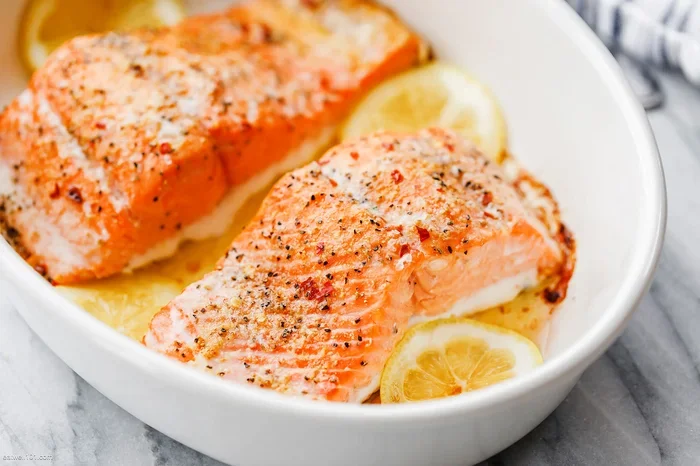
How Long Do You Bake Salmon In The Oven For Juicy Results
Baking salmon in the oven is simple when you know the right temperature and time. This guide covers everything from oven-baked salmon basics to juicy results for every cut. You will learn exact baking times, ideal oven temperatures, and expert tips that guarantee tender, flavorful salmon every single time you cook it.
There is something magical about baking salmon in the oven. It is one of the easiest ways to cook a healthy, delicious meal without a lot of fuss. Whether you are a beginner in the kitchen or a seasoned home cook, knowing the right oven temperature for salmon and baking time makes all the difference.
Salmon is packed with omega-3 fatty acids, protein, and flavor. It is also incredibly versatile. You can keep it simple with salt and pepper or go all out with garlic butter and herbs. But no matter how you season it, the cooking method matters just as much as the flavors you add.
This guide walks you through everything you need to know about how long to bake salmon in the oven. We will cover temperatures, times, thickness considerations, and plenty of tips to get juicy oven-baked salmon every time. By the end, you will feel confident enough to make salmon dinner tonight.
Key Takeaways
- Bake salmon at 400°F for 12-15 minutes: This is the sweet spot for most fillets to stay juicy and flaky.
- Thickness matters most: Thicker cuts need more time, while thin fillets cook fast and can dry out quickly.
- Internal temperature of 145°F is the goal: Use a meat thermometer to check doneness every time.
- Seasoning and prep make a big difference: Simple ingredients like olive oil, lemon, and herbs elevate oven-baked salmon.
- Rest your salmon after baking: Letting it sit for a few minutes keeps the juices locked in.
- Avoid common mistakes: Overcooking, skipping the thermometer, and not patting dry lead to dry salmon.
📑 Table of Contents
- Why Baking Salmon in the Oven Works So Well
- The Perfect Oven Temperature for Salmon
- How Long to Bake Salmon in the Oven
- Best Ways to Prepare Salmon for Baking
- Common Mistakes That Make Salmon Dry
- Delicious Variations for Oven-Baked Salmon
- Pairing Ideas for Your Baked Salmon Dinner
- Storage and Reheating Tips for Leftover Salmon
- Health Benefits of Baking Salmon
- Final Thoughts on Baking Salmon in the Oven
Why Baking Salmon in the Oven Works So Well
Oven baking is one of the best methods for cooking salmon. It gives you even heat, a beautiful sear on the skin, and a tender, moist interior. Unlike stovetop cooking, you do not have to worry about flipping or managing hot oil.
When you roast salmon in the oven, the dry heat surrounds the fillet evenly. This means the fish cooks from edge to center without hot spots. You also get that lovely crispy skin when you bake skin-side down on a baking sheet lined with parchment paper or foil.
Another big advantage is convenience. You can prep your salmon recipe, toss it in the oven, and use that time to make a side dish or salad. Most oven-baked salmon dinners come together in under 20 minutes start to finish.
Oven-Baked Salmon vs. Other Cooking Methods
Grilling salmon is fantastic, but it requires more attention and technique. Pan-searing gives you a great crust but can leave the center uneven. Poaching is gentle but can feel bland without careful seasoning. Baking in the oven strikes the perfect balance between ease and results.
Compared to air frying, oven baking allows you to cook larger portions at once. If you are feeding a family or meal prepping for the week, the oven is your best friend. You can also roast vegetables on the same pan, making cleanup a breeze.
The Perfect Oven Temperature for Salmon
Getting the oven temperature for salmon right is the single most important step. Too hot and the outside dries out before the inside is cooked. Too low and you end up with a fishy, steamed texture instead of a roasted one.
The sweet spot for most baked salmon recipes is 400°F. At this temperature, the salmon cooks through evenly, the skin becomes crispy, and the flesh stays moist and flaky. Most fillets need about 12 to 15 minutes at this heat.
Temperature Guide by Salmon Cut
Different cuts of salmon need slightly different approaches. Here is a quick breakdown of how salmon thickness affects your temperature and timing:
- Standard fillets (1 inch thick): Bake at 400°F for 12-15 minutes. This is the most common cut and the easiest to work with.
- Thin fillets (half inch thick): Reduce time to 8-10 minutes at 400°F. These cook fast and can dry out if you leave them too long.
- Thick center-cut salmon: Go up to 18-20 minutes at 400°F. The extra thickness needs more time to reach the safe internal temperature.
- Whole salmon sides: Use 400°F but plan for 20-25 minutes depending on size. A meat thermometer is essential here.
Can You Bake Salmon at 350°F?
Yes, you can bake salmon at 350°F, but it takes longer. Expect about 20-25 minutes for a standard fillet. The lower temperature means gentler cooking, which can be nice for very delicate fillets. However, you will not get the same crispy skin you would at 400°F.
Some people prefer the slower cook at 350°F because it feels less risky. But for most home cooks, 400°F is the ideal temperature for baking salmon. It gives you the best balance of crispy exterior and juicy interior.
How Long to Bake Salmon in the Oven
Now let us get to the core question: how long do you bake salmon in the oven? The answer depends on a few factors, but once you understand them, it becomes second nature.
Standard Baking Times at 400°F
For most salmon fillets, the rule of thumb is 12 to 15 minutes at 400°F. Here is a more detailed breakdown based on fillet thickness:
- Thin fillets (less than 3/4 inch): 8-10 minutes. These are great for quick weeknight dinners.
- Medium fillets (3/4 to 1 inch): 12-15 minutes. This is the most common size you will find at the grocery store.
- Thick fillets (1 to 1.5 inches): 15-18 minutes. These need a bit more time but reward you with a perfectly cooked center.
- Extra-thick cuts (over 1.5 inches): 18-22 minutes. Consider starting with a higher temp to sear the outside, then lowering it.
How to Check If Salmon Is Done
The most reliable way to know your salmon cooking time is right is to use a meat thermometer. Insert it into the thickest part of the fillet. When the internal temperature reaches 145°F, your salmon is done.
You can also check by pressing the center of the fillet with your finger. It should feel firm but still give slightly, like the base of your thumb when you touch your thumb to your index finger. If it feels mushy, it needs more time. If it feels very firm, it may be overcooked.
Another visual cue is the color. Properly baked salmon fillet should be opaque pink throughout with a slight flake when you press it with a fork. If the center still looks translucent, give it a couple more minutes.
The Resting Period Matters
Once your oven-baked salmon comes out of the oven, let it rest for 3 to 5 minutes. This might seem like a small thing, but it makes a big difference. The residual heat continues to cook the fish gently, and the juices redistribute throughout the fillet.
Skipping the rest often leads to dry salmon when you cut into it. Give it that little bit of patience, and you will notice a real improvement in texture and moisture. Think of it like letting a chicken kebab rest after cooking, or how you would let roasted vegetables cool slightly before serving.
Best Ways to Prepare Salmon for Baking
Preparation is where the magic starts. A little effort before baking goes a long way toward juicy, flavorful salmon. Here are the best methods to prep your fish for the oven.
Simple Seasoning for Oven-Baked Salmon
You do not need a complicated recipe to make great baked salmon. Start with the basics:
- Brush the fillet with olive oil or melted butter.
- Season with salt and black pepper on both sides.
- Add a squeeze of fresh lemon juice.
- Optional: minced garlic, dried dill, or paprika for extra flavor.
This simple approach lets the natural flavor of the salmon shine. The olive oil helps the seasonings stick and also keeps the fish moist during baking.
Marinating Salmon Before Baking
If you have more time, a quick marinade adds tons of flavor. Try a mixture of soy sauce, honey, garlic, and ginger for an Asian-inspired twist. Or go Mediterranean with olive oil, lemon, oregano, and capers.
Marinate the salmon for 15 to 30 minutes. Do not marinate for too long, especially if your marinade has acid like lemon or vinegar. The acid can start to “cook” the fish and change its texture, which is not what you want for oven-baked salmon.
Using Foil vs. Parchment Paper
Both foil and parchment paper have their place when baking salmon in the oven. Foil creates a tighter seal that traps moisture, which is great for keeping the fish very juicy. Parchment paper allows a bit more airflow, which helps the skin get crispier.
If you want crispy skin, go with parchment paper or just place the fillet directly on a lightly oiled baking sheet. If you want maximum moisture and easy cleanup, use foil to create a loose packet around the salmon.
Common Mistakes That Make Salmon Dry
Even experienced cooks sometimes end up with dry salmon. The good news is that most of these mistakes are easy to avoid. Here is what to watch out for.
Overcooking the Salmon
This is the number one mistake people make. Salmon continues to cook after you take it out of the oven, so pulling it off a few minutes early is the move. If you wait until the internal temperature hits 150°F or higher, you have probably overcooked it.
Aim to pull the salmon at 140°F to 145°F and let it rest. The carryover cooking will bring it up to the perfect 145°F safely. This one trick alone will transform your oven-baked salmon results.
Not Patting the Salmon Dry
Moisture on the surface of the fish creates steam instead of allowing a proper roast. Before seasoning, always pat your salmon fillet dry with paper towels. This simple step helps the skin crisp up and the seasonings stick better.
Skipping the Thermometer
guessing when salmon is done is a recipe for disappointment. A basic instant-read meat thermometer costs just a few dollars and takes the guesswork out completely. Use it every time until you get a feel for the right texture.
Using the Wrong Baking Dish
A cramped baking dish or a pan that is too small can trap steam and create uneven cooking. Give your salmon room to breathe. A standard baking sheet or a medium-sized oven-safe dish works perfectly for most fillets.
Delicious Variations for Oven-Baked Salmon
Once you have the basics down, it is time to get creative. Baked salmon pairs with so many flavors, and you can change up your recipe every time.
Honey Garlic Salmon
Mix honey, minced garlic, soy sauce, and a dash of black pepper. Brush this glaze over your salmon during the last 5 minutes of baking. The honey caramelizes and creates a beautiful sticky, sweet glaze on top of your juicy oven-baked salmon.
Lemon Herb Salmon
This is the classic go-to. Combine fresh dill, parsley, lemon zest, olive oil, and a pinch of salt. Spread it over the fillet and bake as usual. The lemon brightens the rich flavor of the salmon beautifully.
Pesto Salmon
Spread a thin layer of basil pesto over the fillet before baking. The pesto adds a burst of flavor and creates a lovely green crust on the salmon. This is a crowd-pleaser that works great for dinner parties.
Teriyaki Glazed Salmon
Brush your salmon with store-bought or homemade teriyaki sauce during the last few minutes of baking. The sugar in the teriyaki caramelizes quickly, so keep an eye on it to prevent burning.
Pairing Ideas for Your Baked Salmon Dinner
Salmon is a great protein, but a complete meal needs sides. Here are some easy pairing ideas that work well with oven-baked salmon.
- Roasted vegetables: Asparagus, broccoli, and Brussels sprouts all roast beautifully at 400°F alongside your salmon. You can even cook them on the same pan.
- Rice or quinoa: A light grain base soaks up the juices from the salmon perfectly.
- Mashed potatoes: Creamy mashed potatoes are a comforting pairing for any baked salmon dinner.
- Fresh salad: A simple green salad with a lemon vinaigrette cuts through the richness of the salmon.
- Steamed green beans: Quick and easy, steamed green beans with a little butter and almond slices make a great side.
For a complete meal that comes together fast, try roasting your vegetables and salmon on the same baking sheet. Everything cooks in the same oven at the same temperature, and cleanup is minimal. This approach is similar to how you would cook frozen fries in an air fryer oven or roast pumpkin seeds for a snack, where timing and temperature are key.
Storage and Reheating Tips for Leftover Salmon
Got leftover baked salmon? You are in luck because it stores really well. Here is how to make the most of it.
- Refrigerator storage: Place cooled salmon in an airtight container. It stays fresh for up to 3 days in the fridge.
- Freezing: Wrap individual portions tightly in plastic wrap and foil, or place them in a freezer-safe bag. Frozen salmon keeps for up to 3 months.
- Reheating in the oven: Preheat your oven to 300°F and reheat for 8-10 minutes. This low and slow approach prevents the salmon from drying out.
- Reheating on the stovetop: Place the salmon in a pan over low heat with a splash of broth or water. Cover and warm gently for 3-5 minutes.
Avoid reheating salmon in the microwave if you can. It tends to make the fish rubbery and unevenly heated. The oven or stovetop method gives you much better results for leftover oven-baked salmon.
Health Benefits of Baking Salmon
Beyond being delicious, baked salmon is one of the healthiest meals you can make. Baking is one of the best cooking methods because it does not require added oils or fats like frying does.
Salmon is rich in omega-3 fatty acids, which support heart health, brain function, and reduce inflammation. It is also an excellent source of high-quality protein, B vitamins, and minerals like selenium and potassium. A single serving of baked salmon fillet gives you a powerful nutritional boost without excess calories.
When you bake salmon at 400°F for the right amount of time, you preserve most of these nutrients. Overcooking, on the other hand, can break down some of the beneficial fats and proteins. This is another reason why getting the timing right matters so much.
Final Thoughts on Baking Salmon in the Oven
Baking salmon in the oven is one of the simplest and most rewarding things you can do in the kitchen. With the right temperature, timing, and a few basic tips, you can serve up restaurant-quality salmon dinner at home any night of the week.
Remember the key points: 400°F is your go-to temperature, most fillets need 12 to 15 minutes, and always check the internal temperature with a thermometer. Pat the fish dry before baking, let it rest after cooking, and do not be afraid to experiment with flavors.
Once you nail the basics, you can try all the delicious variations we covered. From honey garlic to lemon herb to pesto, there is no limit to how creative you can get with oven-baked salmon. The fish is forgiving, nutritious, and absolutely delicious when done right.
So next time you are planning dinner, grab some salmon fillets, preheat your oven, and put your new skills to the test. You will be amazed at how easy it is to make perfectly juicy baked salmon that the whole family will love.
Frequently Asked Questions
What temperature should I bake salmon at?
The best oven temperature for salmon is 400°F. This heat cooks the fish evenly, gives you crispy skin, and keeps the inside moist and flaky. Most standard fillets are done in 12 to 15 minutes at this temperature.
How do I know when baked salmon is done?
Use a meat thermometer to check the internal temperature. When it reaches 145°F in the thickest part, your salmon is done. You can also look for opaque pink color and slight flaking when you press it with a fork.
Can I bake salmon at 350°F instead of 400°F?
Yes, you can bake salmon at 350°F, but it takes longer, usually around 20 to 25 minutes. The lower temperature cooks the fish more gently, but you will not get as crispy a skin. For most home cooks, 400°F gives the best results.
How long should I marinate salmon before baking?
A quick 15 to 30-minute marinade is perfect for adding flavor to your salmon fillet. Do not marinate for more than an hour, especially if your marinade contains acidic ingredients like lemon juice or vinegar, as they can change the texture of the fish.
What is the best way to reheat leftover baked salmon?
Reheat leftover oven-baked salmon in the oven at 300°F for 8 to 10 minutes. This low heat gently warms the fish without drying it out. Avoid the microwave, which tends to make the salmon rubbery and tough.
Does salmon need to be at room temperature before baking?
Yes, letting your salmon fillet sit at room temperature for 15 to 20 minutes before baking helps it cook more evenly. Cold salmon going straight into a hot oven can result in uneven cooking, with the edges overdone and the center still cold.