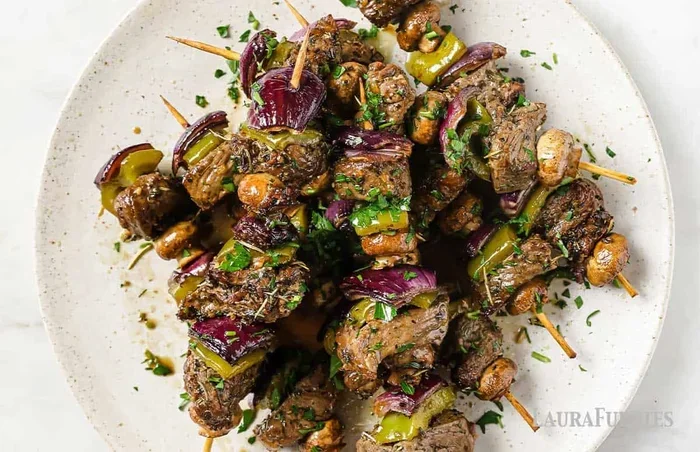
How Long To Cook Beef Kabobs In Oven For Perfect Results
Cooking beef kabobs in the oven typically takes 20 to 30 minutes at 400°F, depending on the size of your beef chunks and the type of skewer you use. This guide covers everything from oven temperature settings and marinating times to step-by-step instructions that guarantee tender, flavorful beef kabobs. Whether you are a beginner or a seasoned cook, you will find practical tips and timing charts to help you get perfect results every single time.
There is nothing quite like the smell of beef kabobs sizzling in the oven. The juicy chunks of marinated beef, the colorful vegetables, and the smoky aroma that fills your kitchen — it is enough to make anyone hungry. But here is the thing many people get wrong. How long to cook beef kabobs in oven depends on several factors that most recipes skip over entirely.
Whether you are cooking for a family dinner or a weekend gathering, getting the timing and temperature right makes all the difference. Too short, and your beef stays tough. Too long, and you end up with dry, rubbery bites. This guide walks you through everything you need to know. From the best oven temperature to the exact cooking times, we have you covered. You will also learn pro tips that take your beef kabobs from good to absolutely amazing.
Key Takeaways
- Ideal Temperature: Cook beef kabobs at 400°F for the best balance of browning and juiciness.
- Cooking Time: Most beef kabobs need 20 to 30 minutes, with 25 minutes being the sweet spot for medium doneness.
- Marinate First: Marinating your beef for at least 2 hours dramatically improves flavor and tenderness.
- Wooden Skewer Tip: Soak wooden skewers in water for 30 minutes before threading to prevent burning.
- Internal Temperature: Use a meat thermometer. Aim for 135°F for medium-rare and 160°F for well-done.
- Rest Before Serving: Let your kabobs rest for 5 minutes after cooking to lock in the juices.
- Oven Rack Placement: Always place the rack in the center position for even cooking.
📑 Table of Contents
- Understanding Beef Kabobs and Oven Cooking Basics
- The Best Oven Temperature for Beef Kabobs
- How Long To Cook Beef Kabobs In Oven: The Complete Timing Guide
- Step-by-Step Instructions for Perfect Beef Kabobs
- Tips and Tricks for Juicy, Flavorful Beef Kabobs
- Common Mistakes That Ruin Beef Kabobs
- How Long Do Beef Kabobs Keep and How to Store Them
- Final Thoughts on Oven-Baked Beef Kabobs
Understanding Beef Kabobs and Oven Cooking Basics
Before we dive into the timing, let us talk about what makes oven-baked beef kabobs different from grilled ones. Cooking beef kabobs in the oven is one of the easiest methods for home cooks. You do not need a grill, you do not need to stand outside in the heat, and you get consistent results every time.
The oven provides steady, even heat that surrounds the kabob from all sides. This is different from a grill, where one side gets direct flame and the other does not. When you bake beef kabobs in the oven, the heat circulates around the meat and vegetables. This means more even cooking and less risk of burning one side.
But there are a few things you need to keep in mind. The type of beef you use matters a lot. Tender cuts like sirloin, ribeye, and tenderloin work best for kabobs. They cook evenly and stay juicy. Tougher cuts like chuck or round need longer cooking times and benefit from longer marinating. Also, the size of your beef chunks affects cooking time significantly. Smaller pieces cook faster, while larger chunks need more time in the oven.
Choosing the Right Beef for Your Kabobs
Not all beef is created equal when it comes to kabobs. Here are the best cuts to use:
- Sirloin: Lean, tender, and affordable. It is the most popular choice for beef kabobs.
- Ribeye: Rich flavor with natural marbling that keeps the meat juicy during cooking.
- Tenderloin: The most tender cut available. It cooks quickly and has a buttery texture.
- Flat Iron Steak: A budget-friendly option that is surprisingly tender when cut properly.
- Strip Steak: Great flavor and a good balance of tenderness and affordability.
Always try to cut your beef into uniform pieces. This ensures that every piece cooks at the same rate. Aim for cubes that are about 1.5 to 2 inches in size. This is the sweet spot for oven-baked beef kabobs.
The Best Oven Temperature for Beef Kabobs
Temperature is the single most important factor when cooking beef kabobs in the oven. Too low, and your beef steams instead of searing. Too high, and the outside burns before the inside cooks through.
The ideal temperature for beef kabobs is 400°F. At this temperature, the outside of the beef gets a nice sear while the inside stays juicy and tender. The vegetables also roast perfectly at this heat without turning mushy.
Some recipes suggest 375°F for slower, more gentle cooking. This works well if you are using tougher cuts of beef or if your pieces are larger than 2 inches. However, for most standard beef kabobs, 400°F is the sweet spot. It gives you that beautiful caramelized exterior and a perfectly pink center.
Here is a quick comparison of oven temperatures and what they do:
- 350°F: Slower cooking. Good for very large beef chunks or tougher cuts. Takes about 35 to 40 minutes.
- 375°F: Gentle cooking. Works well for medium-sized pieces. Takes about 25 to 30 minutes.
- 400°F: The recommended temperature. Best for 1.5 to 2-inch beef cubes. Takes about 20 to 25 minutes.
- 425°F: High heat. Great for searing. Use only if your beef pieces are small and uniform. Takes about 15 to 20 minutes.
Always preheat your oven before placing the kabobs inside. This is a step many people skip, but it really matters. A preheated oven ensures that your beef starts cooking immediately instead of slowly warming up. This leads to better browning and more even cooking throughout.
How Long To Cook Beef Kabobs In Oven: The Complete Timing Guide
Now let us get to the main question. How long to cook beef kabobs in oven depends on several factors. The size of your beef cubes, the type of oven you use, and your preferred level of doneness all play a role.
Here is the general timing guide that works for most recipes:
- Rare (120°F to 125°F internal temp): 15 to 18 minutes at 400°F
- Medium-Rare (130°F to 135°F internal temp): 18 to 22 minutes at 400°F
- Medium (140°F to 145°F internal temp): 22 to 26 minutes at 400°F
- Medium-Well (150°F to 155°F internal temp): 26 to 30 minutes at 400°F
- Well-Done (160°F and above): 30 to 35 minutes at 400°F
These times assume you are using 1.5 to 2-inch beef cubes at 400°F. If your pieces are larger, add 5 to 10 minutes. If they are smaller, reduce the time by a few minutes.
One thing that really helps is flipping your kabobs halfway through cooking. This ensures even browning on all sides. Simply use two spatulas to carefully turn each skewer over. This small step makes a big difference in the final result.
How to Check if Your Beef Kabobs Are Done
The most reliable way to check doneness is with a meat thermometer. Insert the probe into the thickest piece of beef on the skewer. Do not touch the skewer itself, as it can give a false reading.
Here are the internal temperatures for each level of doneness:
- Rare: 120°F to 125°F — bright red center, very soft
- Medium-Rare: 130°F to 135°F — pink center, slightly firm
- Medium: 140°F to 145°F — pinkish center, firm to the touch
- Medium-Well: 150°F to 155°F — slight pink hint, very firm
- Well-Done: 160°F and above — no pink, very firm
Remember that the beef will continue to cook slightly after you remove it from the oven. This is called carryover cooking. So pull your kabobs out a few degrees before they reach your target temperature. They will reach the perfect doneness while resting.
If you have ever wondered how chicken kebabs compare in cooking time, the answer is that chicken generally needs slightly less time because it cooks faster than beef. Always cook poultry to a safe internal temperature of 165°F.
Step-by-Step Instructions for Perfect Beef Kabobs
Now that you know the temperature and timing, let us walk through the full process. Following these steps will give you restaurant-quality beef kabobs right in your own kitchen.
Step 1: Prepare the Beef
Start by trimming any excess fat from your beef. Leave a thin layer for flavor, but remove large chunks that might cause flare-ups. Cut the beef into uniform cubes, about 1.5 to 2 inches each. Place the cubes in a large mixing bowl.
Step 2: Marinate the Beef
Marinating is one of the most important steps. It adds flavor and helps tenderize the meat. A basic marinade works great: mix olive oil, soy sauce, minced garlic, lemon juice, salt, and pepper. Pour this over your beef and toss to coat evenly.
Cover the bowl and refrigerate for at least 2 hours. For the best results, marinate overnight. The longer the beef sits in the marinade, the more flavorful and tender it becomes. However, do not marinate for more than 24 hours, as the acid can break down the meat too much.
Step 3: Thread the Skewers
If you are using wooden skewers, soak them in water for at least 30 minutes before threading. This prevents them from burning in the oven. Metal skewers do not need soaking and conduct heat better, which helps cook the beef more evenly.
Thread the beef pieces onto the skewers, leaving a small gap between each piece. This allows heat to circulate around the meat. You can add vegetables like bell peppers, onions, and tomatoes between the beef pieces for a colorful, flavorful kabob.
Step 4: Preheat and Bake
Preheat your oven to 400°F. While the oven is heating, line a baking sheet with foil or parchment paper. Place a wire rack on top for best results. The wire rack allows air to flow underneath the kabobs, which promotes even browning.
Place the kabobs on the rack, leaving space between each one. Bake for 18 to 25 minutes, flipping halfway through. Use a meat thermometer to check the internal temperature. Once the beef reaches your desired doneness, remove the kabobs from the oven.
Step 5: Rest and Serve
Let the kabobs rest for 5 minutes before serving. This allows the juices to redistribute throughout the beef. Skewer the pieces off or serve them right on the stick. Pair with rice, salad, or flatbread for a complete meal.
Tips and Tricks for Juicy, Flavorful Beef Kabobs
Getting the timing right is only half the battle. Here are some expert tips that elevate your beef kabobs from ordinary to extraordinary:
- Pat the beef dry before marinating: This helps the marinade adhere better and promotes browning.
- Do not overcrowd the baking sheet: Leave space between each kabob. Overcrowding traps steam and prevents proper browning.
- Use a wire rack: It lifts the kabobs above the pan, allowing hot air to circulate evenly around all sides.
- Brush with extra marinade while cooking: This adds a beautiful glaze and extra flavor during the last 5 minutes of baking.
- Let the beef come to room temperature: Take the marinated beef out of the fridge 30 minutes before cooking. This helps it cook more evenly.
- Season generously: Do not be shy with salt and pepper. Beef kabobs benefit from bold seasoning.
- Add vegetables at the right time: If you are using vegetables that cook faster than beef, add them partway through cooking so they do not burn.
One thing that surprises many people is how much the resting period matters. When you pull the kabobs out of the oven, the juices inside the beef are under high pressure. If you cut into them immediately, those juices run out and the meat dries out. Giving them 5 minutes to rest lets the juices settle back in, resulting in a much more tender and flavorful bite.
For those who love a smoky flavor, you can finish the kabobs under the broiler for 2 to 3 minutes after baking. Just watch them closely, as the broiler can burn the exterior very quickly. This step adds a beautiful charred finish that mimics grilled kabobs.
Common Mistakes That Ruin Beef Kabobs
Even experienced cooks make mistakes with beef kabobs. Here are the most common errors and how to avoid them:
- Skipping the soak for wooden skewers: This is the number one mistake. Dry wooden skewers will burn in the oven, leaving you with charred, inedible kabobs. Always soak them for at least 30 minutes.
- Using beef that is too small: Tiny pieces dry out quickly in the oven. Stick to 1.5-inch cubes or larger for the best results.
- Not preheating the oven: Putting kabobs into a cold oven leads to uneven cooking and poor browning. Always preheat to 400°F first.
- Over-marinating: While marinating is important, too much time in an acidic marinade can make the beef mushy. Keep marinating time between 2 and 24 hours.
- Opening the oven too often: Every time you open the oven door, the temperature drops. This extends cooking time and prevents proper browning. Check the kabobs no more than twice during cooking.
- Ignoring the meat thermometer: Guessing doneness leads to either undercooked or overcooked beef. A simple meat thermometer takes the guesswork out completely.
- Using frozen beef: Always thaw your beef completely before threading it onto skewers. Frozen or partially frozen beef cooks unevenly and can result in tough, rubbery textures.
Avoiding these mistakes alone will dramatically improve your beef kabobs. Most of these errors come from rushing the process. Take your time, follow the steps, and you will be rewarded with perfectly cooked kabobs every time.
How Long Do Beef Kabobs Keep and How to Store Them
Leftover beef kabobs can be stored in the refrigerator for up to 3 days. Place them in an airtight container and refrigerate promptly. When you are ready to eat them, you can reheat them in the oven at 350°F for about 10 minutes. This keeps the beef from drying out better than microwaving.
You can also freeze cooked beef kabobs for up to 3 months. Wrap them tightly in plastic wrap and aluminum foil, or place them in a freezer-safe bag. Thaw overnight in the refrigerator before reheating. The quality is best if you eat them within the first month of freezing.
For meal prep, you can actually prepare the beef ahead of time. Marinate the beef the night before, thread the skewers in the morning, and bake them when you get home. This makes weeknight dinners incredibly easy and fast.
Final Thoughts on Oven-Baked Beef Kabobs
Cooking beef kabobs in the oven is one of the simplest and most satisfying ways to prepare a delicious meal. With the right temperature of 400°F and a cooking time of 20 to 30 minutes, you get perfectly juicy, flavorful beef with minimal effort. The key is to pay attention to the details — uniform beef cubes, proper marinating time, and using a meat thermometer to check doneness.
Remember that practice makes perfect. The more you make beef kabobs, the more intuitive the timing and temperature become. Soon you will be able to eyeball the doneness and adjust the cooking time based on your preferences. Start with the guidelines in this article, and before long, you will be making beef kabobs that rival any restaurant version.
So fire up your oven, gather your ingredients, and get ready to enjoy some of the best beef kabobs you have ever tasted. Your family and guests will love them, and you will feel confident knowing exactly how long to cook beef kabobs in the oven for perfect results every single time.
Frequently Asked Questions
Can I use frozen beef for kabobs?
You should always thaw your beef completely before making kabobs. Frozen or partially frozen beef cooks unevenly and can turn tough or rubbery. Thaw the meat in the refrigerator overnight for the best results. Pat it dry before marinating and threading onto skewers.
What is the best skewer for oven beef kabobs?
Metal skewers are the best choice for oven cooking. They conduct heat evenly and do not burn. If you prefer wooden skewers, make sure to soak them in water for at least 30 minutes before use. This prevents them from catching fire or burning during the 20 to 30 minute bake time.
How do I know when beef kabobs are done without a thermometer?
The most reliable method without a thermometer is the touch test. Press the thickest piece of beef gently. If it feels soft and squishy, it is rare. If it feels firm but gives slightly, it is medium-rare. If it feels very firm, it is well-done. However, a meat thermometer is always the most accurate and recommended tool.
Can I add vegetables to my beef kabobs?
Absolutely! Vegetables like bell peppers, onions, zucchini, and cherry tomatoes add great flavor and color. Just keep in mind that vegetables cook at different rates than beef. Add faster-cooking vegetables partway through the baking time, or cut them into smaller pieces so they finish at the same time as the beef.
How long should I marinate beef kabobs?
For the best flavor and tenderness, marinate your beef for at least 2 hours. An overnight marinade of 8 to 12 hours works even better. However, do not marinate for more than 24 hours, especially if your marinade contains acidic ingredients like lemon juice or vinegar, as they can break down the meat texture too much.
Can I broil beef kabobs instead of baking them?
Yes, you can use the broiler setting for a quick charred finish. Place the kabobs on a broiler pan about 4 inches from the heat source. Broil for 3 to 5 minutes per side, watching carefully to prevent burning. This works great as a finishing step after baking, adding a smoky grilled flavor to your oven-cooked kabobs.
=== CONCLUSION ===
How long to cook beef kabobs in oven comes down to three simple factors: temperature, timing, and the size of your beef cubes. At 400°F, most beef kabobs need between 20 and 30 minutes to reach the perfect level of doneness. Marinate your beef well, use a meat thermometer, and let your kabobs rest before serving. These small steps make a huge difference in the final result.
Oven-baked beef kabobs are a versatile, delicious, and easy-to-make meal that works for any occasion. Whether you are cooking for a quiet weeknight dinner or hosting a weekend barbecue indoors, this method delivers consistent, mouthwatering results. Now that you have all the timing and temperature details, you are ready to create beef kabobs that are juicy, flavorful, and perfectly cooked every single time. Get in the kitchen, fire up that oven, and enjoy the process of making something truly special for the people you love.