How Long To Cook Swordfish In Oven At 350 Degrees F
How Long To Cook Swordfish In Oven At 350 is a simple, reliable method for achieving perfectly moist, flaky fish every time. This guide covers exact cooking times, internal temperatures, and seasoning tips for both swordfish steaks and fillets. You’ll learn how to avoid dry, overcooked swordfish and serve a restaurant-quality meal in under 20 minutes.
There’s something magical about a perfectly baked swordfish steak. The outside turns golden, the inside stays moist, and the flavor is clean and satisfying. If you’ve ever wondered how long to cook swordfish in oven at 350, you’re in the right place. This guide gives you exact times, temperatures, and simple steps so you can bake swordfish like a pro. Whether you’re a weeknight dinner hero or a weekend cook, this method works every time.
How Long To Cook Swordfish In Oven At 350 is one of the most searched questions for home cooks. The answer isn’t just a number. It depends on the cut, the thickness, and your oven’s true temperature. I’ll walk you through everything you need to know. By the end, you’ll feel confident enough to bake swordfish without a recipe card. Let’s get started.
Key Takeaways
- 350°F is the ideal oven temperature: It cooks swordfish evenly without drying it out.
- Plan for 12–18 minutes: Thickness determines exact time, with steaks needing slightly longer than fillets.
- Always check internal temperature: 145°F (63°C) is the safe doneness point for swordfish.
- Season simply before baking: Olive oil, lemon, and herbs bring out the natural flavor.
- Rest the fish after cooking: Let it sit for 3–5 minutes to lock in juices.
- Avoid common mistakes: Overcooking, skipping the preheat, and using a cold pan are the top culprits of dry swordfish.
📑 Table of Contents
Why 350°F Is the Sweet Spot for Swordfish
The Science Behind 350 Degrees
Oven temperature matters more than people think. At 350°F, heat surrounds the fish gently. This even warmth cooks the protein slowly. It prevents the outside from burning before the inside is done. Swordfish is a dense, meaty fish. It needs steady, moderate heat to stay juicy. Higher temperatures can shock the flesh and squeeze out moisture. Lower temperatures take too long and can make the fish chalky.
350°F strikes the perfect balance. It’s hot enough to create a light sear on the surface. It’s cool enough to keep the inside tender. This temperature also works well for swordfish steaks and fillets of different thicknesses. You get a reliable window of time where the fish stays perfect. That’s why so many oven-baked swordfish recipes call for 350 degrees.
Swordfish vs. Other Fish Cooking Temperatures
Not all fish bakes the same way. Delicate fish like tilapia or cod do better at 400°F or higher for a shorter time. Salmon often roasts at 425°F for a crispy skin. Swordfish is different. Its thick, steak-like texture can handle a slightly lower temperature without falling apart. 350°F is the standard for swordfish because it respects the fish’s structure. It gives you a wider margin of error. You’re less likely to dry it out compared to a hotter oven.
| Fish Type | Recommended Oven Temp | Typical Cook Time | Why This Temp Works |
|---|---|---|---|
| Swordfish | 350°F | 12–18 min | Dense flesh needs gentle, even heat |
| Salmon | 425°F | 12–15 min | Higher heat sets the skin and flakes the flesh |
| Cod | 400°F | 10–14 min | Thinner fillets need faster cooking |
| Tilapia | 400°F | 8–12 min | Very thin and delicate; quick bake prevents drying |
As you can see, swordfish sits comfortably at 350°F. This is the go-to oven temperature for swordfish in most tested recipes. It’s a forgiving temperature that helps beginners succeed.
How Long to Cook Swordfish In Oven At 350: Time Guide
Swordfish Steaks vs. Fillets: Time Differences
How long to cook swordfish in oven at 350 depends on what you’re baking. Swordfish steaks are usually 1 to 1.5 inches thick. They need a bit more time in the oven. Swordfish fillets are often thinner, around ½ to ¾ inch. They cook faster. Here’s a simple breakdown:
- Swordfish steaks (1–1.5 inches thick): 15–18 minutes
- Swordfish steaks (¾–1 inch thick): 12–15 minutes
- Swordfish fillets (½–¾ inch thick): 10–14 minutes
- Swordfish fillets (thin, less than ½ inch): 8–10 minutes
These times assume a fully preheated 350°F oven. They also assume room-temperature fish. Cold fish straight from the fridge adds several minutes to the cook time. Always let your swordfish sit on the counter for 10–15 minutes before baking. This small step makes a big difference in even cooking.
Thickness Matters: Adjusting Cook Time
The single biggest factor in swordfish cooking time is thickness. A thin fillet can go from perfect to dry in just two minutes. A thick steak needs more time but rewards you with a juicy center. Use a ruler or judge by eye. If your swordfish is an odd thickness, bake it at 350°F and check early. You can always add a few more minutes. You cannot undo an overcooked piece.
Here’s a quick reference for adjusting time based on thickness:
- Thin (under ½ inch): Start checking at 8 minutes
- Medium (½ to 1 inch): Start checking at 12 minutes
- Thick (1 to 1.5 inches): Start checking at 15 minutes
- Extra thick (over 1.5 inches): Start checking at 18 minutes; may need up to 22 minutes
These numbers are for baked swordfish at 350°F without a cover or foil. If you tent the fish with foil, add 2–3 minutes because the heat is blocked slightly.
Step-by-Step: How to Bake Swordfish at 350°F
Preheating and Pan Preparation
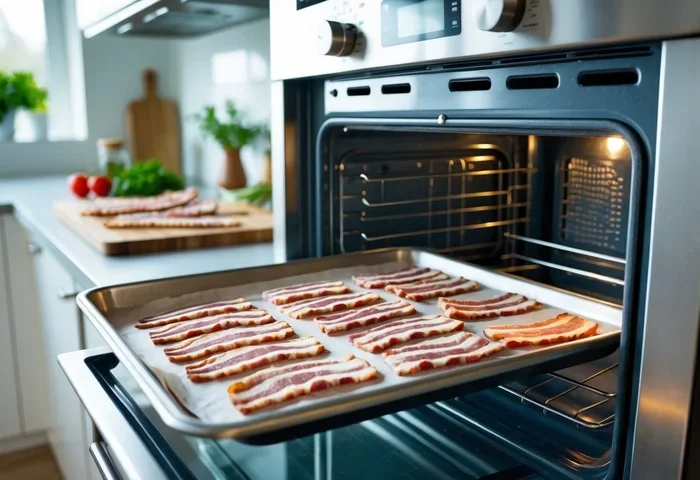
Never put swordfish in a cold oven. Preheat to 350°F first. While the oven heats, prepare your pan. Use a baking sheet or a small roasting pan. Line it with parchment paper or lightly grease it with olive oil. Parchment prevents sticking and makes cleanup easy. A hot pan helps the fish sear immediately when it hits the surface. That’s where flavor develops.
Place the swordfish on the prepared pan. Leave a little space between pieces if you’re baking multiple steaks. Air needs to circulate around the fish. Crowding the pan creates steam, which leads to a soggy exterior instead of a light roast.
Checking Internal Temperature
The only foolproof way to know swordfish is done is with a meat thermometer. Insert it into the thickest part of the steak or fillet. The internal temperature should reach 145°F (63°C). At this point, the fish is opaque and flakes easily with a fork. If you don’t have a thermometer, use the fork test gently. The flesh should separate into clean, white flakes. If it looks translucent or mushy, it needs more time.
Remember that swordfish continues to cook after you take it out. This is called carryover cooking. The temperature can rise 5°F while resting. Pull the fish at 140°F if you prefer a slightly softer center. For a firm, flaky texture, pull it right at 145°F.
Seasoning Ideas to Elevate Your Swordfish
Lemon-Herb Butter
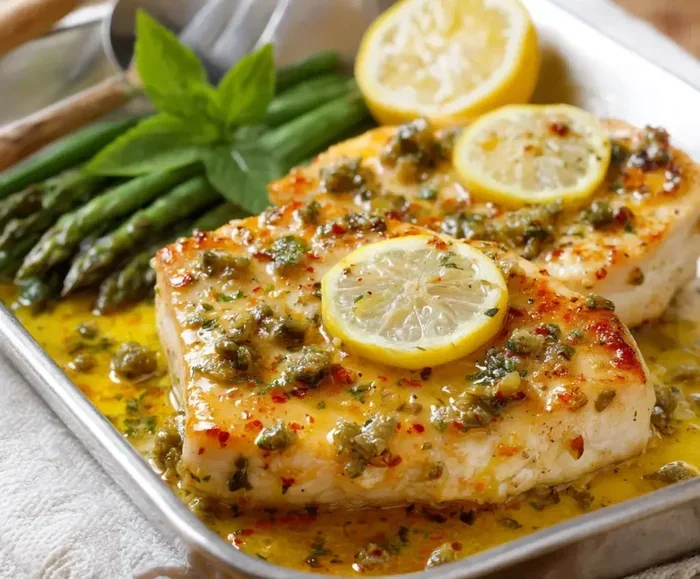
The simplest swordfish recipe is often the best. Melt a tablespoon of butter and mix it with fresh lemon juice, minced garlic, and chopped parsley. Brush this mixture over the swordfish before baking. The lemon cuts through the richness of the fish. The garlic adds depth without overpowering. This seasoning works beautifully for both steaks and fillets.
For extra flavor, add a sprinkle of dried oregano or smoked paprika. These spices complement the natural sweetness of swordfish. A pinch of salt and black pepper is essential. Keep the seasoning light. Swordfish has a delicate, mild taste. Heavy spices can mask it.
Mediterranean Style
Swordfish loves Mediterranean flavors. Top the fish with sliced olives, capers, sun-dried tomatoes, and a drizzle of olive oil. Add a few fresh basil leaves in the last 5 minutes of baking. This style pairs perfectly with a side of roasted vegetables or a simple grain salad. Oven-baked swordfish with a Mediterranean twist feels like a vacation on a plate.
Another popular variation is a soy-ginger glaze. Mix soy sauce, honey, fresh ginger, and sesame oil. Brush it on the swordfish during the last 5 minutes of cooking. This gives the fish a sweet-savory glaze that caramelizes in the hot oven.
Common Mistakes That Dry Out Swordfish
Overcooking and Temperature Errors
The most common mistake is overcooking. Swordfish goes from perfectly moist to dry and chalky very quickly. The difference can be just 2–3 minutes. Always set a timer and stay nearby. Use the internal temperature of 145°F as your guide. Don’t rely solely on color because swordfish can look done before it actually is.
Another error is an oven that isn’t truly 350°F. Many home ovens run hot or cold. Get an oven thermometer if you’re serious about baking fish. An oven that’s 375°F will cook the swordfish faster and may dry it out. An oven at 325°F will take longer and can leave the center underdone. Knowing your oven’s true temperature helps you nail how long to cook swordfish in oven at 350 every time.
Skipping the Rest
Some people pull the fish out and cut into it immediately. That releases all the juices onto the plate. The swordfish ends up dry even if the temperature was correct. Let the fish rest for 3–5 minutes after baking. The carryover heat finishes the cooking gently. The juices redistribute throughout the flesh. When you finally cut in, the swordfish stays moist and tender.
Expert Tips for Juicy, Flavorful Swordfish
Resting the Fish
Resting isn’t just for steak. It applies to swordfish too. Professional chefs always let fish rest after it comes out of the oven. The ideal resting time is 3–5 minutes. Tent the fish loosely with foil to keep it warm without trapping steam. Steam makes the surface soggy. You want a light, slightly crisp exterior. A loose tent preserves that texture perfectly.
Pairing with Sides
Baked swordfish at 350°F pairs well with many sides. Roasted asparagus, lemon potatoes, or a fresh cucumber tomato salad all work. The fish is mild enough to stand up to bold sides. For a light meal, serve it over a bed of arugula with a simple vinaigrette. For something heartier, pair it with couscous or quinoa. The key is to balance the rich, flaky fish with something bright and fresh.
Here are a few swordfish side dish ideas to complete your plate:
- Roasted lemon asparagus
- Garlic butter rice
- Mediterranean quinoa salad
- Sautéed spinach with garlic
- Roasted cherry tomatoes and zucchini
Key Takeaways
- 350°F is the ideal oven temperature: It cooks swordfish evenly without drying it out.
- Plan for 12–18 minutes: Thickness determines exact time, with steaks needing slightly longer than fillets.
- Always check internal temperature: 145°F (63°C) is the safe doneness point for swordfish.
- Season simply before baking: Olive oil, lemon, and herbs bring out the natural flavor.
- Rest the fish after cooking: Let it sit for 3–5 minutes to lock in juices.
- Avoid common mistakes: Overcooking, skipping the preheat, and using a cold pan are the top culprits of dry swordfish.
Conclusion
Baking swordfish at 350°F is one of the easiest ways to enjoy this healthy, delicious fish. How Long To Cook Swordfish In Oven At 350 is a question with a clear answer: 12–18 minutes depending on thickness. Follow the times, use a meat thermometer, and let the fish rest. You’ll get perfectly flaky, moist swordfish every single time.
Now you have the tools to bake swordfish with confidence. Try the lemon-herb butter method first. Then experiment with Mediterranean or Asian-inspired glazes. The oven is your best friend for this recipe. Keep it simple, keep it at 350°F, and enjoy the results. Your next weeknight dinner just became a restaurant-worthy meal.
Frequently Asked Questions
Can I cook swordfish at 400°F instead of 350°F?
Yes, you can. Higher heat reduces cooking time slightly. At 400°F, a 1-inch steak may take 10–12 minutes. The risk is drying out the edges before the center is done. 350°F is safer and more forgiving for most home cooks.
How do I know if swordfish is done without a thermometer?
Use the fork test. Gently press the thickest part with a fork. If the flesh flakes apart easily and is opaque white all the way through, it’s done. If it still looks translucent or feels mushy, it needs more time. The internal temperature of 145°F is the safest guide.
Should I cover swordfish with foil while baking?
It’s not necessary, but it can help. Covering with foil for the first 10 minutes keeps the top from drying out. Then remove the foil for the last few minutes to let the surface brown slightly. This works well for thicker steaks.
Can I bake frozen swordfish at 350°F?
Yes, but you must add extra time. Frozen swordfish will take about 50% longer than fresh. A 1-inch steak may need 20–25 minutes. It’s better to thaw the fish first for even cooking and better texture. Thaw it in the refrigerator overnight.
What is the best way to store leftover baked swordfish?
Let the fish cool completely, then store it in an airtight container in the refrigerator. It will keep for up to 3 days. Reheat gently in the oven at 300°F for 5–8 minutes. Microwaving can make the fish rubbery, so the oven is the best reheating method.
Is swordfish a healthy choice for dinner?
Yes, swordfish is a lean protein source. It’s low in fat and high in protein, selenium, and vitamin D. Baking it at 350°F with olive oil and lemon keeps the dish light and nutritious. It’s a great option for a heart-healthy meal plan.