How To Clean Oven Vents And Stop Foul Kitchen Odors
Learning how to clean oven vents is the simplest way to eliminate stubborn kitchen odors and improve air quality in your home. Grease buildup, cooking fumes, and trapped smoke odor can make your kitchen smell terrible, but the right cleaning routine fixes this fast. With basic tools and natural solutions like baking soda and vinegar solution, you can handle oven vent cleaning yourself in under an hour. This guide walks you through every step, from prep to prevention, so your kitchen stays fresh and your appliance care routine stays on track.
How To Clean Oven Vents is one of the most overlooked yet essential household tasks that every home cook should master. When grease builds up inside your oven vents, it traps cooking fumes, smoke odor, and unpleasant smells that linger for hours. The result is a kitchen that never feels truly fresh, no matter how often you wipe down your counters. Oven vent cleaning solves this problem at the source, restoring clean air circulation and keeping your kitchen smelling great. In this guide, we walk you through everything you need to know, from the tools you will need to the best natural cleaning solutions. You will also learn simple preventive habits that make future cleaning faster and easier.
Most people do not think about their oven vents until a bad smell hits them during or after cooking. That is a mistake. Your kitchen ventilation system works hard every time you turn on the stove, pulling grease, steam, and airborne particles through the vent hood and out of your kitchen. Over time, this residue accumulates inside the ducts, filters, and exhaust fan. The result is reduced air circulation, lingering kitchen odors, and even potential fire hazards from excessive grease buildup. Taking a few minutes each month to clean your oven vents keeps your entire kitchen healthier and more comfortable.
The good news is that oven vent cleaning does not require expensive products or professional help in most cases. With a few common household items and a little elbow grease, you can restore fresh air to your kitchen in less than an hour. This guide covers every detail, so whether you are dealing with a stovetop vent, a range hood filter, or a deeper duct issue, you will find the right approach here. Let us get started.
Key Takeaways
- Regular oven vent cleaning prevents grease buildup and eliminates foul kitchen odors before they become a serious problem.
- Basic household items like baking soda, warm water, and dish soap are all you need for effective odor removal at home.
- A step-by-step approach ensures you clean every part of the vent, including the range hood filter, exhaust fan, and grease trap.
- Natural cleaning solutions are safer, cheaper, and just as effective as commercial chemical cleaners for kitchen hygiene.
- Preventive habits like wiping spills immediately and running the exhaust fan during cooking keep your kitchen ventilation working at its best.
- Knowing when to call a professional saves time and money when grease buildup becomes too deep for DIY methods.
📑 Table of Contents
Why Oven Vents Get Dirty So Fast
Understanding why your oven vents get dirty is the first step toward effective oven vent cleaning. When you cook, especially with oils, butter, or fatty foods, tiny grease droplets become airborne. Your exhaust fan and vent hood pull these particles out of the air, but many of them settle inside the vent system. Over weeks and months, this creates a thick layer of grease that restricts airflow and produces strong odors.
What Causes Grease Buildup in Vents
Several factors speed up grease buildup in your kitchen vents. Cooking at high heat, deep frying, and broiling produce the most grease and cooking fumes. If you rarely use your exhaust fan, even more particles settle inside the ducts. The type of cooking oil you use also matters. Oils with low smoke points break down faster and leave behind sticky residue that is hard to remove. Additionally, poor kitchen hygiene habits, like not wiping spills right away, contribute to grime collecting around the vent opening.
How Kitchen Ventilation Works
Your kitchen ventilation system includes several components. The stovetop vent or range hood captures airborne grease and steam. The air filter traps larger particles. The exhaust fan pushes the air through ducts and out of the house. When any part of this system gets clogged with grease, the entire process slows down. That is why vent hood cleaning and regular maintenance of every component matter. Clean parts mean better air circulation, fewer smoke odors, and a more efficient system overall.
- Turn on your exhaust fan before you start cooking and keep it running for 10 minutes after you finish.
- Wipe down the stovetop vent area after every cooking session to prevent surface grease from accumulating.
- Avoid cooking at excessively high heat when possible, as it produces more grease particles than medium heat.
Tools And Supplies You Need For Oven Vent Cleaning
Before you start, gather everything you need. Having all your supplies ready makes the entire process faster and more efficient. You do not need anything fancy, just a few basic items you probably already have in your kitchen.
| Tool or Supply | Purpose | Alternative Option |
|---|---|---|
| Warm water | Loosens grease and grime | Hot water works even better |
| Dish soap | Breaks down grease on surfaces | Castile soap or mild detergent |
| Baking soda | Natural degreaser and deodorizer | Washing soda for heavy buildup |
| White vinegar | Cuts through grease and removes odors | Lemon juice for a fresh scent |
| Soft scrub brush or old toothbrush | Scrubs grime from vents and filters | Microfiber cloth for gentle cleaning |
| Spray bottle | Applies cleaning solution evenly | Bowl and sponge method |
| Microfiber cloths | Wipes down surfaces and catches residue | Clean cotton rags |
| Rubber gloves | Protects hands from grease and chemicals | Disposable gloves |
For deeper cleaning, you may also want a vacuum with a narrow nozzle attachment to suck out loose debris from inside the vent opening. If your range hood filter is removable, check your appliance manual to see if it is dishwasher safe. Many modern filters are, which makes range hood filter cleaning much easier.
Step-by-Step Guide To Clean Oven Vents
Now that you have your supplies ready, it is time to start the actual cleaning process. Follow these steps carefully for the best results. This method works for most stovetop vents and range hood systems.
- Turn off and cool down your oven and stovetop completely. Safety always comes first. Make sure all cooking surfaces are at room temperature before you begin any cleaning work.
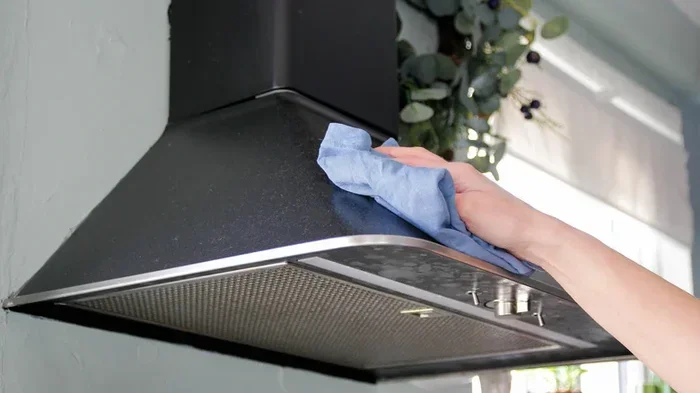
- Remove the vent cover or range hood filter. Most vent covers pop off or unscrew easily. Set them aside on a protected surface like an old towel.
- Vacuum loose debris from the vent opening. Use a narrow nozzle attachment to pull out any visible grease, food particles, and dust from inside the vent duct.
- Soak the vent cover and filter in hot, soapy water. Let them sit for 15 to 20 minutes. This softens the grease and makes scrubbing much easier.
- Scrub all parts with a brush or old toothbrush. Focus on areas with visible grease buildup. For stubborn spots, apply a paste of baking soda and water directly to the surface and let it sit for 10 minutes before scrubbing again.
- Rinse everything thoroughly with clean water. Make sure all soap residue and loosened grease are completely washed away.
- Dry all parts completely before reassembling. Use a clean microfiber cloth to dry each piece. Moisture left inside the vent can lead to mold and mildew, which create even worse odors.
- Reattach the vent cover and filter. Make sure everything is secure and properly aligned before you turn your ventilation system back on.
Common Mistakes To Avoid
Even when you are eager to clean, certain mistakes can reduce the effectiveness of your work. Using harsh chemical cleaners on aluminum filters can damage the finish and reduce their ability to trap grease. Skipping the drying step invites mold growth, which creates a whole new set of odor problems. Also, never use excessive water pressure to rinse the vent opening, as this can push debris deeper into the ducts. Always be gentle and thorough, and your oven maintenance routine will pay off with better performance and fresher air.
Natural Cleaning Solutions For Tough Grease
Chemical cleaners can be harsh and leave behind fumes that mix with cooking odors. Natural solutions work just as well for most oven vent cleaning jobs and are much safer for your home and family. Here are the two most effective methods.
Baking Soda Paste Method
Baking soda is a gentle but powerful degreaser that also absorbs odors. To make a cleaning paste, mix three parts baking soda with one part warm water. Stir until you get a thick, spreadable consistency. Apply the paste directly to the greasy vent surfaces and let it sit for 15 to 30 minutes. The baking soda will break down the grease on contact. After it sits, scrub with a soft brush or toothbrush and wipe clean with a damp cloth. This method works especially well on the range hood filter and vent cover.
Vinegar Solution Technique
White vinegar is a natural acid that cuts through grease and eliminates stale cooking smells. Mix equal parts white vinegar and warm water in a spray bottle. Spray the solution generously onto all vent surfaces and let it sit for 10 minutes. The vinegar will dissolve light grease and neutralize odors at the same time. Wipe clean with a microfiber cloth. For tougher grime, heat the vinegar solution slightly before applying it. The warmth helps the vinegar penetrate deeper into the grease layer.
Comparison: Natural vs. Commercial Cleaners
| Factor | Natural Cleaners (Baking Soda, Vinegar) | Commercial Chemical Cleaners |
|---|---|---|
| Cost | Very affordable, under $5 per clean | Moderate to high, $8 to $20 per product |
| Safety | Non-toxic, safe around food areas | Contains harsh chemicals, requires ventilation |
| Effectiveness | Excellent for regular maintenance | Stronger on heavy, hardened grease |
| Odor Impact | Leaves a fresh, neutral scent | May leave chemical smell that lingers |
| Environmental Impact | Biodegradable and eco-friendly | Contains synthetic chemicals harmful to waterways |
| Ease of Use | Simple to mix and apply at home | Often requires gloves and eye protection |
For most households, natural cleaners handle odor removal and routine oven vent cleaning perfectly well. Reserve commercial degreasers for heavy buildup that natural methods cannot tackle after two or three attempts.
- Add a few drops of essential oil like lemon or tea tree oil to your vinegar solution for a naturally fresh scent.
- Clean your range hood filter in the dishwasher once a month if it is dishwasher-safe. This saves significant time.
- Keep a small spray bottle of vinegar solution in your kitchen for quick wipe-downs after cooking.
How To Prevent Bad Kitchen Odors
Cleaning your oven vents is only half the battle. Prevention is what keeps your kitchen smelling fresh day after day. Building a few simple habits into your cooking routine makes a huge difference in kitchen hygiene and long-term air circulation.
- Always use your exhaust fan while cooking. This is the single most effective way to prevent grease and cooking fumes from settling into your vents. Turn it on before you start and leave it running for at least 10 minutes after you finish.
- Wipe up spills immediately. When grease or food liquids sit on stovetop surfaces, they bake on during the next cooking session and produce smoke odor. A quick wipe after each meal keeps buildup to a minimum.
- Use lids when cooking with high-grease foods. Covering pots and pans traps steam and grease particles, reducing the amount that reaches your vent system. This simple habit extends the time between deep cleanings.
- Replace your air filter regularly. Most range hood filters need replacement every three to six months, depending on how often you cook. A clean air filter captures more grease and keeps your kitchen ventilation system running efficiently.
- Schedule monthly vent wipe-downs. A quick 10-minute wipe of the vent opening and surrounding area with a vinegar solution prevents deep grease accumulation. This is much easier than a full deep clean every few months.
Building a Kitchen Hygiene Routine
Think of appliance care the same way you think about brushing your teeth. A little effort every day prevents big problems later. After each meal, spend two minutes wiping down the stovetop, checking the vent area, and running the exhaust fan. Once a month, do a deeper inspection of your vent hood and ductwork. These small habits add up to a kitchen that always smells clean and fresh, and they significantly reduce the need for intensive oven vent cleaning sessions.
When To Call A Professional For Vent Cleaning
There is no shame in calling in the experts. Some situations require professional duct cleaning that goes beyond what DIY methods can handle. Knowing when to make that call saves you time, money, and potential damage to your ventilation system.
You should consider hiring a professional if you notice any of the following signs. First, if you have done your own oven vent cleaning for several months but still notice strong odors, there may be deep grease buildup inside the ducts that only professional equipment can reach. Second, if you see visible grease dripping from the vent opening, this indicates a serious clog that needs immediate attention. Third, if your exhaust fan seems weaker than usual even after cleaning the filter and vent cover, the problem may be inside the ductwork itself.
Professional vent cleaning services typically cost between $150 and $400 depending on the complexity of the job and your location. While this is more expensive than a DIY session, it is a worthwhile investment when the buildup is severe. Professionals also inspect the entire system for damage, ensuring that your kitchen ventilation is safe and efficient. Most experts recommend scheduling a professional cleaning once a year as part of your regular oven maintenance routine, even if you keep up with monthly DIY cleanings.
Remember that proper vent hood cleaning and regular duct care also improve the safety of your home. Grease buildup inside ducts is a leading cause of kitchen fires. By staying on top of your cleaning routine and knowing when to call for help, you protect both your air quality and your family’s safety.
Quick Tips For Long-Term Vent Health
- Keep a cleaning log to track when you last deep cleaned your vents and when the next session is due.
- Inspect your ductwork visually every few months for signs of grease dripping or unusual buildup.
- Replace disposable range hood filters on schedule, and never reuse them after they have become saturated with grease.
- Consider installing a carbon filter in your range hood if your system does not vent outdoors. This helps with odor removal and keeps recirculated air cleaner.
Conclusion
How To Clean Oven Vents is a straightforward task that makes a dramatic difference in your kitchen’s freshness and air quality. By understanding why grease builds up, using the right tools and natural solutions, and following a consistent cleaning routine, you can keep foul kitchen odors under control all year round. The steps outlined in this guide give you everything you need to handle oven vent cleaning yourself, from basic monthly wipe-downs to deeper monthly cleaning sessions with baking soda and vinegar solution. Prevention is just as important as cleaning, so build those simple daily habits into your cooking routine and your kitchen will stay fresh with minimal effort. When the buildup becomes too much for DIY methods, do not hesitate to call a professional. Your kitchen ventilation system works hard for you every day, and a little regular care goes a long way in keeping it running smoothly and your home smelling great.
Frequently Asked Questions
How often should I clean my oven vents?
You should do a quick wipe-down of your oven vents every two weeks and a deep clean once a month if you cook regularly. Heavy cooks or those who fry foods often may need to clean more frequently. Regular cleaning prevents grease buildup and keeps kitchen odors from becoming a persistent problem.
Can I use commercial oven cleaner on my vent hood filter?
It is best to avoid harsh chemical oven cleaners on vent hood filters, especially if they are made of aluminum or mesh. These chemicals can damage the filter material and reduce its effectiveness. Stick with natural solutions like baking soda paste or warm soapy water for safe and effective cleaning.
Why does my kitchen still smell after I clean the vents?
If odors persist after cleaning, the issue may be deeper inside the ductwork or in the exhaust fan blades. Grease trapped inside the ducts can only be reached with professional duct cleaning. Also, check your air filter, as a saturated filter will continue to circulate stale cooking smells throughout your kitchen.
Is it safe to clean oven vents while the oven is still in the kitchen?
Yes, it is safe as long as the oven and stovetop are completely cool before you start cleaning. Always turn off the power to the exhaust fan before you begin work, and avoid using excessive water near electrical components. If your vent system is connected to the oven, make sure the oven is off and cooled down fully.
What is the best natural solution for removing smoke odor from vents?
A vinegar solution made of equal parts white vinegar and warm water is the most effective natural option for smoke odor removal. Spray it inside the vent opening and let it sit for 10 to 15 minutes before wiping clean. Baking soda paste also absorbs stubborn smoke smells when applied to the vent surfaces and left to sit for 20 minutes.
Do I need to hire a professional for oven vent cleaning?
Most homeowners can handle oven vent cleaning themselves with basic household supplies and a little time. Professional help is recommended only when there is heavy grease buildup deep inside the ducts, when the exhaust fan seems weak despite a clean filter, or when you notice grease dripping from the vents. An annual professional inspection is a good idea for thorough maintenance.