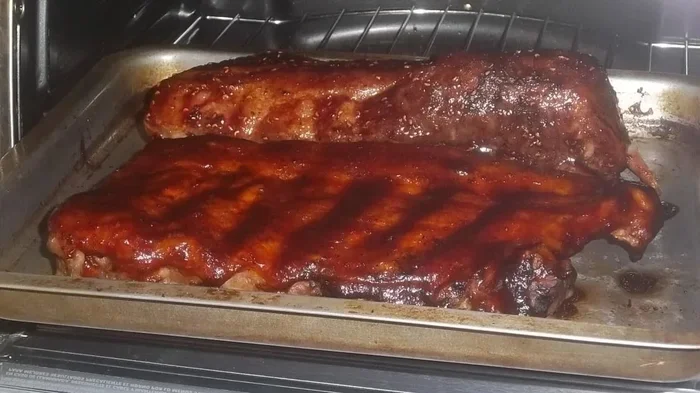
How To Reheat Ribs In A Toaster Oven Without Drying
Reheating ribs in a toaster oven is the easiest way to keep them moist, tender, and full of flavor. This guide shows you the exact steps to reheat ribs without drying them out. You will learn the right temperature, wrapping method, and timing for perfect ribs every time.
There is nothing worse than leftover ribs that turn dry and tough the next day. You worked hard to cook them, and you want every bite to taste as good as the first time. The good news is that how to reheat ribs in a toaster oven is simpler than most people think. A toaster oven is one of the best tools for this job because it uses gentle, even heat. This keeps your ribs reheated juicy and full of flavor.
Many people reach for the microwave when they want quick leftovers. But a microwave dries out ribs fast. The heat is uneven, and you end up with rubbery meat. A toaster oven solves this problem completely. It warms ribs slowly, which helps the meat stay tender. Your leftover ribs can taste almost as good as fresh.
In this guide, we walk you through the entire process step by step. You will learn the right temperature, the best wrapping method, and how to check for doneness. By the end, you will feel confident reheating any rack of ribs. Let us get started.
Key Takeaways
- Use a toaster oven at 250°F: Low heat keeps ribs moist and prevents drying out.
- Wrap ribs in foil: Foil traps steam and locks in moisture during reheating.
- Add sauce at the end: Apply barbecue sauce in the final minutes to avoid burning.
- Check internal temperature: Aim for 165°F to ensure ribs are heated through safely.
- Let ribs rest after reheating: Resting allows juices to redistribute for better texture.
- Avoid the microwave: A toaster oven gives far better texture and flavor than a microwave.
📑 Table of Contents
- Why Reheating Ribs In A Toaster Oven Is The Smart Choice
- What You Need Before You Reheat Ribs In A Toaster Oven
- Step-by-Step Guide To Reheat Ribs In A Toaster Oven
- Tips For Keeping Ribs Moist And Tender
- Common Mistakes To Avoid When Reheating Ribs
- Reheating Different Types Of Ribs In A Toaster Oven
- How To Get Crispy Ribs After Reheating
- Final Thoughts On How To Reheat Ribs In A Toaster Oven
Why Reheating Ribs In A Toaster Oven Is The Smart Choice
Choosing the right method to reheat your ribs matters more than you might think. Not all reheating methods are created equal. Some leave your meat dry and flavorless. Others can turn your perfectly cooked ribs into a rubbery mess. A toaster oven gives you the best results by far.
The Problem With Microwaving Ribs
The microwave is fast, but it is not kind to ribs. It heats food unevenly. Some spots get scalding hot while others stay cold. The microwave also strips away moisture quickly. This leaves your ribs reheated tough and chewy. The edges can become crunchy in a bad way. The center stays cold or lukewarm.
When you microwave ribs, you lose the texture that makes them great in the first place. The bark gets soggy. The meat shrinks and tightens. You paid good money for quality ribs. Do not let a microwave ruin them. The ribs texture suffers badly in a microwave compared to any other method.
Why A Toaster Oven Works Better
A toaster oven uses radiant heat. This heat wraps around the food evenly. It warms ribs slowly and gently. The slow process lets the meat fibers relax. This keeps the ribs tender and juicy. The exterior can even get slightly crispy again.
Another big advantage is control. You set the exact oven temperature. You set the timer. You can watch the ribs through the glass door. This level of control simply does not exist with a microwave. A toaster oven also uses less energy than a full-size oven. It heats up fast too.
Bottom line: a toaster oven is the best way to reheat ribs. It preserves moisture, texture, and flavor. Your leftover barbecue ribs will taste amazing.
What You Need Before You Reheat Ribs In A Toaster Oven
Before you start, gather a few simple items. Having everything ready makes the process smooth. You do not want to scramble halfway through. Here is what you need.
Essential Tools And Supplies
- Toaster oven: Any standard toaster oven works. Make sure it has a temperature setting.
- Aluminum foil: This is your best friend for keeping ribs moist. Heavy-duty foil works best.
- Baking sheet or tray: Use a tray that fits inside your toaster oven.
- Meat thermometer: This ensures your ribs reach a safe internal temperature of 165°F.
- Barbecue sauce (optional): Have some on hand if you want to add sauce during reheating.
- Oven mitts: The tray will get hot. Protect your hands.
You do not need anything fancy. Most of these items are already in your kitchen. The key is having good foil and a reliable thermometer. These simple rib reheating supplies make all the difference.
Choosing The Right Ribs For Reheating
Not all ribs reheat the same way. Pork ribs tend to reheat better than beef ribs. Baby back ribs are thinner and warm up faster. Spare ribs are thicker and need a bit more time. Bone-in ribs hold moisture better than boneless ones during reheating.
If your ribs leftovers are already sauced, you need to be extra careful. Sauce can burn at high temperatures. We will cover how to handle sauced ribs later in this guide. For now, know that the type of rib you have affects your approach to reheating ribs in a toaster oven.
Step-by-Step Guide To Reheat Ribs In A Toaster Oven
Now for the part you have been waiting for. Here is the exact process for how to reheat ribs in a toaster oven without drying them out. Follow these steps carefully for the best results every time.
Step 1: Preparing Your Ribs For Reheating
Take your ribs out of the fridge about 15 minutes before reheating. Letting them come to room temperature helps them warm more evenly. Remove any heavy sauce covering if the ribs are sauced.
Lay the ribs out on a clean surface. Check for any dry spots or areas that look discolored. If the ribs smell off, do not reheat them. Always trust your senses when handling leftover meat. This is a basic food safety step that many people skip.
For best results, separate the ribs if they are stuck together. This allows heat to reach every part of the meat. It also helps the ribs warm more evenly across the rack.
Step 2: Setting The Right Temperature
This is the most important step. Set your toaster oven to 250°F. Low and slow is the magic formula for reheating ribs. Do not crank the heat up to save time. High heat will dry out the meat fast.
Preheating your toaster oven is optional but helpful. If you have time, preheat for 5 minutes. This ensures the ribs start warming immediately. If you skip preheating, just add a few extra minutes to the total ribs reheating time.
The low temperature creates a gentle warming environment. It slowly brings the meat up to a safe serving temperature. This process preserves the ribs moisture inside the meat fibers. Patience here pays off big time.
Step 3: Wrapping And Placing The Ribs
Wrap the ribs tightly in aluminum foil. The foil creates a sealed environment. Trapped steam keeps the ribs moist. This is the secret to avoiding dry ribs. The foil wrapping method is simple but incredibly effective.
Place the wrapped ribs on a baking sheet. Put the sheet on the middle rack of the toaster oven. The middle rack allows heat to circulate evenly around the ribs. This ensures consistent warming throughout.
If you have a small batch, you can reheat individual ribs. Just wrap each portion separately. This gives you more control over the reheating process. Smaller portions also warm up faster.
Quick Tip: Add a small splash of apple juice or broth inside the foil before wrapping. This extra liquid creates more steam. The steam keeps the ribs incredibly moist during reheating. It is a game changer for dry leftover ribs.
Step 4: Checking For Doneness
Reheating time varies based on the amount of ribs. For a full rack, plan on 20 to 30 minutes. For a smaller portion, 10 to 15 minutes is usually enough.
Use a meat thermometer to check the internal temperature. Insert it into the thickest part of the meat. You want the ribs to reach 165°F throughout. This is the safe serving temperature for pork. Do not skip this step.
After 15 minutes, carefully unwrap a section. Check the texture. The meat should pull back from the bone easily. It should feel hot all the way through. If it still feels cool in the center, keep reheating.
Check every 5 minutes after the initial time. Ribs vary in thickness. Some parts may need more time than others. Patience is key here. Good ribs oven method techniques always include regular checking.
| Reheating Method | Time | Moisture Level | Texture Result |
|---|---|---|---|
| Toaster Oven (250°F, foil-wrapped) | 20-30 min | High – juicy and tender | Best – retains bark and moisture |
| Microwave | 2-4 min | Low – dries out quickly | Poor – rubbery and uneven |
| Air Fryer (300°F) | 10-15 min | Medium – decent results | Good – crispy edges, moist center |
| Stovetop Steamer | 15-20 min | High – moist | Good – soft texture, less bark |
| Full Oven (300°F) | 25-35 min | Medium-high | Good – takes longer, uses more energy |
As you can see from the table, the toaster oven method wins for both moisture and texture. It is also faster and uses less energy than a full-size oven. For everyday reheating, a toaster oven is hard to beat. The comparison clearly shows why this is the go-to method for reheating ribs at home.
Tips For Keeping Ribs Moist And Tender
Even with the right method, small details make a big difference. These tips will help you get the best results every time you reheat ribs.
Using Foil The Right Way
Foil is essential for moist ribs. But how you use it matters. Wrap the ribs snugly but not so tight that you crush the meat. You want the foil to create a sealed pocket of steam.
Do not poke holes in the foil. Some people do this to let steam escape. But the steam is what keeps the ribs moist. Let the foil do its job. Keep it sealed during the entire reheating process.
If you prefer a crispy exterior, you can unwrap the ribs for the last 5 minutes. This lets the bark crisp up slightly. Just watch them closely so they do not burn. The foil wrapping technique is simple but it makes all the difference.
Adding Sauce At The Perfect Time
Barbecue sauce is sugar-based. Sugar burns easily at high temperatures. If your ribs are already sauced, you need to be careful.
The best approach is to add fresh sauce in the last 5 minutes of reheating. Remove the foil, brush on a thin layer of sauce, and return the ribs to the oven. This gives the sauce time to heat through without burning.
Alternatively, you can serve sauce on the side. This is the safest option. Your guests can add their own sauce. The ribs stay moist, and the flavor is always fresh. This is a pro trick that many people do not know about.
Letting Ribs Rest After Reheating
Resting is just as important for reheated ribs as it is for freshly cooked ones. When ribs come out of the oven, let them sit for 3 to 5 minutes.
During resting, the juices redistribute throughout the meat. This makes every bite more flavorful and moist. Cutting into ribs right away lets the juices run out. You lose the tenderness you worked so hard to preserve.
Keep the ribs wrapped in foil during resting. The foil holds in heat. It also continues to create a gentle steaming effect. This final step makes a noticeable difference in ribs texture and juiciness.
Expert Insight: “The resting period is often overlooked but it is critical,” says pitmaster and BBQ competition judge Mike Torres. “When ribs rest properly, the connective tissues relax further. The result is a more tender, succulent bite. Even 3 minutes of resting can transform reheated ribs from good to great.”
Common Mistakes To Avoid When Reheating Ribs
Even with the best intentions, people make mistakes when reheating ribs. Here are the most common errors and how to avoid them.
Using Too High Heat
This is the number one mistake. People think high heat equals fast reheating. But high heat dries out ribs quickly. The outside burns before the inside warms up.
Always use low heat between 225°F and 275°F. The gentle warmth slowly brings the ribs to the right temperature. This preserves the moisture and the texture. Patience is your best friend here. Low heat is the secret to great reheated ribs.
Skipping The Foil Wrap
Some people reheat ribs uncovered because they want a crispy texture. But without foil, the ribs lose moisture fast. The meat shrinks and becomes tough.
Always wrap ribs in foil for the main reheating phase. You can uncover them for the last few minutes if you want some crispiness. But the foil is essential for keeping ribs juicy. Do not skip this step if you want moist results.
Reheating For Too Long
Overcooking is just as bad as undercooking. Ribs that sit in the oven too long become dry and crumbly. The meat falls apart in an unpleasant way.
Set a timer and check the ribs frequently. Use a meat thermometer to verify the internal temperature. Once the ribs reach 165°F, they are done. Do not leave them in the oven longer “just to be safe.” Overcooked ribs reheated in a toaster oven lose their appeal quickly.
Reheating Ribs Multiple Times
Each time you reheat and cool ribs, you risk bacterial growth. It also degrades the texture. Reheat only what you plan to eat in one sitting.
If you have a large batch, consider freezing portions. Frozen ribs reheat well in a toaster oven. Just thaw them in the fridge overnight first. This gives you fresh-tasting ribs without waste. Proper food handling keeps your leftover ribs safe and delicious.
Common Mistakes Summary:
- Using high heat instead of low and slow
- Reheating ribs without foil wrapping
- Overcooking the ribs past 165°F internal temperature
- Reheating the same portion multiple times
- Adding sauce too early and letting it burn
Reheating Different Types Of Ribs In A Toaster Oven
Not all ribs are the same. Different types of ribs need slightly different approaches. Here is how to handle the most common varieties.
Pork Ribs Vs Beef Ribs
Pork ribs are the most common type for reheating. They reheat well in a toaster oven at 250°F. Pork ribs have a good amount of fat that keeps them moist during reheating. The fat renders slowly and keeps the meat tender.
Beef ribs are thicker and have more connective tissue. They need a lower temperature and longer time. Set your toaster oven to 225°F for beef ribs. Reheat for 30 to 40 minutes. The extra time allows the tough collagen to soften. This makes beef ribs tender after reheating. The ribs oven method adjusts slightly depending on the meat type.
Baby Back Ribs Vs Spare Ribs
Baby back ribs are smaller and leaner. They reheat quickly. A 10 to 15 minute session at 250°F is usually perfect. Because they are thinner, they do not need as much time or heat.
Spare ribs are wider and fattier. They need more time and a slightly lower temperature. Plan for 25 to 35 minutes at 240°F. The extra fat in spare ribs helps them stay moist. But you still need to be careful not to overcook them.
Quick Tip: If you are reheating a mix of rib types, use the spare rib settings. It is better to slightly overcook thin ribs than to undercook thick ones. You can always give thin ribs an extra minute if needed. This approach ensures every rack of ribs reheated comes out great.
How To Get Crispy Ribs After Reheating
Some people love a crispy bark on their ribs. If you are one of them, there is a simple trick. After the ribs are fully heated through, remove the foil.
Increase the toaster oven temperature to 375°F. Place the unwrapped ribs back in for 3 to 5 minutes. Watch them closely. You want the edges to crisp up, not burn.
This quick blast of high heat does two things. It crisps the bark. It also drives off any excess moisture on the surface. The result is ribs with a tender interior and a slightly crunchy exterior. Your ribs crispy factor goes up significantly with this trick.
Brush a thin layer of sauce on the ribs before this final crisping step. The sauce caramelizes in the high heat. This adds a beautiful glaze and extra flavor. Just make sure the sauce does not contain too much sugar, or it will burn quickly. A light touch with the sauce makes all the difference.
Key Takeaways From This Section:
- Remove foil before the final crisping phase
- Increase temperature to 375°F for 3 to 5 minutes
- Watch closely to prevent burning
- A thin layer of sauce adds a delicious glaze
Final Thoughts On How To Reheat Ribs In A Toaster Oven
How to reheat ribs in a toaster oven is a skill everyone should have. It is simple, fast, and produces restaurant-quality results. Your leftover ribs do not have to be an afterthought. With the right method, they can be just as delicious as the first time around.
Remember the key points. Use low heat at 250°F. Wrap the ribs in foil to lock in moisture. Check the internal temperature with a meat thermometer. Add sauce in the final minutes. Let the ribs rest before serving. These simple steps transform leftover ribs into a meal worth savoring.
A toaster oven is the perfect tool for this job. It is efficient, easy to use, and gives you control over the process. Whether you have pork ribs, beef ribs, baby backs, or spare ribs, this method works for all types. The ribs oven method is versatile and reliable.
Do not let leftover ribs go to waste. Next time you have extra ribs, reach for your toaster oven instead of the microwave. Your taste buds will thank you. The ribs reheated in a toaster oven come out tender, juicy, and full of flavor. Once you try this method, you will never go back to the microwave again.
Now that you know the process, it is time to try it. Grab your leftover ribs, preheat the oven, and follow the steps. You will be amazed at how good reheated ribs can taste. Enjoy every bite and share this guide with friends who love great barbecue.
Frequently Asked Questions
Can I Reheat Ribs In A Toaster Oven Without Foil?
You can, but the results will not be as good. Foil traps steam and keeps ribs moist. Without foil, the ribs lose moisture quickly and can become dry. If you must skip the foil, reduce the reheating time and check the ribs frequently to prevent drying out.
How Long Does It Take To Reheat Ribs In A Toaster Oven?
It typically takes 20 to 30 minutes for a full rack at 250°F. Smaller portions may only need 10 to 15 minutes. The exact time depends on the rib type, thickness, and starting temperature. Always use a meat thermometer to confirm doneness.
What Temperature Should I Set My Toaster Oven To For Ribs?
Set your toaster oven to 250°F for the best results. This low temperature warms the ribs slowly and evenly. It preserves moisture and keeps the meat tender. For beef ribs, you can lower it to 225°F for even gentler reheating.
Can I Reheat Ribs With Sauce On Them?
Yes, but add fresh sauce in the last 5 minutes of reheating. Sauce contains sugar that can burn at high temperatures. If the ribs are already heavily sauced, consider reheating them without additional sauce and serving extra on the side for the best flavor.
How Do I Know When Reheated Ribs Are Done?
Use a meat thermometer to check the internal temperature. The ribs should reach 165°F throughout. You can also check by pulling at the meat. It should feel hot, tender, and pull away from the bone easily. Avoid cutting into the ribs too early to let juices redistribute.
Can I Reheat Ribs More Than Once?
It is not recommended to reheat ribs more than once. Each cycle of heating and cooling increases the risk of bacterial growth. It also degrades the texture and flavor. Reheat only what you plan to eat in one sitting, and store leftovers properly in the fridge.