Is My Oven Electric Or Gas Find Out With These Tips
Finding out if your oven is electric or gas is easier than you think. You can check the energy source, look at the heating elements, or read your oven model details. This guide walks you through every simple method to identify your oven type fast. Whether you just moved into a new home or need to buy the right parts, knowing your cooking appliance saves time and money.
Have you ever stood in front of your oven wondering, “Is my oven electric or gas?” It is a surprisingly common question. Many homeowners move into a new place or buy a used appliance without knowing the details. The answer matters more than you might think. It affects how you cook, what parts you need, and even your energy bills. This guide gives you simple, practical ways to find out your oven type in just a few minutes.
Whether you are a beginner cook or a seasoned baker, knowing your cooking appliance makes a big difference. Electric ovens and gas ovens work very differently. Each one has its own strengths and quirks. Once you know which one you have, you can get the most out of it. Let us walk through the easiest methods to figure this out right now.
Key Takeaways
- Check the energy source: Look for a gas line connection or an electrical outlet behind your oven to identify the type.
- Inspect the heating elements: Electric ovens have metal coils on top and bottom, while gas ovens use a burner inside.
- Read the oven manual or model number: The manufacturer label and user guide clearly state whether it is electric or gas.
- Listen and observe during ignition: Gas ovens produce a clicking sound and a flame, while electric ovens simply heat up silently.
- Know the differences: Electric ovens offer even heat, while gas ovens provide moist cooking and faster preheating.
- Call a professional if unsure: A licensed technician can safely confirm your oven type and check for any issues.
📑 Table of Contents
- How To Tell If Your Oven Is Electric or Gas
- What Makes Electric and Gas Ovens Different
- How To Check Your Oven’s Energy Source
- Signs Your Oven Is Electric
- Signs Your Oven Is Gas
- Electric vs Gas Oven Comparison
- What Your Oven Manual Can Tell You
- When to Call a Professional for Help
- Quick Tips for Every Oven Owner
- Common Mistakes People Make When Identifying Their Oven
- Expert Insights on Choosing Between Electric and Gas
- Key Takeaways
- Conclusion
How To Tell If Your Oven Is Electric or Gas
Figuring out your oven type does not require any special tools. You just need a little curiosity and access to the back or bottom of your oven. There are several straightforward ways to tell the difference. Let us explore each method step by step so you can identify your kitchen appliance with confidence.
Look at the Energy Source
The fastest way to answer “is my oven electric or gas” is to check the energy source. Go behind your oven or look at the floor near it. If you see a flexible metal pipe connected to a wall, that is a gas line. This means your oven runs on natural gas or propane. If you see a standard three-prong electrical outlet, your oven is electric.
Some homes have both options available. In that case, check which one your oven is actually plugged into or connected to. You can also look at your utility bills. If you pay for natural gas, there is a good chance your oven is gas-powered. If your electricity bill is high and you have no gas line, it is likely electric.
Check the Heating Elements
Another great way to identify your oven is by looking at the heating element. Open the oven door and look at the bottom. If you see a flat metal coil or a ribbon-style element, you have an electric oven. These elements glow red when the oven heats up.
Now open the oven door on a gas model and look at the bottom. You will see a metal burner with small holes. When the oven turns on, you will see a blue flame. Some gas ovens also have a broiler at the top. The broiler on a gas oven is usually an open flame too. Electric ovens do not have any flames inside.
Listen During Ignition
This is one of the most fun and easy methods. Turn on your oven and listen carefully. A gas oven will make a clicking sound when you turn the knob or press the ignition button. After a few seconds, you will hear a whoosh and see a small flame. This is the oven ignition system at work.
An electric oven makes no clicking or popping sounds at first. It simply starts to heat up. You may hear a soft hum from the fan or a quiet click from the thermostat. But there will never be a flame inside an electric cooking appliance. If you hear silence followed by gradual heat, you most likely have an electric oven.
What Makes Electric and Gas Ovens Different
Understanding how each oven works helps you appreciate why knowing your oven type matters. Electric and gas ovens use completely different methods to generate heat. Each method affects your cooking results in unique ways.
How Electric Ovens Work
An electric oven uses electricity to power heating elements. These elements are usually made of metal coils that sit at the top and bottom of the oven cavity. When electricity flows through the coils, they heat up and radiate warmth. This creates a steady, even temperature inside the oven.
Most electric ovens also have a fan, called a convection fan. This fan circulates hot air around the food for more even baking and broiling results. Electric ovens are known for their consistent heat distribution. They are especially popular in homes where a gas line is not available.
How Gas Ovens Work
A gas oven uses natural gas or propane as its energy source. When you turn the oven on, gas flows into the burner at the bottom of the oven. The oven ignition system creates a spark that lights the gas. A small blue flame appears and heats the oven cavity.
Gas ovens tend to heat up faster than electric ones. They also add a bit of moisture to the cooking environment because combustion produces water vapor. This can be great for bread and certain baked goods. However, gas ovens may have slight temperature fluctuations that require an oven thermometer for precision.
How To Check Your Oven’s Energy Source
Sometimes the easiest answer is hidden in plain sight. Here are some practical steps to confirm the energy source of your oven. You do not need to be a handyman or a professional to do this.
- Check the back panel: Pull the oven away from the wall carefully. Look for a gas pipe or an electrical cord.
- Look at the floor near the oven: In many kitchens, the gas line or electrical outlet is visible at floor level behind the appliance.
- Check the oven model number: The model number is usually on a metal plate inside the door frame or on the back panel. Write it down.
- Search the model number online: Type the model number into a search engine along with the brand name. The product page will clearly state the oven type.
- Consult the appliance manual: If you still have the paper manual or a digital copy, it will list the power requirements and energy source.
These steps work for almost every oven model on the market today. Whether your oven is a wall oven or a range oven, the same methods apply. Take your time and be safe. Never yank a gas line or pull an oven too hard. If something feels stuck, ask for help.
Signs Your Oven Is Electric
There are several clear signs that point to an electric cooking appliance. If you notice any of these, you can be confident your oven is electric.
- No flame inside the oven: Electric ovens never produce an open flame during operation.
- Visible metal coils: You will see round or flat coils at the top and bottom of the oven cavity.
- A power cord: Electric ovens plug into a dedicated 240-volt electrical outlet.
- No gas smell: You will never detect a gas odor when using an electric oven.
- Even heat distribution: Electric ovens with convection fans provide very uniform baking results.
- Slow preheat time: Electric ovens generally take longer to preheat than gas ovens.
If all of these signs match your oven, you have your answer. It is an electric oven. This information is helpful when you need to replace parts or troubleshoot issues. For example, if a coil stops glowing red, you know you need an electric coil replacement, not a gas burner part.
Signs Your Oven Is Gas
On the other hand, there are just as many signs that your oven runs on gas. If you notice any of these clues, your cooking appliance is most likely a gas oven.
- A blue flame inside the oven: When the oven turns on, you will see a small blue flame at the bottom burner.
- A gas pipe connection: A metal pipe runs from the wall to the back of the oven.
- A clicking sound during ignition: The oven ignition system makes a distinct clicking noise before the flame lights.
- A slight gas odor: You may smell a faint gas scent when the oven first turns on. This is normal in small amounts.
- Faster preheating: Gas ovens generally reach cooking temperature more quickly than electric models.
- Moist cooking environment: Gas combustion adds moisture, which can be beneficial for certain recipes.
If these signs match your setup, you are working with a gas oven. This knowledge helps you choose the right maintenance routine and replacement parts. For instance, you will need to check the gas burner and gas connection regularly for safety. You will also want to keep a carbon monoxide detector nearby, which is not needed for electric models.
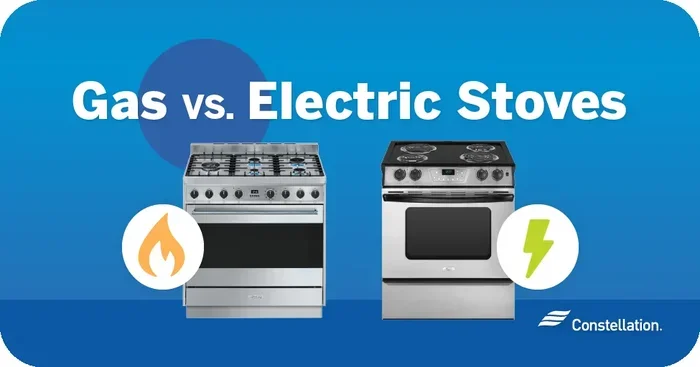
Electric vs Gas Oven Comparison
Not sure which oven type suits your cooking style? Here is a helpful comparison of the two main options. This table breaks down the key differences so you can see the strengths of each oven type at a glance.
| Feature | Electric Oven | Gas Oven |
|---|---|---|
| Energy Source | Electricity | Natural Gas or Propane |
| Heating Method | Metal coils or ribbon elements | Open flame from burner |
| Preheat Time | Slower | Faster |
| Heat Distribution | Very even with convection | Slight temperature variation |
| Moisture Level | Drier heat | More moist heat |
| Installation | Needs electrical outlet | Needs gas line connection |
| Operating Cost | Varies by electricity rates | Varies by gas rates |
| Safety Consideration | No gas leak risk | Requires gas leak awareness |
| Best For | Even baking and broiling | Quick heating and moist cooking |
Both types of ovens have their place in the kitchen. Your choice depends on your cooking habits, your home setup, and your personal preferences. Some professional chefs prefer gas for the control it offers. Many home bakers prefer electric for the consistent, even heat. Neither is objectively better. They are simply different tools for different needs.
What Your Oven Manual Can Tell You
Your appliance manual is one of the most underused resources for identifying your oven. Every oven comes with a manual, either in print or as a digital PDF. This document contains all the details about your specific oven model.
Look for sections titled “Specifications,” “Technical Details,” or “Power Requirements.” These sections will clearly state whether your appliance is electric or gas. They will also list the voltage, wattage, or gas pressure requirements. This information is invaluable when you need to replace parts or schedule repairs.
If you have lost the paper manual, do not worry. Most manufacturers publish digital copies on their websites. Simply search for your brand name followed by “manual” and your oven model number. Within a few minutes, you can download the full document and find the answer you need. This is also a great way to learn about power supply requirements and recommended maintenance.
When to Call a Professional for Help
Most of the time, you can identify your oven type on your own using the tips above. But there are situations where calling a professional makes sense. If you are uncomfortable pulling your oven away from the wall, that is perfectly okay. Safety always comes first.
A licensed technician or appliance specialist can confirm your oven type quickly and safely. They can also check the gas connection for leaks or inspect the electrical outlet for proper grounding. This is especially important in older homes where wiring or gas lines may not meet current safety standards.
You should also call a professional if you notice any warning signs. A persistent gas smell, sparks from the outlet, or unusual noises during operation all warrant expert attention. Do not try to fix gas line issues yourself. Always rely on a trained professional for gas-related repairs and inspections.
Quick Tips for Every Oven Owner
No matter what type of oven you have, a few simple habits will keep it running well. Here are some quick tips every owner should follow:
- Clean the oven door glass regularly so you can monitor heating and flames inside.
- Check the heating element for damage or discoloration after every few uses.
- Keep the gas burner holes clean and free of food debris in gas models.
- Use an oven thermometer to verify accurate temperature settings.
- Replace filters or clean ventilation paths to maintain airflow.
- Store the appliance manual in a safe place or save a digital copy.
These small habits add up over time. They help your oven perform better and last longer. They also keep your kitchen safe and your cooking appliance running efficiently. Whether you have an electric or gas model, maintenance matters.
Common Mistakes People Make When Identifying Their Oven
Many people make simple mistakes when trying to figure out their oven type. Here are a few to avoid:
- Assuming all ovens look the same from the outside: The exterior of a gas and electric oven can be nearly identical. You must look at the inside or the back to tell the difference.
- Ignoring the model number: The model number on the oven model plate tells you everything you need to know. Do not skip this step.
- Confusing a range with a wall oven: A range combines a stovetop and oven. A wall oven is a separate unit installed in a cabinet. Both can be electric or gas.
- Forgetting about dual-fuel options: Some ranges have a gas stove type on top and an electric oven below. Check each component separately.
- Relying only on one method: Always cross-check using multiple methods for the most accurate answer.
Avoiding these mistakes saves time and frustration. It also ensures you get the right parts and maintenance for your specific appliance.
Expert Insights on Choosing Between Electric and Gas
According to appliance experts, the choice between electric and gas often comes down to personal preference and home infrastructure. A gas connection must already exist in your kitchen for a gas oven to work. If your home does not have one, installing a gas line can be expensive and complicated.
On the other hand, an electric oven simply needs a compatible power supply. Most modern homes have the necessary electrical setup already in place. This makes electric ovens the default choice in many households. However, gas ovens are making a comeback among home cooks who appreciate the responsive heat control and moist cooking environment they provide.
Experts also note that newer electric models with convection technology have closed the gap in performance. Many home cooks now find that a high-quality electric oven delivers excellent results for baking and broiling. The best choice is the one that fits your kitchen, your budget, and your cooking style.
Key Takeaways
- Check the energy source: Look for a gas line connection or an electrical outlet behind your oven to identify the type.
- Inspect the heating elements: Electric ovens have metal coils on top and bottom, while gas ovens use a burner with an open flame inside.
- Read the oven manual or model number: The manufacturer label and user guide clearly state whether it is electric or gas.
- Listen and observe during ignition: Gas ovens produce a clicking sound and a visible flame, while electric ovens heat up silently.
- Know the differences: Electric ovens offer even heat for consistent baking, while gas ovens provide moist cooking and faster preheating.
- Call a professional if unsure: A licensed technician can safely confirm your oven type and check for any safety issues.
Conclusion
So, is my oven electric or gas? By now, you should have a clear answer. You have learned several simple methods to identify your oven type without any special equipment. From checking the energy source and inspecting the heating element to listening during oven ignition, each method gives you a reliable clue.
Knowing whether your cooking appliance is electric or gas empowers you as a homeowner and a cook. It helps you choose the right parts, follow proper maintenance routines, and troubleshoot issues confidently. It also keeps your kitchen safe and your energy usage efficient.
Take a few minutes today to confirm your oven type using the tips in this guide. Write down your findings and store them in a safe place. This small step can save you significant time, money, and frustration in the future. Your oven works hard for you every day. Understanding how it works is the least you can do to take care of it.
Whether you have an electric oven or a gas oven, both are capable of producing wonderful meals. The key is knowing your appliance and using it correctly. Now that you have the knowledge, put it to good use. Happy cooking!
Frequently Asked Questions
How can I quickly tell if my oven is electric or gas?
The fastest way is to check the energy source behind your oven. If you see a gas pipe, it is a gas oven. If you see an electrical cord plugged into a power supply outlet, it is electric. You can also open the oven door and look for a flame or metal coils.
Do gas ovens need a special outlet?
No, gas ovens do not need an electrical outlet to operate. They run on natural gas or propane. However, some gas ovens have a small electrical component for the ignition system or clock. This uses very little power and does not require a special outlet.
Can I convert a gas oven to electric or vice versa?
Converting between gas and electric is a significant project that usually requires professional help. You would need to install or remove a gas line or upgrade the electrical outlet and wiring. Always consult a licensed technician before attempting any conversion.
Which oven type is better for baking?
Many bakers prefer electric ovens because they provide very even, consistent heat. The heating element in an electric oven distributes warmth uniformly, which is ideal for delicate baking projects. However, some bakers love the moist heat that gas ovens provide for certain recipes.
Where can I find my oven model number?
Your oven model number is typically printed on a metal plate inside the oven door frame or on the back panel of the appliance. You can also find it in the appliance manual or on the manufacturer’s website by entering the serial number.
Is it safe to use a gas oven without a carbon monoxide detector?
No, it is not safe. Gas ovens produce carbon monoxide during combustion. Every home with a gas oven should have a functioning carbon monoxide detector installed nearby. This simple safety device can protect your family from dangerous gas buildup.
=== SEO TITLE ===
Is My Oven Electric Or Gas Find Out With These Tips
=== META TITLE ===
Is My Oven Electric Or Gas? Find Out With These Tips
=== URL SLUG ===
is-my-oven-electric-or-gas