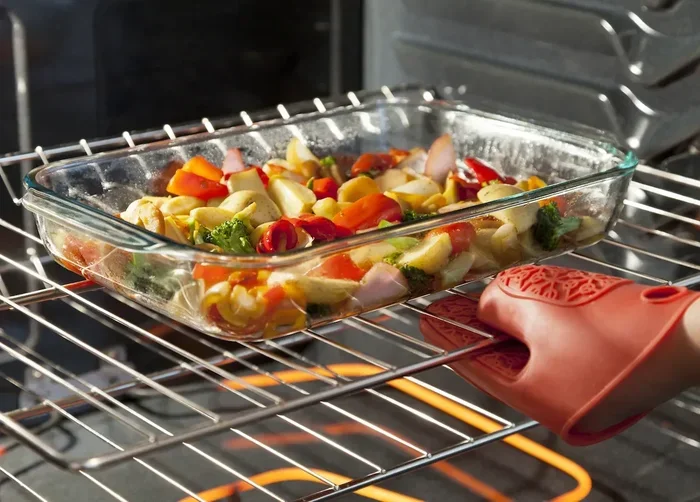
Is Pyrex Oven Safe At 450 And What You Need To Know
Is Pyrex oven safe at 450? The short answer is yes, but only if you follow the rules. Pyrex glassware can handle high heat, yet thermal shock remains a real risk. This guide covers temperature limits, safe practices, and common mistakes so you can bake with confidence.
Is Pyrex oven safe at 450? That is a question many home cooks ask when they are ready to bake a casserole or roast vegetables. The answer is not a simple yes or no. It depends on how you use the dish. Pyrex bakeware can handle high temperatures, but it has limits. Understanding those limits keeps your kitchen safe and your food delicious.
Many people reach for a Pyrex dish because it works for so many recipes. You can mix, store, and bake in the same container. That convenience is a big reason Pyrex cookware is a kitchen staple. Yet, not every Pyrex product handles heat the same way. The glass type, the lid, and the shape all matter. This guide breaks down everything you need to know about using Pyrex at 450 degrees.
Key Takeaways
- Pyrex is oven-safe at 450°F: When used correctly, modern Pyrex bakeware can handle 450 degrees without cracking.
- Thermal shock is the biggest danger: Sudden temperature changes cause the glass to shatter.
- Always preheat the oven: Never place cold Pyrex in a hot oven or on a hot surface.
- Check the product line: Vintage Pyrex and some newer lines may have different limits.
- Avoid direct heat sources: Do not use Pyrex on the stovetop or under the broiler.
- Follow manufacturer guidelines: Read the instructions and stay within the recommended temperature range.
📑 Table of Contents
Is Pyrex Oven Safe At 450? The Short Answer
Yes, most modern Pyrex baking dishes are safe at 450°F. Pyrex oven safe at 450 is true for the standard tempered soda-lime glass used today. However, you must follow a few rules. The dish must be at room temperature before it goes into the oven. You should also avoid placing it on a wet or cold surface while hot. These steps prevent thermal shock, which is the main cause of breakage.
Not all Pyrex items are created equal. A Pyrex mixing bowl or a Pyrex measuring cup is not always rated for the same temperature as a Pyrex baking dish. Always check the bottom of the dish for the oven-safe symbol and maximum temperature. If you own vintage Pyrex made before 1998, the glass is borosilicate and may handle heat differently. But for everyday use, modern Pyrex works fine at 450 degrees when you treat it right.
Understanding Pyrex Glass And Temperature Ratings
What Is Pyrex Made Of?
Pyrex has a long history. The original borosilicate glass was very resistant to thermal shock. It could handle sudden temperature changes without cracking. In the 1990s, the manufacturer switched to soda-lime glass. This new material is cheaper to produce, but it is more sensitive to rapid temperature shifts. Today, most Pyrex bakeware is made from soda-lime glass and is rated to 425°F or 450°F, depending on the product.
Some Pyrex cookware lines use a different type of glass. The company also produces plastic lids, silicone handles, and metal frames. These parts often have their own temperature limits. For example, a Pyrex lid may not be safe above 350°F. Always read the packaging or the website for the specific product you own.
How Pyrex Handles Heat
Pyrex glass heats up slowly and evenly. That is one of its best qualities for baking. A Pyrex casserole dish holds heat well, which helps food cook through. It also stays warm on the table, so you can serve directly from the dish. However, the glass does not like sudden changes. Going from a cold countertop to a 450°F oven can cause the glass to crack or explode.
The key is gradual temperature change. Pyrex oven safe at 450 means the dish can sit inside an oven that is already at 450°F. It does not mean you can put a cold dish into a preheated oven. Always let the dish warm up a bit before it goes into the heat. This simple habit prevents most breakage.
| Pyrex Product | Max Oven Temp | Oven-Safe? |
|---|---|---|
| Pyrex Baking Dish (glass) | 450°F | Yes, when preheated |
| Pyrex Mixing Bowl | 425°F | Yes, for baking only |
| Pyrex Measuring Cup | 425°F | Yes, but not for broiling |
| Pyrex Lid (plastic) | 350°F | No, not at 450°F |
| Vintage Pyrex (borosilicate) | 450°F+ | Yes, but check for cracks |
| Pyrex with Metal Frame | 400°F | Yes, but remove lid first |
Can You Put Pyrex In A 450 Degree Oven?
Pyrex Baking Dishes At 450
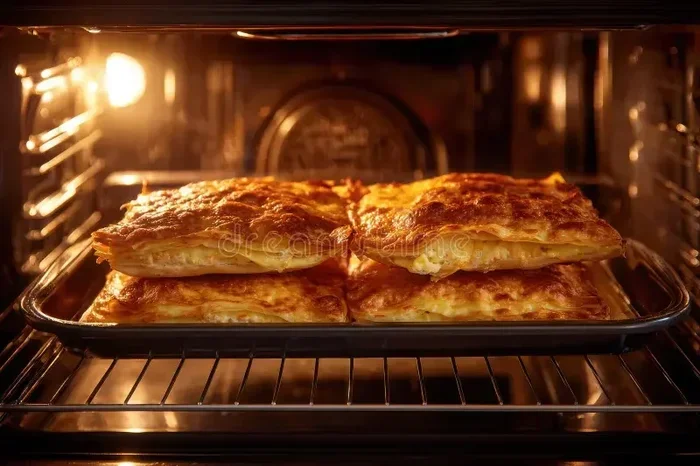
Yes, you can put a Pyrex baking dish in a 450°F oven. This is the standard maximum for most modern Pyrex ovenware. The dish works great for casseroles, lasagna, roasted vegetables, and baked pasta. The glass distributes heat evenly, so you get a nice golden top without burning the edges.
Here are a few practical tips for using Pyrex at 450 degrees:
- Always place the dish on a middle oven rack. This allows air to flow around it.
- Do not set the hot dish on a cold granite or metal surface.
- Use oven mitts when handling the dish. The glass gets hot.
- Avoid using a wet oven mitt, as moisture can cause thermal shock.
Quick Tip: If you are baking a dish that needs a crisp top, you can switch the oven to broil for the last few minutes. But never put the Pyrex dish under the broiler element directly. The intense top heat can crack the glass.
Pyrex Lids And Covers
Many people wonder about the Pyrex lid. The plastic lids that come with newer Pyrex sets are not oven-safe at 450°F. They are rated for up to 350°F and are meant for storage, not baking. If you want to cover a dish while it bakes, use aluminum foil or a separate oven-safe lid made of glass or metal. Never put a plastic lid inside a hot oven.
Some older Pyrex sets included glass lids. Those glass lids are often oven-safe, but you must check the maximum temperature. A Pyrex glass lid can usually handle 450°F, but the seal may not be tight. Always leave a small gap for steam to escape.
The Danger Of Thermal Shock
What Causes Pyrex To Shatter
Thermal shock is the biggest enemy of Pyrex glass. It happens when one part of the glass expands faster than another part. For example, if you place a cold dish on a hot stove burner, the bottom heats up quickly while the top stays cool. The uneven expansion creates stress inside the glass. That stress leads to cracks or sudden shattering.
Thermal shock can occur in several everyday situations:
- Moving a Pyrex dish from the refrigerator straight into a hot oven.
- Placing a hot dish on a cold, wet countertop.
- Adding cold liquid to a hot Pyrex measuring cup.
- Setting a hot dish near a drafty window or cold surface.
Even though modern Pyrex oven safe at 450 is more durable than many people think, it still cannot handle extreme temperature jumps. The glass needs time to adjust.
How To Prevent Thermal Shock
Prevention is simple. Follow these steps every time you use Pyrex bakeware:
- Take the dish out of the refrigerator at least 15 minutes before baking.
- Place the dish in a cold oven, then turn the oven on.
- Let the dish cool on a dry, room-temperature surface after baking.
- Never run hot Pyrex glassware under cold water.
- Add room-temperature liquid to a warm dish, not a cold one.
Common Mistake: Many people think a Pyrex dish is dishwasher-safe, so they run it under hot water right after taking it from the oven. This can cause the glass to crack. Always let the dish cool completely before washing it.
Expert Insight: According to Pyrex manufacturer guidelines, the dish should be at room temperature before it enters any heat source. This rule applies to ovens, microwaves, and even dishwashers. Following this simple advice extends the life of your Pyrex cookware for years.
Pyrex Oven Safety Tips And Best Practices
Preheating Your Oven With Pyrex
You can preheat the oven with a Pyrex dish inside, but only if the dish is at room temperature. Do not put a cold dish into a preheated oven. Instead, place the empty dish in the cold oven first, then set the temperature. As the oven heats up, the dish heats up slowly and evenly. This method is the safest way to use Pyrex at 450 degrees.
If you forget and need to preheat quickly, take the dish out. Let the oven come to temperature, then place the room-temperature dish back in. A little extra time is worth avoiding a broken dish.
Using Pyrex On The Stovetop Or Under The Broiler
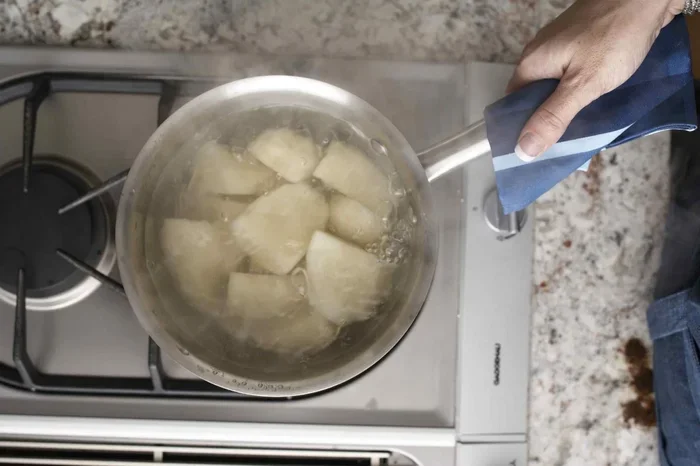
Pyrex glassware is not designed for direct stovetop use. The bottom of the dish can heat up too fast from the flame or electric coil, causing uneven expansion. Do not place a Pyrex baking dish on a burner, even on low heat. The same goes for the stovetop simmer plate. Use a metal saucepan for stovetop cooking.
The broiler is also a risk zone. The intense direct heat from the top element can crack Pyrex ovenware. If you want to finish a dish under the broiler, transfer the food to a metal pan first. Never leave a Pyrex dish unattended under the broiler.
Quick Tip: If you need to keep food warm on the table, a Pyrex casserole dish works well. Just place a trivet or folded kitchen towel under it. This protects the glass from cold surfaces and adds a buffer against heat loss.
What To Do If Your Pyrex Breaks
Cleaning Up Broken Glass
Accidents happen. If your Pyrex dish shatters in the oven, stay calm. Turn off the oven and let it cool completely. Do not open the door right away if the glass is still hot. Once cool, carefully remove the large pieces. Use a damp paper towel to pick up tiny shards. You can also use a piece of bread to dab up small fragments. Dispose of all glass in a sturdy container.
Never use bare hands to pick up glass from a hot oven. Wait until it is safe to touch. If the glass broke inside the oven, check the oven floor for any remaining slivers. A flashlight helps you spot tiny pieces.
Warranty And Replacement
Modern Pyrex products come with a limited warranty. If your dish breaks due to a manufacturing defect, you may be eligible for a replacement. However, breakage from thermal shock or misuse is not covered. Keep your receipt and the original packaging if you plan to make a warranty claim. You can also visit the Pyrex website for customer service contact information.
Common Mistake: Some people try to glue broken Pyrex glass and continue using it. This is not safe. Even a small crack can grow and cause the dish to break during baking. Replace any damaged Pyrex cookware immediately.
Conclusion
So, is Pyrex oven safe at 450? Yes, it is. Modern Pyrex bakeware can handle 450 degrees when you follow the basic rules. Avoid sudden temperature changes, check the product rating, and never use plastic lids or non-oven-safe parts. With proper care, your Pyrex dishes will last for years and serve you countless meals.
Remember that thermal shock is the real enemy. Treat your Pyrex glassware gently, and it will reward you with even baking and easy cleanup. Whether you are making a weeknight casserole or a holiday lasagna, a Pyrex baking dish is a reliable tool. Now you know exactly how to use it safely at 450 degrees. Go ahead and bake with confidence.
Frequently Asked Questions
Can I put a cold Pyrex dish in a 450 degree oven?
No, you should never place a cold Pyrex dish into a preheated 450°F oven. The sudden temperature change can cause thermal shock, which may crack or shatter the glass. Always let the dish come to room temperature first, or place it in a cold oven and then heat it up.
Is vintage Pyrex safe at 450 degrees?
Vintage Pyrex made before 1998 is borosilicate glass, which is more resistant to thermal shock. It can generally handle 450°F, but you should still avoid sudden temperature changes. Check the dish for any chips or cracks before using it at high heat.
Can I use Pyrex under the broiler at 450 degrees?
No, Pyrex is not safe under the broiler. The direct, intense heat from the broiler element can crack the glass. If you need a broiler-safe dish, use a metal pan instead. Transfer your food from the Pyrex to the metal pan before broiling.
What is the maximum temperature for Pyrex lids?
Most modern Pyrex plastic lids are rated for up to 350°F. They are not safe at 450°F. If you need to cover a dish while baking at 450°F, use aluminum foil or a separate glass or metal lid that is oven-safe.
Can I put Pyrex in the dishwasher after it comes out of the oven?
You should let Pyrex cool completely before washing it. Placing hot Pyrex in a dishwasher or under cold water can cause thermal shock. Once the dish is at room temperature, it is safe to wash by hand or in the dishwasher.
Why did my Pyrex dish explode in the oven?
The most common reason is thermal shock. This happens when the glass experiences a sudden temperature change, such as going from the fridge to a hot oven, or from a hot oven to a cold countertop. Even at 450°F, a cold dish can crack or shatter due to uneven expansion.