What Oven Temp To Keep Warm and Ready for Serving Today
Finding the right oven temp to keep warm is crucial for serving delicious meals without overcooking. Most experts recommend a low holding temperature between 170°F and 200°F to keep food safe and ready. Using the right low heat setting ensures your meal prep stays hot and tastes fresh when your guests arrive.
Key Takeaways
- Safe Zone is Key: Always keep your oven between 170°F and 200°F to prevent bacteria growth and ensure food safety.
- Avoid Drying Out: Use a water pan or oven-safe dish with foil to maintain moisture while keeping warm.
- Check with a Thermometer: A reliable oven thermometer is essential because dial settings can be inaccurate.
- Don’t Forget the Door: Leaving the oven door ajar slightly can help regulate heat for delicate dishes.
- Meal Prep Friendly: This culinary standby technique makes hosting stress-free and keeps food at buffet warming perfection.
📑 Table of Contents
- The Perfect Oven Temp To Keep Warm for Stress-Free Entertaining
- The Ideal Temperature Range for Keeping Food Warm
- How to Keep Food Warm in the Oven Without Drying It Out
- Common Mistakes People Make When Keeping Food Warm
- Oven Temp To Keep Warm vs. Slow Cooker: Which is Better?
- Tools and Tricks for Perfect Buffet Warming
- Final Thoughts on Using Your Oven for Warm Keeping
The Perfect Oven Temp To Keep Warm for Stress-Free Entertaining
Hosting a dinner party can be a joy, but keeping everything hot at the right time can feel tricky. You want your food to taste just as good when served as it did when it first came out of the oven. The secret lies in knowing the exact oven temp to keep warm. Many home cooks guess, which leads to dry chicken or soggy vegetables. Instead, you can master this skill with a few simple techniques. Keeping food warm is not just about turning a dial. It is about understanding heat, time, and food safety.
When you prepare a big meal, timing is everything. You might finish cooking your roast an hour before your guests sit down. What do you do in that gap? You need a holding temperature that keeps bacteria away but does not cook the food further. This is where your oven becomes a culinary standby. It transforms from a cooking tool into a warm holding station. By the end of this guide, you will know exactly how to use your oven for meal prep and serving. You will feel confident and relaxed when it is time to eat.
The difference between a good meal and a great meal often comes down to the final moments before serving. If your food is too cold, people get distracted by the chill. If it is too hot or dried out, the quality suffers. Finding that perfect balance is what this article is all about. We will walk you through everything you need to know. From the exact degrees to the best tools, you will have all the answers right here. Let us dive into the world of keeping food warm and make your next gathering a huge success.
One of the most common questions home cooks ask is whether they should just leave the food on the counter. While resting meat on the counter works for a short time, it is not safe for longer periods. The food safety temperature guidelines are clear about this. Bacteria grow rapidly between 40°F and 140°F. This is why your oven is the best tool for the job. It provides a controlled environment that keeps your food both warm and safe. You can focus on making dessert or setting the table instead of worrying about your main course.
Why Your Final Oven Temp Matters So Much
The temperature you choose has a direct impact on the quality of your food. If you set the oven too high, your roast will continue to cook. This can turn a juicy piece of meat into a dry brick. On the other hand, if the temperature is too low, your food might enter the danger zone. The danger zone is between 40°F and 140°F. In this range, harmful bacteria multiply rapidly. Nobody wants a foodborne illness at their gathering. Finding the low heat setting that works best is essential. It keeps your dishes at a safe food safety temperature without ruining the texture.
Think of your oven as a cozy blanket for your meal. You do not want to roast it further. You just want to maintain its warmth. This is especially true for dishes like lasagna or casseroles. They often taste even better after sitting for a while. But they need gentle heat to stay at their best. A digital temperature gauge can help you monitor the exact conditions inside your oven. This removes all the guesswork from the equation. When you know exactly what is happening inside, you can relax and enjoy your prep time.
Different ovens behave differently. A conventional oven relies on static heat, which can create hot spots. A convection oven uses a fan to circulate the air, which heats more evenly. If you have a convection oven, you might need to lower the warming temperature by about 25 degrees. The moving air can dry out food faster if you are not careful. Always pay attention to how your specific oven handles a low heat setting. Every machine is unique, and learning your oven’s quirks is half the battle.
The Science Behind Keeping Food Warm
Understanding a little bit of science makes this process much easier. Heat moves from warm areas to cool areas. This is called thermal equilibrium. When you place a hot dish in a warm oven, the heat surrounds the food evenly. This prevents cold spots from forming. Cold spots are the enemy of a great meal. They can lead to uneven textures and temperatures.
Another important factor is moisture. When food cools, it loses steam. If your oven is too hot, it will suck that moisture away quickly. This leaves your food dry and unappetizing. By keeping the oven at a gentle warming temperature, you trap that steam inside. The food stays moist and flavorful. Using an oven-safe dish also helps retain moisture. Glass and ceramic dishes hold heat better than thin metal pans. They act as little heat reservoirs, releasing warmth slowly over time. This slow release is exactly what you want for long dinner parties.
Thermal mass is another concept to keep in mind. Heavy dishes take longer to heat up, but they also take longer to cool down. This is why a thick cast iron skillet keeps food warm longer than a thin aluminum pan. When you are planning your buffet warming strategy, consider the weight and material of your cookware. The right pan makes a surprising difference in how long your meal stays at the perfect serving temperature. Heavy stoneware is particularly excellent for this task because it stores a lot of heat.
The Ideal Temperature Range for Keeping Food Warm
So, what is the magic number? Most experts agree that the best oven temp to keep warm falls between 170°F and 200°F. This range is low enough to stop further cooking but high enough to keep food out of the danger zone. It is the perfect buffet warming zone for almost any dish.
However, not all foods are created equal. A dense roast needs different care than a delicate sauce. Let us look at the specific temperatures for different types of meals. This will help you tailor your approach for every dish on your table. Having a clear plan means less stress in the kitchen.
Understanding the 170°F to 200°F Sweet Spot
Setting your oven to 170°F is a great baseline. At this temperature, your food stays warm without drying out. It is perfect for breads, rolls, and lighter dishes. If you are serving a big pot roast or a whole chicken, 200°F might be better. The slightly higher heat ensures the center of the food stays warm too. Always use an oven thermometer to verify your oven’s actual temperature. Many ovens run hot or cold compared to their dial settings. A cheap thermometer from the hardware store is all you need to avoid overcooking.
Here is a quick look at how different foods respond to this low heat setting:
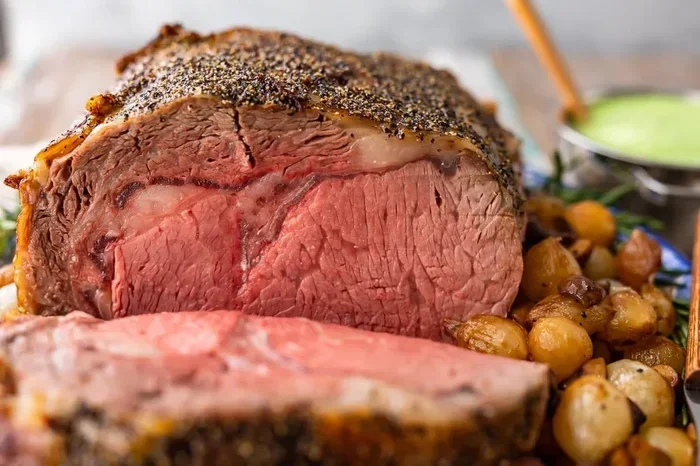
- Roasts and Meats: 200°F keeps them juicy and safe.
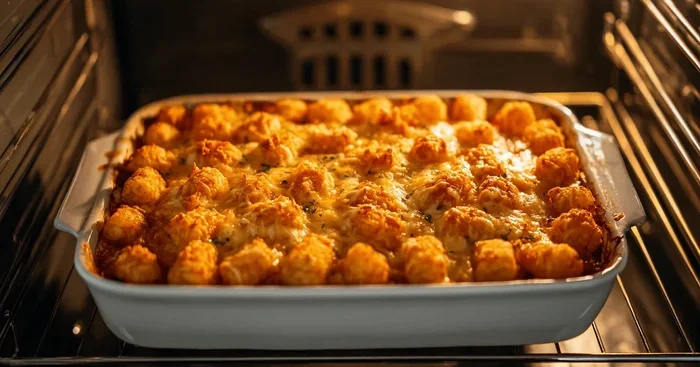
- Casseroles and Lasagnas: 175°F prevents the edges from burning.
- Bread and Rolls: 170°F keeps them soft and warm.
- Vegetables: 180°F maintains their texture without shriveling.
- Sauces and Gravies: 160°F prevents scorching and boiling over.
How Different Foods Need Different Warming Temps
You cannot treat a chocolate cake the same way you treat a savory beef stew. Each dish has its own needs. For example, you should never put a delicate souffle in a 200°F oven. It will collapse. Instead, keep it at 160°F or simply rely on residual heat. Meanwhile, a heavy chunk of meat benefits from the full 200°F. Knowing your dish helps you choose the right holding temperature.
Sauces and gravies are tricky. They can scorch easily on the bottom of a pan. To keep them warm safely, use a double boiler setup inside the oven. Place the saucepan inside a larger pan filled with water. This creates a gentle simmering effect without direct heat. This trick is a lifesaver for holiday dinners and special occasions. It gives you peace of mind that your expensive sauce will not ruin.
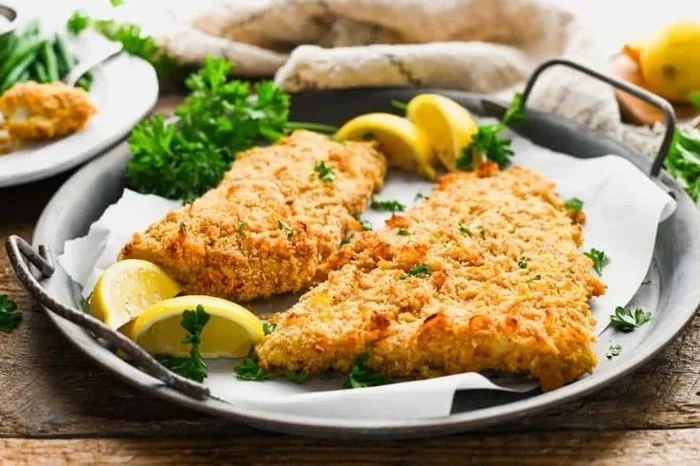
For fried foods like chicken or french fries, you actually want a slightly higher temperature. Try 225°F to keep them crispy. The extra heat drives off moisture that would otherwise make the coating soggy. This is a great trick for meal prep days when you want to cook everything ahead of time. You can reheat in the oven right before serving and still maintain that perfect crunch.
| Food Type | Recommended Temp | Why This Works |
|---|---|---|
| Roasts and Poultry | 200°F | Keeps the interior hot without drying out the exterior. |
| Casseroles and Baked Dishes | 175°F | Prevents edges from burning while keeping the center warm. |
| Breads and Pastries | 170°F | Maintains softness and moisture without over-baking. |
| Vegetables | 180°F | Preserves texture and color without shriveling. |
| Sauces and Gravies | 160°F | Prevents scorching and boiling over. |
| Fried Foods | 225°F | Keeps the coating crispy by driving off moisture. |
How to Keep Food Warm in the Oven Without Drying It Out
Now that you know the right oven temp to keep warm, let us talk about technique. Heat alone is not enough. You need to protect your food from drying out. This is where a few simple tricks come into play. These methods will keep your meals looking and tasting restaurant-quality. Even if you are a beginner, these steps are incredibly easy to follow.
The Magic of the Water Pan Method
One of the best ways to keep food moist is to add moisture to the oven. You can do this by placing a shallow pan of hot water on the rack below your food. The steam creates a humid environment. This humid environment stops your dishes from losing their juices. It is especially helpful for roasts and baked pasta. The steam acts like a natural insulated pan helper. It surrounds the food with gentle warmth instead of harsh, dry heat.
Make sure the water is hot before putting it in the oven. Cold water will drop the oven temperature too much. You want to maintain that steady holding temperature. This is a small step that makes a huge difference. Your food will stay tender and juicy for up to an hour this way. You can also add herbs to the water for an extra burst of aroma. As the steam rises, it carries those lovely scents through your kitchen, making the whole house smell amazing.
Wrapping and Foil Techniques
Foil is your best friend when it comes to buffet warming. Tightly wrapping your roast in aluminum foil locks in the juices. It creates a barrier that reflects heat back onto the food. This keeps the surface from drying out. However, you should not leave food wrapped in foil for too long. The trapped steam can make the exterior soggy after a couple of hours. If you are using foil, you should vent it slightly. Poke a few small holes in the top to let excess moisture escape. This keeps the balance between moist and soggy.
For dishes like baked potatoes or grilled vegetables, you can wrap them loosely. This allows some air to circulate while still keeping them warm. If you are warming bread, wrap it in a clean kitchen towel instead of foil. The towel absorbs excess moisture and keeps the crust crispy. These little adjustments make a big impact on the final result. You will notice the difference in texture right away.
When wrapping large roasts, start from the bottom and fold up tightly. Then, fold the sides inward to create a snug package. This method traps the maximum amount of heat and moisture. For smaller items like dinner rolls, a loose tent of foil works perfectly. The goal is always to balance heat retention with moisture control.
Using Residual Heat Effectively
Sometimes, you do not need the oven on at all. Many foods stay warm for a long time just from their own residual heat. This is the heat trapped inside the food after cooking. A thick roast can stay warm for 30 to 45 minutes simply by sitting on the counter. You can tent it with foil to hold that heat in longer. This is a great meal prep strategy. It gives you time to finish side dishes or set the table. You save energy and keep your kitchen cool.
Just make sure you check the internal temperature with a meat thermometer. You want to ensure it stays above 140°F for safety. If it drops too low, you must reheat it or move it to the oven. Understanding residual heat helps you plan your cooking timeline better. You will not be scrambling to keep things warm at the last minute. It gives you a buffer of time to handle any unexpected delays.
Common Mistakes People Make When Keeping Food Warm
Even experienced cooks make errors when trying to keep dishes warm. Avoiding these pitfalls will elevate your hosting skills. Let us look at the most common mistakes and how to fix them quickly and easily.
Cranking the Heat Too High
The biggest mistake is setting the oven too high. Some people think a hotter oven will keep food warm faster. This is completely wrong. A high low heat setting will overcook your food. It will turn moist meat into dry, tough leather. Always stick to the 170°F to 200°F range. Patience is the key to perfect warming temperature results. Remember, you are not cooking; you are just maintaining warmth.
Forgetting to Check the Internal Temperature
You cannot just guess if the food is warm enough. The outer layers might be hot, but the center could be cold. This is a food safety risk. Use a digital temperature gauge to check the thickest part of the dish. If it is below 140°F, you need to increase the oven temp slightly or let it cook longer. This simple step keeps your guests safe and happy. It takes just a few seconds and can prevent a lot of trouble.
Leaving the Oven Door Wide Open
Leaving the door wide open drops the oven temperature significantly. The warm air escapes immediately. This forces your oven to work harder to recover the heat. It also wastes energy. If you need to check on your food, open the door just a crack. This retains the heat while letting you peek at your meal. A slight oven door ajar can help regulate heat for delicate items like custards. It prevents the eggs from curdling due to too much direct heat.
Quick Tips for Success
- Always preheat your oven to the holding temperature before putting the food in.
- Use a thermal probe to check the food, not just the oven air.
- Rotate your dishes halfway through if your oven has hot spots.
- Never leave food in the warming oven for more than two hours.
- Keep a log of what works best for your specific oven model.
Oven Temp To Keep Warm vs. Slow Cooker: Which is Better?
Many people wonder if they should use a slow cooker instead of the oven for keeping food warm. Both methods have their pros and cons. A slow cooker is great for soups and stews because it has a built-in warming setting. It also uses less energy than heating a large oven. However, a slow cooker cannot hold a roast or a casserole as effectively as an oven can.
The oven offers more flexibility and better heat circulation. It is the superior choice for a wide variety of dishes. If you are preparing a multi-course meal, the oven allows you to warm plates and hold multiple dishes at once. A slow cooker is limited to what fits inside its ceramic insert. For large gatherings, the oven is definitely the way to go.
When deciding between using your oven or a slow cooker for buffet warming, consider the type of food you are serving. For items that need to stay crispy or maintain a firm texture, the oven wins hands down. Slow cookers are designed to trap moisture, which is great for stews but terrible for crispy chicken skin or roasted vegetables. The dry heat of the oven ensures your sides retain their intended texture. This is especially important for holiday meals where the roast and sides all need to shine. A slow cooker is better suited for dips, sauces, and liquid-heavy dishes that benefit from a moist environment. Think of the oven as your main stage for warm keeping, and the slow cooker as your supporting actor for specific recipes.
Energy efficiency is another factor to consider. Running a large oven for hours can use a lot of electricity or gas. If you are only keeping a single dish warm, a slow cooker might be the greener choice. However, if you are warming multiple dishes and plates at once, the oven is more efficient overall. It uses one heat source for many items. Plan your meal prep timeline to see which method makes the most sense for your specific dinner party setup.
Tools and Tricks for Perfect Buffet Warming
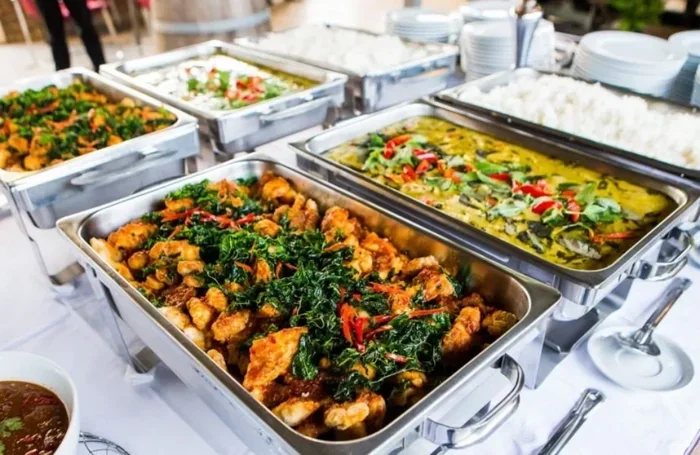
Having the right tools makes the job of keeping food warm so much easier. You do not need fancy equipment, but a few essentials help. These tools ensure your buffet warming setup runs smoothly and safely. Investing a little time in preparation pays off big time when the guests arrive.
Why You Need an Oven Thermometer
Your oven dial is not always accurate. In fact, many ovens are off by 25 degrees or more. This is why an oven thermometer is a non-negotiable tool. You place it inside the oven, and it tells you the true temperature. This lets you adjust the dial to hit that perfect 170°F to 200°F range. Without one, you are just guessing. Guessing leads to dried out food or unsafe temperatures.
Cheap oven thermometers are very accurate and cost just a few dollars. They are a small investment that pays off big time. You will use it every time you cook, not just for warming. It is one of the best kitchen gadgets for any home cook. Get one today and notice the difference in your cooking results immediately.
Insulated Pans and Serving Platter Tips
When you transfer food from the oven to the table, it starts to cool quickly. To fight this, use thick, heavy serving platters. Cast iron and ceramic dishes retain heat much longer than thin glass or plastic. You can also warm your serving dishes in the oven before you use them. A warm platter keeps your food at the right serving temperature for longer. This is a pro move that makes a big difference at the table.
Another great trick is to use insulated carriers for dishes that need to stay in the kitchen. This is perfect for side dishes that you bring out in batches. It keeps the even heat distribution consistent so the last serving is just as warm as the first. Your guests will never know you prepared everything ahead of time. It just looks like you are a natural entertainer.
For the best results, always preheat your serving platters in the oven for about five minutes before placing the hot food on them. This prevents the cold platter from stealing heat away from your dish right away. It is a small step that shows your guests you care about every detail of their dining experience.
Final Thoughts on Using Your Oven for Warm Keeping
Mastering the oven temp to keep warm changes the way you host and cook. It takes the stress out of mealtime and lets you enjoy the party too. Remember to stay between 170°F and 200°F for safety and quality. Use foil and water pans to keep moisture in. Avoid the trap of turning the heat up too high. With these tips, your food will always be ready to serve and absolutely delicious.
Next time you are preparing a big dinner, put these techniques to the test. You will be amazed at how easy it is to keep everything hot. Your guests will never know the secret behind those perfectly warm, moist dishes. They will just enjoy the fantastic meal you put together. Happy cooking and hosting!
There is something truly special about sitting down to a meal where everything is perfectly warm and ready. It shows care, attention to detail, and love for your guests. By mastering the oven temp to keep warm, you remove all the last-minute kitchen stress. You can take a deep breath, put on some music, and enjoy the company of your friends and family. The food will take care of itself.
Remember that practice makes perfect. The more you use these warming temperature techniques, the more natural they will feel. You will develop an intuition for how your oven works and what your favorite dishes need. Do not be afraid to experiment and find what works best for your kitchen. Every oven is different, and every meal is a new opportunity to learn. Embrace the process and enjoy the delicious results. Your next dinner party will be a huge hit.
Frequently Asked Questions
What is the danger zone for food temperatures?
The danger zone is between 40°F and 140°F. In this range, harmful bacteria multiply rapidly, making food unsafe to eat. This is why keeping food at a proper oven temp to keep warm is so important for food safety.
Can I use aluminum foil to keep food warm?
Yes, foil is excellent for buffet warming because it locks in juices and reflects heat back onto the food. However, you should vent the foil slightly to prevent moisture from making the exterior soggy, and avoid leaving food wrapped in foil for more than two hours.
How long can I keep food warm in the oven?
Most foods can safely stay warm in the oven for up to two hours at the correct holding temperature. After that, the quality starts to decline, and bacteria can begin to grow. Always check the internal temperature to ensure it stays above 140°F.
Do I need to preheat the oven for keeping food warm?
Yes, you should always preheat your oven to the desired warming temperature before placing the food inside. This ensures an even, consistent low heat setting from the start, which prevents cold spots and keeps your meal prep safe.
Is a warming drawer better than the oven for keeping food warm?
A warming drawer is great for delicate items like dinner rolls or plates because it provides gentle, even warmth. However, for larger dishes like roasts and casseroles, the oven is much more effective and versatile. The oven is the best culinary standby for most keeping food warm needs.
What if my oven runs hot or cold?
Many ovens are off by 25 degrees or more from their dial settings. This is why using an oven thermometer is essential. It tells you the true temperature inside, allowing you to adjust the dial to hit that perfect keeping warm range safely.