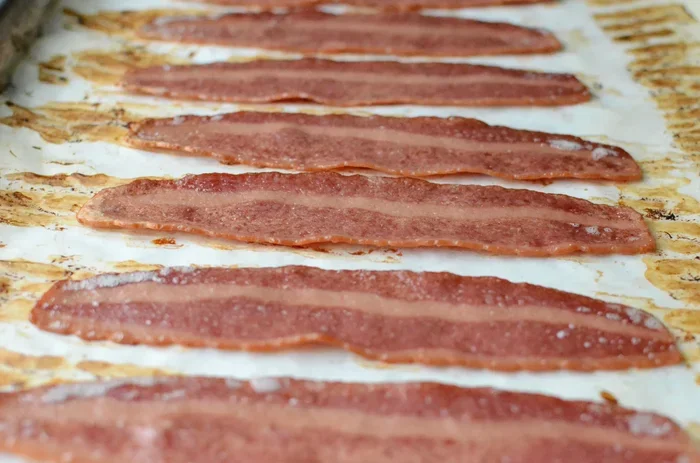
What Temp To Cook Turkey Bacon In Oven The Right Way
Cooking turkey bacon in the oven is the easiest way to get crispy, evenly cooked strips every single time. The ideal oven temperature for turkey bacon is between 375°F and 400°F, depending on how crispy you like it. This guide covers baking turkey bacon temperatures, cook times, and simple tricks that take your oven-baked bacon from good to amazing. Whether you are a beginner or a breakfast pro, you will find everything you need right here.
There is something deeply satisfying about pulling a tray of crispy turkey bacon out of the oven. The smell fills the kitchen, the edges are perfectly golden, and you know you are about to have a breakfast that is both delicious and a little lighter than the traditional route. If you have ever wondered about the right oven temperature for turkey bacon, you are in the right place.
This guide walks you through everything you need to know about what temp to cook turkey bacon in oven. From the best heat settings to timing tricks and common pitfalls, we have got you covered. Whether you are meal prepping for the week or cooking a weekend breakfast for the family, nailing the right oven-baked bacon technique makes all the difference.
Turkey bacon has become a staple in many kitchens, and for good reason. It offers a familiar smoky, savory flavor with less fat and fewer calories than regular pork bacon. But here is the thing: turkey bacon behaves differently than traditional bacon. It cooks faster, it can dry out easily, and it needs a slightly different approach. That is exactly why knowing the correct baking turkey bacon temperature matters so much.
Key Takeaways
- Best Temperature: Cook turkey bacon at 375°F to 400°F for the perfect balance of crispy edges and tender meat.
- Cook Time: Most turkey bacon needs 15 to 25 minutes in the oven, depending on thickness and desired crispiness.
- Healthy Choice: Turkey bacon is a lower fat bacon alternative that still delivers big flavor.
- Prep Matters: Lining your baking sheet with parchment paper makes cleanup a breeze and promotes even cooking.
- Avoid Common Mistakes: Overcrowding the pan and skipping the grease tray are the top errors people make.
- Broiling Option: A quick broil at the end adds extra crunch without extra cook time.
📑 Table of Contents
The Best Oven Temperature For Turkey Bacon
The short answer to what temp to cook turkey bacon in oven is 375°F to 400°F. This range works beautifully for most brands and styles of turkey bacon. But let us dig deeper into why this range is the sweet spot and how small adjustments can change your results.
Why 375°F to 400°F Works So Well
At 375°F, the heat surrounds the bacon strips gently and evenly. This lower end of the range is perfect if you prefer a chewier, more tender texture. The fat renders slowly, keeping the meat moist while the edges start to crisp up.
At 400°F, things move a bit faster. The higher heat creates a more dramatic temperature difference between the surface and the interior of the strip. This leads to crispier edges and a slightly more pronounced crunch. Most people find this temperature ideal for crispy turkey bacon.
Going above 400°F is not recommended. The bacon fat can splatter aggressively, and the strips may burn before the inside has a chance to cook properly. Going below 350°F takes too long and can leave the bacon soggy instead of crispy.
Temperature Comparison Table
| Oven Temperature | Best For | Approximate Cook Time | Texture Result |
|---|---|---|---|
| 350°F | Thin-cut turkey bacon | 20-25 minutes | Chewy, slightly soft |
| 375°F | Standard turkey bacon | 15-20 minutes | Balanced crispy and tender |
| 400°F | Thick-cut turkey bacon | 12-18 minutes | Very crispy, golden edges |
| 425°F | Quick broil finish only | 2-4 minutes (broil) | Extra crunchy, high risk of burning |
As you can see, the oven temperature for turkey bacon really depends on what you are going for. Most home cooks do best sticking with 375°F as their default. It is forgiving, reliable, and produces consistently great results.
Step-by-Step Guide To Baking Turkey Bacon
Now that you know the right temperature, let us walk through the actual process. Following these steps will give you perfectly baked turkey bacon every time.
Step 1: Preheat Your Oven
Always preheat your oven before placing the turkey bacon inside. This is one of the most overlooked steps, but it matters. A preheated oven ensures the bacon starts cooking immediately at the right oven temperature for turkey bacon. Set your oven to 375°F and give it at least 10 minutes to reach the target heat.
Step 2: Line Your Baking Sheet
Grab a rimmed baking sheet and line it with parchment paper or a silicone baking mat. This simple step prevents sticking and makes cleanup incredibly easy. You can also use aluminum foil, but parchment paper is better for even heat distribution.
Quick Tip: Place a wire rack on top of your baking sheet if you have one. This allows air to circulate underneath the bacon, promoting more even cooking turkey bacon and reducing grease buildup.
Step 3: Arrange the Strips
Lay the turkey bacon strips flat on the baking sheet. Leave a small gap between each strip so the hot air can flow around every piece. Do not overlap or crowd the pan. Overcrowding is the number one reason people end up with unevenly cooked or soggy bacon.
If you are cooking a large batch, use two baking sheets and rotate them halfway through the cook time. This ensures every strip gets equal exposure to the heat.
Step 4: Place in the Oven
Put the baking sheet on the middle oven rack. The middle position is ideal because it allows heat to circulate evenly around the bacon. Avoid placing the pan too close to the top or bottom heating elements, as this can cause uneven browning.
Step 5: Cook and Monitor
Set a timer for 12 minutes and start checking the bacon. Most turkey bacon strips are done between 15 and 20 minutes at 375°F. But every oven is slightly different, so keep a close eye on it.
Use tongs to flip the strips halfway through cooking. This promotes even cooking on both sides and helps achieve a consistent texture across all the strips.
Step 6: Drain and Serve
Once the bacon reaches your desired level of crispiness, remove it from the oven. Place the strips on a plate lined with paper towels to absorb excess grease. Let them cool for a minute or two before serving. The bacon will continue to crisp up slightly as it cools.
Turkey Bacon Vs Regular Bacon: What Is Different
Understanding the differences between turkey bacon and regular pork bacon helps you adjust your cooking approach. These two products are not interchangeable in every way, and treating them the same can lead to disappointing results.
Fat Content and Rendering
Turkey bacon contains significantly less fat than regular bacon. This is both a benefit and a challenge. Less fat means fewer calories and less grease splatter, which is great for your kitchen and your health. But it also means turkey bacon can dry out more quickly if you cook it too long or at too high a temperature.
Regular pork bacon has plenty of fat to render out slowly, which naturally keeps the meat moist during cooking. Turkey bacon does not have that same buffer, so you need to be more precise with your oven temperature for turkey bacon and your timing.
Texture and Flavor Differences
Turkey bacon tends to be leaner and slightly drier than pork bacon. It has a milder smoky flavor and a firmer texture when cooked. Many people enjoy it as a healthy bacon alternative because it fits well into low-fat and calorie-conscious diets.
The turkey bacon nutrition profile is impressive. A typical serving of turkey bacon contains about 30 to 40 calories and 2 to 3 grams of fat, compared to roughly 45 calories and 4 grams of fat for the same serving of pork bacon. That might not sound like a huge difference, but it adds up over time.
Cooking Adjustments You Need to Make
Because turkey bacon has less fat, you should:
- Avoid temperatures above 400°F to prevent drying out
- Check for doneness a few minutes earlier than you would with pork bacon
- Let the bacon rest on paper towels after cooking to absorb surface grease
- Do not skip the preheating step since turkey bacon needs consistent heat from the start
Tips For Perfectly Crispy Turkey Bacon
Getting crispy turkey bacon in the oven is an art, but it is a very learnable one. Here are some tried-and-true tips that elevate your results every single time.
Use Parchment Paper
This might be the single best tip for baking turkey bacon. Parchment paper prevents sticking, reduces grease splatter, and promotes even browning. It is a small change that makes a big difference.
Do Not Overlap the Strips
We mentioned this earlier, but it deserves repeating. Overlapping strips trap steam, which creates soggy, unevenly cooked bacon. Give each strip its own space on the pan. If you need to cook more, use a second tray.
Try the Low and Slow Approach
Some cooks prefer to set their oven to 350°F and cook the turkey bacon for a longer period. This low and slow cooking method produces a more uniform texture and reduces the risk of burning. The trade-off is slightly less crispiness, but the flavor is excellent.
Add a Light Brush of Oil
Because turkey bacon has less fat, a very light brush of olive oil or avocado oil on the strips before baking can help them crisp up beautifully. Use just a tiny amount, about half a teaspoon spread over the entire baking sheet. Too much oil will make the bacon greasy instead of crispy.
Experiment with the Broiler
For an extra-crispy finish, switch your oven to the broil setting for the last 2 to 3 minutes of cooking. Watch it like a hawk during this step because the broiler can go from perfect to burnt in seconds. This technique adds a beautiful golden-brown finish to your oven-baked bacon.
Quick Tips Section
- Always preheat. Cold ovens lead to uneven cooking and longer bake times.
- Use a rimmed baking sheet. This catches grease and prevents spills in your oven.
- Flip halfway through. This single step dramatically improves evenness.
- Let the bacon rest on paper towels. This removes surface grease and boosts crispiness.
- Store leftovers properly. Cool completely and store in an airtight container for up to 5 days.
Common Mistakes To Avoid
Even experienced cooks make mistakes when they first start baking turkey bacon. Here are the most common errors and how to avoid them.
Skipping the Preheat
Some people throw the turkey bacon into a cold oven and just set the temperature. This is a mistake. A cold start means the bacon sits in its own grease for too long before the heat kicks in, leading to uneven cooking and a less satisfying texture. Always preheat to your target oven temperature for turkey bacon before adding the pan.
Overcrowding the Pan
It is tempting to fit as many strips as possible onto one sheet. But overcrowding traps steam and creates patches of soggy bacon. Give each strip room to breathe. If you need to cook a large batch, use multiple trays and rotate them for even results.
Ignoring the Grease
Turkey bacon does produce grease, even though it is much less than pork bacon. Without a grease tray or parchment paper, that grease can pool, smoke, and even cause a fire hazard in extreme cases. Always line your pan and consider using a grease-catching tray underneath.
Cooking Too Long
Turkey bacon goes from perfectly done to overcooked and dry very quickly. Set your timer and start checking a few minutes before the expected cook time ends. Remember that the bacon will continue to crisp up slightly as it cools on the paper towels.
Using the Wrong Pan
Dark or non-stick pans can cause the bottom of the bacon to cook faster than the top, leading to uneven results. A light-colored aluminum baking sheet is your best friend for even cooking turkey bacon. If you have a wire cooling rack that fits over a baking sheet, even better.
How To Know When Turkey Bacon Is Done
Knowing when your turkey bacon is done can be tricky because it does not behave exactly like pork bacon. Here is how to tell with confidence.
Visual Cues
Done turkey bacon should be golden brown on the edges and slightly darker in the center. The strips will have shrunk slightly from their raw size, and the surface should look matte rather than glossy or wet. If the bacon still looks wet or shiny in the center, it needs more time.
Texture Check
Use tongs to pick up a strip and gently bend it. Properly cooked turkey bacon should feel firm but still have a slight give. If it bends too easily and feels limp, it needs more time. If it snaps or cracks, you have gone too far.
Internal Temperature
For food safety, turkey bacon should reach an internal temperature of 165°F. Use a food thermometer inserted into the thickest part of a strip to confirm doneness. This is especially important if you are cooking for children, elderly family members, or anyone with a compromised immune system.
Expert Insight: The broil vs bake debate comes up often with turkey bacon. Baking at a steady temperature gives you more control and more consistent results. Broiling is great for a quick finish but requires constant attention. For most home cooks, baking is the safer and more reliable choice.
How To Store and Reheat Turkey Bacon
One of the best things about baking turkey bacon in batches is that you can store leftovers and enjoy them throughout the week. Here is how to do it right.
Let the cooked bacon cool completely before storing. Place it in an airtight container or a zip-lock bag with the air pressed out. It will keep in the refrigerator for up to 5 days. For longer storage, you can freeze cooked turkey bacon for up to 3 months.
To reheat, place the strips on a parchment-lined baking sheet and warm them in a 350°F oven for 3 to 5 minutes. This restores the crispiness without overcooking the meat. Avoid microwaving if you can, as it tends to make turkey bacon rubbery and chewy rather than crispy.
Conclusion
Getting the oven temperature for turkey bacon right is the single most important factor in making delicious crispy turkey bacon at home. Stick with 375°F to 400°F, keep an eye on the clock, and follow the simple steps outlined in this guide. You will be rewarded with perfectly cooked turkey bacon strips that are crispy on the edges, tender in the middle, and full of smoky flavor.
Remember that what temp to cook turkey bacon in oven depends on your personal preference, the thickness of the strips, and your specific oven. Use the temperature table and tips in this article as your starting point, and adjust from there as you learn what works best in your kitchen.
Turkey bacon is a fantastic healthy bacon alternative that does not require you to sacrifice taste or texture. With the right oven-baked bacon technique, you can enjoy a satisfying breakfast that aligns with your health goals. So preheat that oven, line your baking sheet, and get ready to make the best turkey bacon you have ever tasted.
Now that you have all the knowledge and tools, it is time to put them into practice. Try this method this weekend, and you will never go back to guessing again. Happy cooking!
Frequently Asked Questions
What is the best temperature to cook turkey bacon in the oven?
The best temperature is 375°F for most turkey bacon brands. This provides a good balance of crispy edges and tender meat. If you prefer extra crunch, you can increase to 400°F and reduce the cook time slightly.
How long does it take to bake turkey bacon in the oven?
At 375°F, turkey bacon typically takes 15 to 20 minutes. Thin-cut strips may be done in 12 to 15 minutes, while thicker cuts can take up to 25 minutes. Always start checking a few minutes before the expected time.
Can I cook turkey bacon at 350°F instead?
Yes, 350°F works well, especially for thin-cut turkey bacon. The lower temperature produces a chewier texture and requires a slightly longer cook time of about 20 to 25 minutes. It is a great option if you prefer less crispy bacon.
Do I need to flip turkey bacon while baking?
Yes, flipping the strips halfway through cooking promotes even browning and a consistent texture on both sides. Use tongs to gently turn each strip at the halfway point of the cook time.
Is turkey bacon healthier than regular bacon?
Turkey bacon is generally lower in fat and calories than regular pork bacon. It is a popular healthy bacon alternative for people watching their fat intake. However, it is still a processed meat, so moderation is key.
Can I use the broiler to finish turkey bacon?
Yes, switching to the broiler for the last 2 to 3 minutes adds extra crispiness. Watch it carefully during this time because the broiler can burn the bacon quickly. This technique works best as a finishing step after baking at 375°F.