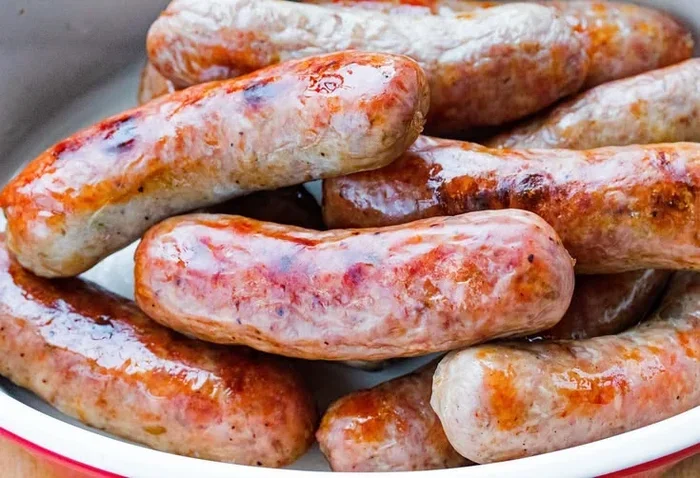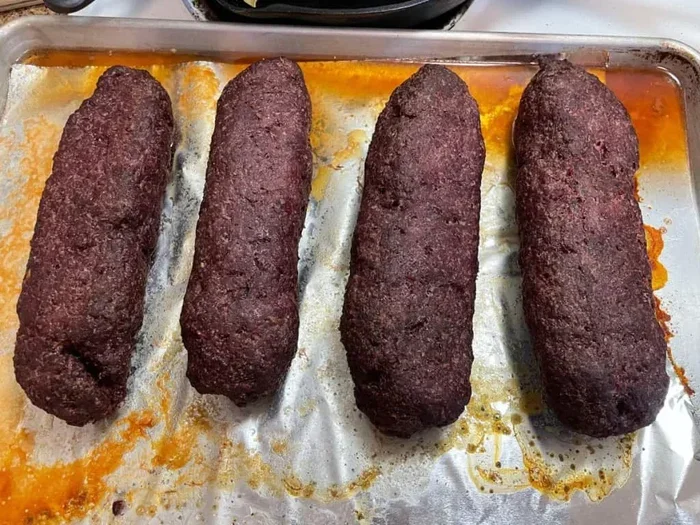
How To Cook Venison Sausage In The Oven Made Simple
Cooking venison sausage in the oven is one of the easiest and most rewarding ways to prepare this lean, flavorful game meat. This guide walks you through everything from selecting the right sausage to nailing the perfect oven temperature. You will learn precise timing, seasoning tricks, and serving ideas that turn simple venison links into a memorable meal.
Venison sausage is a fantastic choice for anyone who loves lean, flavorful meat. Unlike pork or beef sausage, venison offers a rich, slightly sweet taste with much less fat. Cooking it in the oven is hands-down the simplest method. You get even browning, crispy edges, and juicy centers without standing over a hot stove. In this guide, we break down everything you need to know about how to cook venison sausage in the oven like a pro.
Whether you are a seasoned hunter or a curious home cook, this article has you covered. We will walk you through every step, from prep to plating. You will learn the best oven temperature, how long to bake, and which seasonings work best. By the end, you will feel confident enough to make oven-baked venison sausage a regular part of your cooking rotation.
Key Takeaways
- Oven-baked venison sausage is simple: Just preheat, place, and bake at the right temperature.
- Target 375°F to 400°F: This range ensures even cooking without drying out the lean meat.
- Internal temperature matters: Always aim for 160°F to guarantee food safety.
- Seasoning makes the difference: A few simple spices can elevate your venison sausage from good to great.
- Rest the sausage before serving: This keeps the juices locked in for a juicier bite.
- Pair with sides you love: Venison sausage works beautifully with eggs, peppers, and crusty bread.
- Storage is easy: Leftover cooked sausage keeps well in the fridge for up to four days.
📑 Table of Contents
- What Is Venison Sausage and Why Cook It in the Oven?
- Ingredients and Equipment You Will Need
- Step-by-Step Guide to Cooking Venison Sausage
- Temperature and Timing Guide for Perfect Venison Sausage
- Flavor Variations and Seasoning Ideas
- Serving Suggestions and Meal Ideas
- Common Mistakes to Avoid When Baking Venison Sausage
- Expert Tips for the Best Oven-Baked Venison Sausage
- Frequently Asked Questions
- Conclusion
What Is Venison Sausage and Why Cook It in the Oven?
Venison sausage is made from ground deer meat, often mixed with spices and sometimes a small amount of fat for moisture. It comes in links, patties, or loose ground form. Because venison is naturally very lean, it needs careful handling during cooking. Too much heat or too much time, and the sausage can turn dry and tough.
The oven offers a gentle, even heat that works wonders for venison links. Unlike grilling, where flare-ups can scorch the outside before the inside is done, the oven surrounds the sausage with consistent warmth. This makes it the ideal method for oven-baked sausage lovers who want reliable, repeatable results every single time.
Another big reason to bake venison sausage in the oven is convenience. You can cook a large batch at once, freeing up your time for other tasks. The oven also allows you to cook sausage alongside vegetables or other sides, making cleanup easier and meal prep faster.
Why Choose Venison Over Other Meats?
Venison is one of the healthiest red meats you can eat. It is naturally low in fat and cholesterol compared to beef or pork. A typical serving of oven-baked venison provides a solid dose of protein, iron, and B vitamins without the extra calories found in fattier meats.
For those who eat game meat sausage regularly, venison is also a more sustainable choice. Wild deer populations are managed through hunting, and using the meat reduces waste. It is a win for your health and the environment.
Ingredients and Equipment You Will Need
Before you start, gather everything you need. Having all your ingredients and tools ready makes the process smooth and stress-free. Here is what you will need for a basic batch of venison sausage.
Ingredients for Oven-Baked Venison Sausage
- Venison sausage links (about 1 to 1.5 pounds for a family of four)
- Olive oil or cooking spray for the baking sheet
- Salt and black pepper to taste
- Garlic powder (about half a teaspoon)
- Paprika for color and a mild smoky flavor
- Fennel seeds or crushed fennel for that classic sausage aroma
- Fresh herbs like thyme or rosemary, if available
Equipment Checklist
- A standard oven (convection works great too)
- A baking sheet or shallow roasting pan
- Parchment paper or aluminum foil for easy cleanup
- A meat thermometer (this is non-negotiable for food safety)
- Tongs for flipping the links
- A wire cooling rack (optional but helpful)
Pro tip: If you are using homemade venison sausage, make sure the casings are intact and no holes are present. This helps the sausage hold its shape and retain moisture during baking.
Step-by-Step Guide to Cooking Venison Sausage
Now for the fun part. Follow these simple steps to achieve perfectly baked venison sausage every time. The process is straightforward, but the details matter.
Step One: Preheat Your Oven
Set your oven to 375°F. This is the sweet spot for cooking oven-baked venison sausage evenly without drying it out. If you have a convection oven, you can drop the temperature by about 25 degrees. Let the oven fully preheat before placing the sausage inside. A properly heated oven ensures the sausage starts cooking immediately, which locks in moisture.
Step Two: Prepare the Baking Sheet
Line a baking sheet with parchment paper or aluminum foil. Lightly coat the surface with olive oil or a quick spray of cooking spray. This prevents the sausage from sticking and makes cleanup a breeze. If you want to add vegetables like bell peppers or onions, now is the time to spread them on the sheet alongside the links.
Step Three: Arrange the Sausage Links
Place the venison sausage links on the baking sheet with space between each one. You want at least half an inch of gap so hot air circulates evenly around every link. Crowding the pan leads to uneven cooking and steaming instead of roasting. For the best oven-baked sausage results, lay the links flat on their sides.
Step Four: Season Lightly
Sprinkle a small amount of salt, pepper, garlic powder, and paprika over the sausage. If you are using homemade links, the sausage may already be well-seasoned, so go easy. A light touch lets the natural flavor of the venison shine through. You can always add more after cooking if needed.
Step Five: Bake for the Right Amount of Time
Place the baking sheet in the center of the oven. Bake for about 20 to 25 minutes, turning the links halfway through. This gives you even browning on all sides. The exact time depends on the thickness of your sausage and your oven’s accuracy. Use the venison sausage internal temp of 160°F as your final guide.
Step Six: Rest and Serve
Remove the baking sheet from the oven and let the sausage rest for three to five minutes. This resting period allows the juices to redistribute throughout the meat. Skip this step, and you risk losing flavor with every bite. Serve your oven-baked venison sausage hot alongside your favorite sides.
Temperature and Timing Guide for Perfect Venison Sausage
Getting the temperature and timing right is the key to perfect venison sausage in the oven. Unlike fattier sausages, venison does not have much margin for error. Lean meat dries out quickly if you push the heat too high or cook too long.
Recommended Oven Temperatures
- 375°F: The best all-around temperature. Produces a golden exterior while keeping the inside juicy.
- 400°F: Great for a crispier skin. Reduce baking time slightly and watch closely.
- 350°F: A gentler option for thicker links. Expect slightly longer bake times.
Timing Chart for Venison Sausage Links
The table below gives you a quick reference for baking times based on sausage thickness and oven temperature. Use this as a starting point and always verify with a meat thermometer.
| Sausage Thickness | Oven Temp | Baking Time | Flip at |
|---|---|---|---|
| Thin links (under 1 inch) | 375°F | 15 to 20 minutes | 10 minutes |
| Medium links (1 to 1.5 inches) | 375°F | 20 to 25 minutes | 12 minutes |
| Thick links (over 1.5 inches) | 375°F | 25 to 30 minutes | 15 minutes |
| Any thickness (convection oven) | 350°F | 18 to 22 minutes | 10 minutes |
Why Internal Temperature Matters Most
Visual cues like color and browning can be misleading. The only foolproof way to know your venison sausage is done is by checking the internal temperature. Insert a meat thermometer into the thickest part of a link. You are aiming for 160°F. This temperature ensures harmful bacteria are destroyed while keeping the meat tender and flavorful.
Remember, the sausage will continue to cook slightly after you pull it from the oven. This is called carryover cooking. Factor this in by removing the sausage when it reaches about 155°F to 158°F.
Flavor Variations and Seasoning Ideas
One of the best things about oven-baked venison sausage is how easy it is to customize. Since venison has a mild, slightly sweet flavor, it pairs beautifully with a wide range of seasonings. Here are some ideas to mix things up.
Classic Italian Style
Use fennel seeds, crushed red pepper flakes, oregano, and a touch of sage. This combination gives your venison links a traditional Italian sausage flavor that pairs wonderfully with pasta or roasted vegetables.
Smoky and Spicy
Add smoked paprika, cumin, chipotle powder, and a pinch of brown sugar. This style works brilliantly for breakfast-style venison breakfast sausage. The smokiness adds depth that complements the lean game meat perfectly.
Herb and Garlic
Fresh rosemary, thyme, minced garlic, and a drizzle of olive oil create an elegant, aromatic sausage. This is a great option if you are serving the sausage as part of a dinner party or a cozy weekend meal.
If you are experimenting with different flavors, remember that venison sausage is naturally lean. Fat carries flavor, so do not be shy with your seasoning. A little extra spice goes a long way in making every bite count.
Serving Suggestions and Meal Ideas
Once your venison sausage comes out of the oven, the fun is just getting started. There are countless ways to serve it. Here are some of the best ideas to inspire your next meal.
Breakfast Platters
Slice the baked sausage into coins and serve alongside scrambled eggs, crispy bacon, and toasted bread. This makes for a hearty, protein-packed breakfast that will fuel you through the morning.
Sandwiches and Wraps
Nest a whole or halved venison link in a crusty hoagie roll. Add mustard, sauerkraut, or your favorite toppings for a satisfying lunch. This is a simple yet impressive meal that takes minutes to assemble.
Dinner with Sides
Serve whole links alongside roasted potatoes, sautéed peppers, and a fresh green salad. The sausage pairs beautifully with roasted root vegetables and grains. For a more substantial meal, add a side of crispy fries or a warm grain bowl.
Meal Prep and Leftovers
Cooked venison sausage stores well in the refrigerator for up to four days. Reheat gently in a skillet or the microwave. You can also slice the sausage and add it to omelets, pasta dishes, or grain bowls throughout the week. It is a versatile ingredient that makes meal planning a breeze.
Common Mistakes to Avoid When Baking Venison Sausage
Even experienced cooks can run into trouble when baking venison links for the first time. Here are the most common mistakes and how to avoid them.
- Skipping the meat thermometer: Guessing doneness leads to either undercooked or dried-out sausage. Always use a thermometer.
- Cooking at too high a temperature: High heat burns the outside before the inside is cooked. Stick to 375°F for best results.
- Overcrowding the pan: This traps steam and prevents proper browning. Give each link room to breathe.
- Not letting the sausage rest: Cutting into hot sausage immediately releases precious juices. Patience pays off.
- Using too much seasoning: Venison has a delicate flavor. Heavy seasoning can mask the natural taste of the game meat.
Avoiding these simple pitfalls will elevate your oven-baked venison sausage from average to outstanding. Keep these tips in mind, and you will notice a big difference in your final dish.
Expert Tips for the Best Oven-Baked Venison Sausage
Here are some pro-level tips that separate good venison sausage from great sausage. These small adjustments can make a big difference in flavor and texture.
- Add a small amount of fat: If your venison sausage is very lean, brush the links lightly with olive oil before baking. This adds moisture and helps the spices adhere.
- Parboil thick links first: For extra-thick sausage, simmer them in water for five minutes before baking. This ensures the center cooks through evenly.
- Use a wire rack: Placing the sausage on a wire rack set over a baking sheet allows air to flow all around. The result is more evenly browned and crispier skin.
- Experiment with wood smoke: If you have a smoker box for your oven, add a chunk of hickory or applewood for a subtle smoky flavor.
- Always let the sausage come to room temperature: Taking the sausage out of the fridge 15 to 20 minutes before baking promotes more even cooking throughout.
These tips may seem small, but they add up to a noticeably better finished product. Try them the next time you bake venison sausage and you will taste the difference.
Frequently Asked Questions
What is the best temperature to cook venison sausage in the oven?
The ideal temperature for baking venison sausage is 375°F. This heat level cooks the sausage evenly without drying out the lean meat. If you prefer a crispier exterior, you can increase the temperature to 400°F, but watch the sausage closely to prevent burning.
How long does it take to bake venison sausage in the oven?
Most venison sausage links take between 20 and 30 minutes at 375°F, depending on thickness. Thinner links may be done in as little as 15 minutes, while thicker ones may need up to 30 minutes. Always use a meat thermometer to confirm the internal temperature reaches 160°F.
Can you freeze cooked venison sausage?
Yes, cooked venison sausage freezes very well. Let the sausage cool completely, then wrap each link tightly in plastic wrap or aluminum foil. Place them in a freezer bag and they will keep for up to three months. Thaw overnight in the refrigerator before reheating.
Do you need to prick venison sausage before baking?
It is generally best not to prick venison sausage before baking. The casing helps retain moisture, and pricking it can cause the juices to escape, leading to drier sausage. If you notice the casing splitting, it usually means the oven temperature is too high.
What pairs well with oven-baked venison sausage?
Venison sausage pairs beautifully with eggs and toast for breakfast, or with roasted potatoes, peppers, and a fresh salad for dinner. It also works wonderfully in sandwiches and wraps. The mild, slightly sweet flavor of venison complements both savory and slightly sweet side dishes.
Is venison sausage healthy compared to other sausages?
Venison sausage is one of the healthiest options available. It is significantly lower in fat and calories than pork or beef sausage while still providing a high amount of protein, iron, and essential B vitamins. For those looking for a leaner protein source without sacrificing flavor, venison is an excellent choice.
Conclusion
Cooking venison sausage in the oven is one of the simplest and most rewarding things you can do in the kitchen. With the right temperature, timing, and a little seasoning, you can turn basic venison links into a delicious, healthy meal that the whole family will love. The oven does most of the work for you, giving you even cooking and beautiful results every time.
Remember to always use a meat thermometer, let the sausage rest before serving, and experiment with flavors to keep things interesting. Whether you are cooking for a quick breakfast, a hearty dinner, or prepping meals for the week ahead, oven-baked venison sausage never disappoints. Now that you know exactly how to cook venison sausage in the oven, it is time to fire up your oven and give it a try. Your taste buds will thank you.