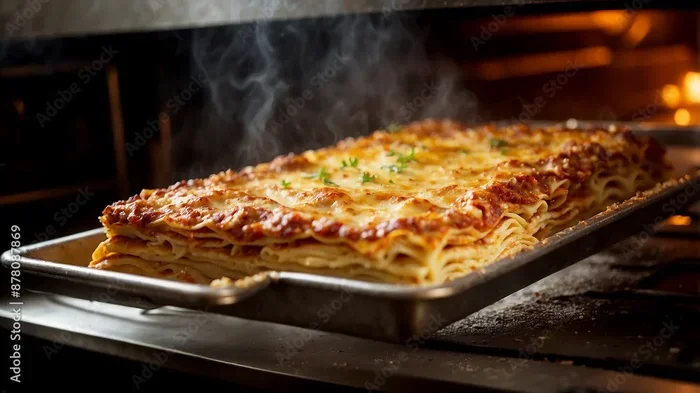
How Long Lasagna In Oven At 375 For Perfect Results
Baking lasagna at 375°F typically takes 45 to 60 minutes for a standard 9×13 pan, depending on whether it is covered or uncovered. The key to perfect lasagna is understanding your oven, the type of dish you are using, and how many layers you are building. This guide breaks down everything you need to know for oven-baked lasagna that comes out golden, bubbly, and delicious.
There is something truly special about pulling a hot, bubbling pan of lasagna out of the oven. The aroma fills the kitchen, the cheese is golden, and the layers are perfectly set. But getting to that point can feel tricky. How long should you actually bake lasagna in oven at 375? Is 45 minutes enough? What about an hour? These are the questions every home cook asks, and this guide has the answers.
Whether you are making a classic meat lasagna, a veggie-packed version, or a simple cheese bake, the oven temperature and timing make all the difference. Baking at 375°F is one of the most popular approaches because it cooks the lasagna evenly without burning the top too quickly. In this article, we walk you through everything step by step, so you get perfect results every single time.
Key Takeaways
- Standard Bake Time: Most lasagna needs 45 to 60 minutes at 375°F for a fully cooked, bubbly result.
- Cover With Foil First: Always cover lasagna with foil for the first 25 to 30 minutes to trap moisture and cook the noodles evenly.
- Uncover for Browning: Remove the foil for the last 15 to 20 minutes to get a golden, crispy top.
- Rest Before Slicing: Let lasagna sit for 15 minutes after baking so the layers set and hold together better.
- Check Internal Temperature: The lasagna is done when it reaches 165°F in the center.
- Thicker Lasagna Takes Longer: Deep-dish or extra-layer lasagna may need up to 75 minutes at 375°F.
- Oven Type Matters: Convection ovens bake faster, so reduce time by about 5 to 10 minutes.
📑 Table of Contents
- Why 375°F Is the Ideal Temperature for Lasagna
- How Long to Bake Lasagna at 375°F
- Step-by-Step Guide to Baking Lasagna at 375°F
- Common Mistakes That Affect Lasagna Bake Time
- Quick Tips for Perfect Lasagna Every Time
- How Your Oven Type Affects Lasagna Bake Time
- How to Know When Lasagna Is Done
- Resting Lasagna: Why It Matters
- Storing and Reheating Leftover Lasagna
- Final Thoughts on Baking Lasagna at 375°F
Why 375°F Is the Ideal Temperature for Lasagna
Not all oven temperatures work equally well for lasagna. Some recipes call for 350°F, others for 400°F. So why does 375°F stand out? It is a sweet spot that balances thorough cooking with a beautiful finish.
At 375°F, the heat penetrates the layers steadily. The cheese melts smoothly, the sauce bubbles through the edges, and the pasta noodles cook through without drying out. Higher temperatures can scorch the top before the inside is done. Lower temperatures can leave the lasagna soggy and undercooked in the middle.
Think of it like how long chicken kebabs take in the oven — timing and temperature work together to cook food evenly from edge to center. Lasagna works the same way. The 375°F setting gives you a reliable window where the inside and outside finish around the same time.
The Science Behind the Bake
When lasagna goes into a hot oven, several things happen at once. The water in the ricotta cheese and meat sauce starts to evaporate. The pasta sheets absorb moisture and soften. The mozzarella and parmesan begin to bubble and brown. All of this needs time and consistent heat.
At 375°F, the oven air circulates around the dish at a pace that allows each layer to cook without rushing. The cheese topping gets enough time to develop that appealing golden crust, while the interior reaches a safe and delicious temperature. This is why so many experienced cooks stick with 375°F as their go-to lasagna bake time setting.
How Long to Bake Lasagna at 375°F
The general answer is between 45 and 60 minutes. But that range is wide, and the exact time depends on several factors. Let us break them down so you can plan your cooking with confidence.
Standard 9×13 Pan Lasagna
For a typical homemade lasagna in a standard 9×13-inch baking dish, plan for about 50 to 55 minutes at 375°F. This assumes you have assembled the dish with enough sauce and cheese to keep the layers moist. Most lasagna recipes fall right into this range.
Here is a simple breakdown of the timeline:
- Minutes 0 to 30: Cover with aluminum foil and bake. This traps steam and helps the noodles cook through evenly.
- Minutes 30 to 45: Remove the foil. The lasagna starts to brown on top.
- Minutes 45 to 55: Check for bubbling at the edges and a golden-brown surface. The internal temperature should read 165°F.
- Minutes 55 to 60: If it is not quite done, give it a few more minutes. Then let it rest.
Deep-Dish or Extra-Layer Lasagna
If you are making a thicker lasagna with more layers, the bake time increases. A deep-dish lasagna might need 65 to 75 minutes at 375°F. The extra layers mean more mass to heat through, and the center needs more time to reach the right temperature.
The same logic applies if you are using a smaller dish. A lasagna in an 8×8 pan will cook faster than one in a 9×13 because the layers are stacked higher and the heat reaches the center more quickly. Adjust your timing accordingly.
Comparison: Lasagna Bake Times at 375°F
| Lasagna Type | Dish Size | Covered Time | Uncovered Time | Total Time |
|---|---|---|---|---|
| Standard Meat Lasagna | 9×13 inch | 30 min | 20-25 min | 50-55 min |
| Vegetable Lasagna | 9×13 inch | 30 min | 15-20 min | 45-50 min |
| Deep-Dish Extra Layers | 9×13 inch | 35 min | 30-40 min | 65-75 min |
| Small Pan (8×8) | 8×8 inch | 25 min | 15-20 min | 40-45 min |
| No-Boil Noodle Lasagna | 9×13 inch | 35 min | 20-25 min | 55-60 min |
Use this table as a starting point. Every oven is different, and the actual lasagna cooking time may vary slightly. Always rely on visual cues and an internal thermometer for the best results.
Step-by-Step Guide to Baking Lasagna at 375°F
Now that you know the timing, let us walk through the actual process. Following these steps will help you avoid common pitfalls and get a restaurant-quality lasagna at home.
Step 1: Preheat Your Oven
Start by preheating your oven to 375°F. Do not put the lasagna in while the oven is still warming up. A steady, preheated oven ensures the lasagna layers begin cooking immediately and evenly. While the oven heats, assemble your lasagna in an oven-safe dish.
Step 2: Assemble the Layers
Build your lasagna in this order: a thin layer of sauce on the bottom, then noodles, then ricotta mixture, then meat or vegetable sauce, then cheese. Repeat the layers, ending with a generous layer of sauce and cheese on top. The top layer of cheese is what creates that beautiful golden crust.
Make sure each layer is spread evenly. Uneven layers lead to some parts being overcooked while others stay underdone. This is especially important for cheese lasagna where the cheese distribution affects the final texture.
Step 3: Cover With Foil
Tent the dish with aluminum foil. Do not let the foil touch the cheese directly. The foil creates a steamy environment that cooks the pasta bake gently from the inside out. This step is critical for ensuring the noodles are fully cooked and the layers are hot all the way through.
Step 4: Bake Covered for 30 Minutes
Place the covered lasagna on the center rack of your oven. Bake for 30 minutes at 375°F. This gives the interior plenty of time to heat up and the ricotta cheese to melt into the layers.
Step 5: Remove Foil and Continue Baking
After 30 minutes, carefully remove the foil. Return the lasagna to the oven uncovered. Bake for an additional 15 to 25 minutes. Watch for the edges to start bubbling and the top to turn golden brown.
This uncovered phase is where the golden brown top forms. The surface cheese caramelizes slightly, creating that appealing look and slightly crispy texture that everyone loves.
Step 6: Check for Doneness
Insert a thermometer into the center of the lasagna. When it reads 165°F, it is done. You can also look for these visual signs:
- The edges are visibly bubbling.
- The top is golden brown, not pale.
- A knife inserted in the center comes out hot.
- The lasagna does not wobble when you gently shake the dish.
Step 7: Let It Rest
This step is easy to skip, but it makes a huge difference. Let the lasagna rest for 15 minutes after removing it from the oven. The layers settle and firm up, making it much easier to cut clean slices. Resting lasagna is just as important as the bake itself.
Common Mistakes That Affect Lasagna Bake Time
Even experienced cooks sometimes get the lasagna bake time wrong. Here are the most common mistakes and how to avoid them.
Skipping the Foil Cover
Some people skip the foil entirely, thinking it speeds things up. In reality, uncovered lasagna at 375°F often dries out before the inside is fully cooked. The top can burn while the center remains cold. Always cover the lasagna for at least the first half of the bake.
Using a Dish That Is Too Small
Overcrowding the lasagna in a small dish increases the bake time significantly. The layers press together and the heat cannot circulate properly. Stick to the recommended dish size, or adjust your timing if you must use a different pan.
Not Preheating the Oven
Putting lasagna into a cold oven adds 10 to 15 minutes to the total lasagna cooking time. Always preheat to 375°F before the dish goes in. This small step saves time and ensures more consistent results.
Opening the Oven Door Too Often
Every time you open the oven door, heat escapes. This can extend the bake time and cause uneven cooking. Resist the urge to peek too frequently. Check the lasagna only during the final 10 minutes of baking.
Using Cold Ingredients Straight from the Fridge
Cold ricotta cheese and chilled sauce slow down the cooking process. Let your ingredients come to room temperature before assembling the lasagna. This small tip can shave 5 to 10 minutes off the bake time and improve the final texture.
Quick Tips for Perfect Lasagna Every Time
Here are some expert-backed tips to elevate your oven-baked lasagna game. These quick insights make a real difference.
- Use no-boil noodles if you are short on time. They absorb sauce during the bake and save you a step.
- Add a splash of extra sauce if your lasagna looks dry before serving. This keeps the layers moist.
- Let the lasagna cool slightly before cutting. A warm lasagna holds its shape much better than a hot one.
- Rotate the pan halfway through baking for even browning, especially if your oven has hot spots.
- Use a light-colored baking dish to prevent the edges from over-browning while the center finishes cooking.
- For convection ovens, reduce the temperature by 25°F or cut the bake time by 5 to 10 minutes.
- Make the sauce ahead of time. A well-seasoned sauce that has simmered for 20 to 30 minutes makes a huge flavor difference.
How Your Oven Type Affects Lasagna Bake Time
Not all ovens perform the same way. The type of oven you use directly impacts how long your lasagna needs to bake at 375°F.
Conventional Ovens
Most home kitchens use conventional ovens. These ovens heat from the bottom element, and the heat rises naturally. Lasagna in a conventional oven follows the standard bake times we outlined above: 45 to 60 minutes at 375°F. Conventional ovens tend to have slightly uneven heat distribution, which is why covering and uncovering at the right times matters so much.
Convection Ovens
Convection ovens use a fan to circulate hot air evenly around the food. This means lasagna bakes faster and more evenly. If you are using a convection oven, reduce the temperature to 350°F or keep it at 375°F but cut the total bake time by 5 to 10 minutes.
Convection ovens are similar to air fryer ovens in how they circulate heat. The moving air creates a more consistent cooking environment, which is great for layered dishes like lasagna.
Gas vs. Electric Ovens
Gas ovens tend to have more moisture in the heat, which can slightly extend the bake time for lasagna. Electric ovens dry out faster and may brown the top more quickly. Adjust your foil timing based on your oven type. If your electric oven browns too fast, keep the foil on for a few extra minutes.
For those with commercial or high-performance ovens, the results can be even more impressive. A powerful oven heats up faster and maintains a more consistent temperature, which means more predictable lasagna bake time results. Think of how a commercial electric pizza oven delivers consistent, high-quality results — a good home oven works on the same principle.
How to Know When Lasagna Is Done
Timing gives you a good estimate, but the best way to confirm your lasagna is ready is by using multiple checks. Relying on the clock alone can lead to undercooked or overcooked results.
The internal temperature method is the most reliable. Insert a food thermometer into the very center of the lasagna. When it reads 165°F, the dish is fully cooked and safe to eat. This is especially important for meat lasagna, where the ground beef or sausage needs to reach a safe temperature.
Visual cues also tell you a lot. Look for these signs:
- The edges of the dish are visibly bubbling.
- The top has an even golden-brown color.
- The cheese is melted and slightly crispy in spots.
- When you gently shake the pan, the center has a slight jiggle but is mostly set.
If the top looks done but the center is still cold, cover the dish with foil and give it another 10 minutes. This traps heat and helps the center catch up without burning the top.
Resting Lasagna: Why It Matters
Once your lasagna comes out of the oven, the temptation is to dive right in. But patience pays off. Letting the lasagna rest for 15 minutes allows the layers to set. The cheese firms up, the sauce thickens slightly, and the noodles absorb any remaining moisture.
When you cut into a rested lasagna, the slices hold their shape beautifully. They come out clean and neat, not soupy or falling apart. This is the difference between a messy plate and a picture-perfect serving.
Think of it like roasting pumpkin seeds — letting them cool after baking makes them crispier and easier to handle. Resting lasagna works on the same principle. The structure sets, and the final texture improves.
Storing and Reheating Leftover Lasagna
Lasagna is one of those dishes that tastes even better the next day. If you have leftovers, here is how to store and reheat them properly.
Let the lasagna cool completely before storing. Cover it tightly with plastic wrap or aluminum foil and refrigerate. It will keep in the fridge for up to 4 days. For longer storage, wrap it tightly and freeze for up to 3 months.
To reheat, cover the lasagna with foil and bake at 375°F for 20 to 25 minutes. For individual slices, you can microwave them for 2 to 3 minutes. The foil method keeps the lasagna moist and prevents the cheese from drying out.
Reheating at 375°F is the same temperature you used for the original bake, which makes it a convenient and consistent approach. The lasagna reheats evenly and the flavors have time to meld even further.
Final Thoughts on Baking Lasagna at 375°F
Baking lasagna in oven at 375°F is one of the most reliable methods for getting a perfectly cooked dish every time. The temperature is forgiving, the timing is manageable, and the results are consistently delicious. Whether you are a beginner or a seasoned cook, understanding the lasagna bake time at this temperature gives you confidence in the kitchen.
Remember the key steps: preheat your oven, cover the dish for the first half of the bake, uncover for browning, check the internal temperature, and always let the lasagna rest before serving. Follow these guidelines, and your homemade lasagna will turn out beautifully every single time.
The beauty of lasagna is that it is a dish that improves with practice. Each time you bake it, you learn a little more about your oven, your preferences, and what works best in your kitchen. So go ahead, pull up a chair, and enjoy the process. A perfect lasagna at 375°F is well within your reach.
Frequently Asked Questions
Can I bake lasagna at 375°F without covering it?
You can, but the results will not be as good. Without foil, the top dries out and burns before the inside is fully cooked. Always cover the lasagna for at least the first 30 minutes at 375°F. This traps steam and cooks the noodles evenly.
How do I know if my lasagna is undercooked?
An undercooked lasagna has cold spots in the center and firm, uncooked noodles. Use a food thermometer to check the internal temperature. If it reads below 165°F in the center, it needs more time. Cover it with foil and bake for an additional 10 to 15 minutes.
Can I use frozen lasagna at 375°F?
Yes, but frozen lasagna takes longer. Remove it from the freezer and let it thaw slightly before baking. A frozen lasagna at 375°F may need 75 to 90 minutes. Cover it with foil for the first 45 minutes, then uncover to brown the top.
Why is my lasagna watery when it comes out of the oven?
Too much sauce or wet vegetables can make lasagna watery. Also, cutting into it too early releases steam and moisture. Let the lasagna rest for at least 15 minutes before slicing. This gives the layers time to set and absorb excess liquid.
What is the best dish to bake lasagna in at 375°F?
A glass or ceramic 9×13-inch baking dish works best. Glass heats evenly and allows you to see the bottom for browning. Ceramic retains heat well and gives a nice crust. Make sure the dish is oven-safe and deep enough for your layers.
Can I bake lasagna at 375°F in a convection oven?
Yes, convection ovens work well for lasagna at 375°F. Reduce the bake time by 5 to 10 minutes because the fan circulates heat more efficiently. Check for doneness a few minutes earlier than you would in a conventional oven.
=== CONCLUSION ===
Baking lasagna in oven at 375°F for the right amount of time is the foundation of a perfect dish. With a standard 9×13 pan, aim for 50 to 55 minutes total, covering the first 30 minutes and uncovering the rest for a golden finish. Adjust for deep-dish versions, smaller pans, or your specific oven type, and always use a thermometer to confirm doneness. Let the lasagna rest before slicing, and you will be rewarded with clean, beautiful portions every time.
Now that you know exactly how long lasagna in oven at 375 takes, it is time to put this knowledge into action. Gather your ingredients, preheat your oven, and enjoy the process of creating a homemade lasagna that your family and friends will love. Happy cooking!