How To Clean Oven From Grease Using Natural Ingredients
Discover the easiest and safest way to clean oven from grease using simple natural ingredients you already have at home. This guide covers step-by-step methods with baking soda, vinegar, and lemon that cut through tough grease without harsh chemicals. You will learn proven oven cleaning tips, common mistakes to avoid, and how to keep your oven sparkling between deep cleans.
Ever opened your oven and been hit with a wave of baked-on grease that makes you want to close it forever? A greasy oven is not just ugly. It affects how your food cooks and can even create smoke inside your kitchen. The good news is that you do not need expensive chemical sprays to fix this problem.
You can clean oven grease using natural ingredients that are safe, affordable, and already sitting in your kitchen. Baking soda, vinegar, and lemon work wonders on even the toughest grime. This guide walks you through every step of the process so you can have a sparkling clean oven without any harsh fumes or toxic residue.
Whether you are dealing with a light coating of grease or a thick layer of baked-on crud, these natural methods get the job done. Let us dive in and learn how to bring your oven back to life the safe and natural way.
Key Takeaways
- Baking soda and vinegar are the ultimate natural oven cleaning duo that safely dissolve grease and grime.
- Natural ingredients are safer for your family and pets compared to chemical-based oven cleaners.
- A regular cleaning routine prevents stubborn grease buildup and makes each cleaning session faster.
- Soaking oven racks in hot water with baking soda loosens baked-on grease effortlessly.
- Lemon and citrus are powerful degreasing agents that also leave a fresh, natural scent behind.
- Avoiding common mistakes like using steel wool protects your oven’s interior surfaces from damage.
📑 Table of Contents
Why Grease Builds Up Inside Your Oven
Understanding why grease accumulates helps you prevent it from becoming a major problem. Every time you cook, fats and oils from your food splatter onto the oven walls and floor. Over time, these deposits harden and turn into stubborn grease layers that are tough to remove.
How Cooking Habits Affect Grease Buildup
Frequent roasting, frying, and grilling cause more grease to accumulate. High-temperature cooking melts fats, which then spread and stick to surfaces. Even covered dishes allow steam carrying oil particles to settle on oven walls. The longer you skip cleaning, the harder the grease becomes to remove.
The Risks of Ignoring Oven Grease
Built-up grease poses real dangers beyond just looks. It can create smoke during cooking, which affects food taste and air quality. Excess grease near heating elements can even cause unpleasant odors or flare-ups. Regular oven maintenance keeps your kitchen safer and your cooking results better.
Best Natural Ingredients for Oven Cleaning
Nature provides powerful cleaning agents that break down grease effectively. These ingredients are non-toxic, inexpensive, and gentle on your oven surfaces. Here is what you need to gather before starting.
Baking Soda: Your Go-To Degreaser
Baking soda is a mild abrasive that cuts through grease without scratching surfaces. When mixed with water, it forms a paste that clings to oven walls and dissolves grime over time. It also neutralizes odors, which is a big bonus for a smelly oven.
White Vinegar: The Grease-Fighting Powerhouse
Vinegar is acidic, which helps break down grease molecules. When it reacts with baking soda, the fizzing action lifts dirt and loosens stubborn spots. White vinegar is the best choice because it is clear and does not stain surfaces.
Lemon: A Fresh and Effective Cleaner
Lemon juice contains citric acid that cuts through grease naturally. The aroma of lemon also leaves your oven smelling fresh after cleaning. You can use lemon juice alone or combine it with baking soda for extra cleaning power.
Other Helpful Natural Additions
- Castile soap adds extra degreasing strength to your cleaning paste.
- Warm water helps dissolve grease and activates baking soda.
- Sea salt works as a gentle scrub for tough spots.
- Essential oils like tea tree add antibacterial properties and a pleasant scent.
Step-by-Step Guide to Clean Oven From Grease
Now that you have your ingredients ready, here is the full process for cleaning oven from grease naturally. Follow these steps for the best results, whether you are doing a light clean or tackling heavy buildup.
Step One: Remove the Oven Racks
Start by pulling out all removable parts. Take out the oven racks, the drip tray, and any other components you can easily remove. This gives you full access to the oven interior and makes cleaning each piece separately much easier.
Step Two: Make Your Baking Soda Paste
Mix about half a cup of baking soda with a few tablespoons of warm water. Stir it until you get a thick paste consistency, similar to toothpaste. The paste should be spreadable but not runny. You can adjust the water amount until you reach the right texture.
Step Three: Apply the Paste Generously
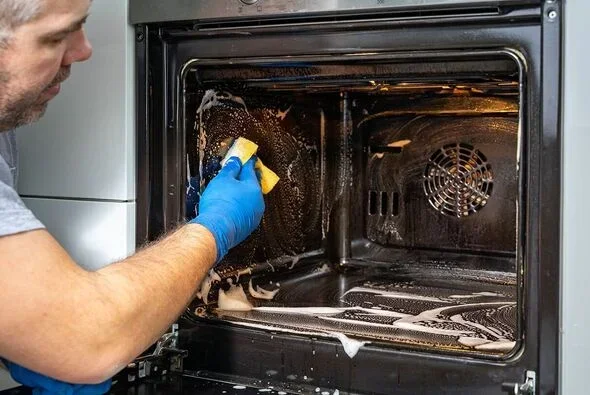
Using your hands or a sponge, spread the baking soda paste all over the inside of the oven. Focus on areas with the most grease buildup. Avoid putting paste directly on the heating elements. Let the paste sit for at least 12 hours or overnight. This gives it time to break down the grease.
Step Four: Wipe Away the Paste
After soaking, use a damp cloth or sponge to wipe away the baking soda paste. Most of the grease should come off easily at this point. For remaining residue, use a scrub brush with soft bristles. Rinse the cloth frequently and keep wiping until the paste is gone.
Step Five: Spray Vinegar and Rinse
Fill a spray bottle with white vinegar and spritz the entire oven interior. The vinegar will react with any remaining baking soda, creating a fizzing action that lifts leftover grime. Wipe everything down with a clean damp cloth. Repeat if needed until all residue is removed.
Step Six: Clean the Oven Racks Separately
Soak your oven racks in a bathtub or large sink filled with hot water and two tablespoons of baking soda. Let them soak for at least two hours. The hot water and baking soda work together to loosen baked-on grease. Scrub gently with a non-abrasive sponge, rinse, and dry thoroughly before placing them back.
Quick Tip: For extra grease-fighting power, add a splash of dish soap to the soaking water. This helps cut through stubborn grease on oven racks faster.
How To Tackle Stubborn Grease Stains
Sometimes regular cleaning does not cut it. Heavy grease buildup needs extra attention. Here are proven methods for dealing with the toughest oven grime using natural ingredients.
The Steam Method for Loosening Grease
Fill a heat-safe oven-safe dish with water and add a few tablespoons of lemon juice. Place it on the lowest oven rack and heat the oven to 200 degrees Fahrenheit for about 15 minutes. The steam softens baked-on grease, making it much easier to wipe away afterward. This is one of the best oven cleaning hacks for heavy buildup.
Using a Lemon Half Directly
Cut a lemon in half and use it to scrub greasy areas directly. The citric acid in the lemon breaks down fat molecules on contact. The natural oils also help condition the oven interior. This method works well for light to moderate grease.
Baking Soda and Vinegar Spot Treatment
For isolated stubborn spots, make a concentrated paste of baking soda and a small amount of water. Apply it directly to the greasy area and let it sit for 30 minutes. Spray vinegar on top and scrub with a damp cloth. The chemical reaction lifts even the oldest baked-on grime.
When to Repeat the Process
Do not be afraid to repeat the cleaning process if grease remains. Thick buildup may need two or three treatments. Each session removes another layer of grease until your oven is completely clean. Patience is key when using natural methods.
Expert Insight: Professional cleaners often recommend the overnight baking soda method for the best results. The extended soaking time is what makes natural cleaning so effective against heavy grease.
Maintaining a Grease-Free Oven
Cleaning is only half the battle. Preventing grease buildup saves you time and effort in the long run. A simple maintenance routine keeps your oven clean and ready to use at all times.
Clean Spills Immediately
Wipe up any spills or splatters as soon as the oven cools down. Fresh grease is much easier to remove than hardened, baked-on crud. Keep a damp cloth near your oven for quick wipe-downs after cooking.
Use Oven Liners
Place a reusable oven liner on the bottom rack to catch drips and spills. These liners are easy to wash and protect the oven floor from grease buildup. They are a simple addition that makes a big difference in oven maintenance.
Regular Light Cleaning Schedule
- After every use: Wipe down any visible splatters.
- Weekly: Check for early grease deposits and wipe them away.
- Monthly: Do a quick spot clean with baking soda paste.
- Every 3 months: Perform a full deep clean using the methods above.
Cook Smart to Reduce Grease
Using lids on pots and pans reduces splatter significantly. Cooking at lower temperatures when possible also minimizes fat splashing. Covering food with foil or a lid traps steam and keeps grease from spreading across oven surfaces.
Natural vs Chemical Oven Cleaners
Many people reach for commercial oven cleaners when faced with grease. While these products work, they come with significant downsides. Natural alternatives offer a safer and equally effective solution.
Health and Safety Concerns
Chemical oven cleaners contain harsh solvents and fumes that can irritate your lungs and skin. Residue from these products can contaminate food cooked in the oven afterward. Natural ingredients like baking soda and vinegar pose no such risks. They are completely safe for use in food preparation areas.
Environmental Impact
Eco-friendly oven cleaning methods produce no toxic runoff. Baking soda and vinegar are biodegradable and environmentally safe. Chemical cleaners often contain compounds that harm waterways and ecosystems. Choosing natural products is better for the planet.
Cost Comparison
A box of baking soda costs just a few dollars and lasts through many cleaning sessions. Commercial oven cleaners are significantly more expensive per use. Natural methods save money while delivering excellent results.
Effectiveness Comparison
Natural cleaners may require a bit more patience and elbow grease for heavy buildup. However, for regular maintenance and moderate grease, they work just as well as chemical alternatives. The overnight paste method is especially effective for tough jobs.
Common Mistakes to Avoid:
- Do not use steel wool or abrasive pads on oven surfaces. They scratch and damage the interior coating.
- Do not skip the soaking step. Letting the paste sit is what makes it dissolve grease effectively.
- Do not use vinegar on natural stone surfaces inside the oven. The acid can etch stone.
- Do not heat the oven while cleaning solution is still inside. Always remove all residue before turning it on.
- Do not mix bleach with any natural cleaners. This creates dangerous fumes.
Frequently Asked Questions
Can I use baking soda and vinegar together to clean my oven?
Yes, absolutely. Baking soda and vinegar work together as a powerful natural cleaning combination. The baking soda dissolves grease while the vinegar lifts and loosens dirt. Apply baking soda paste first, let it sit, then spray vinegar to activate the cleaning reaction. This is one of the most effective methods for oven grease removal.
How long does it take to clean an oven with natural ingredients?
The active cleaning process takes about 30 minutes of hands-on work. However, you need to let the baking soda paste sit overnight for the best results. So plan to start the process in the evening and finish the next morning. The waiting time does most of the heavy lifting for you.
Is it safe to use natural cleaners in a self-cleaning oven?
Yes, natural cleaners are safe for self-cleaning ovens. In fact, they are gentler on the interior surfaces than chemical alternatives. Avoid using natural cleaners during the self-clean cycle though. Use them for manual cleaning only, after the oven has completely cooled down.
What is the best way to clean greasy oven racks?
The best method is to soak them in a bathtub with hot water and baking soda. Add a squirt of dish soap for extra degreasing power. Let them soak for two to three hours, then scrub gently with a soft sponge. The hot water and baking soda combination breaks down baked-on grease effectively.
How often should I deep clean my oven naturally?
A deep clean every three months is ideal for regular home cooking. If you cook frequently or use your oven for high-fat recipes, you may need to clean more often. Light wiping after each use and monthly spot cleaning helps extend the time between deep cleans significantly.
Can lemon juice replace commercial oven cleaner entirely?
Lemon juice works well for light to moderate grease and leaves a fresh scent. However, for heavy grease buildup, combining lemon juice with baking soda gives you the best results. The citric acid in lemon cuts grease while baking soda provides the abrasive scrubbing power needed for tough spots.
Conclusion
Learning how to clean oven from grease using natural ingredients is one of the smartest things you can do for your kitchen. Baking soda, vinegar, and lemon provide a safe, effective, and affordable alternative to harsh chemical cleaners. These natural ingredients cut through grease, eliminate odors, and leave your oven sparkling without any toxic residue.
The methods in this guide work for every level of grease buildup, from light surface grime to heavy baked-on crud. By following the step-by-step process and maintaining a regular cleaning routine, you keep your oven in top condition year-round. Natural oven cleaning protects your health, your family, and the environment while delivering excellent results.
Start with the baking soda paste method tonight and see the difference for yourself. Your oven will thank you, and your kitchen will smell fresh and clean. Clean oven grease naturally and enjoy the peace of mind that comes with a truly green clean home.