What Can A Dutch Oven Be Used For Cooking Delicious Meals
A Dutch oven is one of the most versatile kitchen tools you can own. It can handle slow cooking, braising, baking bread, roasting, and so much more. This heavy cast iron pot locks in heat and moisture, making every dish taste amazing. Whether you are a beginner or a seasoned cook, a Dutch oven will become your go-to kitchen staple for delicious one-pot meals.
A Dutch oven is one of those kitchen tools that just makes life easier. If you have ever wondered what a Dutch oven can be used for, you are in the right place. This heavy, thick-walled pot is a true kitchen staple that can do so much more than you might think.
From simmering soups to baking fresh bread, a Dutch oven opens up a world of cooking possibilities. It works on the stovetop, in the oven, and even over a campfire. The cast iron construction holds heat really well, which means your food cooks evenly and stays warm longer.
In this guide, we will walk through all the amazing things you can do with a Dutch oven. You will learn about the best uses, helpful tips, and simple recipes to try at home. By the end, you will see why so many home cooks call this pot their favorite kitchen tool.
Key Takeaways
- Versatile Cooking: A Dutch oven works for soups, stews, roasts, bread baking, deep frying, and more.
- Heat Retention: The thick cast iron walls hold heat evenly, which makes braising and slow cooking a breeze.
- Stovetop to Oven Safe: You can start a dish on the stove and finish it in the oven with ease.
- Beginner-Friendly: Simple recipes and easy cleanup make it perfect for new cooks.
- Outdoor Use: Dutch ovens work great for campfire cooking and backyard gatherings.
- Meal Prep Hero: Make big batches of one-pot meals that store well and save you time during the week.
- Investment Piece: A good Dutch oven lasts for decades, making it a smart buy for any kitchen.
📑 Table of Contents
- What Is a Dutch Oven and Why Is It So Versatile?
- Top Dutch Oven Cooking Uses You Need to Try
- Best Dutch Oven Recipes for Beginners
- Dutch Oven for Slow Cooking and Braising
- Can You Use a Dutch Oven on the Stove and in the Oven?
- Tips for Getting the Most Out of Your Dutch Oven
- Common Mistakes to Avoid When Using a Dutch Oven
- Expert Insights: Why Chefs Love the Dutch Oven
- Final Thoughts
What Is a Dutch Oven and Why Is It So Versatile?
A Dutch oven is a heavy cooking pot made from cast iron. It has a tight-fitting lid that traps heat and moisture inside. Most Dutch ovens come with enamel coating, which makes them easy to clean and adds color to your kitchen. Some are bare cast iron, which needs seasoning but lasts forever.
The design of this pot is what makes it so special. The thick walls spread heat evenly across the bottom and sides. The lid traps steam, which keeps food moist and tender. This combination of heat retention and moisture locking is why a Dutch oven works so well for so many different cooking methods.
How Does a Dutch Oven Work?
The secret is in the material. Cast iron takes a while to heat up, but once it is hot, it stays hot. This steady, even heat is perfect for long cooking times. The lid creates a small oven inside the pot, which circulates heat and moisture around your food.
This is why Dutch oven recipes for stews and soups turn out so well. The food stays tender and flavorful because nothing escapes. You get rich, deep flavors that other pots just cannot match.
Top Dutch Oven Cooking Uses You Need to Try
Now let us get into the fun part. Here are the most popular and delicious ways to use your Dutch oven. Each one shows off a different side of this amazing pot.
1. Making Soups and Stews
This is the number one use for a Dutch oven. The heavy pot holds a steady simmer, which is exactly what soups and stews need. You can build deep flavors by browning meat first, then adding vegetables, broth, and seasonings.
A simple beef stew or a hearty chicken soup comes together beautifully in this pot. The lid keeps everything moist, and the even heat prevents scorching. You can cook for hours without stirring too much.
2. Braising Meat to Perfection
Braising means cooking tough cuts of meat slowly in liquid until they become fork-tender. A Dutch oven is the best pot for this job. The heavy walls maintain a consistent low temperature, and the lid keeps the braising liquid from reducing too fast.
Think pot roast, short ribs, or pulled pork. These cuts of meat need time and gentle heat. A Dutch oven gives you both. The result is meat that falls off the bone and tastes incredible.
3. Baking Bread and Loaves
Yes, you can bake amazing bread in a Dutch oven! This is one of the most popular uses right now. The pot acts like a small bread oven. The lid traps steam, which creates a crispy, golden crust on the outside.
You do not need a fancy bread baker or a stone oven. Just mix your dough, let it rise, and bake it right in the pot. The inside stays soft and airy, while the outside gets that perfect crackle. No special equipment needed.
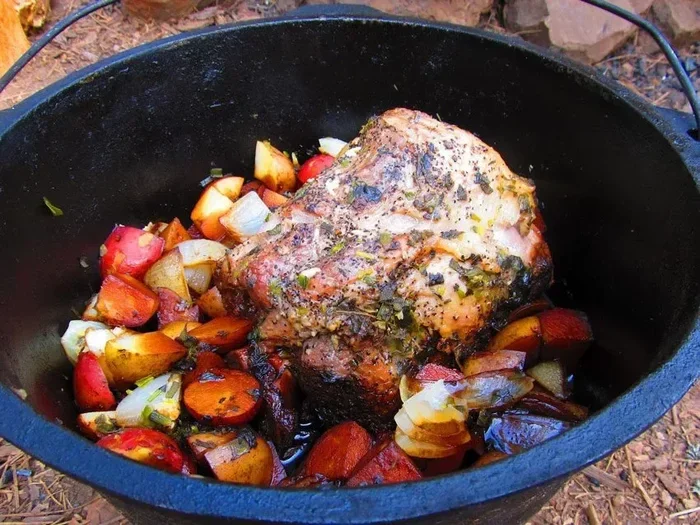
4. Roasting Meats and Vegetables
A Dutch oven works great for roasting. You can brown a whole chicken on the stovetop, then move it to the oven to finish cooking. The even heat roasts the meat beautifully, and the lid keeps it juicy.
You can also roast vegetables in a Dutch oven. Toss them with oil, salt, and herbs, then let them cook until they are caramelized and tender. The results are often better than using a regular baking sheet.
5. Deep Frying and Frying Foods
Many people do not know this, but a Dutch oven is excellent for deep frying. The heavy walls keep the oil temperature steady, which is key for crispy, non-greasy fried foods.
You can fry chicken, fish, doughnuts, or even french fries. The tall sides also keep the oil from splashing out, which makes it safer than using a regular pan. Just use a thermometer to keep the oil at the right temperature.
6. One-Pot Meals for Busy Days
One-pot meals are a lifesaver on busy weeknights. A Dutch oven makes this style of cooking easy. You can brown meat, add vegetables, pour in broth, and let it all simmer together.
Everything cooks in one pot, which means less cleanup. Meals like chili, curry, and pasta dishes all work wonderfully. You can prep a big batch and eat well for several days.
7. Campfire and Outdoor Cooking
A Dutch oven is a must-have for outdoor cooking. You can place it directly over coals or hang it over a fire. It works great for camping trips, backyard cookouts, and tailgate parties.
You can make chili, cornbread, cobbler, or even pizza over an open flame. The pot holds heat so well that it works even without electricity or gas. It is truly a versatile piece of cookware for any setting.
Best Dutch Oven Recipes for Beginners
If you are new to using a Dutch oven, start with these simple and delicious recipes. They show off the pot’s abilities without being complicated.
Easy Chicken and Rice
Season chicken thighs with salt, pepper, and garlic powder. Brown them in the pot on the stovetop. Add diced onions, carrots, and celery. Pour in chicken broth and add rice. Cover with the lid and let it simmer until the rice is cooked through. This is a complete meal in one pot.
Classic Beef Stew
Cut beef chuck into cubes and brown them in the pot. Add diced potatoes, carrots, and onions. Pour in beef broth and add thyme, bay leaves, salt, and pepper. Cover and let it simmer on low heat for about two hours. The result is a rich, hearty stew that the whole family will love.
Simple No-Knead Bread
Mix flour, water, yeast, and salt in a bowl. Cover and let it sit overnight. The next day, preheat your Dutch oven in the oven at a high temperature. Pour in the dough, cover with the lid, and bake. The steam inside the pot creates a beautiful crust. You do not need to knead the dough at all.
Dutch Oven for Slow Cooking and Braising
Slow cooking and braising are where a Dutch oven truly shines. These cooking methods need low, steady heat over a long time. A cast iron pot delivers this perfectly.
Braising works best with tough cuts of meat like chuck roast, pork shoulder, or lamb shanks. The long cooking time breaks down the collagen in the meat, making it incredibly tender. The liquid in the pot turns into a rich, flavorful sauce.
For slow cooking, you can use your Dutch oven on the stovetop or in the oven. Set the temperature low and let the food cook for several hours. This is perfect for pulled pork, pot roast, or even vegetarian dishes like stuffed peppers.
One big advantage of using a Dutch oven for braising is that you can start on the stovetop and finish in the oven. This gives you control over the cooking process. You get a nice sear on the meat first, then let the oven do the slow work for you.
Why Braising in a Dutch Oven Works So Well
The tight-fitting lid is the key. It traps moisture and heat, creating a sealed environment. This means your braising liquid stays at the right level and your food stays tender. The cast iron material also radiates gentle heat from all sides, not just the bottom.
This even heat distribution prevents hot spots, which can burn your food. Every piece of meat or vegetable cooks at the same rate. The result is food that is cooked through and full of flavor.
Can You Use a Dutch Oven on the Stove and in the Oven?
Yes! This is one of the best things about a Dutch oven. It works on gas stoves, electric stoves, and induction cooktops. Most enamel-coated Dutch ovens can go up to 500 degrees Fahrenheit in the oven.
This stovetop-to-oven feature is incredibly useful. You can start your dish on the stove to brown or sear the ingredients. Then you move the whole pot into the oven to finish cooking. This saves time and gives you better results.
Just be careful with bare cast iron Dutch ovens. Some handles are not oven-safe, and the lid knobs can melt if they are made of plastic. Always check the manufacturer’s guidelines before putting your pot in a hot oven.
Heat Retention and Even Cooking
The thick walls of a Dutch oven are designed to hold heat. This is called heat retention, and it is a big deal for cooking. Once your pot is hot, it stays hot even when you add cold food or open the lid.
This is why Dutch ovens work so well for simmering and slow cooking. The temperature does not drop when you add ingredients. The pot keeps a steady, even heat that cooks your food perfectly every time.
Compared to thin pans or lightweight pots, a Dutch oven gives you much more control. You can cook at low temperatures for a long time without worrying about scorching or uneven cooking.
Tips for Getting the Most Out of Your Dutch Oven
To get the best results from your Dutch oven, follow these simple tips. They will help you cook better and keep your pot in great shape for years.
Preheat Your Pot Slowly
Cast iron takes time to heat up. Always preheat your Dutch oven on low to medium heat. This prevents warping and ensures even cooking. If you heat it too fast, the bottom can get hotter than the sides.
Use the Right Oil for Searing
When you are searing meat, use an oil with a high smoke point. Avocado oil, canola oil, or grapeseed oil work great. This prevents the oil from burning and keeps your food from sticking.
Do Not Skip the Preheating Step for Bread
If you are baking bread, preheat the Dutch oven with the oven. This is important because the pot needs to be very hot when the dough goes in. The hot pot creates that crispy crust right away.
Clean It the Right Way
For enamel-coated Dutch ovens, hand washing is best. Avoid harsh scrubbers that can scratch the enamel. For bare cast iron, do not use soap. Just rinse with warm water and scrub with a brush. Dry it right away to prevent rust.
Store with the Lid Off
Let your Dutch oven dry completely before storing it. Keep the lid slightly off to allow air to circulate. This prevents moisture from building up, which can cause rust or mildew.
Use It for Meal Prep
A Dutch oven is perfect for meal prep. Make a big batch of soup, stew, or chili on the weekend. Store it in the fridge or freezer. You will have ready-made meals for the week ahead. This saves time and money, and you always have a healthy home-cooked meal ready to go.
Experiment with Different Recipes
Do not be afraid to try new things with your Dutch oven. Once you get comfortable with the basics, start exploring. Try making pizza, risotto, or even desserts like cobblers and fruit crisps. The possibilities are really endless.
Common Mistakes to Avoid When Using a Dutch Oven
Even though a Dutch oven is forgiving, there are a few mistakes to watch out for. Avoiding these will help you get better results every time.
- Using high heat: Cast iron heats slowly but holds heat strongly. High heat can burn your food and damage the pot. Stick to low or medium heat.
- Not preheating the pot: For bread baking or searing, preheating is essential. Skipping this step leads to soggy bread or poor browning.
- Overfilling the pot: Leave some room at the top. Food expands as it cooks, and the lid needs space for steam to circulate.
- Using metal utensils: If your Dutch oven has an enamel coating, use wooden or silicone utensils. Metal can scratch the surface.
- Ignoring the lid: The lid is part of the cooking process. Removing it too often lets out heat and moisture, which affects your results.
Expert Insights: Why Chefs Love the Dutch Oven
Professional chefs have trusted Dutch ovens for decades. The heavy construction and even heat distribution make it a go-to tool in both home and restaurant kitchens.
Chef Thomas Keller once called the Dutch oven the most important pot in any kitchen. The reason is simple. It replaces the need for many other pots and pans. You can sear, sauté, simmer, braise, roast, and bake all with the same pot.
Many cooking shows and food blogs feature Dutch oven recipes because the results are so reliable. Whether you are making a weeknight dinner or a weekend feast, this pot delivers every time.
The versatility of this cookware is what sets it apart from other pots and pans. A regular saucepan cannot braise. A baking sheet cannot simmer. But a Dutch oven can do all of these things and more.
Dutch Oven vs. Other Cookware
Compared to a regular stockpot, a Dutch oven has much thicker walls. This means better heat retention. Compared to a skillet, it has higher sides, which is great for liquid-based dishes. Compared to a slow cooker, it gives you more control over the cooking process and better browning.
Each type of cookware has its place, but the Dutch oven covers more ground than almost any other single pot. It is a smart investment for any home cook who wants to expand their cooking skills.
Final Thoughts
A Dutch oven is truly one of the best kitchen investments you can make. The uses are endless, from simple weeknight soups to impressive weekend roasts and homemade bread.
Once you start using a Dutch oven regularly, you will wonder how you ever cooked without one. The even heat, the moisture retention, and the depth of flavor it adds to food are hard to beat. It is a kitchen staple that pays for itself over and over again.
Whether you are a beginner or a seasoned home cook, a Dutch oven belongs in your kitchen. Start with simple recipes, experiment with new techniques, and enjoy the process. The more you use it, the more you will love it. So go ahead, pull out your Dutch oven, and start cooking something delicious today.
The beauty of this pot is that it gets better with time. Cast iron cookware develops character the more you use it. So take care of your Dutch oven, and it will reward you with years of wonderful meals.
Frequently Asked Questions
What can a Dutch oven be used for besides soups and stews?
A Dutch oven can be used for baking bread, roasting meats, deep frying, making one-pot meals, and even campfire cooking. The heavy cast iron walls make it perfect for searing, braising, simmering, and slow cooking a wide variety of dishes.
Can you bake bread in a Dutch oven?
Yes, baking bread in a Dutch oven is one of the most popular uses. The pot traps steam, which creates a crispy golden crust on the outside while keeping the inside soft and airy. You do not need a bread stone or a special oven to get great results.
Is a Dutch oven the same as a slow cooker?
Not exactly. A Dutch oven is made of cast iron and can be used on the stovetop and in the oven. A slow cooker is an electric appliance that cooks food on low heat over many hours. A Dutch oven gives you more control and can achieve browning and searing that a slow cooker cannot.
Can a Dutch oven go on an induction cooktop?
Yes, most cast iron Dutch ovens work on induction cooktops. The magnetic properties of cast iron make it compatible with induction heating. Just check the manufacturer’s guidelines to be sure your specific model is induction-safe.
How do you clean a Dutch oven after cooking?
For enamel-coated Dutch ovens, hand wash with warm water and mild soap. Avoid abrasive scrubbers. For bare cast iron Dutch ovens, rinse with warm water and use a brush or chain-mail scrubber. Do not use soap on bare cast iron, and always dry the pot completely to prevent rust.
What is the best Dutch oven for beginners?
A 5- to 7-quart enamel-coated Dutch oven is the best choice for beginners. It is easy to use, simple to clean, and works on all cooktops including induction. Popular brands like Le Creuset and Staub are great, but there are also affordable options that work just as well for everyday cooking.
=== CONCLUSION ===
A Dutch oven is one of the most useful and versatile pieces of cookware you can own. From making hearty stews and tender braised meats to baking fresh bread and frying foods, the uses are truly endless. The heavy cast iron construction provides even heat and excellent moisture retention, which makes every dish taste better.
Whether you are cooking on the stovetop, in the oven, or over a campfire, a Dutch oven delivers reliable, delicious results every time. It is a kitchen staple that works for beginners and experts alike. Start exploring the many ways to use your Dutch oven today, and you will quickly see why it is a favorite among home cooks everywhere.
Invest in a good Dutch oven, take care of it, and it will serve you well for decades. The meals you create will be worth every penny. Happy cooking!