Can You Put Undercooked Cookies Back In The Oven Again
Yes, you can absolutely put undercooked cookies back in the oven. Whether your cookie dough came out too soft or the edges need more golden brown color, a quick return to the oven fixes most issues. This guide covers safe methods, timing tips, and expert tricks to rescue your batch without wasting a single treat.
You pull your cookies out of the oven and immediately know something went wrong. The centers look raw. The edges seem underdone. Your stomach drops, and you wonder if the whole batch is ruined.
Can you put undercooked cookies back in the oven? The short answer is a resounding yes. You do not have to throw away a batch of undercooked cookies. With the right approach, you can fix them and still enjoy warm, delicious treats. This guide walks you through every step, from why cookies come out underdone to the exact method for putting them back in the oven safely.
Whether you bake chocolate chip cookies, sugar cookies, or oatmeal treats, the principles remain the same. Let us dive in and save your batch.
Key Takeaways
- Undercooked cookies can be saved: Simply return them to the oven at a lower temperature for a few extra minutes.
- Lower the heat: Use 25-50°F less than the original temperature to avoid burning the edges while the center finishes cooking.
- Check frequently: Watch your cookies closely since overbaking is just as bad as underbaking.
- Residual heat matters: Cookies continue cooking on the hot baking sheet after removal, so pull them slightly early.
- Food safety is key: Raw egg in cookie dough means proper internal temperature matters for safe eating.
- Prevention is best: Use an oven thermometer and set timers to avoid undercooking in the first place.
📑 Table of Contents
- Why Do Cookies Come Out Undercooked?
- Can You Put Undercooked Cookies Back In The Oven?
- How Long to Put Undercooked Cookies Back In The Oven
- Common Mistakes When Rescuing Undercooked Cookies
- Tips for Perfect Cookies Every Time
- How Does This Compare to Other Oven Rescue Methods?
- Expert Insights on Baking Cookies to Perfection
- Frequently Asked Questions
- Final Thoughts
Why Do Cookies Come Out Undercooked?
Before we fix the problem, it helps to understand what causes it. Several common factors lead to undercooked cookies. Knowing the root cause helps you prevent it next time.
Incorrect Oven Temperature
Your oven might not be reaching the right temperature. Many home ovens run 25°F or more cooler than what the dial says. This is a huge reason cookies bake unevenly. An oven thermometer is a cheap and essential tool for any baker. Without one, you are essentially guessing.
Dough Was Too Cold or Too Warm
If your cookie dough was straight from the fridge, it needs extra time in the oven. Cold dough takes longer to set. On the flip side, dough left out too long can spread too much before it firms up. Both situations lead to undercooked centers.
Baking Time Was Too Short
Sometimes we simply pull cookies out too early. Ovens vary, and even the same oven behaves differently across batches. The first few cookies on a sheet often bake faster than the last ones. Baking time can shift based on pan color, oven hot spots, and how many trays you have inside.
Pan Choice and Placement
Dark baking sheets absorb more heat and can cause edges to brown quickly while centers stay soft. Light-colored pans distribute heat more evenly. Where you place the pan in the oven also matters. Cookies on the top rack may not bake through the same way as those on the middle rack.
Can You Put Undercooked Cookies Back In The Oven?
The answer is yes, and it is simpler than you think. Putting undercooked cookies back in the oven is a standard rescue technique used by home bakers and professional pastry chefs alike. The key is doing it gently and carefully.
Here is the good news. Cookies are forgiving. Unlike a cake that cannot be fixed once it is out, cookies can go back in with great results. The residual heat from the pan and the oven works together to finish the job.
However, there is a right way and a wrong way to do this. The wrong way involves cranking up the heat or leaving them in too long. That turns a rescue mission into a batch of burnt, overbaked cookies. Let us look at the right method.
The Low-and-Slow Method
Reduce your oven temperature by 25°F to 50°F from the original recipe setting. If the recipe called for 350°F, set it to 325°F. Place the undercooked cookies back on the baking sheet and slide them into the oven for 3 to 5 minutes. This gentle approach lets the center cook through without burning the edges.
Remove the Pan and Let Residual Heat Work
Another effective trick is to simply pull the pan out and let the cookies sit for a few extra minutes. The hot pan continues to transfer heat to the cookie bottoms. The residual heat finishes the cooking process without any additional oven time. This works especially well for cookies that are only slightly underdone.
Use a Toothpick Test
Stick a toothpick into the thickest part of the cookie. If it comes out with wet dough clinging to it, the cookie needs more time. If it comes out clean or with just a few dry crumbs, the cookie is done. This simple test takes the guesswork out of cookie doneness.
How Long to Put Undercooked Cookies Back In The Oven
Timing depends on how undercooked your cookies are and what type of cookie you are dealing with. There is no single answer, but here are some reliable guidelines.
For chocolate chip cookies that are only slightly soft in the center, 2 to 3 minutes at 325°F usually does the trick. For thicker cookies like oatmeal raisin or peanut butter cookies, you may need 4 to 5 minutes at a reduced temperature. Thin, crispy-style cookies need less time since they bake faster overall.
Think about how you would handle other oven-baked items. When you cook chicken kebabs in the oven, you check them frequently and adjust time based on how done they look. The same logic applies here. Cookies go from perfect to overbaked quickly, so watch them closely.
If you are reheating other baked goods that came out underdone, the approach is similar. When you cook frozen fries in an air fryer oven, you often need to check them halfway through and adjust. Cookies behave the same way. A few extra minutes makes all the difference.
Quick Reference Guide
- Slightly soft center: 2-3 minutes at 325°F
- Very raw center: 4-5 minutes at 300°F
- Edges done but center gooey: 1-2 minutes at 325°F
- Whole batch barely set: 5-7 minutes at 300°F
Common Mistakes When Rescuing Undercooked Cookies
Even with good intentions, people make mistakes when trying to fix undercooked cookies. Avoid these pitfalls to get the best results.
Turning Up the Heat Too High
This is the number one mistake. Cranking the oven to 400°F or higher to “speed things up” will burn the edges long before the center cooks through. Always use the low-and-slow approach. Patience gives you better results.
Leaving Cookies on the Hot Pan Too Long
Cookies continue to bake on the hot pan after you pull them from the oven. This is called carryover cooking. If you leave them sitting on the pan for too long after the rescue bake, they will overbake. Transfer them to a wire rack within 1 to 2 minutes.
Ignoring Food Safety
Cookie dough often contains raw eggs. Raw eggs carry a risk of foodborne illness. If your cookies were extremely undercooked with visible raw dough in the center, make sure they reach a safe internal temperature. The USDA recommends eggs reach 160°F internally. A food thermometer helps you verify this.
Not Adjusting for Cookie Type
A thin sugar cookie and a thick peanut butter cookie need different rescue times. Thin cookies need less time because they are closer to the heat source. Thick cookies need more time for heat to penetrate to the center. Always consider the cookie’s thickness and density when deciding how long to bake.
Tips for Perfect Cookies Every Time
Prevention beats rescue every time. Use these tips to make sure your next batch comes out perfectly baked from the start.
Use an Oven Thermometer
This small tool changes everything. Place it inside your oven and check the actual temperature against what the dial says. Most ovens are off by at least 10°F to 25°F. Once you know your oven’s true temperature, you can adjust baking times accordingly.
Chill Your Cookie Dough
Refrigerating dough for at least 30 minutes prevents spreading. Cold dough holds its shape better and bakes more evenly. This is especially helpful for chocolate chip cookies and butter-heavy recipes.
Rotate Your Pans Halfway Through
Most ovens have hot spots. Rotating your baking sheet 180 degrees halfway through the baking time ensures even cooking. This simple step prevents one side from being done while the other stays undercooked.
Pull Cookies When They Look Slightly Underdone
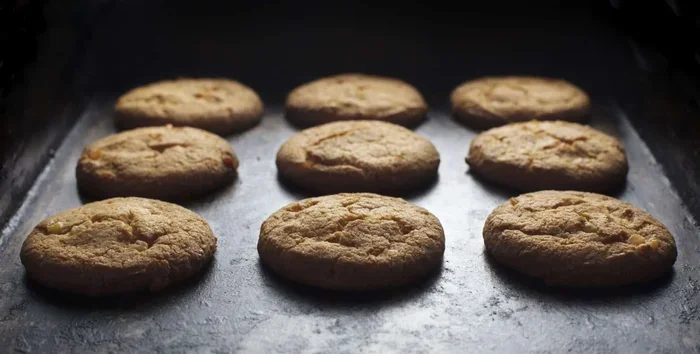
This might sound counterintuitive, but cookies firm up as they cool. The edges should look set and lightly golden. The centers should still look slightly soft and underdone. They will continue cooking on the hot pan. This is the ideal moment to pull them out.
Line Your Baking Sheets Properly
Use parchment paper or a silicone baking mat. These create a gentle, even barrier between the cookie and the hot pan. Bare metal sheets can cause bottoms to brown too quickly, leaving centers raw.
Consider Your Altitude
High altitude affects baking significantly. At higher elevations, lower air pressure causes baked goods to rise faster and then collapse. If you live above 3,000 feet, you may need to adjust oven temperature and baking time. Cookies can come out undercooked at altitude even when the timer says they are done.
How Does This Compare to Other Oven Rescue Methods?
Rescuing undercooked baked goods is not unique to cookies. Different foods need different approaches. Here is how cookie rescue compares to other oven-baked items.
| Baked Item | Rescue Method | Time Needed | Risk Level |
|---|---|---|---|
| Undercooked Cookies | Lower temp, 2-5 min return | 3-5 minutes | Low |
| Undercooked Chicken | Return to oven until 165°F internal | 5-15 minutes | Medium (food safety) |
| Undercooked Pizza | Return to hot oven on lower rack | 3-5 minutes | Low |
| Undercooked Pumpkin Seeds | Return to oven for extra roast time | 5-10 minutes | Low |
| Undercooked Oysters | Return to oven until shells open | 3-7 minutes | Medium (food safety) |
Cookies are among the easiest items to rescue because they are small and bake quickly. When you roast pumpkin seeds in the oven, you can also pop them back in if they need more time. The same goes for cooking oysters in the oven where timing precision matters. But cookies give you the most flexibility because their small size means heat reaches the center fast.
For commercial settings, things work differently. When you use an electric pizza oven for commercial use, consistency and timing are built into the equipment. Home ovens lack that precision, which is why undercooking happens more often than we would like.
Expert Insights on Baking Cookies to Perfection
Professional bakers have a few tricks that make all the difference. Here is what the experts want you to know.
Know your oven. Every oven is different. Spend a few minutes learning your oven’s quirks. Note where it runs hot and where it runs cool. Place your oven thermometer in different spots to map the temperature zones.
Invest in quality baking sheets. Heavy-gauge aluminum pans distribute heat more evenly than thin, flimsy ones. Warped pans create hot spots that lead to uneven baking. A good baking sheet is worth the investment.
Do not overcrowd the pan. Give cookies enough space to spread. Crowded cookies trap steam, which creates a soggy, undercooked texture. Leave at least 2 inches between each cookie on the baking sheet.
Use room temperature dough. Taking your cookie dough out 10 to 15 minutes before baking helps it cook more evenly. Cold dough from the fridge bakes unevenly because the outside cooks faster than the inside.
Trust the visual cues. The edges should be golden brown. The centers should look slightly underdone but set. If the tops still look shiny and wet, they need more time. If the edges are dark brown, they are already overbaked.
Frequently Asked Questions
Can you eat slightly undercooked cookies?
Yes, you can eat slightly undercooked cookies if they contain eggs, as long as the edges and bottoms are set. The residual heat from the pan continues cooking the center. However, if the cookie dough is completely raw in the middle, it is best to return it to the oven for a few more minutes to ensure food safety.
What temperature should you use to put undercooked cookies back in the oven?
Lower the temperature by 25°F to 50°F from the original setting. If the recipe called for 350°F, use 325°F or 300°F. The lower temperature allows the center to cook through without burning the edges. This gentle approach gives you perfectly baked cookies every time.
How long should you put undercooked cookies back in the oven?
It depends on how undercooked they are. For slightly soft centers, 2 to 3 minutes at 325°F works well. For very raw centers, 4 to 5 minutes at 300°F is better. Always check with a toothpick test after 2 minutes to avoid overbaking.
Can you put baked cookies back in the oven to crisp them up?
Yes, you can. Place fully baked cookies on a sheet and return them to a 300°F oven for 2 to 3 minutes. This revives slightly soft cookies and restores that desirable crisp texture. Keep a close eye on them since they can overbake quickly.
Is it safe to eat cookies with raw egg in the center?
It carries some risk. Raw eggs can contain Salmonella bacteria. If the center is still visibly raw and wet, it is safer to return the cookies to the oven until they reach an internal temperature of 160°F. Using pasteurized eggs in your recipe eliminates this concern entirely.
Can you freeze undercooked cookie dough instead of baking it?
Yes, you can. If your cookies keep coming out undercooked, try freezing the shaped dough balls and baking them straight from frozen. Frozen dough takes a couple of extra minutes to bake through, and the cold center spreads less, giving you thicker, more evenly baked cookies.
Final Thoughts
Can you put undercooked cookies back in the oven? Absolutely. With the right temperature, the right timing, and a little patience, you can rescue any batch of undercooked cookies. The low-and-slow method is your best friend here. Lower the temperature, keep a close eye on the timer, and pull them when they look just right.
Remember that cookies continue cooking after they leave the oven. The residual heat from the baking sheet finishes the job. Pulling them slightly early and letting them rest on the pan is the secret to perfectly baked cookies every single time.
Use these tips, avoid the common mistakes, and your next batch of cookies will come out golden brown with the perfect texture. Your oven is a powerful tool, and once you learn how it works, you will never have a batch of wasted cookies again. Happy baking!