Difference Between Self Cleaning And Steam Cleaning Oven
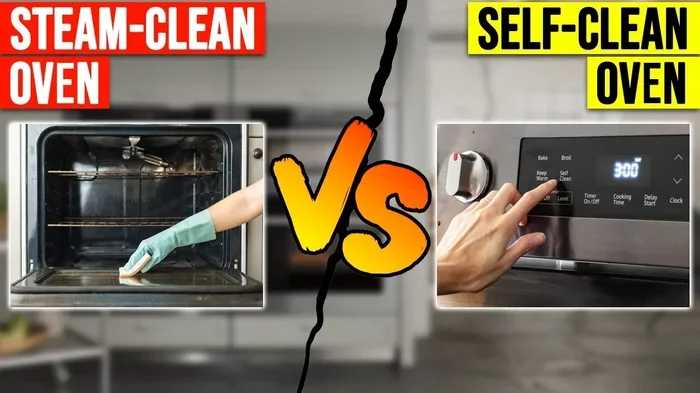
The difference between self cleaning and steam cleaning oven systems lies in how they remove grease, grime, and food residue. Self cleaning ovens use extreme heat to burn off residue, while steam cleaning ovens use water vapor to loosen dirt gently. Both methods offer effective oven maintenance but suit different household needs and cleaning preferences.
Every home cook knows the frustration of a dirty oven. Grease splatters, food spills, and baked-on residue can make your oven look terrible and even affect how your food tastes. When it is time to clean, most people face a big question. Should you use the self cleaning feature or try steam cleaning? The difference between self cleaning and steam cleaning oven systems is more important than many homeowners realize.
Both methods promise a cleaner oven without harsh scrubbing. But they work in very different ways. One uses extreme heat to burn off grime. The other uses gentle water vapor to loosen dirt. Understanding these differences helps you choose the right approach for your kitchen. This guide breaks down everything you need to know about self cleaning vs steam cleaning oven technology, so you can make a smart decision for your household.
Whether you own a standard oven or a high-end convection model, the cleaning method you pick affects your daily routine. It also impacts energy use, safety, and how long your appliance lasts. Let us dive into the full comparison of these two popular oven cleaning solutions.
Key Takeaways
- Self-cleaning ovens use high heat to carbonize grease and food residue, making cleanup nearly effortless.
- Steam cleaning ovens use water vapor to soften grime, offering a gentler and faster cleaning option.
- Self cleaning takes longer but requires less manual effort compared to steam cleaning.
- Steam cleaning is safer for everyday maintenance and does not produce strong odors.
- Both methods reduce the need for harsh chemical cleaning agents inside your oven.
- Your choice depends on how often you clean, your oven type, and your household preferences.
- Regular maintenance with either method keeps your oven performing efficiently for years.
📑 Table of Contents
- What Is a Self-Cleaning Oven?
- What Is a Steam Cleaning Oven?
- Comparing Self-Cleaning and Steam Cleaning Ovens
- Which Cleaning Method Is Right for You?
- Tips for Getting the Best Results
- Common Mistakes to Avoid
- How Oven Cleaning Affects Your Kitchen and Health
- Cost Considerations: Self-Cleaning vs Steam-Cleaning Ovens
- Final Thoughts
What Is a Self-Cleaning Oven?
A self-cleaning oven uses a special cleaning cycle that heats the interior to extremely high temperatures. Most self-cleaning ovens reach temperatures between 800 and 1000 degrees Fahrenheit during the cycle. At these temperatures, food residue and grease turn into ash. You simply wipe away the ash after the cycle finishes.
How Does the Self-Cleaning Cycle Work?
The self-cleaning process is called pyrolytic cleaning. During the cycle, the oven locks its door automatically. This is a safety feature. The extreme heat breaks down organic material into carbon ash. The entire process usually takes two to four hours. Some newer models complete the cycle faster.
After the cycle ends, the oven cools down. Once it is safe to open, you use a damp cloth to wipe out the ash. That is really all there is to it. No scrubbing. No chemical sprays. No elbow grease needed.
Pros of Self-Cleaning Ovens
- Deep cleaning that removes even stubborn, baked-on stains.
- No chemical cleaners needed inside the oven cavity.
- Convenient for thorough, periodic deep cleans.
- Odor reduction because all food particles are burned away.
- Time-saving compared to manual scrubbing.
Cons of Self-Cleaning Ovens
- High energy consumption due to extreme heat levels.
- Strong odors can fill your kitchen during the cycle.
- Long cycle times that take several hours.
- Risk of smoke if large food spills are present.
- Heat damage risk to oven components over time.
Self-cleaning ovens are great for deep cleaning. But they are not ideal for everyday use. The high heat puts stress on the oven door glass, seals, and heating elements. Most experts recommend using the self-cleaning feature only a few times a year.
What Is a Steam Cleaning Oven?
A steam cleaning oven uses water vapor to loosen and dissolve grease and food residue. Instead of extreme heat, the oven heats a small amount of water to create steam. The steam softens grime on the oven walls, floor, and ceiling. After the cycle, you wipe the interior clean with a cloth or sponge.
How Does the Steam Cleaning Cycle Work?
The steam cleaning process is much simpler. You add a small cup of water to the bottom of the oven. Then you start the steam cycle. The oven heats the water to around 250 degrees Fahrenheit. This creates steam that fills the interior cavity. The steam penetrates grease and food residue, breaking the bond between the dirt and the oven surface.
The cycle typically takes about 20 to 30 minutes. Once it finishes, you let the oven cool slightly. Then you wipe the interior with a soft cloth. The grime comes off easily because the steam has already loosened it. No scrubbing required.
Pros of Steam Cleaning Ovens
- Fast cycle time compared to self-cleaning methods.
- Low energy use because temperatures are much lower.
- No strong odors during or after the cycle.
- Safe for everyday use without risking damage to oven parts.
- Gentle on the oven interior, including the door glass and seals.
Cons of Steam Cleaning Ovens
- Less effective on heavy, baked-on residue. It works best on light to moderate grime.
- Requires manual wiping after the steam cycle ends.
- Not ideal for deep cleaning neglected ovens with years of buildup.
- May need multiple cycles for stubborn stains.
Steam cleaning is perfect for regular maintenance. If you clean your oven often, steam cleaning keeps it in great shape without the wear and tear caused by high-heat cycles. Many homeowners love the simplicity of this method.
Comparing Self-Cleaning and Steam Cleaning Ovens
The difference between self cleaning and steam cleaning oven systems goes beyond just the cleaning method. Each approach has unique benefits and limitations. Let us compare them across several important factors so you can see which one fits your needs better.
Cleaning Effectiveness
When it comes to removing tough, baked-on grease, self-cleaning ovens win. The extreme heat carbonizes even the most stubborn residue. Steam cleaning works well for light spills and regular maintenance. But it struggles with heavy buildup that has been baked on for weeks or months.
Time and Energy Efficiency
Steam cleaning is much faster. A cycle takes about 20 to 30 minutes. Self-cleaning cycles run for two to four hours. Steam cleaning also uses far less energy because it operates at lower temperatures. If you want a quick clean after a meal, steam cleaning is the clear winner.
Safety Considerations
Self-cleaning ovens pose some safety risks. The oven door locks during the cycle because the interior reaches dangerous temperatures. Smoke and odors are common, especially if there is a lot of food residue. Steam cleaning is much safer. The temperatures stay low, and there is no risk of smoke or fire.
Oven Longevity
Repeated self-cleaning cycles can wear out oven components over time. The extreme heat stresses the door seals, glass, and heating elements. Steam cleaning is gentle on all parts. It does not cause thermal expansion and contraction the way high heat does. For long-term appliance care, steam cleaning is the gentler choice.
Odor and Fumes
Self-cleaning ovens can produce strong odors and smoke during the cycle. This happens because the burning food residue releases fumes into the air. Steam cleaning produces no unpleasant smells. The only scent you might notice is a slight humidity in the kitchen.
| Feature | Self-Cleaning Oven | Steam Cleaning Oven |
|---|---|---|
| Cleaning Method | Extreme heat burns off residue | Water vapor loosens grime |
| Cycle Duration | 2 to 4 hours | 20 to 30 minutes |
| Temperature | 800 to 1000 degrees Fahrenheit | 200 to 250 degrees Fahrenheit |
| Energy Use | High | Low |
| Best For | Deep cleaning and heavy buildup | Regular maintenance and light cleaning |
| Manual Effort | Minimal wiping after cycle | Wiping required after cycle |
| Odor Production | Strong odors possible | No odors |
| Oven Component Wear | Higher wear over time | Minimal wear |
| Safety Risk | Higher (heat, smoke, locked door) | Lower (low temperatures) |
| Cost | Higher initial cost | Moderate initial cost |
Which Cleaning Method Is Right for You?
Choosing between self-cleaning and steam cleaning depends on your lifestyle, cooking habits, and cleaning preferences. There is no single best answer. But understanding your needs makes the decision much easier.
Choose Self-Cleaning If…
- You rarely clean your oven and need a deep clean.
- You have heavy, baked-on grease and food residue.
- You want minimal effort during the cleaning process.
- You do not mind waiting a few hours for the cycle to finish.
- You clean your oven only a few times a year.
Choose Steam Cleaning If…
- You cook frequently and need regular maintenance.
- You prefer quick cleaning sessions that take less than 30 minutes.
- You want to avoid strong odors and smoke in your kitchen.
- You care about preserving your oven components long-term.
- You prefer a gentler, more eco-friendly cleaning approach.
Can You Use Both Methods?
Absolutely. Many homeowners use steam cleaning for regular upkeep and reserve self-cleaning for deep cleans once or twice a year. This combination keeps the oven in excellent condition without putting unnecessary stress on the appliance. It is the best of both worlds.
Tips for Getting the Best Results
No matter which cleaning method you choose, a few simple tips help you get the best results. These practical steps make oven maintenance easier and more effective.
Quick Tips for Self-Cleaning
- Remove large food debris before starting the cycle. This reduces smoke and odor.
- Vent your kitchen by opening windows or turning on the range hood.
- Stay home during the self-cleaning cycle for safety.
- Let the oven cool completely before opening the door after the cycle.
- Use a damp cloth to wipe out the ash once the oven is cool.
Quick Tips for Steam Cleaning
- Add a cup of water with a splash of white vinegar for extra cleaning power.
- Run the cycle after cooking when the oven is still slightly warm.
- Wipe down the interior right after the cycle while surfaces are still damp.
- Use a soft microfiber cloth to avoid scratching the oven lining.
- Repeat the cycle if stubborn spots remain after the first try.
Expert Insights on Oven Cleaning
Professional appliance technicians agree that regular cleaning extends the life of your oven. Grease buildup can affect heating efficiency and even create fire hazards. Experts recommend cleaning your oven at least once a month for light users and once a week for frequent cooks. Using steam cleaning for regular maintenance and self-cleaning for deep cleans is the approach most technicians endorse.
Another expert tip is to avoid using commercial oven cleaners in self-cleaning ovens. The self-cleaning cycle already burns off chemical residues. Adding extra chemicals can produce harmful fumes during the high-heat cycle. Stick to water and gentle wiping for the best results.
Common Mistakes to Avoid
Even with the best oven, mistakes during the cleaning process can cause problems. Here are common errors homeowners make and how to avoid them.
Using Self-Cleaning Too Often
The biggest mistake is running the self-cleaning cycle too frequently. The extreme heat degrades oven seals, door glass, and heating elements over time. Limit self-cleaning to two or three times per year at most. Use steam cleaning for everything else.
Forgetting to Remove Large Spills First
Starting a self-cleaning cycle with large food debris inside creates excessive smoke and odor. It can also leave carbon marks that are harder to remove. Always clean up large spills before running any cleaning cycle.
Skipping the Wipe-Down After Steam Cleaning
Steam cleaning loosens grime, but it does not remove it on its own. If you do not wipe the interior after the cycle, the softened residue can harden again. Always follow up with a quick wipe using a damp cloth.
Ignoring the Oven Door Glass
The oven door glass often gets overlooked during cleaning. Grease and grime build up on the glass, making it hard to see through. Clean the door glass separately with a mild cleaner and a soft cloth, regardless of which oven cleaning method you use.
Using Abrasive Cleaners
Steel wool, harsh scrubbers, and abrasive chemical cleaners can damage the oven interior coating. This is especially true for ovens with non-stick or porcelain linings. Stick to soft cloths, water, and gentle cleaners only.
How Oven Cleaning Affects Your Kitchen and Health
Cleaning your oven is not just about appearance. It also affects the air quality in your home and the safety of your cooking environment. A dirty oven can release smoke, odors, and even harmful particles into your kitchen while you cook.
Grease buildup inside the oven can cause smoke during regular cooking. This smoke carries particles that can irritate your lungs and eyes. Over time, accumulated grease can also become a fire hazard. Regular oven maintenance with either self-cleaning or steam cleaning reduces these risks significantly.
Steam cleaning has an advantage here because it does not produce smoke or fumes. Self-cleaning produces some smoke during the cycle, so proper ventilation is essential. Opening windows and using your range hood helps keep the air quality safe during a self-cleaning cycle.
For households with children or pets, steam cleaning is the safer choice. There is no risk of burns from hot surfaces or exposure to smoke. The low-temperature steam cycle is gentle and completely safe for the surrounding environment.
Cost Considerations: Self-Cleaning vs Steam-Cleaning Ovens
The price difference between self-cleaning and steam-cleaning ovens is worth considering. Self-cleaning ovens typically cost more upfront because of the advanced technology involved. The pyrolytic cleaning system requires special insulation and reinforced interior components to handle extreme temperatures.
Steam-cleaning ovens are generally more affordable. The technology is simpler and does not require the same level of heat-resistant materials. However, some high-end steam-cleaning models with advanced features can also carry a premium price tag.
When you look at long-term costs, steam cleaning wins. The energy consumption is much lower, and there is less wear on oven components. Self-cleaning ovens may need more repairs over time due to the stress of high-heat cycles. Factor in repair costs and energy bills when making your decision.
Final Thoughts
The difference between self cleaning and steam cleaning oven systems comes down to your cleaning habits and lifestyle. Self-cleaning ovens offer powerful deep cleaning through extreme heat. They are ideal for occasional thorough cleans when heavy buildup needs to be addressed. Steam cleaning ovens provide a gentle, fast, and safe option for everyday maintenance. They work best for households that cook frequently and want to keep their oven clean with minimal effort.
Both methods reduce your reliance on harsh chemical cleaners. Both keep your oven interior hygienic and your cooking environment fresh. The key is to understand what your oven needs and how much time and effort you are willing to invest. For most households, a combination of both methods delivers the best results. Use steam cleaning for quick upkeep and self-cleaning for deep cleans a few times a year.
Take a moment to assess your cooking habits. Think about how often you use your oven and how quickly grease and spills build up. Choose the method that fits your routine. Your oven will last longer, perform better, and keep your kitchen smelling fresh. A clean oven is a happy oven, and the right cleaning method makes all the difference.
Frequently Asked Questions
Can I use steam cleaning on a heavily soiled oven?
Steam cleaning works best on light to moderate grime. For heavily soiled ovens, you may need to run multiple steam cycles or use the self-cleaning feature for a deeper clean. Pre-soaking stubborn spots with warm water before steam cleaning can also help loosen tough residue.
Is self-cleaning oven safe to use around children and pets?
Self-cleaning ovens lock the door during the cycle for safety. However, the high temperatures and smoke produced can be a concern in homes with children and pets. It is best to run the self-cleaning cycle when no one is in the kitchen and ensure proper ventilation throughout the process.
How often should I use the self-cleaning feature on my oven?
Most experts recommend using the self-cleaning feature no more than two to three times per year. Overusing the high-heat cycle can damage oven seals, door glass, and heating elements over time. Steam cleaning is a better option for regular maintenance between deep cleans.
Does steam cleaning use a lot of water?
No, steam cleaning uses very little water. Most cycles require only one cup of water placed in a safe container inside the oven. The water is converted to steam, which does the cleaning work. It is a very water-efficient method compared to manual scrubbing with water and cleaners.
Can I add vinegar to the water for steam cleaning?
Yes, adding a splash of white vinegar to the water can boost the cleaning power of steam cleaning. Vinegar helps cut through grease more effectively. Just be sure to use a heat-safe container and do not overfill it before starting the cycle.
Which oven type is better for a busy household?
For busy households that cook frequently, a steam-cleaning oven is usually the better choice. It offers fast, gentle cleaning that fits into a tight schedule. The low energy use and minimal wear on oven parts also make it more practical for everyday use in a busy kitchen.