How Long To Cook Turkey Meatballs In Oven At 375 Easy
Cooking turkey meatballs in the oven at 375°F takes about 20 to 25 minutes for perfectly juicy results. This guide covers everything from prep time and ingredient ratios to baking tips that guarantee tender, flavorful meatballs every single time. Whether you are a beginner or a seasoned cook, you will find practical steps to make oven-baked turkey meatballs your go-to dinner recipe.
Key Takeaways
- Bake at 375°F for 20-25 minutes: This is the sweet spot for fully cooked, juicy turkey meatballs with a golden crust.
- Internal temperature matters: Always check that meatballs reach 165°F internally for food safety.
- Size affects cooking time: Smaller meatballs cook faster, while larger ones need a few extra minutes.
- Resting is essential: Let meatballs rest for 5 minutes after baking to lock in juices.
- Simple ingredients work best: Ground turkey, bread crumbs, egg, and seasoning create the perfect base.
- Prep ahead saves time: You can form and freeze meatballs ahead of weeknight dinners.
📑 Table of Contents
- How Long To Cook Turkey Meatballs In Oven At 375
- Ingredients You Need for Perfect Turkey Meatballs
- Step-by-Step Instructions for Baking Turkey Meatballs
- Common Mistakes to Avoid When Baking Turkey Meatballs
- Tips for Juicy, Flavorful Turkey Meatballs Every Time
- Serving Ideas and Pairings
- How Long To Cook Turkey Meatballs In Oven At 375: Quick Reference Chart
- How This Compares to Other Oven Recipes
- Frequently Asked Questions
- Conclusion
How Long To Cook Turkey Meatballs In Oven At 375
Making turkey meatballs in the oven is one of the simplest and most satisfying dinners you can prepare. The question everyone asks is, “How long to cook turkey meatballs in oven at 375?” The answer is straightforward. At 375°F, most turkey meatballs need between 20 and 25 minutes to bake through completely.
This temperature works beautifully because it cooks the meatballs evenly without drying them out. The oven heat surrounds each meatball, creating a golden-brown exterior while keeping the inside moist and tender. Unlike stovetop frying, oven baking uses less oil and feels much easier to manage. Plus, cleanup is a breeze.
Whether you are making meatballs for spaghetti night, sandwich sliders, or a healthy snack, knowing the right baking time and oven temperature makes all the difference. In this guide, we walk you through every step so your oven-baked turkey meatballs turn out perfect every time.
The beauty of this recipe is its simplicity. You need just a few basic ingredients, a baking sheet, and about half an hour. No special equipment required. Let us dive into the details and make sure you nail this dish.
Why 375°F Is the Ideal Temperature
Not all oven temperatures work equally well for meatballs. Some recipes call for 400°F or even 425°F, but 375°F remains the gold standard for turkey meatballs. Here is why.
At 375°F, the heat penetrates the meatballs gradually. This slow, steady cooking process allows the inside to cook through without the outside burning or turning tough. Higher temperatures can cause the exterior to dry out before the center reaches the safe internal temperature of 165°F.
Lower temperatures, on the other hand, take too long and can leave meatballs sitting in their own moisture for too long, making them soggy. The 375°F sweet spot balances everything. You get a nicely browned crust, a juicy interior, and consistent results every time.
This temperature also works well with different meatball sizes. Whether you make golf-ball-sized meatballs or slightly larger ones, 375°F adapts nicely. It is forgiving and beginner-friendly.
How Size Affects Baking Time
The size of your meatballs plays a big role in how long they need to bake. Smaller meatballs cook faster, while larger ones take a bit more time.
For bite-sized meatballs (about one inch), check them at the 15-minute mark. Standard-sized meatballs (about 1.5 inches) typically need the full 20 to 25 minutes. Jumbo meatballs (two inches or larger) may need an extra 5 to 10 minutes.
Always use a meat thermometer to check doneness. Insert it into the center of the thickest meatball. When it reads 165°F, they are ready. This simple tool removes all guesswork and ensures food safety.
If you are baking different sizes on the same sheet, place the larger ones toward the back of the oven where heat circulates more evenly. This small trick helps everything cook at the same rate.
Ingredients You Need for Perfect Turkey Meatballs
Great meatballs start with great ingredients. The good news is you do not need anything fancy. A few pantry staples and fresh basics are all it takes.
Core Ingredients
- Ground turkey: Use lean ground turkey (around 93/7 lean-to-fat ratio) for the best results. Too lean and they can dry out. Too fatty and they fall apart.
- Bread crumbs: Regular or Italian-style bread crumbs help bind the mixture. They also add a tender texture inside.
- Egg: One egg per pound of turkey holds everything together during baking.
- Garlic and onion: Fresh or minced garlic and finely diced onion add deep flavor.
- Seasoning: Salt, black pepper, Italian seasoning, and a pinch of red pepper flakes work wonders.
- Parsley: Fresh chopped parsley adds brightness and color.
Optional Add-Ins for Extra Flavor
Want to take your meatballs to the next level? Try these add-ins.
- Grated Parmesan cheese for a savory, nutty kick
- Finely diced bell pepper for a subtle crunch
- A splash of Worcestershire sauce for umami depth
- Crushed red pepper flakes for heat
- Fresh oregano or basil for an aromatic twist
Keep in mind that too many add-ins can make the mixture too wet. If the mixture feels loose, add a tablespoon more bread crumbs. The mixture should hold together when you squeeze it gently.
Step-by-Step Instructions for Baking Turkey Meatballs
Now let us get into the actual process. Follow these steps and you will have delicious oven-baked turkey meatballs ready in no time.
Step 1: Preheat Your Oven
Preheat your oven to 375°F. While the oven is warming up, line a baking sheet with parchment paper or lightly grease it with cooking spray. This prevents sticking and makes cleanup effortless.
Step 2: Mix the Ingredients
In a large bowl, combine the ground turkey, bread crumbs, egg, minced garlic, diced onion, salt, pepper, and your chosen seasonings. Use your hands to mix everything together gently. Do not overmix. Overworking the meat makes meatballs dense and tough.
The mixture should feel slightly tacky but not wet. If it feels too loose, add a bit more bread crumbs. If it feels too dry, sprinkle in a teaspoon of water.
Step 3: Form the Meatballs
Scoop about one tablespoon of mixture and roll it between your palms to form a ball. Place each meatball on the prepared baking sheet, leaving about an inch of space between them. This gap allows hot air to circulate evenly around each meatball.
For uniform cooking, try to make all meatballs the same size. A cookie scoop works great for this. It ensures every meatball bakes at the same rate.
Step 4: Bake at 375°F
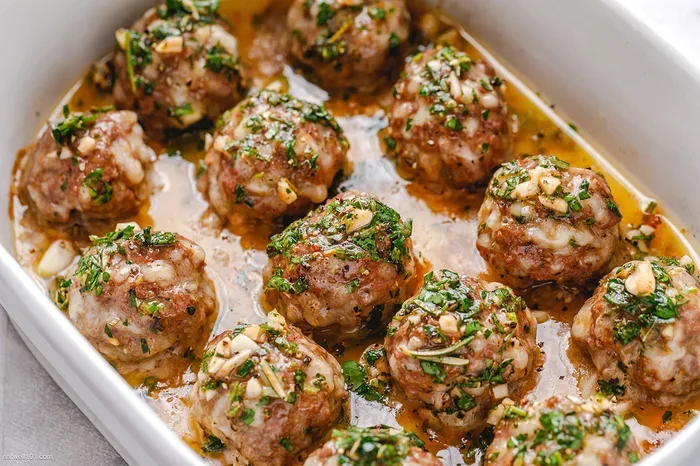
Place the baking sheet in the center rack of the preheated oven. Bake for 20 to 25 minutes. At the 15-minute mark, you can rotate the pan for even browning. The meatballs are done when they are golden brown on the outside and reach 165°F on the inside.
Do not open the oven door too often. Every time you open it, heat escapes and cooking time increases. Trust the process and check only once or twice.
Step 5: Rest and Serve
Remove the baking sheet from the oven and let the meatballs rest for 5 minutes. This resting period allows the juices to redistribute throughout the meatball. Cutting into them too soon releases all those flavorful juices onto the pan instead of keeping them inside.
Serve them over pasta, on a sandwich, with a dipping sauce, or on their own as a healthy snack. They pair beautifully with marinara sauce, ranch, or a simple garlic aioli.
Common Mistakes to Avoid When Baking Turkey Meatballs
Even simple recipes have pitfalls. Here are the most common mistakes people make when baking turkey meatballs and how to avoid them.
Overmixing the Meat
This is the number one mistake. When you mix the ingredients too aggressively, the proteins in the turkey tighten up. The result is dense, rubbery meatballs that lack a tender texture. Mix just until everything comes together. Use a light hand.
Skipping the Resting Step
Pulling meatballs straight off the pan and cutting into them releases all the juices. A short 5-minute rest makes a noticeable difference in juiciness. Think of it like resting a steak. It is a small step with a big payoff.
Using Meat That Is Too Lean
Extra-lean ground turkey (99/1) can produce dry meatballs. A small amount of fat keeps them moist and flavorful. Aim for ground turkey that is around 93/7 or 85/15 for the best balance of health and taste.
Crowding the Baking Sheet
Placing meatballs too close together traps steam and prevents proper browning. They end up steaming instead of baking, which gives a pale, soft exterior instead of that desirable golden crust. Give them space.
Not Checking Internal Temperature
guessing whether meatballs are done is risky. Turkey must reach 165°F internally to be safe to eat. A simple instant-read thermometer takes the guesswork out completely. Use it every time.
Tips for Juicy, Flavorful Turkey Meatballs Every Time
Want to elevate your turkey meatball recipe from good to great? Here are some expert tips that make a real difference.
Soak the Bread Crumbs First
Soaking bread crumbs in milk or water for 10 minutes before adding them to the mixture creates extra tender meatballs. The moisture helps keep the inside soft even after baking. This is a trick many professional cooks use.
Chill Before Baking
Refrigerating the formed meatballs for 20 to 30 minutes before baking helps them hold their shape. The fat in the turkey firms up slightly, preventing the meatballs from falling apart on the pan. This step is especially helpful if your mixture feels a bit wet.
Use a Wire Rack
Instead of placing meatballs directly on a baking sheet, set them on a wire rack over the sheet. Air circulates underneath, promoting even browning on all sides. The bottom stays crispy instead of getting soggy from sitting in any released juices.
Add Sauce After Baking
If you plan to cover meatballs in sauce, bake them first and then add the sauce for the last 5 to 10 minutes. This keeps the meatballs firm and prevents them from becoming waterlogged. The sauce caramelizes on the outside, adding a rich, glossy finish.
Freeze for Later
Made too many meatballs? Freeze the extras! Place uncooked meatballs on a parchment-lined baking sheet, freeze them solid, then transfer them to a freezer bag. When ready to bake, add 5 extra minutes to the cooking time. They bake straight from frozen beautifully.
Serving Ideas and Pairings
Turkey meatballs are incredibly versatile. Here are some delicious ways to serve them.
- Over spaghetti: Classic and comforting. Toss with marinara and top with Parmesan.
- On a sub roll: Make a hearty meatball sub with melted mozzarella and marinara.
- With rice and vegetables: A lighter, bowl-style dinner that works for meal prep.
- As appetizers: Serve with toothpicks and a variety of dipping sauces for parties.
- In lettuce wraps: A low-carb option that is fresh and satisfying.
For a complete oven dinner, you can roast vegetables alongside your meatballs. Roasted broccoli, bell peppers, and zucchini cook at the same temperature and time. Simply toss them on the same baking sheet about 5 minutes after the meatballs go in. This is a great time-saver for busy weeknights.
If you enjoy exploring different oven recipes, you might also want to check out how long to roast pumpkin seeds in the oven for another simple and delicious oven snack. The temperature and timing principles are similar.
How Long To Cook Turkey Meatballs In Oven At 375: Quick Reference Chart
Here is a quick visual reference to help you remember the key details.
- Oven temperature: 375°F
- Standard baking time: 20 to 25 minutes
- Internal temperature: 165°F
- Standard meatball size: 1.5 inches
- Small meatballs (1 inch): 15 to 20 minutes
- Jumbo meatballs (2 inches): 25 to 30 minutes
- Resting time: 5 minutes
- Prep time: 10 to 15 minutes
- Total time: 30 to 40 minutes
This quick reference makes it easy to plan your cooking around oven-baked ground turkey meatballs. Pin this chart or save it to your phone for quick access during busy weeknights.
How This Compares to Other Oven Recipes
Baking turkey meatballs at 375°F follows similar principles to other oven-cooked dishes. For instance, cooking oysters in the oven also relies on moderate heat to preserve moisture and create a tender result. The general idea of using a steady, moderate oven temperature applies across many recipes.
Similarly, chicken kebabs in the oven benefit from the same 375°F range for even cooking without drying out. Understanding how baking time varies with food size and density helps you become a more confident oven cook overall.
While cooking frozen fries in an air fryer oven uses a different appliance, the principle of setting the right temperature and timing remains the same. Knowing your oven well makes every recipe easier.
Frequently Asked Questions
Can I cook turkey meatballs at 400°F instead of 375°F?
Yes, you can. At 400°F, meatballs will bake faster, usually around 18 to 22 minutes. However, the higher temperature increases the risk of drying out the exterior before the inside is fully cooked. If you choose 400°F, check them a few minutes early and use a meat thermometer to avoid overcooking.
How do I know when turkey meatballs are done?
The most reliable way is to use an instant-read meat thermometer. Insert it into the center of the thickest meatball. When it reads 165°F, they are done. You can also check for a golden-brown exterior and firm texture, but the thermometer is the most accurate method.
Can I make turkey meatballs ahead of time?
Absolutely. You can form the meatballs and refrigerate them for up to 24 hours before baking. You can also freeze uncooked meatballs for up to 3 months. Just add 5 extra minutes to the baking time if cooking from frozen. This makes oven-baked turkey meatballs a great option for meal prep.
Why are my turkey meatballs dry after baking?
Dry meatballs usually result from overmixing, using meat that is too lean, or baking too long. Ground turkey with a small fat content (around 93/7) keeps meatballs moist. Mixing gently and checking the internal temperature at 20 minutes also helps prevent dryness.
What is the best way to store leftover meatballs?
Let cooked meatballs cool completely, then store them in an airtight container in the refrigerator for up to 4 days. Reheat them in the oven at 350°F for 10 to 15 minutes. Microwaving works too but can make the exterior slightly rubberous. The oven reheats them more evenly and preserves the texture.
Can I add sauce to the meatballs while they bake?
You can, but it is better to add sauce during the last 5 to 10 minutes of baking. Adding sauce too early can make the meatballs soggy and prevent proper browning. Baking them first creates a firm outer layer that holds up well when topped with sauce afterward.
Conclusion
Now you know exactly how long to cook turkey meatballs in oven at 375. The answer is 20 to 25 minutes for standard-sized meatballs, always checking for an internal temperature of 165°F. This simple, reliable method produces juicy, flavorful oven-baked turkey meatballs that the whole family will love.
Remember to use quality ingredients, mix gently, give the meatballs space on the pan, and let them rest before serving. These small steps add up to a big difference in texture and flavor. Whether you are cooking for a weeknight dinner or preparing a batch for the freezer, this method works every time.
Get creative with your seasonings, try different serving styles, and make this recipe your own. The more you bake, the more confident you will become. Soon, making perfect turkey meatballs will feel second nature. Happy cooking!