What Temp To Cook Turkey In Oven Bag For Juicy Results
Cooking turkey in an oven bag at the right temperature locks in moisture and delivers juicy, flavorful meat with minimal effort. The ideal temp to cook turkey in oven bag is 350°F, which ensures even cooking and a beautifully browned exterior. Whether you are roasting a whole bird or a turkey breast, an oven bag simplifies the process and cuts down on cleanup time significantly.
There is something magical about pulling a perfectly roasted turkey out of the oven. The skin is golden brown, the meat is juicy, and the kitchen smells incredible. For many home cooks, achieving this result can feel tricky. But what if I told you that an oven bag could change everything?
Using an oven bag to cook turkey is one of the simplest and most effective methods out there. It traps steam, keeps moisture locked in, and delivers consistently delicious results. The key question everyone asks is, what temp to cook turkey in oven bag? The answer is simpler than you think.
In this guide, I will walk you through everything you need to know about cooking turkey in an oven bag. From the right temperature and timing to seasoning tips and common mistakes, you will find it all here. Whether you are a beginner or a seasoned cook, this method will become your go-to for juicy turkey every single time.
Key Takeaways
- 350°F is the sweet spot: This temperature cooks turkey evenly while keeping it moist and tender inside.
- Oven bags reduce cooking time: They trap steam and heat, speeding up roasting compared to open-pan methods.
- Always use a meat thermometer: The internal temperature must reach 165°F for food safety.
- Preparation matters: Seasoning the turkey properly before bagging makes a big difference in flavor.
- Let the turkey rest: Resting for 15-20 minutes after cooking keeps juices locked in.
- Oven bags work for different cuts: Whole turkeys, breasts, and thighs all benefit from this method.
- Follow brand instructions: Each oven bag has specific guidelines for temperature and timing.
📑 Table of Contents
- Why Cook Turkey in an Oven Bag?
- What Temp to Cook Turkey in Oven Bag
- How to Cook Turkey in an Oven Bag Step by Step
- Turkey Oven Bag Cooking Times by Size
- Tips for the Juiciest Turkey in an Oven Bag
- Common Mistakes to Avoid When Cooking Turkey in an Oven Bag
- Oven Bag Turkey vs. Traditional Roasting
- Frequently Asked Questions
- Final Thoughts
Why Cook Turkey in an Oven Bag?
You might wonder why anyone would use an oven bag instead of a traditional roasting pan. The truth is, oven bags offer some real advantages that make turkey cooking easier and more enjoyable.
First, oven bags trap steam around the turkey. This steam creates a self-basting environment. The turkey essentially cooks in its own juices, which keeps it incredibly moist. You will not need to baste manually every 30 minutes like you would with a regular roasting pan.
Second, oven bags reduce cooking time. Because the heat circulates efficiently inside the bag, your turkey cooks faster. This is a huge win during holiday gatherings when the oven is working overtime. Less time cooking means more time enjoying with family and friends.
Third, cleanup is a breeze. When you cook turkey in an oven bag, the bag catches all the drippings. There is no scrubbing greasy roasting pans afterward. Just remove the bag, dispose of it, and you are done.
If you love using your oven for other recipes, you might also enjoy learning how to cook frozen fries in an air fryer oven for quick side dishes that pair perfectly with your roasted turkey.
What Temp to Cook Turkey in Oven Bag
The ideal temperature to cook turkey in an oven bag is 350°F (175°C). This temperature works beautifully for both whole turkeys and turkey breasts. It provides enough heat to brown the skin while cooking the meat through gently and evenly.
Why 350°F Works So Well
At 350°F, the oven bag creates a sealed environment that traps heat and moisture. The turkey cooks in its own steam, which keeps the meat tender. The temperature is high enough to promote browning but not so high that it dries out the meat.
Some recipes call for starting at a higher temperature, like 400°F, for the first 15 minutes. This quick blast of heat helps the bag seal properly and starts the browning process. After that, you reduce the temperature to 350°F for the rest of the cook.
Here is a quick reference for turkey oven bag temperatures:
- Whole Turkey: 350°F for approximately 3 to 3.5 hours
- Turkey Breast: 350°F for approximately 1.5 to 2 hours
- Turkey Thighs: 350°F for approximately 1 to 1.5 hours
- Turkey Wings: 350°F for approximately 45 minutes to 1 hour
Always remember that the internal temperature of the turkey is what matters most. Use a meat thermometer to check that the thickest part of the meat reaches 165°F. This is the safe temperature recommended by the USDA.
How to Cook Turkey in an Oven Bag Step by Step
Follow these simple steps for perfectly cooked turkey in an oven bag every time.
Step 1: Gather Your Ingredients and Tools
You will need the following items before you start:
- One oven bag (brand name like Reynolds Oven Bag works great)
- A whole turkey or turkey breast
- 1 to 2 tablespoons of flour (to prevent the bag from bursting)
- Butter or olive oil for coating
- Your favorite seasonings and herbs
- A meat thermometer
- A roasting pan or baking dish
Step 2: Prepare the Turkey
Remove the turkey from the refrigerator about 30 minutes before cooking. This lets it come closer to room temperature, which helps it cook more evenly. Pat the turkey dry with paper towels. This step is important because dry skin browns better.
Season the turkey generously. You can use a simple mix of salt, pepper, garlic powder, and paprika. For extra flavor, rub the turkey with softened butter or olive oil before seasoning. Stuff the cavity with aromatics like onion, garlic, lemon, and fresh herbs if you are cooking a whole bird.
Step 3: Prepare the Oven Bag
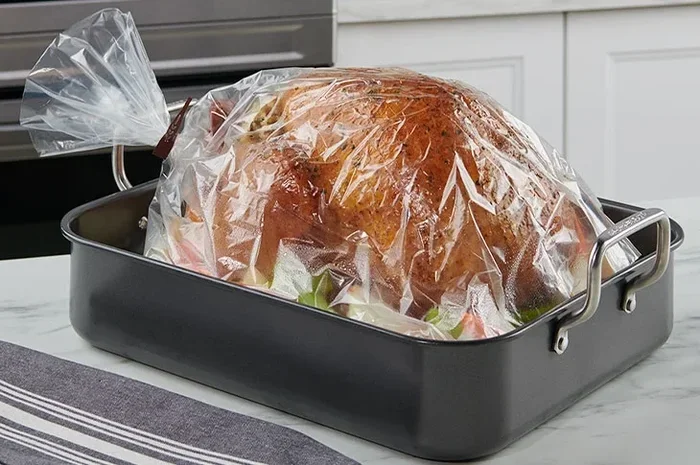
Open the oven bag and sprinkle the flour inside. Shake the bag to coat the entire interior evenly. The flour prevents the bag from popping due to steam pressure. Without flour, the bag could burst, which would be a messy situation.
Place the seasoned turkey into the bag. Add a tablespoon of butter or a splash of broth if you want extra moisture. Seal the bag using the tie that comes with it or a metal twist tie. Cut six small slits in the top of the bag to allow steam to escape during cooking.
Step 4: Cook at the Right Temperature
Place the bagged turkey in a roasting pan. Put it in the preheated oven at 350°F. Set your timer based on the size of the turkey. A whole turkey typically takes about 3 to 3.5 hours. A turkey breast usually takes 1.5 to 2 hours.
Do not open the bag during cooking. Resist the urge to check on it too often. The bag needs to stay sealed to maintain the steam environment that keeps the turkey juicy.
Step 5: Check the Internal Temperature
About 30 minutes before the expected finish time, carefully remove the bag from the oven. Use a meat thermometer to check the internal temperature in the thickest part of the thigh and the thickest part of the breast. Both should read at least 165°F.
If the turkey has not reached the safe temperature yet, reseal the bag and return it to the oven for additional time. Check again every 15 minutes.
Step 6: Rest and Serve
Once the turkey reaches 165°F internally, remove it from the oven. Carefully lift the turkey out of the bag and let it rest on a cutting board for 15 to 20 minutes. This resting period allows the juices to redistribute throughout the meat. Cutting too early will cause the juices to run out, leaving the turkey dry.
You can pour the drippings from the bag into a saucepan to make a quick gravy. Just whisk in a little flour or cornstarch and heat on the stove until thickened.
Turkey Oven Bag Cooking Times by Size
The cooking time depends on the weight of the turkey. Here is a general guide to help you plan your cooking schedule.
| Turkey Weight | Approximate Cooking Time | Internal Temp Target |
|---|---|---|
| 8-10 lbs (whole) | 2.5 to 3 hours | 165°F |
| 10-12 lbs (whole) | 3 to 3.5 hours | 165°F |
| 12-14 lbs (whole) | 3.5 to 4 hours | 165°F |
| 4-6 lbs (breast) | 1.5 to 2 hours | 165°F |
| 6-8 lbs (breast) | 2 to 2.5 hours | 165°F |
These times are estimates. Always rely on your meat thermometer rather than the clock. Every oven is slightly different, and the actual turkey cooking time can vary based on your specific appliance and the shape of the bird.
If you enjoy experimenting with different oven recipes, you might also appreciate learning how long chicken kebabs take in the oven for another delicious oven-based protein option.
Tips for the Juiciest Turkey in an Oven Bag
Want to take your oven bag turkey to the next level? Here are some expert tips that make a real difference.
Use Butter, Not Just Oil
Butter adds richness and flavor that oil simply cannot match. Rub softened butter all over the turkey before placing it in the bag. The butter melts during cooking and bastes the meat from the inside. For an extra flavor boost, mix herbs like rosemary, thyme, and sage into the butter before applying it.
Do Not Skip the Flour
This tip cannot be stressed enough. The flour inside the oven bag prevents it from bursting. Without it, steam pressure builds up with nowhere to go. A couple of tablespoons of flour is all you need. Just shake the bag around to coat the inside evenly.
Let the Turkey Sit Out Before Cooking
Taking the turkey out of the refrigerator 30 minutes before cooking helps it cook more evenly. Cold meat in a hot oven leads to uneven cooking. The outside might be done while the inside is still raw. Letting it warm up slightly fixes this problem.
Add Aromatics Inside the Bag
Toss a few onion wedges, garlic cloves, and a lemon into the bag with the turkey. These aromatics steam inside the bag and infuse the meat with incredible flavor. You will notice the difference in every bite.
Do Not Overcook
Overcooking is the number one enemy of juicy turkey. Once the internal temperature hits 165°F, pull the turkey out. The temperature will continue to rise a few degrees during the resting period. This carryover cooking brings the turkey to the perfect serving temperature without drying it out.
Common Mistakes to Avoid When Cooking Turkey in an Oven Bag
Even with a simple method like this, mistakes can happen. Here are the most common ones and how to avoid them.
Forgetting to Add Flour
This is the most common mistake. Without flour, the oven bag can burst open in your oven. This creates a huge mess and can even be a safety hazard. Always add flour and shake the bag to coat the inside before adding the turkey.
Opening the Bag Too Often
Every time you open the bag, you release the steam that is doing the hard work of keeping the turkey moist. Resist the temptation to peek. Trust the process and let the bag do its job.
Using the Wrong Temperature
Some people crank the oven up to 400°F or higher, thinking it will cook faster. This is a mistake. High heat can melt the oven bag and dry out the turkey. Stick to 350°F for safe, even cooking.
Skipping the Meat Thermometer
guessing is not a reliable method when it comes to turkey. Always use a meat thermometer to check the internal temperature. This is the only way to ensure your turkey is both safe to eat and perfectly cooked.
Not Letting the Turkey Rest
Cutting into the turkey immediately after removing it from the oven is a huge mistake. The juices need time to settle. Skipping the rest period means all those delicious juices will run out onto the cutting board instead of staying in the meat.
Using a Bag That Is Too Small
Make sure the oven bag is large enough to accommodate the turkey with some room to spare. A cramped turkey will not cook evenly, and the bag may not seal properly. Check the bag size before you buy it.
Oven Bag Turkey vs. Traditional Roasting
How does cooking turkey in an oven bag compare to traditional roasting in a pan? Let us break it down.
Moisture Retention
Oven bags win hands down when it comes to moisture. The sealed environment traps steam and keeps the turkey incredibly juicy. Traditional roasting exposes the turkey to dry oven air, which can lead to drier meat unless you baste frequently.
Cooking Time
Oven bags reduce cooking time by about 20 to 30 percent. The trapped heat circulates more efficiently around the turkey. Traditional roasting takes longer because the heat has to penetrate the meat without the benefit of steam.
Cleanup
Oven bags make cleanup almost effortless. Traditional roasting pans require scrubbing away baked-on drippings and stuck-on juices. With an oven bag, you simply throw the bag away when you are done.
Browning
Traditional roasting produces a more deeply browned and crispy skin. Oven bags can sometimes result in slightly softer skin because of the steam environment. If you prefer crispy skin, you can remove the turkey from the bag for the last 15 minutes of cooking and crank up the heat slightly.
Both methods have their merits. If you prioritize juiciness and ease, the oven bag method is hard to beat. If you love crispy skin, you might want to combine both approaches.
For those who love exploring different oven cooking methods, you might also enjoy how long to roast pumpkin seeds in the oven for a delicious and healthy snack that complements your holiday meal.
Frequently Asked Questions
Can You Use Any Oven Bag for Cooking Turkey?
Most oven bags on the market work well for turkey. Brands like Reynolds are popular and reliable. Always check the bag packaging for the maximum temperature rating. Most oven bags are rated for temperatures up to 400°F, which is more than enough for turkey cooking at 350°F.
Do You Need to Add Liquid to the Oven Bag?
No, you do not need to add liquid. The turkey produces its own juices as it cooks, and the oven bag traps that moisture. Adding liquid is unnecessary and can actually make the bag slippery, making it harder to handle. The steam created from the turkey’s natural juices is all you need.
Can You Cook a Frozen Turkey in an Oven Bag?
Yes, you can cook a frozen turkey in an oven bag, but it will take significantly longer. The USDA recommends cooking a frozen turkey at the standard 350°F temperature, but you should add about 50 percent more cooking time. Always use a meat thermometer to ensure the internal temperature reaches 165°F in all areas.
How Do You Prevent the Oven Bag from Melting?
To prevent melting, make sure your oven temperature does not exceed 400°F. At 350°F, oven bags work perfectly and stay intact. Also, ensure the bag does not touch the oven walls or heating elements. Use a roasting pan that is large enough to accommodate the bagged turkey without touching the oven sides.
Is It Safe to Cook Turkey in an Oven Bag?
Yes, cooking turkey in an oven bag is completely safe. Oven bags are made from food-safe materials that can withstand oven temperatures. As long as you follow the manufacturer’s instructions and use the recommended temperature, you will have a safe and delicious cooking experience. Always ensure the internal temperature of the turkey reaches 165°F before serving.
Can You Reuse an Oven Bag?
It is not recommended to reuse oven bags. After cooking, the bag may have small tears or residue that can affect performance in future uses. New oven bags are inexpensive, so it is best to use a fresh one each time for the best results and safest cooking experience.
Final Thoughts
Cooking turkey in an oven bag at 350°F is one of the easiest and most reliable methods for achieving juicy, flavorful turkey every time. The oven bag does the hard work for you, trapping steam and moisture so you do not have to. With minimal effort and cleanup, this method is perfect for holiday dinners, family gatherings, or any weeknight roast.
Remember the key points: use 350°F as your cooking temperature, always check the internal temperature with a meat thermometer, and let the turkey rest before carving. Follow these simple guidelines, and you will serve a turkey that everyone will rave about.
Whether you are cooking a whole bird for Thanksgiving or a turkey breast for a midweek dinner, the oven bag method delivers consistent, outstanding results. Give it a try, and you might just discover your new favorite way to cook turkey. Happy roasting!