Can Rubber Go In The Oven Here Is What You Need To Know
Can rubber go in the oven? The short answer is no for most rubber items. Regular rubber degrades, releases toxic fumes, and melts at oven temperatures. However, silicone rubber and heat-resistant rubber products are designed to withstand high heat safely. Always check the manufacturer’s label before placing any rubber item in the oven.
You are standing in the kitchen, prepping a recipe, and suddenly you realize you left a rubber item on the counter. The oven is hot. The timer is running. And you are wondering, can rubber go in the oven? It is a simple question, but the answer matters a lot for your safety and your food.
Many people assume that if something is rubber and kitchen-related, it must be heat safe. That is not always true. Rubber oven safety depends on the type of rubber, the temperature, and the duration of exposure. Putting the wrong rubber item in a hot oven can lead to melting, smoking, bad smells, and even dangerous chemical release.
In this guide, we will walk through everything you need to know. We will cover what happens when rubber meets heat, which types of rubber are safe, and how to protect yourself in the kitchen. By the end, you will never have to guess again about rubber in the oven.
Key Takeaways
- Most rubber items should never go in the oven because they melt, warp, and release harmful chemicals at high temperatures.
- Silicone rubber is generally oven safe up to 450°F to 500°F, making it the best alternative for kitchen use.
- Natural rubber and synthetic rubber have low heat tolerance and can start degrading at temperatures as low as 200°F.
- Always check the product label for oven-safe ratings before using any rubber item in the oven.
- Rubber gaskets, seals, and handles on oven-safe cookware are designed to handle heat, but standalone rubber items are not.
- Never leave rubber unattended in the oven because it can emit toxic fumes that are harmful to your health.
📑 Table of Contents
- What Happens When Rubber Goes In The Oven
- Types Of Rubber And Their Heat Tolerance
- Is It Safe To Put Rubber In The Oven?
- Common Rubber Items People Put In The Oven
- How To Protect Your Rubber Items From Heat Damage
- Expert Insights On Rubber And Oven Safety
- Common Mistakes People Make With Rubber In The Oven
- What To Do If Rubber Melts In The Oven
- Final Thoughts On Rubber And Oven Safety
What Happens When Rubber Goes In The Oven
When you put rubber in the oven, several things can happen depending on the temperature and the type of rubber. Understanding these changes helps you avoid kitchen disasters and health risks.
Rubber Melting Point And Heat Degradation
Most common rubber materials start to break down at temperatures between 200°F and 300°F. Your oven can easily reach 350°F to 450°F for baking and roasting. At these temperatures, regular rubber will begin to soften, warp, and eventually melt. The melting point of standard rubber is much lower than most oven cooking temperatures.
As rubber heats up, it goes through stages of degradation. First, it becomes soft and pliable. Then it starts to lose its shape. Finally, it can release black smoke and unpleasant odors. This process is called thermal decomposition, and it is not something you want happening inside your oven.
Toxic Fumes From Heated Rubber
This is the most serious concern. When rubber burns or overheats, it releases toxic fumes into the air. These fumes can include sulfur compounds, carbon black, and other harmful chemicals. Breathing in these fumes can cause irritation to your eyes, throat, and lungs.
If you accidentally leave rubber in the oven and notice smoke or a strong chemical smell, turn off the oven immediately. Open windows and ventilate the kitchen. Do not continue cooking food in that oven until the fumes have fully cleared.
Rubber Off-Gassing At High Temperatures
Even before rubber reaches its melting point, it can release chemicals through a process called off-gassing. This means the material releases volatile organic compounds (VOCs) into the air. These chemicals can contaminate your food and create an unpleasant taste and smell.
This is why you should never put rubber oven mitts, rubber mats, or rubber-lined containers in a hot oven, even for a short time. The off-gassing can affect anything nearby, including your food.
Types Of Rubber And Their Heat Tolerance
Not all rubber is the same. Some rubber products are designed to handle heat, while others are not. Let us look at the most common types of rubber you might encounter in the kitchen.
| Rubber Type | Heat Resistance | Oven Safe? |
|---|---|---|
| Natural Rubber | Up to 212°F (100°C) | No |
| Synthetic Rubber | Up to 250°F (121°C) | No |
| Silicone Rubber | Up to 500°F (260°C) | Yes |
| Neoprene Rubber | Up to 300°F (149°C) | Limited Use Only |
| EPDM Rubber | Up to 350°F (177°C) | Limited Use Only |
| Food-Grade Silicone | Up to 450°F (232°C) | Yes |
As you can see, silicone rubber stands out as the clear winner when it comes to heat resistance. Silicone is a synthetic polymer that is fundamentally different from natural rubber. It has a much more stable molecular structure, which allows it to handle high temperatures without breaking down.
Natural rubber and synthetic rubber are common in many household items. Rubber bands, rubber gloves, and rubber seals are not designed for oven use. Even if the temperature seems low, these items can degrade quickly and release harmful substances.
Silicone Vs Regular Rubber In The Oven
The difference between silicone and regular rubber is huge when it comes to oven use. Silicone is oven safe because it is made from silica (sand) and oxygen, giving it excellent thermal stability. Regular rubber is made from petrochemicals or natural latex, which break down under heat.
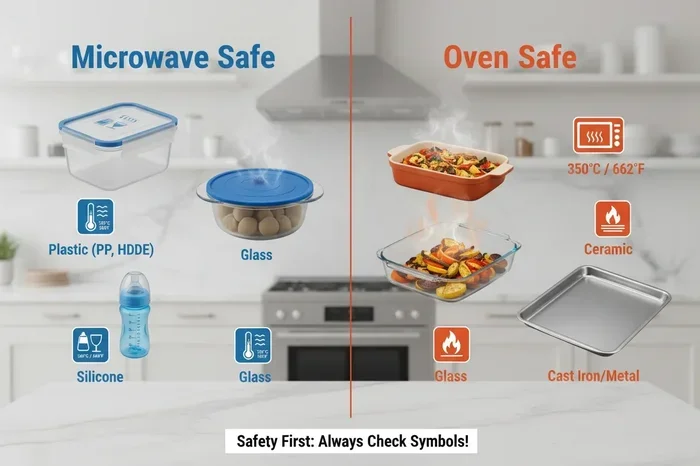
Many people confuse silicone with rubber because silicone feels rubbery. But chemically, they are very different. Silicone baking mats, silicone oven mitts, and silicone molds are all safe for oven use up to their rated temperatures.
Is It Safe To Put Rubber In The Oven?
The short answer is no for most rubber items. But let us dig deeper into why and when rubber might be considered safe in an oven setting.
When Rubber Is Oven Safe
There are a few exceptions where rubber can be oven safe. These are specifically designed products that use heat-resistant rubber or food-grade silicone in their construction.
- Oven-safe silicone baking mats can go directly on oven racks and withstand temperatures up to 480°F.
- Rubber gaskets on oven doors are designed to seal in heat and are built to handle high temperatures.
- Silicone oven mitts and handles are made to protect your hands from hot surfaces.
- Some rubber-lined baking pans use heat-stable materials that are rated for oven use.
The key is to always check the product label. Look for words like “oven safe,” “heat resistant,” or a specific temperature rating. If there is no label or the label says “not oven safe,” keep the item away from the heat.
When Rubber Is NOT Oven Safe
Here are common rubber items that should never go in the oven:
- Rubber bands — they will melt and stick to surfaces.
- Rubber gloves (non-heat-rated) — they will release toxic fumes.
- Rubber soled shoes or sandals — obviously not kitchen items, but people do strange things.
- Rubber toys — not food safe and not heat safe.
- Rubber seals on non-oven-safe containers — they can melt and contaminate food.
- Rubber spatula handles (if not rated for oven use) — the handle can melt while cooking.
Remember, even if the oven temperature is low, rubber can still degrade over time. A short exposure at low heat might not cause immediate damage, but repeated exposure will weaken the rubber and release chemicals. It is never worth the risk.
Common Rubber Items People Put In The Oven
Let us talk about some real-world scenarios. You might be surprised by how many rubber items people accidentally put in the oven or consider putting in the oven.
Rubber Oven Mitts And Gloves
Some oven mitts have rubber grips or rubber coatings. These can be oven safe if they are specifically designed for high-heat use. However, most standard rubber gloves are not oven safe. They are meant for washing dishes, not for handling hot pans in the oven.
If you need to handle hot dishes, use oven mitts made of cotton, silicone, or aramid fiber. These materials are designed for high temperature protection and will not melt or release fumes.
Rubber Baking Mats And Sheets
Silicone baking mats are a popular kitchen tool. They are placed directly on oven racks or inside baking sheets to prevent food from sticking. These mats are specifically designed for oven use and can handle temperatures up to 480°F.
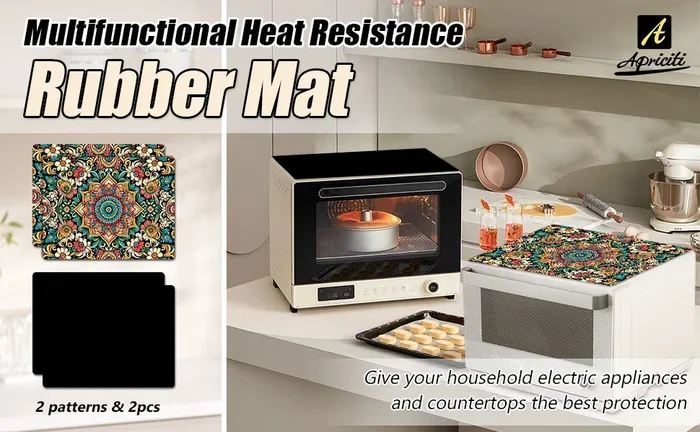
However, regular rubber mats or rubber sheets are not safe for oven use. Always verify that your baking mat is labeled as oven safe silicone before using it in a hot oven.
Rubber Handles On Cookware
Many pots and pans have rubber or silicone handles. Some of these handles are oven safe, while others are not. The key is to look at the manufacturer’s instructions. High-quality cookware will clearly state the maximum oven temperature for the handle.
If you are using a pan to cook something like chicken kebabs in the oven, make sure the handle can handle the heat. Placing a pan with a rubber handle at 400°F for 30 minutes can cause the handle to melt or release harmful substances.
Rubber Seals And Gaskets
Ovens have rubber seals and gaskets around the door to keep heat inside. These are designed to withstand high temperatures and are an essential part of oven function. However, standalone rubber seals or gaskets from other appliances should never go in the oven.
Over time, oven door gaskets can wear out and lose their effectiveness. If you notice your oven door not sealing properly, it is time to replace the gasket. A worn gasket can also affect your oven temperature accuracy, which impacts your cooking results.
How To Protect Your Rubber Items From Heat Damage
Even if you are careful, accidents happen in the kitchen. Here are some practical tips to protect your rubber items and keep your oven safe.
Store Rubber Items Away From The Oven
Keep all rubber items stored in a cool, dry place away from the oven. Heat can slowly degrade rubber even without direct contact. A rubber item stored on the counter near the oven can become brittle and weak over time.
Use Oven-Safe Alternatives
When you need kitchen tools that can handle heat, choose silicone, metal, or wood instead of rubber. Silicone is the best rubber alternative for oven use because it shares the flexibility of rubber but can withstand much higher temperatures.
For example, if you need a spatula for baking, use a silicone spatula instead of a rubber one. If you need a mat for baking, use a silicone baking mat instead of a rubber mat.
Check Temperature Ratings Regularly
Over time, the heat resistance of rubber items can decrease. UV exposure, regular wear, and chemical contact can all weaken rubber. Check the temperature ratings of your rubber and silicone items regularly and replace them if they show signs of wear.
Quick Tips For Kitchen Rubber Safety
- Always read the product label before using any rubber item near heat.
- When in doubt, do not put rubber in the oven.
- Keep a fire extinguisher in the kitchen as a safety precaution.
- If rubber melts in the oven, turn off the heat and let it cool completely before cleaning.
- Ventilate the kitchen immediately if you notice rubber burning or smoking.
- Replace rubber items that have been exposed to high heat, even if they look okay.
Expert Insights On Rubber And Oven Safety
We asked kitchen safety experts about common misconceptions around rubber and oven use. Here is what they had to say.
Myth: “Rubber Is Rubber, So It All Behaves The Same Way”
Experts agree that this is one of the most dangerous assumptions people make. Not all rubber is created equal. The chemical composition of rubber varies widely, and so does its heat tolerance. Natural rubber, synthetic rubber, and silicone rubber are three completely different materials with very different behaviors in the oven.
Myth: “A Few Seconds In The Oven Will Not Hurt”
Even brief exposure to high oven temperatures can damage rubber. The damage may not be visible immediately, but the structural integrity of the rubber is compromised. Over time, this can lead to cracking, breaking, and chemical release.
Myth: “If The Rubber Does Not Melt, It Is Safe”
This is not true. Rubber can off-gas harmful chemicals even at temperatures well below its melting point. You may not see any visible change, but the rubber could be releasing toxic fumes that contaminate your food and the air in your kitchen.
For more information on oven temperatures and cooking times, check out our guide on how long chicken kebabs take in the oven to understand safe cooking temperatures for poultry.
Common Mistakes People Make With Rubber In The Oven
Let us look at some of the most common mistakes people make when it comes to rubber and oven use. Avoiding these can save you from a messy cleanup or a dangerous situation.
- Assuming all rubber is oven safe. This is the biggest mistake. Always verify the material and heat rating.
- Using rubber items to line the oven bottom. Rubber should never line the oven floor. It can melt onto the heating element and cause smoke or fire.
- Reusing rubber items that have been heated. Once rubber has been exposed to high heat, it should be discarded. Do not use it again for food preparation.
- Ignoring the smell. If you smell something burning or chemical-like in the oven, check for rubber items immediately.
- Confusing silicone with rubber. Silicone is oven safe, but regular rubber is not. Know the difference.
- Leaving rubber near the oven during preheating. Even before you start cooking, the oven can reach high temperatures. Keep rubber items away.
For tips on cooking frozen foods in the oven, you might find our guide on how to cook frozen fries in an air fryer oven helpful for understanding safe oven practices with different food items.
What To Do If Rubber Melts In The Oven
Accidents happen. If you discover that rubber has melted in your oven, here is what you should do.
- Turn off the oven and do not open the door immediately. Let the oven cool down to prevent the spread of fumes.
- Ventilate the kitchen by opening windows and turning on the exhaust fan.
- Let the oven cool completely before attempting to clean it.
- Remove the melted rubber carefully using a plastic scraper. Do not use metal tools that can scratch the oven surface.
- Clean the oven interior with a mixture of baking soda and water. Let it sit for 15 minutes before wiping clean.
- Inspect the oven heating elements for any rubber residue. Remaining bits can burn during future cooking sessions.
- Run the oven empty at 200°F for 15 minutes to burn off any remaining residue and odor.
Prevention is always better than cleanup. Keep rubber items far away from the oven and only use heat-rated materials for cooking and baking.
For more oven cooking tips, check out our article on how long to roast pumpkin seeds in the oven for a great example of safe, rubber-free oven cooking.
Final Thoughts On Rubber And Oven Safety
So, can rubber go in the oven? The answer is clear: most rubber should never go in the oven. Regular rubber melts, releases toxic fumes, and can contaminate your food. The only rubber-safe option for oven use is food-grade silicone, which is specifically engineered to handle high temperatures.
Always take a few seconds to check the labels on your kitchen tools. Understanding the difference between regular rubber and heat-resistant silicone can protect your health, your food, and your oven. Kitchen safety is not just about avoiding fires. It is also about avoiding invisible risks like chemical off-gassing and toxic fume release.
Make it a habit to use oven-safe materials in your kitchen. Keep rubber items stored away from heat sources, and invest in quality silicone tools that can handle the heat. Your kitchen, your food, and your family will thank you for it.
Remember, when it comes to rubber in the oven, the safest choice is always to keep rubber out of the oven entirely. Use silicone, metal, or ceramic alternatives instead. Your oven will perform better, your food will taste better, and you will have peace of mind every time you cook.
Frequently Asked Questions
Can I Put a Rubber Spatula In The Oven?
It depends on the spatula. Some rubber spatulas have handles that are rated for oven use, but most are not. Check the manufacturer’s label for oven-safe temperature ratings. If there is no label, do not put it in the oven. Silicone spatulas are generally a safer and more heat-resistant alternative.
What Temperature Does Rubber Start To Melt?
Most common rubber materials begin to soften and degrade at temperatures between 200°F and 300°F. Natural rubber has a lower heat tolerance, while synthetic rubber can handle slightly more. However, even at these lower temperatures, rubber can release harmful chemicals and toxic fumes into the air.
Is Silicone The Same As Rubber?
No, silicone and rubber are not the same. Silicone is a synthetic polymer made from silica, while rubber is made from natural latex or petrochemicals. Silicone has much better heat resistance and is generally safe for oven use up to 450°F to 500°F, whereas most rubber materials cannot handle oven temperatures.
Can Rubber Oven Mitts Go In The Oven?
Rubber oven mitts that are specifically designed and labeled as oven safe can go in the oven. However, most regular rubber gloves and mitts are not heat rated and should never be used in the oven. Always check the label for temperature ratings before using any rubber item near heat.
What Happens If You Leave Rubber In A Hot Oven?
If rubber is left in a hot oven, it will soften, warp, and eventually melt. It can also release toxic fumes and chemical odors that contaminate food and the air. In extreme cases, melted rubber can cause smoke, damage the oven interior, or even pose a fire hazard. Always remove rubber items from the oven before turning it on.
Are All Silicone Baking Tools Oven Safe?
Most food-grade silicone baking tools are oven safe up to 450°F to 500°F. However, always check the manufacturer’s instructions for the specific temperature rating. Low-quality silicone products may not be heat resistant, so it is important to buy from reputable brands that clearly label their products as oven safe.
=== CONCLUSION ===
Can rubber go in the oven? The answer is mostly no. Regular rubber items are not designed to handle oven temperatures and can melt, release toxic fumes, and contaminate your food. The safest and most reliable alternative is food-grade silicone, which is specifically made to withstand high heat without breaking down.
Understanding rubber oven safety is essential for every home cook. By knowing the difference between rubber types, checking temperature ratings, and using heat-safe alternatives, you can keep your kitchen safe and your food free from harmful chemicals. Always prioritize safety over convenience when it comes to putting materials in the oven.
Make the switch to silicone tools, read labels carefully, and keep all rubber items away from the heat. Your kitchen practices today will protect your health and your cooking results for years to come. Stay safe, stay informed, and happy cooking.