Are Microwave Ovens Dangerous The Truth Will Surprise You
Are Microwave Ovens Dangerous is an essential topic that provides valuable insights.
Key Takeaways
- Understanding Are Microwave Ovens Dangerous: Provides essential knowledge
📑 Table of Contents
Why Do People Think Microwaves Are Dangerous?
The fear around microwave ovens dangerous ideas is nothing new. It has been around since microwaves became popular in the 1970s and 1980s. People worry about things they cannot see. And because microwave radiation is invisible, it feels mysterious and scary.
The Power of Misinformation
Social media spreads fear fast. A single viral post can make millions of people believe something untrue. Many microwave myths come from half-truths taken out of context. For example, someone might read that microwaves change food molecules. That sounds alarming. But the full story is very different.
Historical Context of Microwave Fear
In the early days, some poorly designed microwaves did leak radiation. This created real problems. But modern microwaves are built with much better safety standards. The kitchen appliance safety regulations today are far stricter than decades ago. Still, old fears stick around in people’s minds.
How Microwave Ovens Actually Work
Understanding how a microwave works helps answer the question are microwave ovens dangerous more clearly. When you know the science, the fear loses its power.
The Science Behind Microwave Heating
A microwave oven uses electromagnetic waves to heat food. These waves are called microwaves. They are a type of non-ionizing radiation. This is very different from the radiation that causes cancer. Non-ionizing radiation does not damage DNA. It simply makes water molecules in food vibrate. That vibration creates heat.
Think of it like this. When you rub your hands together, they get warm. A microwave does something similar, but on a tiny scale. It makes water molecules rub against each other. That is how your food gets hot. The process is simple and well understood by scientists.
What Happens Inside the Microwave Cavity
The magnetron is the part that creates microwaves. It sends waves into the metal box. The walls bounce the waves around. They penetrate the food and heat it evenly. The door has a metal mesh that keeps waves inside. This is a key part of microwave safety design.
Common Myths About Microwave Radiation
Many beliefs about microwave ovens dangerous claims are simply not true. Let us look at the most common myths and what science says about each one.
Myth 1: Microwaves Cause Cancer
This is the biggest fear. People think microwave radiation causes cancer the way X-rays do. But that comparison is wrong. X-rays use ionizing radiation. Microwaves use non-ionizing radiation. Studies from the World Health Organization confirm that microwaves do not cause cancer. The radiation levels are far too low to damage cells.
Myth 2: Microwaves Destroy All Nutrients
Another common claim is that food nutrients vanish in microwaves. The truth is more nuanced. All cooking methods reduce some nutrients. Boiling vegetables removes more vitamins than microwaving them. Short cooking times actually help preserve nutrients. So microwaving can be better for food nutrients than other methods.
Myth 3: Microwaves Make Food Radioactive
This myth has no scientific basis. Microwaves do not make food radioactive. They only heat it. Once you stop the microwave, the radiation stops. There is no lingering energy in your food. Your meal is completely safe to eat.
Myth 4: Microwaves Heat Food From the Inside Out
Many people believe microwaves heat food differently than other methods. In reality, microwaves heat from the outside in. They penetrate about one to two centimeters deep. The inside heats up through conduction. This is why some foods have hot spots and cold spots.
Real Health Concerns to Be Aware Of
While most fears are myths, there are some real concerns. Ignoring these can lead to actual health problems. Let us look at what you should genuinely watch out for.
Uneven Heating and Food Safety
One real issue with microwave cooking is uneven heating. Some parts of food get very hot while other parts stay cold. This creates a risk for foodborne illness. Bacteria survive in cold spots. If you do not heat food evenly, you could get sick.
To avoid this, always stir your food halfway through. Let it stand for a minute after heating. Use a food thermometer to check that the internal temperature reaches 74°C (165°F). These simple steps make microwave safety much better.
Superheated Water Danger
Superheating is a real and overlooked danger. Water heated in a microwave can become hotter than boiling point without actually boiling. When you move or bump the cup, it can explode violently. This causes serious burns.
To prevent this, place a wooden stir stick or microwave-safe spoon in the water. This gives the water something to bubble around. Never heat water for too long. If the water looks still, be very careful when touching the container.
Steam Burns from Covered Food
Covering food in the microwave traps steam. When you remove the cover, hot steam rushes out. This can burn your face and hands. Always open covers away from your body. Use a towel or oven mitt for extra protection.
Microwave Leakage from Old or Damaged Units
Older microwaves or damaged ones can leak microwave radiation. A damaged door seal or a warped frame can let waves escape. This is a legitimate concern. However, the risk is low if you maintain your appliance properly.
Check your microwave regularly. Look for cracks in the door. Make sure the seal is intact. If the door does not close properly, replace the unit. A well-maintained microwave is very safe.
Plastic Containers and Chemical Leaching
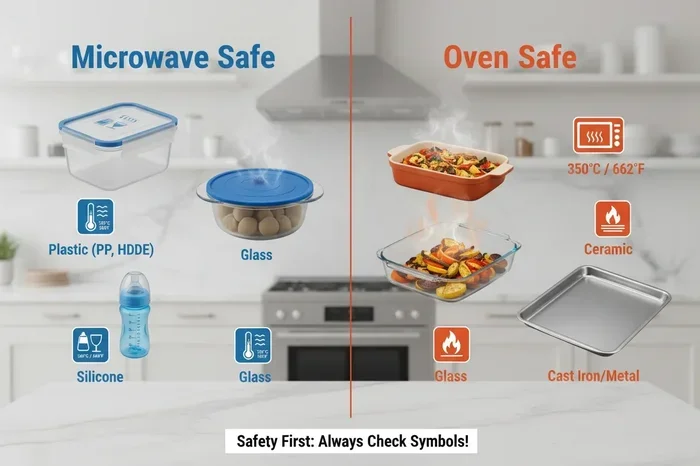
Using the wrong container is a real microwave safety issue. Some plastics release chemicals into food when heated. These chemicals, like BPA, can be harmful over time. Always use microwave-safe containers. Glass and ceramic are the safest choices.
How to Use Your Microwave Safely
Following basic microwave safety rules keeps you and your family protected. These tips are simple but very effective.
Quick Tips for Safe Microwave Use
- Use only microwave-safe containers. Look for the label on the bottom of the dish.
- Stir and rotate food. This helps eliminate cold spots and ensures even heating.
- Never run an empty microwave. Without food to absorb the waves, the magnetron can burn out.
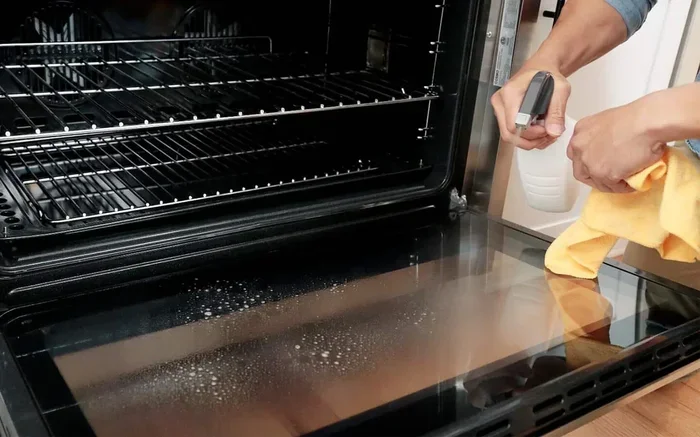
- Keep the unit clean. Food splatters can damage the door seal over time.
- Check the door seal regularly. A damaged seal reduces microwave safety significantly.
- Use oven mitts when removing hot dishes. Containers can get very hot even if the food inside feels warm.
- Follow manufacturer instructions. Every microwave has specific guidelines for safe use.
What Containers Are Safe?
Not all containers belong in the microwave. Here is a quick guide to help you choose wisely.
- Safe: Glass, ceramic, and microwave-safe plastic
- Unsafe: Metal, aluminum foil, regular plastic, and styrofoam
- Use with caution: Brown paper bags and some takeout containers
Microwave Cooking vs. Other Cooking Methods
Many people wonder whether microwave cooking is better or worse than other methods. The answer depends on what you care about most.
Nutrient Retention Comparison
When it comes to preserving food nutrients, microwaving often wins. Because cooking times are short, fewer vitamins are lost. Boiling vegetables in water can drain water-soluble vitamins. Microwaving with little water keeps more nutrients intact.
Convenience Factor
Microwaves are unmatched for speed. Reheating leftovers takes minutes instead of half an hour. For busy families, this convenience is a huge benefit. The cooking time advantage also means less energy use, which is better for your bills and the environment.
Texture and Flavor Differences
Microwaves do not brown or crisp food. If you want a crispy crust or caramelized surface, a microwave is not the right tool. For those results, use an oven or a stovetop. But for reheating and quick meals, microwaves work wonderfully.
Expert Insights on Microwave Cooking
Nutrition experts generally agree that microwave cooking is safe and efficient. Dr. Guy Crosby, a food science expert, says that microwaving is one of the best methods for preserving nutrients. The short cooking time and minimal water use are the main reasons. As long as you follow basic safety rules, there is no reason to fear your microwave.
Professor Robert Brackett from the Institute of Food Technologists also supports microwave safety. He explains that the electromagnetic waves used in microwaves are thoroughly studied and well regulated. No credible scientific body has found them to be harmful when used as intended.
Common Mistakes People Make with Microwaves
Even with good intentions, people make mistakes that reduce microwave safety. Here are the most common ones to avoid.
- Using metal containers. Metal causes sparks and can damage the microwave or start a fire.
- Heating baby bottles in the microwave. This creates hot spots that can burn a baby’s mouth. Always warm milk on the stovetop instead.
- Ignoring standing time. Letting food rest after heating allows the temperature to equalize. This reduces the risk of burns and ensures thorough heating.
- Overheating liquids. This leads to superheating, which we discussed earlier. Always use caution with water and soups.
- Not covering food. This causes splatters and uneven heating. Use a microwave-safe lid or paper towel instead.
The Bottom Line: Are Microwave Ovens Dangerous?
After looking at all the evidence, the answer is clear. Microwave ovens are not dangerous when used correctly. The radiation they use is safe and well understood. The fears people have are mostly based on myths and outdated information.
That does not mean you should ignore all precautions. Real concerns like uneven heating, superheated water, and wrong containers exist. But these are easy to manage with simple habits. The key is to use your microwave with common sense and follow the manufacturer’s guidelines.
Science supports the safety of modern microwaves. Decades of research confirm that microwave cooking is a healthy and convenient way to prepare food. You can enjoy the speed and ease of your microwave without worry. Just stay informed, use the right containers, and heat your food properly.
Key Takeaways
- Microwave ovens are safe: Modern microwaves meet strict safety standards and do not pose health risks when used correctly.
- Microwave radiation is non-ionizing: Unlike X-rays, it does not damage DNA or cause cancer.
- Nutrients are preserved better: Short cooking times and minimal water use help retain more vitamins than boiling.
- Real risks exist but are manageable: Uneven heating, superheated water, and wrong containers are the main concerns to watch for.
- Use microwave-safe containers only: Glass, ceramic, and labeled microwave-safe plastics are the best choices.
- Maintain your microwave: Regularly check the door seal and keep the unit clean for optimal microwave safety.
- Follow simple practices: Stir food, let it stand, and use a thermometer to ensure safe and even heating.
Frequently Asked Questions
Can microwave ovens cause cancer?
No, microwave ovens cannot cause cancer. They use non-ionizing radiation, which does not damage DNA or cells. The radiation levels in modern microwaves are far too low to cause any health problems. Major health organizations like the World Health Organization confirm that microwaves are safe.
Does microwaving food destroy nutrients?
Microwaving actually preserves more nutrients than many other cooking methods. Because cooking times are short and little water is used, fewer water-soluble vitamins are lost. Boiling vegetables, for example, removes more nutrients than microwaving them. The key is to not overcook your food.
Is it safe to heat food in plastic containers in the microwave?
Only if the container is labeled microwave-safe. Regular plastics can release harmful chemicals like BPA into your food when heated. Always transfer food to glass or ceramic containers when possible. Check the bottom of any plastic dish for the microwave-safe symbol before using it.
Can a microwave leak radiation and harm you?
Modern microwaves are designed with multiple safety features that prevent radiation leakage. The metal mesh in the door and the sealed cavity keep waves contained. However, older or damaged microwaves with broken seals can leak small amounts. If your microwave is damaged, have it repaired or replaced to ensure microwave safety.
Why does some food come out cold in the middle after microwaving?
Microwaves heat unevenly because they penetrate only one to two centimeters into food. The inside heats up through conduction from the hot outer layers. To fix this, stir your food halfway through heating and let it stand for a minute before eating. Using a food thermometer ensures the center reaches a safe temperature.
Are there any foods you should never microwave?
Yes, some foods are unsafe in microwaves. Whole eggs can explode because steam builds up inside the shell. Grapes can create plasma and start a fire. Chili peppers can ignite from capsaicin vapors. Always research unfamiliar foods before microwaving them to avoid accidents and injuries.
=== CONCLUSION ===
The question are microwave ovens dangerous deserves a clear and honest answer. After examining the science, the myths, and the real risks, one thing is certain. Modern microwaves are safe, efficient, and a valuable kitchen tool. The fears most people have are based on misunderstandings and outdated information.
Microwave radiation is not the villain the internet makes it out to be. It is a form of non-ionizing radiation that simply heats water molecules in your food. It does not make food radioactive. It does not cause cancer. And it actually preserves more nutrients than many traditional cooking methods.
That said, staying informed matters. Use microwave-safe containers, avoid superheating liquids, and heat food evenly. These simple habits keep you safe and healthy. Your microwave is one of the most convenient appliances in your home. With the right knowledge and a few precautions, you can use it confidently every single day.
Share this article with anyone who still worries about microwave ovens dangerous claims. Knowledge is the best defense against fear. Stay safe, stay informed, and enjoy the ease of microwave cooking without hesitation.