How to Choose the Best Oven Light Bulb for Your Kitchen
Finding the right oven light bulb is easier than you think. This guide covers everything from bulb types and wattage to replacement tips and top brands. You will learn exactly what to look for so your oven stays well-lit and safe every time you cook.
Key Takeaways
- Choose the right bulb type: halogen, LED, or incandescent — each has pros and cons for oven use.
- Check the temperature rating: oven bulbs must handle extreme heat, so always verify the maximum temperature.
- Match the base type: most ovens use a standard E26 or E14 base, but always double-check your model.
- Wattage matters for safety: using the wrong wattage can cause overheating or blow out the bulb.
- Replace bulbs carefully: always let the oven cool and use the right tools for a safe swap.
- Brands matter: trusted brands like GE, Philips, and Uline offer reliable oven-specific bulbs.
- Common problems are fixable: flickering, dimming, or a dead bulb often has a simple solution.
📑 Table of Contents
Why Your Oven Light Bulb Matters More Than You Think
Your oven light bulb does more than just let you peek at your food. It helps you watch your meals cook, check for doneness, and avoid opening the door too often. Every time you open that oven door, heat escapes. That means your oven works harder, uses more energy, and can even affect how your food turns out.
A good oven light bulb keeps the interior bright without adding extra heat to your kitchen. But here is the thing most people overlook. Not all bulbs are built to handle the extreme temperatures inside an oven. Using the wrong bulb can be a safety hazard. It can also lead to a burnt-out bulb at the worst possible moment.
That is exactly why this guide exists. We will walk you through everything you need to know. From understanding the different bulb types to picking the right wattage and base size. By the end, you will feel confident choosing the perfect appliance light bulb for your oven.
Let us start with the basics. Because knowing what you are working with makes the rest of the process a whole lot easier.
Types of Oven Light Bulbs
Not all light bulbs are created equal. When it comes to oven light replacement, the type of bulb you choose makes a big difference. Here are the most common options you will come across.
Halogen Oven Bulbs
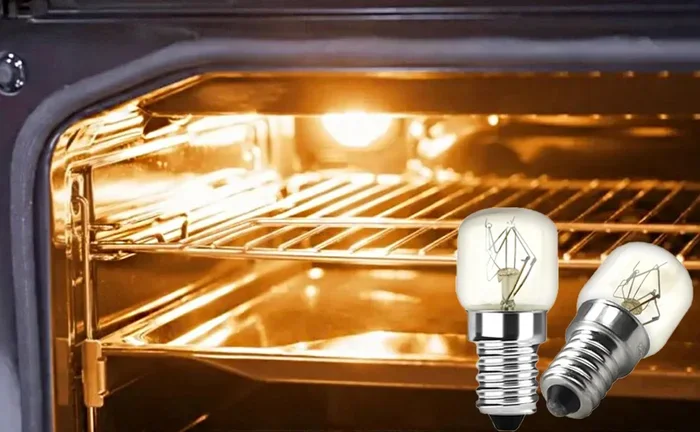
Halogen bulbs are the most popular choice for ovens. They produce a bright, white light that closely mimics natural daylight. This makes it easy to see the true color of your food. Halogen bulbs also handle high heat very well. Most can withstand temperatures up to 450 degrees Fahrenheit or more.
Another benefit of halogen bulbs is their long life. A quality halogen oven lamp can last for years with normal use. They do get hot, but that is expected inside an oven. Just make sure you let the oven cool before touching the bulb during replacement.
LED Bulbs for Ovens
LED bulbs are becoming more popular in appliances. They use less energy and produce very little heat on their own. That sounds great, right? But here is the catch. Not all LED bulbs are rated for oven use. Standard LEDs can melt or fail in high-heat environments.
You need a special high temperature light bulb designed for oven applications. These LEDs have heat-resistant casings and are built to handle the extreme conditions inside your oven. They are a great option if you want to save energy and reduce heat output from the bulb itself.
Incandescent Appliance Bulbs
Traditional incandescent bulbs still show up in many ovens. They are affordable and widely available. These bulbs produce a warm, soft light. However, they are not as energy-efficient as halogen or LED options. They also tend to have a shorter lifespan. If you have an older oven, an incandescent appliance bulb might be what you currently have installed.
Comparison Table: Oven Bulb Types
| Feature | Halogen | LED (Oven-Rated) | Incandescent |
|---|---|---|---|
| Heat Resistance | Excellent | Very Good | Good |
| Brightness | Bright white | Bright white | Warm yellow |
| Energy Efficiency | Moderate | Excellent | Poor |
| Lifespan | Long | Very Long | Short |
| Price | Moderate | Higher | Low |
| Availability | Widely Available | Growing | Widely Available |
Each type has its strengths. Your choice will depend on your budget, your oven model, and what matters most to you. Brightness, energy savings, or affordability.
Key Features to Look For
Not all oven light bulbs are the same. Before you buy, there are a few key features you should check. These details will help you find the right fit for your oven and keep your kitchen safe.
Temperature Rating
This is the most important feature. Your oven can reach temperatures well above 500 degrees Fahrenheit. The bulb you choose must be rated to handle that heat. Always check the manufacturer’s maximum temperature specification. A bulb that is not heat-resistant can crack, shatter, or even cause damage to your oven’s interior.
Look for bulbs explicitly labeled as “oven-rated” or “appliance-grade.” These have been tested to withstand the extreme conditions inside a hot oven. Never use a standard household bulb in your oven. It is a safety risk no matter how tempting it might seem.
Base Type and Size
The base of the bulb is what screws into the socket inside your oven. The two most common base types are E26 and E14. E26 is the standard medium base, similar to what you find in most household lamps. E14 is a smaller, candelabra-style base.
To find out which base you need, simply remove your current bulb and check the markings on the base. You can also check your oven’s user manual. Using the wrong base type means the bulb will not fit properly. This can lead to poor electrical contact or even a safety hazard.
Wattage Rating
Wattage determines how bright the bulb is and how much heat it generates. Most oven bulbs range from 25 to 40 watts. Always check your oven’s maximum recommended wattage. Going over that limit can cause the bulb to overheat and burn out quickly.
Here is a quick tip. If your oven manual says the maximum is 30 watts, do not install a 40-watt bulb. Stick with the recommended wattage or go lower. A lower-wattage bulb will still provide enough light for most cooking tasks.
Glass Type and Durability
Oven bulbs go through a lot of thermal stress. The glass expands when hot and contracts when cool. Over time, this can cause standard glass to crack. Look for bulbs with tempered or heat-resistant glass. These are built to handle the constant temperature changes inside an oven.
Some bulbs also feature a shatter-resistant coating. This adds an extra layer of protection. If a bulb does break, the coating helps contain the glass pieces. This is a nice safety feature, especially in a busy kitchen.
How to Replace Your Oven Light Bulb
Replacing an oven light bulb is one of the easiest home maintenance tasks you can do. It takes just a few minutes and requires no special tools. Here is a simple step-by-step guide to walk you through it.
Step-by-Step Replacement Guide
- Turn off the oven: Make sure the oven is completely off and cool to the touch. Never attempt to replace a bulb while the oven is hot.
- Locate the bulb cover: Most ovens have a small glass or plastic cover on the back wall of the interior. This protects the bulb from food spills and grease.
- Remove the cover: Gently twist or pull the cover off. Some models have a small screw holding the cover in place. Check your oven manual if you are unsure.
- Remove the old bulb: Carefully unscrew the old oven light bulb by turning it counterclockwise. Use a gentle grip to avoid breaking the bulb.
- Insert the new bulb: Take your new bulb and screw it in clockwise. Do not overtighten. A snug fit is all you need.
- Replace the cover: Put the protective cover back in place and secure it.
- Test the new bulb: Turn on the oven light from the control panel or door switch. The new bulb should light up immediately.
Quick Tips for Safe Replacement
- Always wear gloves to protect your hands from any residual heat or sharp glass.
- Keep a flashlight handy if your oven interior is dark.
- Have a damp cloth nearby to clean up any debris if the old bulb breaks.
- Never use a bulb with a cracked or damaged glass envelope.
- Keep spare bulbs on hand so you are always ready for a quick swap.
Following these simple steps ensures a safe and successful replacement every time. It is one of those small tasks that keeps your kitchen running smoothly.
Top Oven Light Bulb Brands
When it comes to choosing a reliable appliance light bulb, brand matters. Some manufacturers specialize in appliance bulbs and have earned a reputation for quality. Here are some of the top brands you should consider.
GE Appliance Bulbs
GE is one of the most trusted names in the appliance bulb world. Their oven bulbs are designed specifically for high-heat applications. They offer a range of halogen and incandescent options that fit most standard ovens. GE bulbs are widely available and reasonably priced, making them a great go-to choice.
Philips Oven Bulbs
Philips is known for quality lighting across the board. Their appliance bulbs deliver consistent brightness and long life. Philips halogen bulbs are particularly popular for oven use. They produce a clean, bright light that makes it easy to monitor your cooking.
Uline Appliance Bulbs
Uline is a favorite among professional kitchens and serious home cooks. They carry a wide selection of appliance-rated bulbs in different sizes and wattages. If you need a specific bulb for a commercial-style oven, Uline is a great place to look.
Whirlpool and OEM Bulbs
Some oven manufacturers sell their own replacement bulbs. Whirlpool, for example, offers OEM bulbs that are guaranteed to fit their models. These can be a safe choice, though they sometimes cost more than aftermarket options. Always check compatibility before purchasing.
Common Oven Light Bulb Problems and Solutions
Even the best oven light replacement bulb can run into issues over time. Here are the most common problems and how to fix them.
Bulb Burns Out Frequently
If your bulb keeps burning out, the first thing to check is the wattage. Using a bulb with too high a wattage will shorten its lifespan. Another common cause is vibration. Some ovens have fans or motors that create vibrations. This can cause standard bulbs to fail prematurely. Switching to a vibration-resistant bulb can solve this problem.
Bulb Flickers or Dimms
A flickering bulb usually means a loose connection. Try removing the bulb and reinserting it firmly. If the flickering continues, the socket itself may be worn out. In that case, you may need to have the socket replaced by a professional technician.
Bulb Shatters Inside the Oven
This is rare but can happen. A bulb shattering inside the oven is usually caused by a thermal shock. This occurs when a cold bulb is exposed to sudden high heat. Always let the oven preheat gradually and avoid slamming the door. If a bulb does break inside, turn off the oven and let it cool completely before cleaning up the debris carefully.
Oven Door Light Not Working
Sometimes the problem is not the bulb itself but the door switch. The door switch controls the light when you open the oven. If the switch is faulty, the light will not turn on regardless of the bulb. You can test the switch with a multimeter. If it is defective, replacing it is a simple fix.
How to Pick the Right Bulb for Your Oven Model
Every oven is a little different. The best way to find the right oven light bulb is to check your owner’s manual. The manual will list the exact bulb type, base size, and wattage rating for your specific model.
If you no longer have the manual, you can usually find the information online. Most manufacturers have digital manuals available on their websites. You can also look for a model number sticker on the inside of the oven door or on the back of the unit.
Another helpful approach is to take your old bulb to the store with you. The markings on the old bulb will tell you the base type, wattage, and sometimes the brand and model number. This makes shopping for a replacement much simpler.
For those who prefer shopping online, search for your oven brand and model along with “replacement bulb.” Many retailers list compatible bulbs by oven model. This takes the guesswork out of the process entirely.
Quick Tips for Choosing the Right Bulb
- Always verify the base type before purchasing.
- Stick to the recommended wattage or go lower.
- Choose a bulb rated for high-temperature use.
- Consider LED options if energy efficiency is a priority.
- Buy from reputable brands and trusted retailers.
- Keep one spare bulb in your kitchen for emergencies.
Taking a few minutes to get the right bulb saves you time, money, and frustration in the long run. A well-chosen oven light bulb will keep your kitchen bright and your cooking experience enjoyable for years to come.
Conclusion
Choosing the right oven light bulb does not have to be complicated. With the right information, you can make a confident decision that keeps your oven safe, bright, and energy-efficient. Whether you prefer halogen for its brightness, LED for its efficiency, or incandescent for its affordability, there is a perfect option out there for your kitchen.
Remember to always check the temperature rating, base type, and wattage before purchasing. These three details make all the difference. And when it is time for a replacement, the process is quick and straightforward. A simple bulb swap can bring new life to your oven and improve your overall cooking experience.
Take what you have learned from this guide and apply it the next time you need a new appliance light bulb. Your kitchen deserves the best lighting, and your food deserves to be watched over by a bright, reliable bulb. Happy cooking, and happy shopping!