Do You Cover Roasted Potatoes In The Oven For Crispy Fries
Do you cover roasted potatoes in the oven? The answer depends on your goal. If you want soft, fluffy insides, covering with foil early on helps. But for crispy fries with golden edges, you should leave them uncovered for most of the cook. Roasted potatoes turn out best when you combine the right temperature, oil, and a little patience.
Key Takeaways
- Uncovering potatoes during the final stage creates the crispy exterior everyone loves.
- High heat (425°F or above) is essential for crispy oven fries.
- Parboiling before roasting removes excess starch and boosts crispiness.
- Aluminum foil has its place but should be used strategically, not the whole time.
- A single layer on the baking sheet prevents steaming and promotes even browning.
- Cornstarch or flour coating adds an extra crunch to roasted potatoes.
- Resting potatoes after roasting keeps them crispy instead of soggy.
📑 Table of Contents
- Do You Cover Roasted Potatoes In The Oven For Crispy Fries
- The Best Temperature For Crispy Roasted Potatoes
- Should You Parboil Potatoes Before Roasting?
- To Cover Or Not To Cover: The Foil Debate
- Oil, Seasoning, And The Secret To Flavor
- Common Mistakes That Keep Potatoes From Getting Crispy
- How To Tell When Roasted Potatoes Are Done
- Serving Ideas And Storage Tips
- Final Thoughts On Crispy Oven Potatoes
Do You Cover Roasted Potatoes In The Oven For Crispy Fries
There is nothing quite like a plate of crispy roasted potatoes straight from the oven. Golden edges, fluffy centers, and that irresistible crunch make them a crowd favorite. But here is the question that confuses so many home cooks: should you cover them or not?
The truth is, do you cover roasted potatoes in the oven depends entirely on what result you are going for. Covering traps steam, which softens the outside. Uncovering allows moisture to escape, which creates that beautiful crispy crust. Understanding this simple principle changes everything about your potato game.
In this guide, we will walk through every step of roasting potatoes to get them crispy, golden, and absolutely delicious. Whether you are making oven baked fries, roasted potato wedges, or a simple side dish, you will find the answers you need right here.
We will cover temperatures, timing, foil versus no foil, and all the little tricks that make roast potatoes crispy every single time. By the end, you will never second-guess yourself again.
Why Does Covering Matter So Much?
When you cover potatoes with foil or a lid, you create a mini steam environment. Steam softens the potato surface and cooks it more evenly. This is great for mashed potatoes or boiled potatoes. But for crispy potato fries, steam is the enemy.
Steam keeps moisture trapped against the potato surface. That moisture prevents browning. It prevents crisping. It keeps your potatoes soft and pale when you want them golden and crunchy.
On the other hand, leaving potatoes uncovered lets that moisture evaporate. The dry heat from the oven can then interact directly with the potato surface. This triggers the Maillard reaction, which is the chemical process responsible for browning and flavor development. That is what gives golden brown roasted potatoes their amazing taste and texture.
The key takeaway is this: cover early for even cooking, uncover late for maximum crispiness.
The Best Temperature For Crispy Roasted Potatoes
Temperature is one of the most important factors when you are baking potatoes in the oven. Too low and they will steam instead of roast. Too high and the outside burns before the inside cooks through.
For crispy oven fries, aim for 425°F to 450°F. This range is hot enough to drive off surface moisture quickly. It is also hot enough to brown the edges without overcooking the center.
Here is a quick temperature guide for different potato dishes:
- 425°F: Great for standard roasted potato wedges and oven fries. Even cooking with good browning.
- 450°F: Best for extra crispy oven roasted potato fries. The higher heat creates a faster crust.
- 400°F: Good for larger potato chunks that need more time to cook through.
- 375°F: Too low for crispy results. Better suited for slow-roasted or covered potato dishes.
Always preheat your oven before adding the potatoes. A hot oven from the start makes a huge difference in the final texture. Cold ovens lead to uneven cooking and soggy results.
How Oven Type Affects Your Results
Not all ovens are created equal. A conventional oven circulates heat differently than a convection oven. Convection ovens have a fan that moves hot air around the food. This means roast potatoes in a convection oven tend to crisp up faster and more evenly.
If you have a convection oven, you can lower the temperature by about 25°F and still get excellent results. The moving air dries out the potato surface more efficiently, which boosts crispiness.
If you are using a standard conventional oven, stick to the recommended 425°F to 450°F range. You may also need to rotate your baking sheet halfway through cooking to ensure even browning. This simple step prevents one side from getting darker than the other.
Should You Parboil Potatoes Before Roasting?
This is one of the best-kept secrets for crispy roasted potatoes. Parboiling means boiling the potatoes briefly before they go into the oven. It might seem like extra work, but the results are worth it.
When you parboil potatoes, you partially cook the starch inside. As the potatoes roast, that starch migrates to the surface. The surface starch reacts with the hot oil and creates an incredibly crispy exterior. It is the same reason why french fries taste so much better when you double-fry them.
Here is how to parboil potatoes for roasting:
- Cut your potatoes into even-sized pieces. Uniform size means even cooking.
- Place them in a pot of cold salted water. Bring it to a boil.
- Boil for 5 to 7 minutes. You want them slightly undercooked — they should still have a firm core.
- Drain the potatoes and let them dry completely. Spread them on a towel and pat them dry.
- Toss them in oil and seasoning, then spread them on your baking sheet.
- Roast them in the preheated oven at 425°F to 450°F, uncovered, until golden and crispy.
Do not skip the drying step. Wet potatoes on a hot baking sheet will steam instead of roast. Moisture is the biggest enemy of crispiness.
The Role Of Potato Starch In Crispiness
Potatoes contain a lot of starch, and starch plays a big role in how crispy your oven baked fries turn out. When starch on the potato surface hits hot oil, it gelatinizes and then dehydrates. This creates a thin, crispy shell around each piece.
Some potato varieties have more starch than others. Russet potatoes are high in starch and make excellent crispy fries. Yukon Gold potatoes have a medium starch content and produce a creamier result. Red potatoes are lower in starch and tend to stay softer, but they can still get crispy with the right technique.
If you want extra crispiness, you can toss your parboiled potatoes in a light coating of cornstarch or flour before adding oil. This adds even more surface starch, which creates an extra crunch layer. It is a small trick that makes a big difference.
To Cover Or Not To Cover: The Foil Debate
The question of do you cover roasted potatoes in the oven comes up more than almost any other potato topic. Let us settle this once and for all.
The short answer: do not cover potatoes for the entire roasting time if you want crispy results. But there is a time and place for foil.
Here is when to use foil and when to skip it:
- Use foil at the start: If your potato pieces are very large or uneven, covering them with foil for the first 15 to 20 minutes helps them cook through evenly. The steam softens the raw exterior so the inside cooks without burning the outside.
- Remove foil for the last 20 to 30 minutes: Once the potatoes are mostly cooked inside, uncover them. This lets the surface dry out and crisp up in the hot oven air.
- Skip foil entirely for small wedges or fries: If you have cut your potatoes into small, even pieces, you do not need foil at any point. Just spread them in a single layer and roast them uncovered from start to finish.
- Never cover potatoes with a lid or foil for the entire cook: This traps too much moisture and guarantees soggy, pale potatoes. It is the number one mistake people make when trying to get crispy results.
The Foil-Free Method For Maximum Crisp
Many professional chefs and cooking experts recommend going completely foil-free for crispy potato fries. The method is simple but effective.
Line your baking sheet with parchment paper or a silicone baking mat. This prevents sticking without creating a steam trap. Spread the potatoes in a single layer with space between each piece. Overcrowding is the enemy of crispiness because it traps steam between the pieces.
Lightly coat the potatoes with oil. Not too much — just enough to lightly coat each piece. Too much oil pools at the bottom and creates greasy potatoes instead of crispy ones.
Place the baking sheet in the oven on the middle rack. Roast for 25 to 35 minutes, flipping halfway through. The result is potatoes with golden, crispy edges and fluffy interiors.
Oil, Seasoning, And The Secret To Flavor
Getting roast potatoes crispy is about more than just heat and timing. What you put on the potatoes matters just as much.
Use a high smoke point oil like avocado oil, grapeseed oil, or refined olive oil. Extra virgin olive oil has a lower smoke point and can burn at 450°F, which leads to bitter flavors and dark spots on your potatoes.
Here are some tips for seasoning crispy roasted potatoes:
- Salt after roasting: Salting before roasting draws out moisture from the potato surface. That moisture creates steam, which prevents crisping. Salt right when the potatoes come out of the oven instead.
- Use cornstarch for extra crunch: Toss your potato pieces with a teaspoon of cornstarch before adding oil. This creates an ultra-crispy coating.
- Add garlic and herbs after roasting: Fresh herbs like rosemary and thyme burn easily at high temperatures. Add them after the potatoes are done for the best flavor.
- A touch of vinegar helps: A light splash of apple cider vinegar tossed with the potatoes before roasting adds flavor and helps create a crispier exterior.
Best Oils For Crispy Roasted Potatoes
| Oil | Smoke Point | Best For |
|---|---|---|
| Avocado Oil | 520°F | High heat roasting, neutral flavor |
| Grapeseed Oil | 420°F | Crispy fries, light texture |
| Refined Olive Oil | 465°F | Flavor and crispiness balance |
| Extra Virgin Olive Oil | 375°F | Lower temp roasting only |
| Coconut Oil | 400°F | Adds subtle sweetness and crunch |
Choosing the right oil makes a noticeable difference in both flavor and texture. Pick one with a smoke point above 425°F for best results when baking potatoes in the oven.
Common Mistakes That Keep Potatoes From Getting Crispy
Even with the right temperature and technique, certain mistakes can sabotage your crispy fries. Here are the most common ones to avoid.
Overcrowding the baking sheet. This is the number one mistake. When potatoes are crammed together, they steam instead of roast. Give each piece room to breathe. Use two baking sheets if you need to cook a large batch.
Skipping the parboil. While you can roast raw potatoes and get decent results, parboiling removes surface starch and jumpstarts the cooking process. It is the difference between good fries and great fries.
Using wet potatoes. Always dry your potatoes thoroughly after washing and after parboiling. Any remaining water turns to steam in the oven, and steam means soggy potatoes.
Not flipping halfway through. Potatoes need to be turned over during cooking to brown evenly on all sides. Set a timer and flip them once, about halfway through the total cook time.
Using the wrong potato variety. Waxy potatoes like red potatoes hold their shape well but do not get as crispy as starchy varieties. For the best oven roasted potato fries, choose russet or Yukon Gold potatoes.
Opening the oven door too often. Every time you open the oven, the temperature drops significantly. This slows down the crisping process and can lead to uneven cooking. Trust your timer and resist the urge to peek.
Quick Tips For Perfect Crispy Potatoes Every Time
- Cut potatoes into uniform sizes so they cook at the same rate.
- Soak cut potatoes in cold water for 30 minutes before roasting to remove excess surface starch.
- Preheat the oven fully before putting the potatoes in.
- Use a wire rack on top of the baking sheet for even airflow underneath.
- Do not skip the flip halfway through cooking.
- Let potatoes rest for 5 minutes after removing them from the oven. This helps the crust set and stay crispy.
How To Tell When Roasted Potatoes Are Done
Knowing when roasted potatoes are perfectly done is a skill that comes with practice. But there are clear signs to look for.
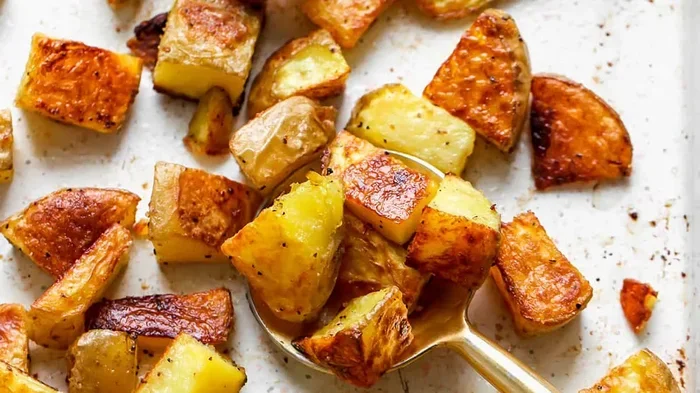
The potatoes should be deeply golden brown on the edges. They should sound hollow when you tap them with a fork. The outside should feel firm and crispy, while the inside should be soft and fluffy when you break one open.
A meat thermometer can help too. Insert it into the thickest piece. The internal temperature should reach about 210°F to 215°F. This indicates the starch inside has fully gelatinized, which gives you that perfect fluffy texture.
If the potatoes are browning too fast on the outside but still hard inside, lower the oven temperature by 25°F and give them more time. Patience is the secret ingredient in great crispy potato fries.
Serving Ideas And Storage Tips
Once you have mastered the art of crispy roasted potatoes, you will want to use them in all kinds of meals. They pair beautifully with grilled meats, roasted vegetables, and fresh salads. They also make an amazing base for breakfast hash or a standalone snack.
Leftover roasted potatoes can be stored in an airtight container in the refrigerator for up to 4 days. Reheat them in the oven or air fryer to maintain their crispiness. Avoid microwaving leftover potatoes, as the microwave adds moisture and makes them soggy.
You can also freeze cooked roasted potatoes for up to 3 months. Spread them on a baking sheet to freeze individually first, then transfer them to a freezer bag. Reheat at 400°F for 10 to 15 minutes to restore their crispy texture.
The beauty of learning do you cover roasted potatoes in the oven properly is that once you understand the technique, you can adapt it to any potato dish. Whether you are making simple oven fries, loaded potato wedges, or a roasted potato salad, the principles stay the same. High heat, space between pieces, and uncovering for the final cook are your keys to success.
Final Thoughts On Crispy Oven Potatoes
Do you cover roasted potatoes in the oven for crispy fries? The answer is clear now. Keep them covered only at the very beginning if your pieces are large and uneven. For the rest of the cooking time, let them roast uncovered so the moisture escapes and the surface crisps up beautifully.
Combine this with the right temperature, proper drying, a light coating of high smoke point oil, and a little patience. You will get golden brown roasted potatoes with crispy edges and fluffy centers every single time.
Remember that great roasted potatoes are not about complicated techniques. They are about understanding how heat, moisture, and time work together. Master these three elements, and you will never make soggy roasted potatoes again.
Now go preheat your oven, grab some potatoes, and put these tips into action. Your kitchen is about to smell incredible, and your taste buds are going to thank you. Happy roasting.
Frequently Asked Questions
Should I cover potatoes with foil when roasting them in the oven?
You can cover them with foil for the first 15 to 20 minutes if the pieces are large and uneven. This helps them cook through evenly. But for crispy results, you must remove the foil and roast the potatoes uncovered for the rest of the cooking time. Covering them the entire time traps steam and prevents crisping.
What is the best temperature to roast potatoes for crispy fries?
The best temperature is 425°F to 450°F. This high heat dries out the potato surface quickly and promotes browning and crispiness. Lower temperatures like 375°F result in softer, less crispy potatoes that take longer to cook.
Do I need to parboil potatoes before roasting them?
Parboiling is not strictly necessary, but it makes a big difference. Boiling potatoes for 5 to 7 minutes before roasting removes surface starch and jumpstarts cooking. This leads to crispier oven baked fries with a better texture overall.
Why are my roasted potatoes soggy instead of crispy?
Soggy potatoes usually happen because of excess moisture. This can come from not drying the potatoes after washing or parboiling, overcrowding the baking sheet, or covering them with foil for too long. Make sure potatoes are dry, spread them in a single layer, and keep them uncovered for most of the roast.
Can I use a convection oven for crispy roasted potatoes?
Yes, convection ovens are excellent for crispy roasted potatoes. The fan circulates hot air around the food, which dries the surface faster and promotes even browning. If using a convection oven, you can lower the temperature by about 25°F and still get great crispy results.
How long should I roast potatoes in the oven for the best crispiness?
Roast potatoes at 425°F to 450°F for 25 to 35 minutes, flipping them halfway through. The exact time depends on the size of your potato pieces. Smaller wedges and fries take less time, while larger chunks may need the full 35 minutes or slightly more.
=== SEO Title ===
Do You Cover Roasted Potatoes In The Oven For Crispy Fries
=== META TITLE ===
Cover Roasted Potatoes In The Oven For Crispy Fries
=== URL SLUG ===
cover-roasted-potatoes-in-oven-for-crispy-fries